
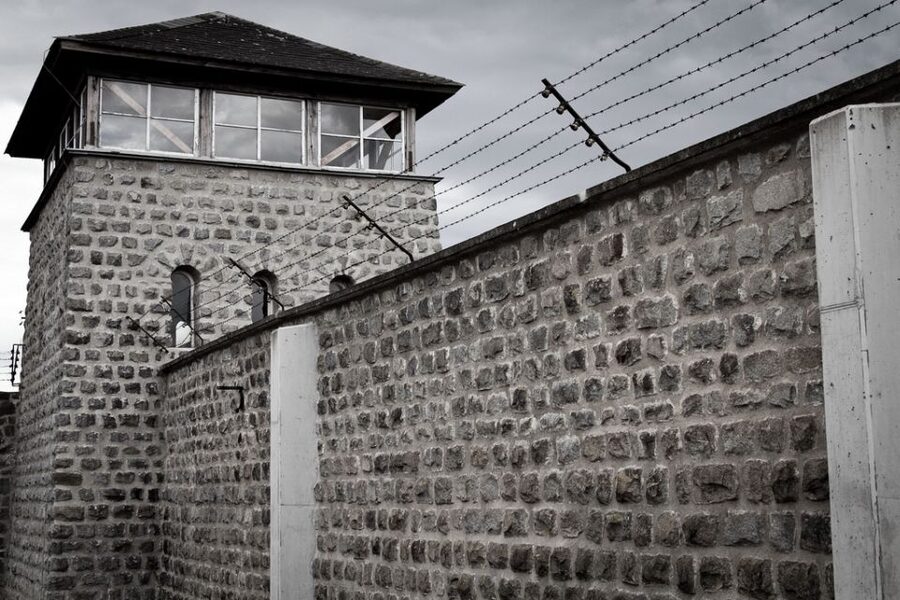
Reviewed · MAUTHAUSEN MEMORIAL TOURS
Vienna: Day Trip to Mauthausen Concentration Camp Memorial
Mauthausen is not a casual sightseeing stop. It is a place of imprisonment, forced labour, murder, and remembrance, and the preserved camp grounds can leave you quiet for the rest of the day. This full-day trip gives you a structured way to visit one of Austria’s most important memorials without arranging a long train and bus journey on your own.
I especially like the two-hour historical briefing on the drive, which gives the visit context before you arrive, and the mix of guided and independent time at the memorial. Guides such as Clara, Fleming, Robert, Adam, and Ben have been singled out for clear, thoughtful explanations on different departures.
The main drawback is time. About three hours and forty minutes at Mauthausen sounds generous, but the guided walk, museum, quarry, and personal reflection can easily fill it. Lunch is not included, and some people have found the meal stop costly or disappointing.
In This Review
- Key points to know before booking
- Why a Vienna day trip to Mauthausen matters
- Leaving Vienna with history before the site
- Walking through the former camp
- The museum, Room of Names, and quarry
- Guided tour or audio guide?
- Lunch and the limits of the timetable
- What you pay for at $174
- Who should take this tour?
- Booking details worth knowing
- Should you book the Mauthausen day trip?
- FAQ
- Where does the tour begin?
- Where does the tour end?
- How long does the full experience last?
- How long is the journey from Vienna to Mauthausen?
- Is transportation included?
- Is hotel pickup included?
- Is the guided tour in English?
- Are audio guides available in other languages?
- Is lunch included?
- Is the tour suitable for children?
- Is Mauthausen Memorial wheelchair accessible?
Key points to know before booking
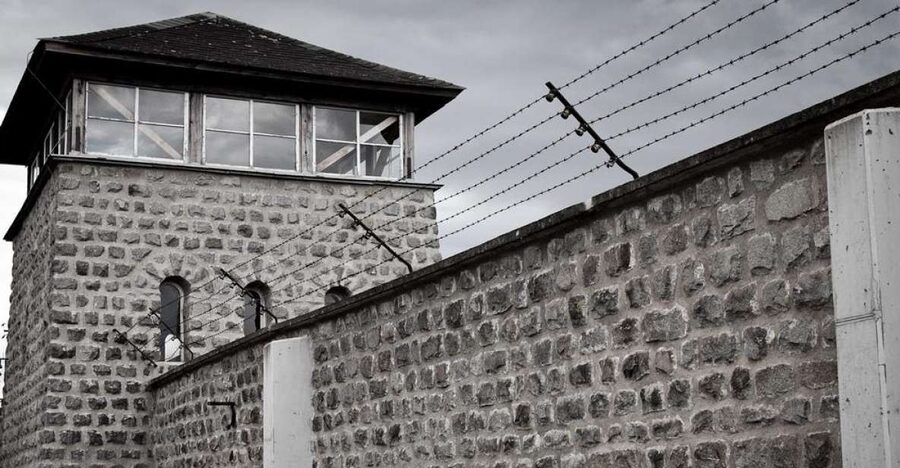
- The journey takes about 8.5 hours: You leave from central Vienna and return downtown, with roughly two hours each way by coach.
- The visit covers the hardest parts of the memorial: Expect the roll call area, prisoners’ barracks, Stairs of Death, quarry, execution sites, gas chamber, ovens, museum, and Room of Names.
- The English commentary begins before arrival: The ride is used to explain Austria under Nazi rule and Mauthausen’s role in the Third Reich.
- You get both a live tour and free exploration: After the guided portion, you can use the museum and audio guide at your own pace.
- Lunch costs extra: Food is available at the memorial’s Bistrot, but the quality and price may not suit everyone.
- This is best for mature visitors: The experience is not recommended for children aged 14 and younger because of its subject matter.
Why a Vienna day trip to Mauthausen matters

Mauthausen was one of the largest labour camp complexes in the Third Reich. From 1938 to 1945, about 190,000 people from across Europe were imprisoned in the Mauthausen system, and at least 90,000 died.
Those figures can feel remote when read in a guidebook. The memorial makes them harder to keep at a distance. You walk through the spaces where prisoners were counted, confined, worked, punished, and killed. The quarry and the Stairs of Death show how forced labour was used as a weapon, not simply as a source of production.
The site also asks you to think beyond the camp itself. The guided commentary addresses the roles of perpetrators and bystanders, as well as the conduct of Austrian authorities and the wider public during the Nazi period. That wider view matters. You are not simply being shown a set of grim buildings. You are being asked how such a system operated, who helped it function, and how societies remember it afterward.
This is why I would not treat Mauthausen as just another day trip from Vienna. It is a memorial visit first, and a sightseeing outing second.
More Mauthausen memorial visits:
- Mauthausen Concentration Camp Day Trip from Vienna
★ 5.0 · 271 reviews - Full-Day Private Trip from Vienna to Mauthausen Memorial
★ 4.8 · 10 reviews - Private Day Trip From Vienna To Mauthausen and Melk
★ 5.0 · 9 reviews
Leaving Vienna with history before the site
You meet at Tourist-Info Wien in central Vienna. Hotel pickup is not included, so you need to reach the meeting point yourself. The tour later returns to downtown Vienna, ending at the Vienna State Opera House.
The coach ride to Mauthausen takes about two hours. That may sound like a long transfer, but it is one of the useful parts of the experience. Your English-speaking tour leader explains Austria’s history under the Nazi regime and introduces the camp’s role before you arrive.
The quality of this introduction can shape the whole visit. Several guides have used photographs, maps, documents, stories, and other visual material to make the journey more than dead travel time. Fleming, in particular, has been praised for giving a broad explanation of the political and historical background, while Ben has used a documentary on the journey and supplied water during the day.
Those details are not guaranteed on every departure, but they show what a good version of this tour can provide. If your guide is as effective as Clara, Robert, Adam, or Fleming, you will reach Mauthausen with a clearer sense of what you are seeing.
The drive also gives you time to prepare emotionally. This is not entertainment, and the approach to the memorial is part of the process. You may prefer to sit quietly, listen to the guide, or watch any documentary material offered. The important thing is that you arrive ready for a serious visit rather than treating the site as an unexpected shock.
Walking through the former camp
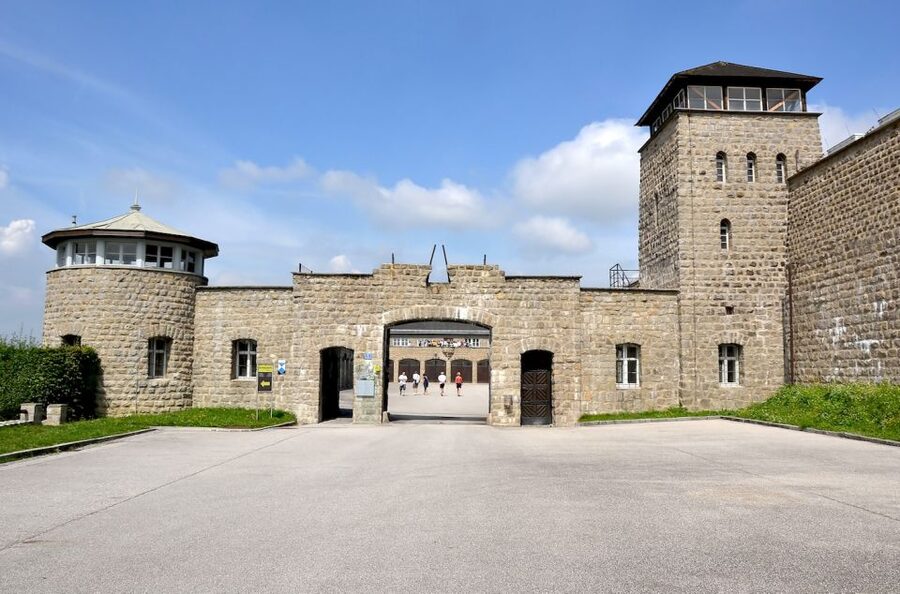
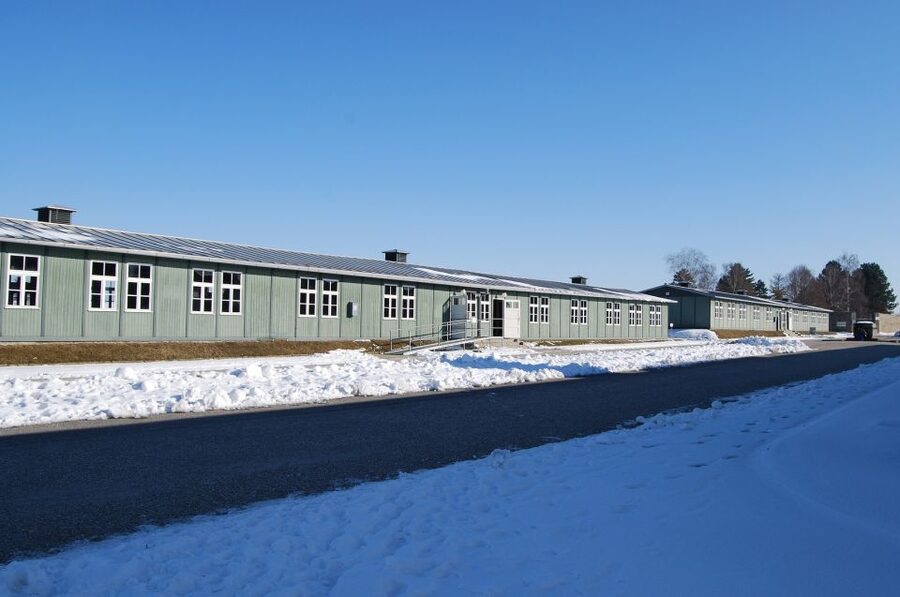
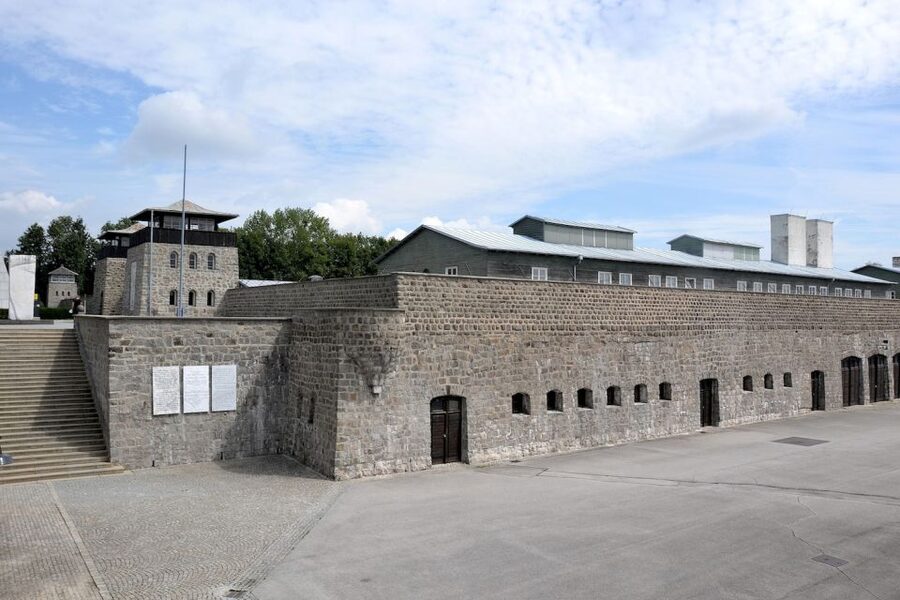
At Mauthausen, you join a live guided tour in English. The route follows important sections of the preserved site, including the roll call area, prisoners’ barracks, the former SS camp area, the memorial park, and the quarry.
A guide can help you understand how the spaces worked together. The roll call area was not an empty courtyard in the camp’s active years. The barracks were not simply old wooden buildings. The quarry was not merely an industrial site. Each location had a specific place in the system of control and forced labour.
The Stairs of Death are among the most difficult parts of the visit. Prisoners were forced to carry heavy stone up the steep stairway from the quarry. Seeing the climb in person helps explain the physical cruelty of the work, although no modern visit can reproduce the prisoners’ conditions.
The memorial has also preserved or documented sites connected with executions, the gas chamber, and the cremation ovens. Your guide should explain these areas with care and restraint. You will not need dramatic language to understand their meaning.
That is one reason the strongest guides receive such praise. The best commentary does not turn suffering into a performance. It gives you facts, asks serious questions, and allows silence when silence is the right response.
One caution: guide quality and pace can vary. A few departures have felt too fast, with brief explanations at each stop. Some English-language guiding has also been less fluent, making complex subjects harder to follow. If you need more time at a particular location, ask politely when the group pauses.
The museum, Room of Names, and quarry
The guided walk is only part of the visit. You also have time to explore the Mauthausen Museum, including the Room of Names.
The Room of Names is especially important because it brings individual identity back into a history often reduced to totals. The number of people imprisoned and killed at Mauthausen is enormous, but names help you remember that each person had a life before the camp.
The museum adds documents, displays, and historical detail that a walking tour cannot cover. Do not rely only on the audio guide. Give yourself time to read selected displays and absorb the material at your own pace. You might find the museum more useful after the guided walk, when you already understand the basic layout.
You can also spend more time at the quarry. The physical setting helps explain the forced labour system and the conditions imposed on prisoners. The surrounding Austrian countryside can look calm and ordinary, which creates a troubling contrast with what happened here.
That contrast is part of the memorial’s power. Nothing about the present-day setting can show the full reality of the camp, but the remaining structures and the museum prevent the place from becoming an abstract historical site.
A few more Vienna tours worth weighing up
- Vienna: Hallstatt & Alpine Peaks Day Trip with Skywalk Lift
★ 4.7 · 5,458 reviews - Danube Valley Day Trip from Vienna
★ 4.0 · 1,576 reviews - Hallstatt Guided Day Trip from Vienna With Boat Ride Option
★ 4.5 · 1,301 reviews - From Vienna: Full Day Trip to Hallstatt and Salzkammergut
★ 4.4 · 972 reviews
Guided tour or audio guide?
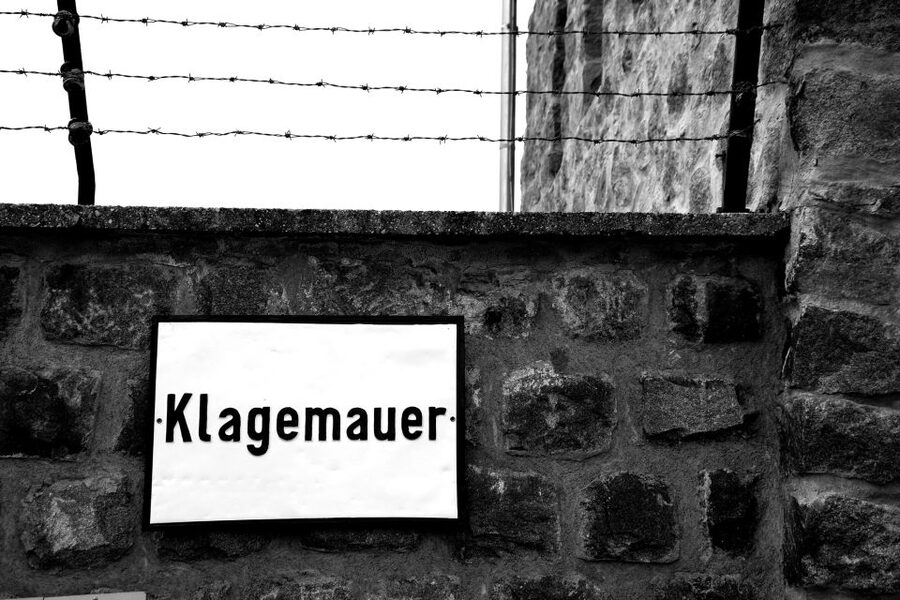
The live tour is in English. For other languages, audio guides and site maps are available in English, Spanish, Czech, Dutch, French, German, Hebrew, Hungarian, Italian, Polish, Russian, and Turkish.
The audio guide is useful if you want to move more slowly, pause at displays, or spend longer at one area. It can also help if the live guide speaks too quickly or uses terms you do not catch. The museum and grounds are the kind of place where independent time has real value.
If you understand English well, I would still choose the live tour first. A good guide can connect separate locations, explain difficult questions, and respond to what you are seeing. Then use the remaining time for the museum and audio material.
The balance is not perfect for everyone. Some people would prefer a longer self-guided period, especially if they have a family connection to the camp or want to study every display. Others appreciate being led through the site because the scale and subject matter can be difficult to process alone.
Lunch and the limits of the timetable
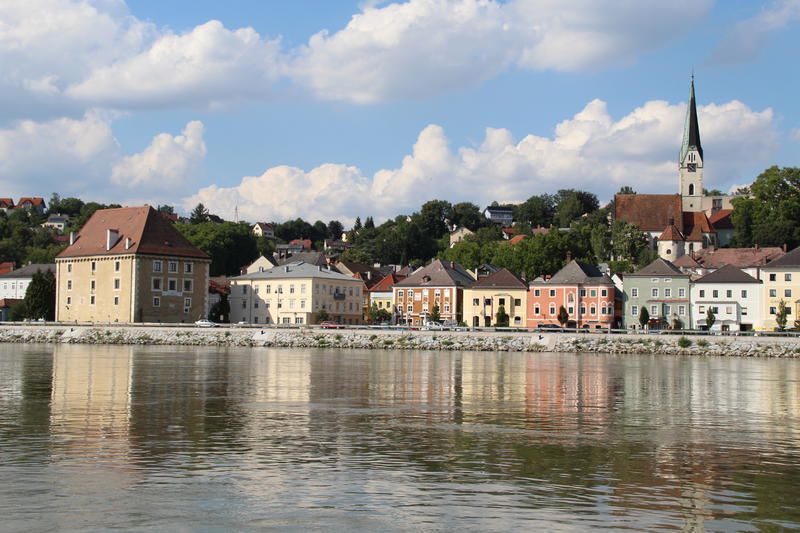
Lunch is not included. Refreshments and light meals are available at the on-site Bistrot, but you should budget separately.
Food is a weak point for some people. One meal stop was described as basic, while another was considered overpriced, with a soup and salad costing more than 40 euros. Conditions and costs may change, but the safe advice is simple: do not assume lunch will be the highlight of the day.
The larger issue is time. The scheduled memorial visit lasts about 3.67 hours, including the guided tour, lunch, museum, quarry, and personal exploration. That is enough for a meaningful introduction, but not enough to examine every display at length.
Several people have wished for more independent time. If you want to see every room, read every panel, and reflect without watching the clock, this organized day trip may feel compressed. If your priority is a clear overview with transport handled for you, the schedule works better.
You may also want to bring water and wear comfortable shoes. The site includes outdoor paths and the quarry area, and the day includes a fair amount of standing and walking. No special equipment is listed, so plan for an ordinary but serious museum and memorial visit rather than a light city excursion.
What you pay for at $174
The price is $174 per person. That includes round-trip transportation from Vienna, entrance to the Mauthausen Memorial and Museum, the English guided tour, an English-speaking tour leader, and optional audio guides in multiple languages.
The value depends on how much you value convenience and historical guidance. Mauthausen is outside Vienna, and arranging the complete journey by public transport would require more planning and connections. Here, you have a direct coach, a guide on the way, admission, and a guided introduction at the site.
The price does not include lunch or hotel pickup and drop-off. You also pay for a full day, so the cost should be compared with the time saved and the quality of the explanation, not with admission alone.
I think the price is reasonable for first-time visitors who want a structured visit and do not want to manage transport. It is less compelling for people who already know the site well, prefer complete independence, or are comfortable arranging their own route.
The guide is the biggest value variable. A strong tour leader can turn the two-hour ride into useful preparation and answer questions on the way back. Several departures have been praised for guides who remained thoughtful, clear, and respectful throughout the day. A weaker guide can make the schedule feel more rigid.
Who should take this tour?
I would recommend it to adults and older teenagers who want to understand Mauthausen with proper context. It suits people visiting Vienna who know they want to see a concentration camp memorial but do not want to plan a distant trip alone.
It is also useful if you have a personal or family connection to the site. One visitor came because a relative had been part of the army that liberated Mauthausen. For someone in that position, the guided visit may offer a valuable starting point, though the limited free time could be frustrating.
This is not a good choice if you want a cheerful day out, a flexible schedule, or a broad tour of Upper Austria. The journey is scenic, but the purpose is remembrance. You should expect confronting material and possibly an emotional response.
The official guidance does not recommend the tour for children aged 14 and younger. An older child may be able to handle it, but that decision belongs to the parent and should take the child’s maturity into account.
The site is wheelchair accessible, which makes the experience possible for more visitors, though the full outdoor route and quarry area may still require personal planning.
Booking details worth knowing
The tour lasts 510 minutes, or about eight and a half hours. Departure times vary, so check availability for the day you want.
You meet at Tourist-Info Wien, not at your hotel. The return point is the Vienna State Opera House in the city centre, which is convenient for continuing an evening in Vienna.
The experience includes skip-the-ticket-line entry. You can cancel up to 24 hours before departure for a full refund, and reserve now while paying later if that option is offered for your date.
Your live host and tour leader speak English. If you need another language, use the audio guide, which is available in 12 languages, including Turkish in the site information.
Should you book the Mauthausen day trip?
Book it if you want a serious, well-organized visit to Mauthausen and value having the history explained before you arrive. The coach removes transport stress, the English commentary can be excellent, and the combination of guided touring with museum time gives you a solid introduction.
Do not book it expecting a leisurely schedule or a polished culinary stop. You may want more time at the memorial, and lunch is an extra cost with uneven value.
My practical advice is to reserve this for a day when you have no evening plans that require a light mood. Go with comfortable shoes, allow money for food, and use the independent time for the museum and Room of Names rather than rushing to collect photographs.
For most visitors to Vienna, this is a worthwhile but demanding day. Mauthausen is not easy to see, and that is precisely why it is important to see it carefully.
FAQ
Where does the tour begin?
It begins at Tourist-Info Wien in central Vienna.
Where does the tour end?
The tour concludes at the Vienna State Opera House in downtown Vienna.
How long does the full experience last?
The listed duration is 510 minutes, which is about eight and a half hours.
How long is the journey from Vienna to Mauthausen?
The coach journey takes about two hours each way.
Is transportation included?
Yes. Round-trip transportation from Vienna to Mauthausen Memorial is included.
Is hotel pickup included?
No. You need to travel to the Tourist-Info Wien meeting point, and hotel pickup and drop-off are not included.
Is the guided tour in English?
Yes. The live guided tour and tour leader service are in English.
Are audio guides available in other languages?
Yes. Audio guides are available in English, Spanish, Czech, Dutch, French, German, Hebrew, Hungarian, Italian, Polish, Russian, and Turkish.
Is lunch included?
No. Lunch is not included, but refreshments and light meals are available at the on-site Bistrot.
Is the tour suitable for children?
The tour is not recommended for children aged 14 and younger because of the nature of the visit.
Is Mauthausen Memorial wheelchair accessible?
Yes. The activity is listed as wheelchair accessible.
Just added around Vienna
- Private Tour from Vienna to Melk and Dürnstein★ 4.5 · 3 reviews
- Vienna: Johann Strauss 200th birthday anniversary exhibition★ 4.7 · 3 reviews
- Vienna Private Full Day Tour – Tickets to Schönbrunn & Lunch★ 5.0 · 3 reviews
- Private Salzburg Day Trip from Vienna★ 4.0 · 3 reviews
- Vienna: Entry Ticket Belvedere 21 & Contemporary Art★ 4.3 · 3 reviews
- Full-Day Private Trip from Vienna to Budapest★ 4.5 · 3 reviews
- Vienna by Night: Private Evening Food and Drink Tour★ 5.0 · 3 reviews
- Private Tour of Viennese Art in the Leopold Museum: Klimt, Schiele, Kokoschka★ 5.0 · 3 reviews