
Reviewed · MOZART & STRAUSS CONCERTS
Vienna: Johann Strauss 200th birthday anniversary exhibition
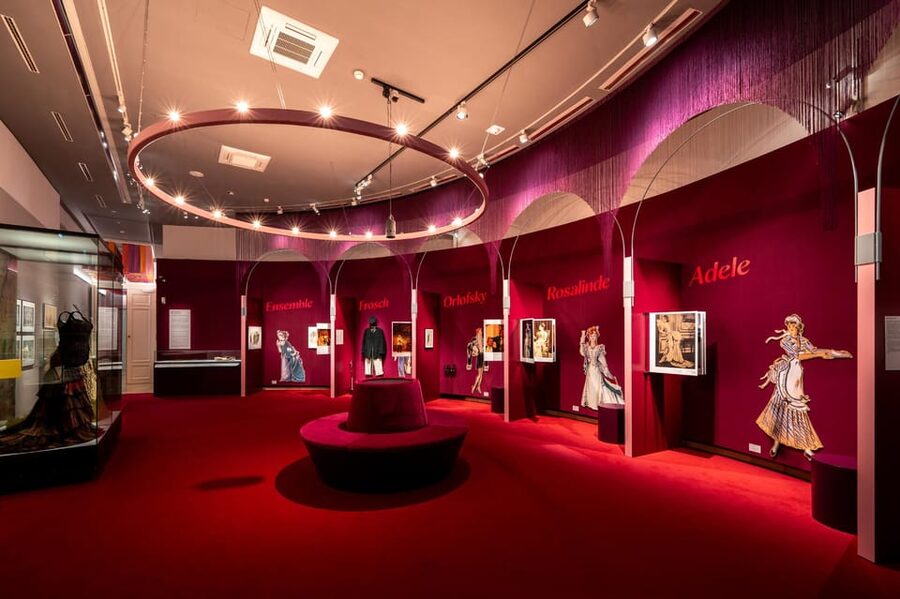
Johann Strauss comes alive in the very city that turned his waltzes into an international sensation. This exhibition at Vienna’s Theater Museum pairs original objects with music, films, scores, and personal details, including his family life, marriages, love affairs, and journey to Boston. The original score of Die Fledermaus is the star object.
I like the balance between music and personal story. You get more than a display of old papers: the exhibition shows how Strauss worked, performed, traveled, and became a public figure. I also like the Palais Lobkowitz setting, which gives the visit a strong connection to Vienna’s theater tradition.
The main drawback is that an audio guide is not included, and the presentation may not suit you if you want a fully guided museum tour. One practical detail matters: the music is not always synchronized with the films, which can make parts of the presentation feel less polished.
In This Review
- Key points to know before you go
- Why Johann Strauss belongs in Vienna’s Theater Museum
- Entering Palais Lobkowitz
- The original Die Fledermaus score
- Strauss’s dance and concert music
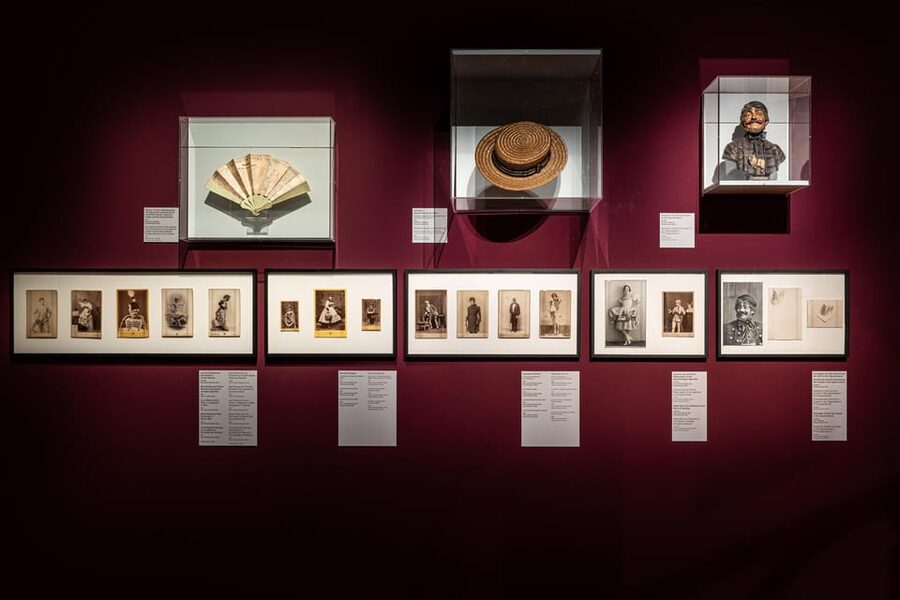
- Original performance objects and written material
- The personal story behind the Waltz King
- From Vienna to Boston
- How much time should you allow?
- Is $18 a fair price?
- Who will enjoy this exhibition most?
- Practical advice for a smoother visit
- Should you book the Johann Strauss exhibition?
- FAQ
- Where is the Johann Strauss anniversary exhibition?
- What does the ticket include?
- How much does admission cost?
- How long is the ticket valid?
- Is a starting time required?
- Is an audio guide included?
- Is the exhibition wheelchair accessible?
- Can I see the original score of Die Fledermaus?
- Does the exhibition include music?
- Can I cancel for a refund?
Key points to know before you go
- See the original Die Fledermaus score: This is the exhibition’s most important single object for many music lovers.
- Follow Strauss beyond Vienna: The show traces his international reach, including his world tour to Boston.
- Expect music with visual displays: Sound examples, films, original objects, and written material work together, though not every film and musical passage is synchronized.
- Learn about the man behind the waltzes: The exhibition covers his parents, brothers, three wives, and love affairs in Russia.
- Plan for a self-paced museum visit: Your ticket includes admission, but an audio guide is not included.
- Pay $18 for a full day of access: The price is sensible if you also want time with the wider Theater Museum in Palais Lobkowitz.
Why Johann Strauss belongs in Vienna’s Theater Museum
Vienna is often sold through grand palaces, coffeehouses, and classical concerts. Strauss connects all three ideas to the city’s popular culture. His music was not simply written for quiet listening. It was made for dancing, public celebration, theater, and spectacle.
That is what makes this exhibition useful even if you are not a dedicated Strauss fan. You can enter with only a passing knowledge of the Blue Danube and leave with a clearer picture of how a composer became a worldwide name.
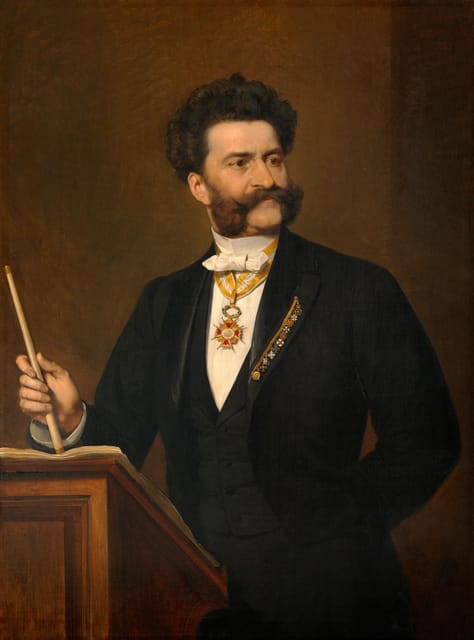
The show marks the 200th anniversary of Johann Strauss’s birth. Its focus is Johann Strauss Sohn, known as the Waltz King, rather than a general survey of Vienna’s entire musical past. The exhibition looks at his artistic output, with particular attention to dance music, concert music, and music theater.
I like that focus. A museum display about a famous composer can easily turn into a row of portraits and dates. Here, the aim is to show how the work functioned in its own time and why it still matters now.
More Mozart and Strauss evenings:
- Vienna: Mozart Concert at the Golden Hall
★ 4.6 · 3,986 reviews - Vienna: Classical Concert at Mozart’s First House
2,423 reviews - Vienna: Mozart and Strauss Concert at Schönbrunn
★ 4.5 · 2,364 reviews
Entering Palais Lobkowitz
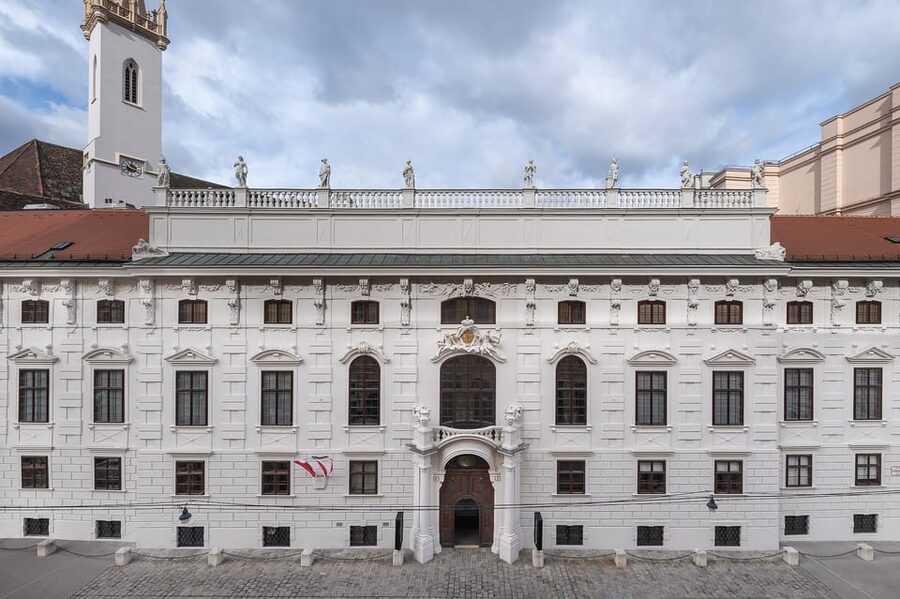
The exhibition is housed in the Theater Museum at Palais Lobkowitz. The building gives the visit a proper sense of occasion without requiring you to commit to a full evening at the opera or concert hall.
Your ticket includes admission to the museum and the Johann Strauss anniversary exhibition. The ticket is listed at $18 per person and is valid for one day. That makes it easier to fit into a Vienna sightseeing day, especially if you want a cultural stop that does not require a fixed performance schedule.
The palace setting also changes how the material feels. Strauss’s music was closely tied to public entertainment, but the objects themselves are often delicate and personal. Seeing them inside a historic theater museum helps connect the composer’s private working life with the public world of performance.
You should not expect a large concert or a live stage production. This is an exhibition visit. Its strength is the chance to look closely, listen at your own pace, and connect the objects to Strauss’s life and career.
The original Die Fledermaus score
The original score of Die Fledermaus is the clear centerpiece. This is the kind of object that rewards patience. You are looking at a direct link between Strauss’s creative process and one of his best-known works.
A score can seem quiet beside music and film, but the original document gives the exhibition weight. It is not only a reproduction or a decorative image. It is a piece of Strauss’s written legacy, preserved as a working connection to music theater.
If you already know Die Fledermaus, this object gives the operetta a physical form. If you do not know it, the surrounding music and displays can help you understand why the work belongs in a show about Strauss’s stage career.
I would give this section more time than a quick photograph. Look at the notation, the pages, and the way the score is presented. The exhibition’s larger point is that Strauss was not only a composer of familiar melodies. He was also a theater professional whose work depended on structure, timing, performance, and audience response.
Strauss’s dance and concert music
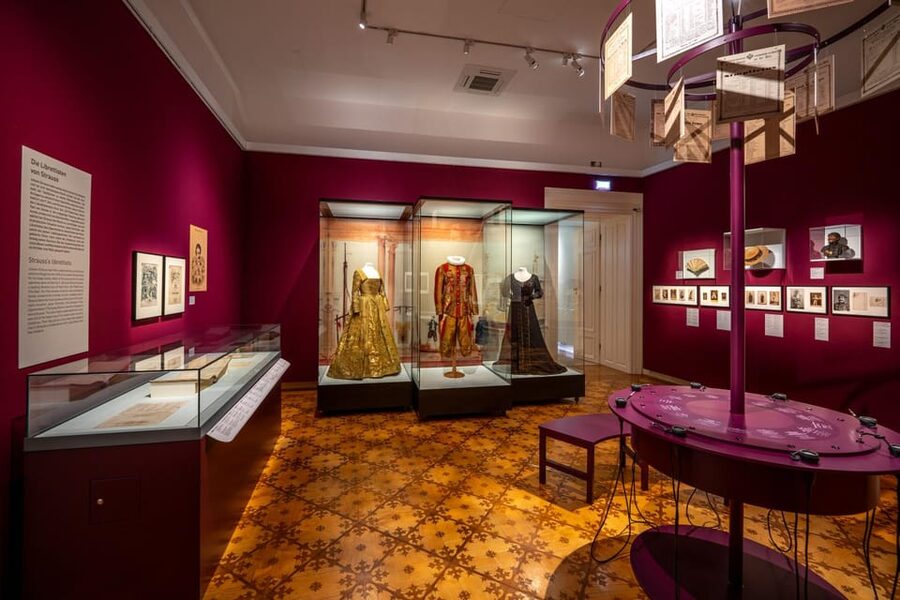
The exhibition also focuses on the dance and concert music that made Strauss famous across the world. This matters because waltzes can seem effortless when you hear them in a concert hall. The display helps place them in the larger setting of Viennese entertainment and international performance.
Music examples give you a chance to hear the subject rather than only read about him. That is a real benefit. A display about a composer needs sound, and this one makes lively use of it.
The musical selections also make the visit accessible to mixed groups. You can read about Strauss while a companion listens, or pause at a familiar melody and connect it with the objects around you. I would not rush this part, even if you came mainly for Die Fledermaus.
There is one technical weakness to keep in mind. The films and music examples are not always synchronized. When an image and its soundtrack fail to match, the effect can be distracting. It does not ruin the exhibition, but it can interrupt the flow, especially if you expect a polished audiovisual presentation.
More museums in Vienna:
- Vienna: Skip-the-Line Sisi Museum, Hofburg and Gardens Tour
★ 4.8 · 5,918 reviews - Vienna Kunsthistorisches Museum Day Admission Ticket
★ 4.6 · 3,690 reviews - Tickets for the Albertina Exhibitions
★ 4.7 · 2,126 reviews - Vienna: Chocolate Workshop in Chocolate Museum w/ Tasting
★ 4.5 · 1,802 reviews
Original performance objects and written material
Original objects from performances help show how Strauss’s music moved from paper to stage and public event. The exact range of objects can vary in how much they appeal to you, but the basic value is clear: you are seeing material linked to real productions and performances, not only later commentary.
The exhibition also uses material from Strauss’s written legacy. This gives you a different view of the composer. Public music often creates a public image, while letters, papers, and related documents can show the work and pressures behind it.
The display places these objects in historical and political context. That is important in Vienna, where music and public life have long been closely connected. Strauss’s success did not happen in isolation. His career developed within a changing society, a busy entertainment industry, and an era when European composers could build international reputations through tours and public performances.
For you, the practical lesson is simple: do not treat the written documents as filler between famous melodies. They explain how the music was produced, promoted, and remembered.
The personal story behind the Waltz King
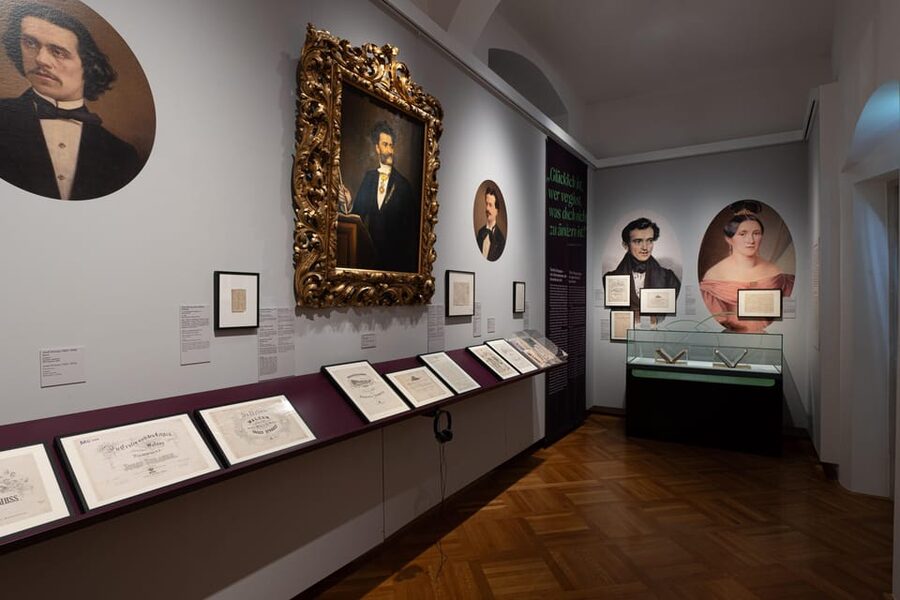
Strauss’s family and relationships are part of the exhibition. You learn about his parents, his brothers, three wives, and love affairs in Russia. This personal material gives the show a human angle, but it also needs to be read with some care.
The family story helps explain the musical world Strauss came from and the expectations placed on him. His relationships and love affairs show that the Waltz King was also a complicated public figure with a demanding personal life.
I appreciate the decision to include this side of Strauss because a purely celebratory exhibition could make him seem like a polished statue. His life was grueling, and the display addresses that rather than presenting only elegant music and glamorous success.
At the same time, the personal details should not overshadow the music. You are not visiting a gossip exhibition. These parts work best when they help you understand the person who created the music, the pressures around his career, and the public identity he carried.
From Vienna to Boston
One of the more unusual sections follows Strauss’s world tour to Boston. This gives the exhibition a welcome international reach.
Strauss is strongly associated with Vienna, but his music became a global sensation. The Boston material shows how far that reach extended and how the Strauss name traveled beyond the city that made him famous.
I find this especially useful for understanding the difference between local popularity and international celebrity. Vienna supplied the cultural setting, but Strauss’s audiences were not limited to Austria. His music crossed borders, languages, and social settings.
This section also gives you a way to think about performance in the nineteenth century. A world tour required more than composing a successful waltz. It involved travel, organization, publicity, musicians, venues, and a public eager to hear the music in person.
You might find the Boston material more surprising than the familiar Viennese references. It helps keep the exhibition from becoming only a celebration of local tradition.
How much time should you allow?
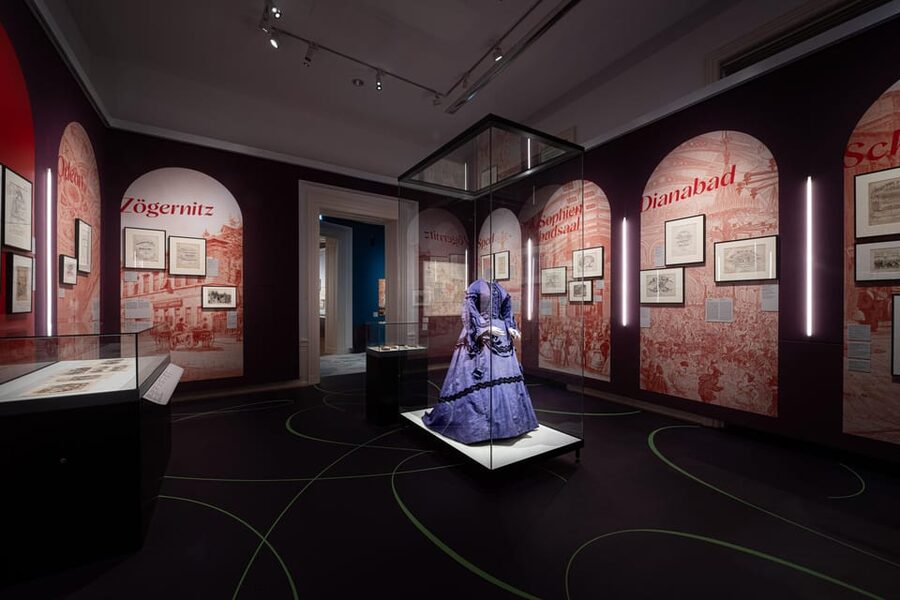
The ticket is valid for one day, and starting times depend on availability. The information provided does not specify a fixed exhibition length, so I would treat this as a flexible museum visit rather than a timed performance.
You can make it a short stop if you mainly want to see the original score and hear a few music examples. You can also spend longer with the family material, written documents, performance objects, films, and international sections.
That flexibility is part of the value. You do not have to build an entire evening around it. A one-day ticket lets you fit the museum into your schedule, subject to the available entry time.
Because the audio guide is not included, your pace will depend on how much reading you want to do. If you prefer spoken explanation, check the ticket details before booking so you know exactly what is and is not provided. The exhibition itself supplies music and visual material, but it is not described as a guided tour with a named guide.
Is $18 a fair price?
At $18 per person, this is a reasonable buy for a focused exhibition in a historic museum. The value is strongest if you have an interest in Strauss, classical music, theater, or Vienna’s cultural life.
The ticket includes both the Theater Museum in Palais Lobkowitz and the Johann Strauss anniversary exhibition. You are not paying only to glance at one display case. The wider museum setting adds context and gives you more reason to allow time for the visit.
The price is less attractive if you want a concert experience. You will hear music examples, but this ticket does not include a live performance. It also does not include an audio guide, so you should not expect a fully narrated tour at this price.
For a visitor already planning to see a Vienna concert, this exhibition works well as a daytime companion. It explains the composer and his era, while the concert gives the music its full sound. For a casual museum visitor, $18 is still fair if you enjoy exhibitions that mix documents, objects, sound, and personal stories.
Who will enjoy this exhibition most?
I would recommend it first to anyone who already loves Strauss or wants to understand why his music became so closely linked with Vienna.
It also suits:
- Visitors who enjoy music history but do not want a long academic lecture.
- People interested in theater, operetta, and original performance material.
- Families or mixed-interest groups who can move through the displays at different speeds.
- Anyone looking for a cultural visit that fits into a flexible daytime schedule.
- Fans of Die Fledermaus who want to see the original score.
- Repeat visitors to Vienna who want a different view of the city’s musical identity.
You may enjoy it less if you want a large collection of paintings, a live orchestra, or a guide explaining every room. The exhibition’s format asks you to read, listen, and make connections for yourself.
Practical advice for a smoother visit
Check the available starting times before you book. The ticket is valid for one day, but entry timing still depends on availability.
Allow extra time if the original Die Fledermaus score is your main reason for going. It is easy to underestimate how long you will want to spend with the written material and performance objects once you begin comparing them with the music.
If you are sensitive to audiovisual problems, keep your expectations realistic. The music examples are useful and lively, but the sound is not always synchronized with the films. Treat those displays as separate pieces of the presentation rather than expecting a perfectly timed multimedia show.
The venue is wheelchair accessible. Free cancellation is available up to 24 hours before the scheduled experience, and you can reserve now and pay later, which is useful when your Vienna plans are still shifting.
Should you book the Johann Strauss exhibition?
Book it if you want Strauss’s music placed in context, not simply played in the background. The original Die Fledermaus score, performance objects, written material, personal story, and Boston connection give you several ways into his career.
I would especially choose it before or after a classical concert in Vienna. The exhibition helps you recognize the composer as a working artist, theater figure, and international celebrity rather than only the name attached to a famous waltz.
Skip it if your schedule is packed and you are looking only for a live musical event. The imperfect synchronization between films and music may also bother you if presentation quality matters more than the documents themselves.
For $18, the visit offers a solid cultural stop in Palais Lobkowitz. It is focused, flexible, wheelchair accessible, and strongest when you take time with the original objects. If Strauss is part of the reason you came to Vienna, this is an easy choice.
FAQ
Where is the Johann Strauss anniversary exhibition?
The exhibition is at the Theater Museum in Palais Lobkowitz in Vienna, Austria.
What does the ticket include?
The ticket includes admission to the Theater Museum in Palais Lobkowitz and a visit to the Johann Strauss anniversary exhibition.
How much does admission cost?
The listed price is $18 per person.
How long is the ticket valid?
The ticket is valid for one day.
Is a starting time required?
You should check availability for the starting times offered when you book.
Is an audio guide included?
No. An audio guide is not included with the ticket.
Is the exhibition wheelchair accessible?
Yes. The activity is wheelchair accessible.
Can I see the original score of Die Fledermaus?
Yes. The original score of Die Fledermaus is part of the exhibition.
Does the exhibition include music?
Yes. The exhibition includes lively music examples, along with films and original objects.
Can I cancel for a refund?
Yes. You can cancel up to 24 hours in advance for a full refund.
Just added around Vienna
- Private Tour from Vienna to Melk and Dürnstein★ 4.5 · 3 reviews
- Vienna Private Full Day Tour – Tickets to Schönbrunn & Lunch★ 5.0 · 3 reviews
- Private Salzburg Day Trip from Vienna★ 4.0 · 3 reviews
- Vienna: Entry Ticket Belvedere 21 & Contemporary Art★ 4.3 · 3 reviews
- Full-Day Private Trip from Vienna to Budapest★ 4.5 · 3 reviews
- Vienna by Night: Private Evening Food and Drink Tour★ 5.0 · 3 reviews
- 1.5 Hour Cinematic Style Portrait Photoshoot and Tour in Vienna★ 4.5 · 3 reviews
- Semi-Private Tour: Central Europe &Balkans from Vienna to Athens★ 5.0 · 3 reviews
Mozart & Strauss Concerts, compared.
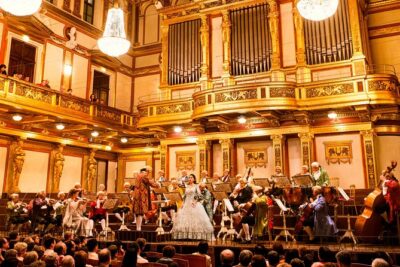
Vienna Mozart Concert in Historical Costumes at the Musikverein
Read our review →
Mozart & Strauss Classical Concert at Börse Palace
Read our review →
Browse the lists this tour appears in