
Reviewed · SCHöNBRUNN PALACE TOURS
Schönbrunn Palace and Gardens Tour
Schönbrunn is where Vienna’s imperial story becomes wonderfully concrete. You walk from formal gardens and the hilltop Gloriette into rooms used by Maria Theresa, Franz Joseph, and Elisabeth, then pause in the music room where six-year-old Mozart performed for the court. The palace is grand, but the family stories keep it human.
I like the small-group format, which lets guides such as Biljana, Katrina, Katarina, and Annelie adjust the pace and answer questions. I also like the mix of outdoor views and carefully explained rooms, including the Great Gallery, Millions Room, and Maria Theresa’s private spaces. The main caution is price: at $181.41 per person, you still pay separately for palace and park admission.
The gardens deserve more than a quick walk to the entrance. The tour can explain their design and the Gloriette, but one past weakness was uneven garden guiding, so ask clearly what you are seeing before the group moves indoors.
In This Review
- Key points to know before booking
- Why Schönbrunn is worth your Vienna time
- The gardens, Gloriette, and Maria Theresa’s public image
- Inside the palace: from public ceremony to private rooms
- Maria Theresa’s rooms and the famous Millions Room
- Mozart, memory, and the family stories
- How the small group changes the visit
- Price, timing, and what you actually receive
- Which guide style suits you best
- Who should book this Schönbrunn tour?
- Final verdict: a strong choice for context and personal attention
- FAQ
- How long does the Schönbrunn Palace and Gardens Tour last?
- Is palace admission included in the price?
- How large is the tour group?
- What departure times are available?
- Where does the tour start?
- Is hotel pickup and drop-off included?
Key points to know before booking
- Mozart’s music room: See the room linked with the six-year-old Mozart’s performance before royalty.
- Small group setting: The tour is promoted for groups of six, while the additional booking information gives a maximum of eight.
- Two departure choices: Select a 10am or 2pm start, with the experience lasting about two and a half to three hours.
- Admission costs extra: Your guide helps buy the Schönbrunn Palace and Park tickets, but they are not included in the listed price.
- Strong guide-led experience: The best part is the personal storytelling from historian guides such as Biljana, Katarina, Kristina, Selin, Stephan, and Wolfgang.
- Gardens and palace together: You get both the formal Baroque grounds and the Rococo interior, rather than only an indoor palace visit.
Why Schönbrunn is worth your Vienna time
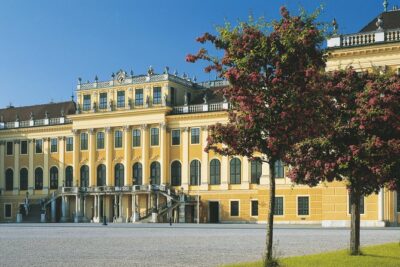
Schönbrunn was the Habsburg family’s summer residence and grew into a center of court life under Empress Maria Theresa, who ruled from 1740 to 1780. The setting was designed on a scale meant to rival Versailles, but the appeal is not just size or decoration.
The palace gives you a useful view of how an imperial family lived, worked, entertained, and managed appearances. Rooms that may blur together on a self-guided visit become easier to remember when you connect them to real people: Maria Theresa and her large family, Franz Joseph and his unhappy marriage, and Elisabeth, known as Sisi, who disliked court ritual.
I find a historian-led visit especially useful here because Schönbrunn contains several layers of Habsburg life. You are not simply looking at gilt decoration. You are seeing political theater in the Hall of Ceremonies, private routines in the imperial apartments, and the cultural ambitions of a dynasty that ruled for centuries.
The tour is offered in English and starts at Group Center Schönbrunn, near the palace at Schloss, 1130 Wien. It is close to public transportation, and most people can take part. Plan to arrive a little early, since the group meets before the selected 10am or 2pm departure.
More ways to see Schönbrunn:
- Vienna: Schönbrunn Palace & Gardens Skip-the-Line Tour
★ 4.7 · 7,739 reviews - Vienna: Skip-the-Line Schönbrunn Palace & Gardens Tour
★ 4.8 · 5,411 reviews - Vienna: Bus & Schönbrunn Palace Skip-the-Line Guided Tour
★ 4.3 · 2,802 reviews
The gardens, Gloriette, and Maria Theresa’s public image
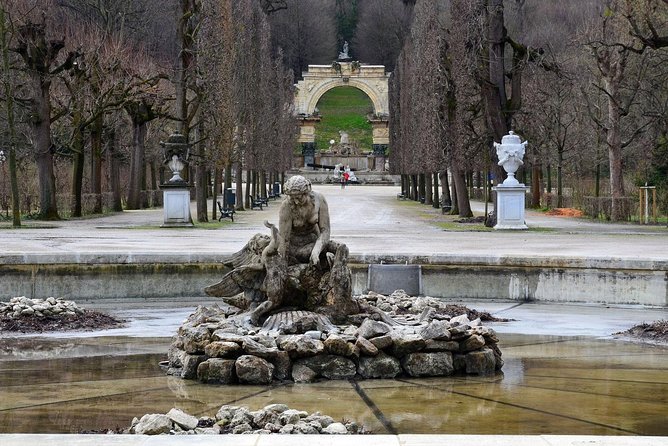
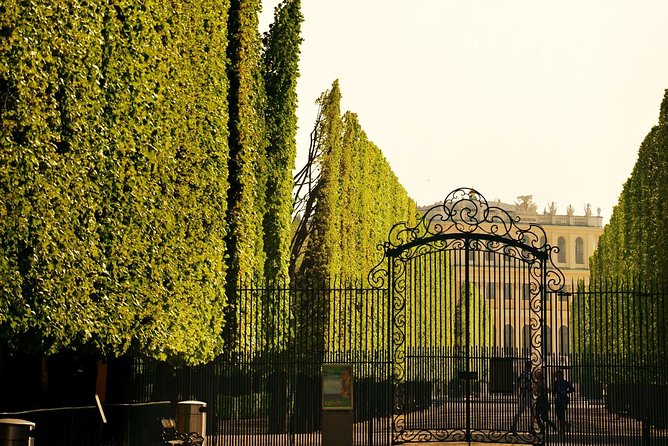
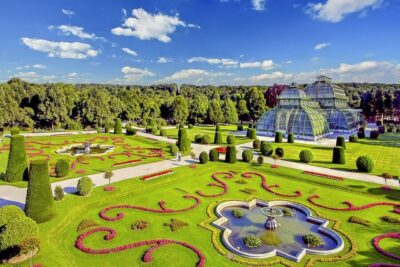
The outdoor section begins with the formal gardens. Their design follows the Baroque idea that nature and architecture should work together in a carefully controlled display. Straight paths, planted areas, fountains, and long views create a sense of order rather than a casual public park.
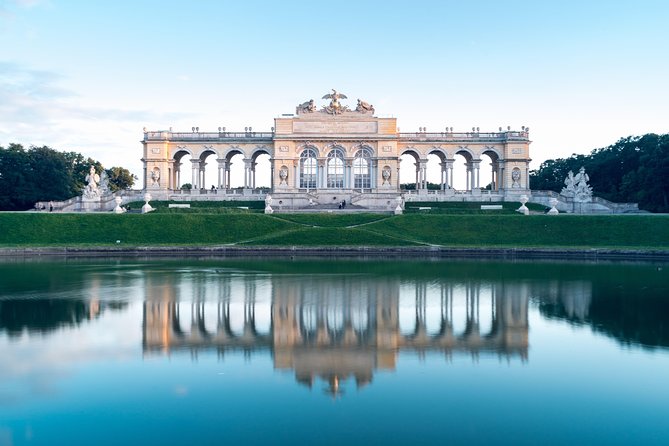
The walk toward the Gloriette is the visual high point. This large triumphal arch sits on a hill above the palace and looks toward Vienna’s wooded surroundings. The view helps explain Schönbrunn’s purpose: the court wanted a country retreat, but it also wanted a grand stage for imperial power.
Your guide connects the Gloriette with Maria Theresa’s military victories and the political strength of her reign. That context matters. The gardens were not merely decorative grounds for strolling. They helped present the Habsburg dynasty as powerful, cultured, and firmly in control.
A particularly interesting detail is that Maria Theresa opened the park to the public in 1779. This was a smart gesture toward her subjects. It let ordinary people see part of the imperial world while also presenting the monarchy as generous and approachable.
The garden portion is listed as about 30 minutes, so do not expect a full exploration of every path, fountain, and structure. The gardens are large, and a short guided walk can only introduce them. If the Gloriette view matters to you, listen carefully to the route and ask whether the walk reaches the hilltop.
The outdoor portion may also vary in feel with the season. In fall, the grounds can still be attractive, while winter brings cold weather and fewer flowers. One visitor chose not to continue through the gardens in winter, so bring suitable clothing if you book the colder departure season.
Inside the palace: from public ceremony to private rooms
The indoor portion takes you through the Rococo state rooms and apartments. The sequence gives you a sense of how the palace moved from formal public display to the more personal spaces of the imperial household.
The Great Gallery is built for spectacle. Its size and decoration reflect the need for grand receptions, court dances, and official gatherings. The Hall of Ceremonies continues that theme, with lavish decoration tied to major celebrations, including the wedding of Crown Prince Joseph.
The guide’s value is clear in rooms like these. Without explanation, you see ornament. With context, you begin to understand who needed to be impressed, how ceremonies worked, and why the palace devoted so much space to carefully managed public events.
The Yellow Salon and Franz Joseph’s private suite shift the mood. Franz Joseph married Elisabeth, the Bavarian princess later known as Sisi, in 1854. Their marriage and their different attitudes toward court life give the rooms a more personal angle.
Franz Joseph was tied closely to duty and routine, while Elisabeth disliked the formal world around her. As you move through the apartments, the luxury can feel less like comfort and more like a burden. Sisi’s dislike of these surroundings helps explain why the palace is not simply a story of royal pleasure.
The dining room adds another practical layer. It was used for state dinners, with precious tableware and the famous imperial napkins folded in a fleur-de-lis shape. Details like this show how even a meal at court became part of an elaborate system of rank and display.
Maria Theresa’s rooms and the famous Millions Room
Maria Theresa’s rooms offer some of the most memorable decoration in the palace. The so-called Porcelain Room served as her office and was decorated to imitate precious china, with drawings connected to the imperial children.
This is one of the places where the family story becomes unusually visible. The palace was home to a family with 16 children, though not all survived to adulthood. The rooms preserve a sense of childhood, illness, family pressure, and loss behind the official image of imperial success.
The Gobelin Salon and Feketin Room add further examples of Maria Theresa’s taste and the court’s appetite for expensive materials. Your guide may use photographs, maps, drawings, or extra images to make the rooms easier to understand. Annelie, for example, has been praised for using maps, drawings, and photos to add useful background.
The Millions Room is a major decorative highlight. Its name comes from the large price paid for its furnishings in gold ducats. Indo-Persian miniatures, Rococo frames, wall coverings, and carved rosewood from the Antilles combine to create an ornate meeting of Eastern and European design.
I would not rush this room. It is easy to focus only on the name and the glitter, but the details reveal the global reach of imperial collecting. The materials and artwork point to trade, wealth, fashion, and the way European courts used distant cultures as part of their own display.
A different side of Vienna on the same trip:
- Vienna: Vivaldi’s Four Seasons Concert in Karlskirche
★ 4.7 · 14,951 reviews - Vienna: Spanish Riding School Training
★ 3.9 · 9,281 reviews - Vienna: Skip-the-cashier-desk-line Giant Ferris Wheel Ride
★ 4.5 · 7,859 reviews - Vienna: Light of Creation Votive Church Immersive Light Show
★ 4.8 · 6,779 reviews
Mozart, memory, and the family stories
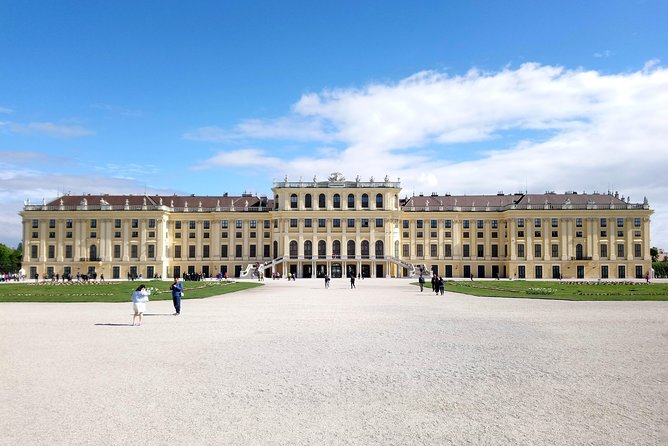
The music room connected with Mozart is one of the tour’s most appealing stops. The six-year-old Mozart performed there before royalty, giving the palace a direct link to Vienna’s musical identity.
The room matters because it turns a familiar name into a physical moment. You are not attending a concert, and the tour does not recreate the performance, but standing in the space helps place Mozart within the court culture that supported and displayed young talent.
Guides also add smaller stories that make the palace less formal. One guide has used tales about a conspiracy room, monkeys, miniature Mozart images, and daily court life. These details are useful when they support the larger story rather than replace it with gossip.
That balance is one of the tour’s strengths. The best guides explain dates and dynastic succession, then add personal stories about the people who occupied these rooms. Biljana has been praised for mixing historical facts, folklore, and royal gossip while keeping the group moving. Katarina has also been praised for making the Habsburg family and regional history easier to follow.
How the small group changes the visit
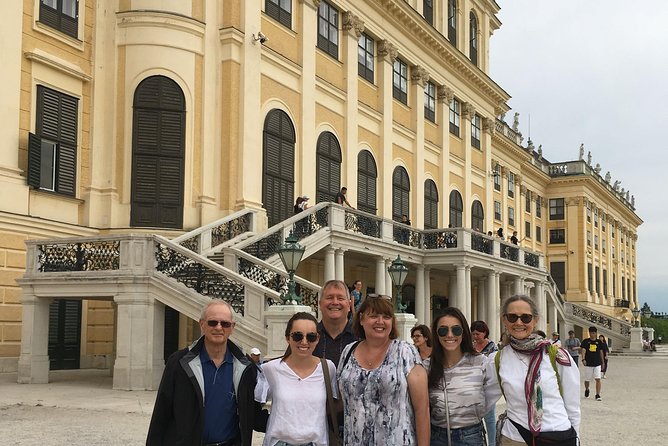
A small group can make a real difference inside a crowded palace. The advertised group size is six, though the additional information sets the maximum at eight. Either way, this is much more intimate than a large coach group.
You can ask about a particular room, slow down when a detail catches your eye, or request a clearer explanation without trying to get the guide’s attention across a crowd. Several guides have adjusted their pace for older participants, and the format works well for families too.
The tour is not a private visit by default. If fewer people book, it may feel almost private, but you should reserve it expecting a small shared group. The guide is the main reason to choose this option over an audio guide, especially if you want questions answered and the story shaped around your interests.
Hearing is worth considering. One person found it difficult to hear the guide inside the palace, even though the guide was friendly and tried to answer questions. If you have hearing difficulties, stay close to the guide and speak up early.
Price, timing, and what you actually receive
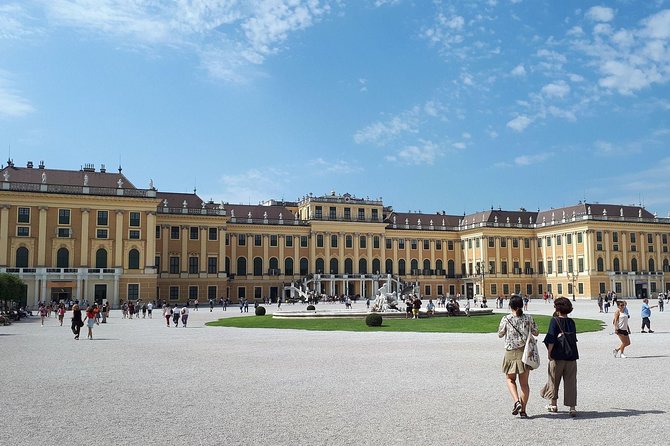
The listed price is $181.41 per person, which places this tour in the expensive category for a palace visit. The fee covers the guide, not the Schönbrunn Palace and Park admission ticket, and hotel pickup and drop-off are not included.
That makes the value depend on what you want from the visit. If you only need to see the rooms and can happily read labels or use an audio guide, the cost may be hard to justify. If you want a historian to explain the Habsburg family, connect the rooms to political events, and answer questions in a group of six to eight, the higher price buys personal attention.
The timing also needs a close look. The summary gives an approximate duration of two hours and 30 minutes, while the tour description calls it a three-hour experience and the itinerary allows 30 minutes for the gardens plus two hours and 30 minutes at the palace. I would keep roughly three hours free and avoid scheduling a tight appointment immediately afterward.
The tour ends inside the palace, leaving you free to continue on your own. That is useful because you can return to a favorite room, spend more time in the gardens, or stop at the cafe on the way out. The stated end point is back at the meeting point area, but the detailed description says the guided portion concludes inside the palace, so confirm the exact finish with your guide on the day.
Do not buy a separate palace ticket or rely on a Vienna Card arrangement without first following the tour instructions. The guide purchases the admission tickets for the reservation, and arranging them separately can lead to a later entry time and possibly make you miss the start of the tour.
Which guide style suits you best
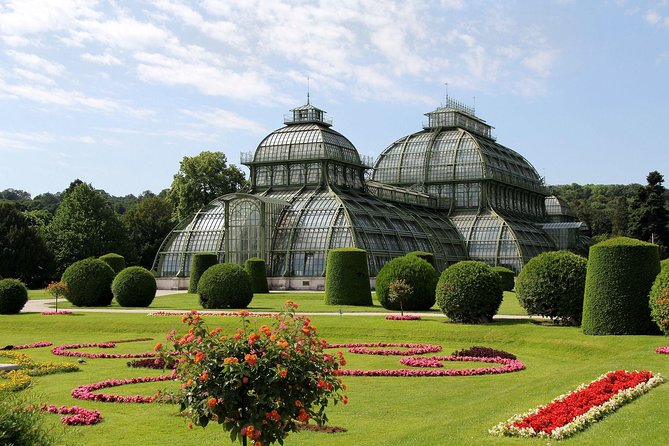
The provider uses several English-speaking guides, and the experience can vary slightly with the person leading it. Biljana is a strong choice if you like lively storytelling, folklore, and a steady pace. Katarina and Katrina have been praised for clear explanations and strong command of Habsburg history.
Kristina has focused on personal stories about the family and has also offered restaurant, dish, and sightseeing suggestions. Wolfgang has used extra historical material and even directed participants toward a local cafe. Stephan and Elisabeth have also been praised for friendly, engaging presentations.
You cannot necessarily select a specific guide, so book this for the format and subject rather than one individual. Still, the repeated praise for the guide team is important. The main product here is not transport or a special access gimmick. It is the quality of the explanation.
Who should book this Schönbrunn tour?
I would choose this tour if you want Schönbrunn to make sense as more than a pretty palace. It suits first-time Vienna visitors, history fans, families with older children, and anyone who prefers conversation to an audio recording.
It is also a good fit if you want both the gardens and interiors in one visit. The palace alone can feel like a parade of decorated rooms, while the garden walk gives you the wider setting and explains why the estate was built on such a grand scale.
I would think twice if you are watching every euro, dislike fixed group schedules, or mainly want unhurried garden time. The garden introduction is brief, admission costs extra, and winter visitors may find the outdoor section less appealing in cold weather.
Final verdict: a strong choice for context and personal attention
Schönbrunn is one of Vienna’s essential sights, and this tour adds the human detail that can be hard to find on your own. The music room linked with young Mozart, Maria Theresa’s family rooms, Sisi’s discomfort with court life, and the lavish Millions Room give the palace a memorable shape.
At $181.41 before admission, it is not a budget visit. I would book it when you value a small group and a historian guide, especially if you want to ask questions and leave with a clearer picture of the Habsburg world. If you do book, arrive early, follow the ticket instructions, allow three hours, and make sure the guide covers the garden route you care about.
FAQ
How long does the Schönbrunn Palace and Gardens Tour last?
The experience is described as approximately two hours and 30 minutes, while other tour details describe it as three hours. Allow about three hours in your schedule.
Is palace admission included in the price?
No. Schönbrunn Palace and Park admission is not included. The guide helps you purchase the entrance tickets.
How large is the tour group?
The tour is promoted as a small group limited to six people. The additional booking information lists a maximum of eight travelers.
What departure times are available?
You can choose between a 10am departure and a 2pm departure.
Where does the tour start?
The meeting point is Group Center Schönbrunn, Schloss, 1130 Wien, Austria. It is near public transportation.
Is hotel pickup and drop-off included?
No. Hotel pickup and drop-off are not included.
Just added around Vienna
- Private Tour from Vienna to Melk and Dürnstein★ 4.5 · 3 reviews
- Vienna: Johann Strauss 200th birthday anniversary exhibition★ 4.7 · 3 reviews
- Vienna Private Full Day Tour – Tickets to Schönbrunn & Lunch★ 5.0 · 3 reviews
- Private Salzburg Day Trip from Vienna★ 4.0 · 3 reviews
- Vienna: Entry Ticket Belvedere 21 & Contemporary Art★ 4.3 · 3 reviews
- Full-Day Private Trip from Vienna to Budapest★ 4.5 · 3 reviews
- Vienna by Night: Private Evening Food and Drink Tour★ 5.0 · 3 reviews
- Private Tour of Viennese Art in the Leopold Museum: Klimt, Schiele, Kokoschka★ 5.0 · 3 reviews
Schönbrunn Palace Tours, compared.
Schönbrunn Palace & Gardens Skip-the-Line Tour
Read our review →
Skip-the-Line Schönbrunn Palace & Gardens Tour
Read our review →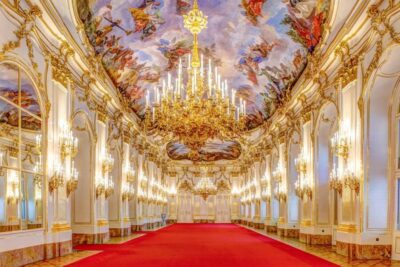
Bus & Schönbrunn Palace Skip-the-Line Guided Tour
Read our review →
Skip the Line Schönbrunn Palace and Gardens Guided Tour
Read our review →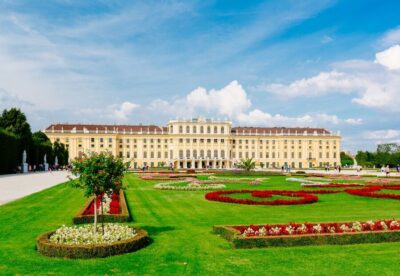
Schönbrunn Palace & Garden Skip-the-Line Guided Tour
Read our review →
Panorama Train Tickets to explore Schönbrunn Palace
Read our review →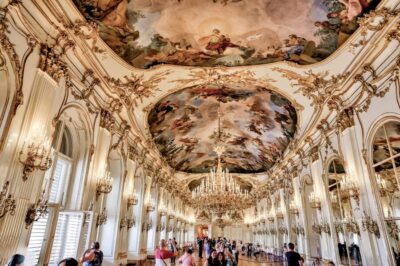
Skip-the-Line Schönbrunn Palace and Gardens Tour
Read our review →Browse the lists this tour appears in