
Reviewed · MUSEUMS
Sigmund Freud Museum Ticket
At Berggasse 19, you walk into the house where Sigmund Freud lived, treated patients, raised a family, and developed psychoanalysis. The museum does more than explain his theories. It shows the private man behind them, then follows his family’s forced departure from Vienna and the fate of those who could not escape.
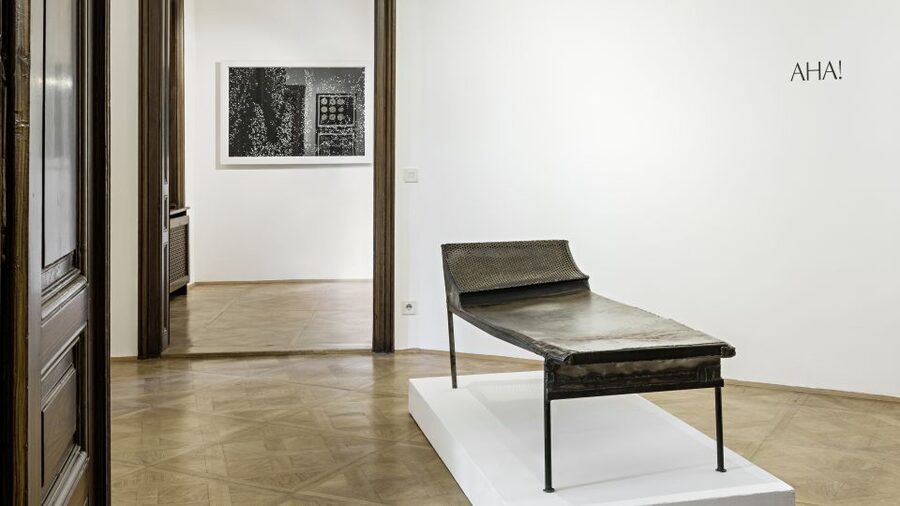
I like the actual voices of Sigmund and Anna Freud, and I like the family films from the 1930s. The AR installation places Freud’s famous couch back in its former room, at least virtually. The main drawback is that many original furnishings left with Freud in 1938, so visitors expecting a fully restored apartment may find the rooms spare.
In This Review
- Key points to know before visiting
- Entering Berggasse 19, Freud’s most famous address
- Freud’s practice and the making of psychoanalysis
- Hearing Sigmund and Anna Freud in their own voices
- Family films from the 1930s
- The staircase, Nazi persecution, and Freud’s flight
- Freud’s former office and contemporary art
- How long to stay and how to pace the visit
- Is the $18 admission good value?
- Who will get the most from Berggasse 19?
- Practical details for your visit
- Should you book the Sigmund Freud Museum ticket?
- FAQ
- Where is the Sigmund Freud Museum located?
- What does the ticket include?
- How long is the visit?
- Can I see Freud’s famous couch?
- Can I hear Sigmund Freud’s voice?
- Are children likely to enjoy the museum?
- Is the museum wheelchair accessible?
- What rules and booking conditions should I know?
Key points to know before visiting
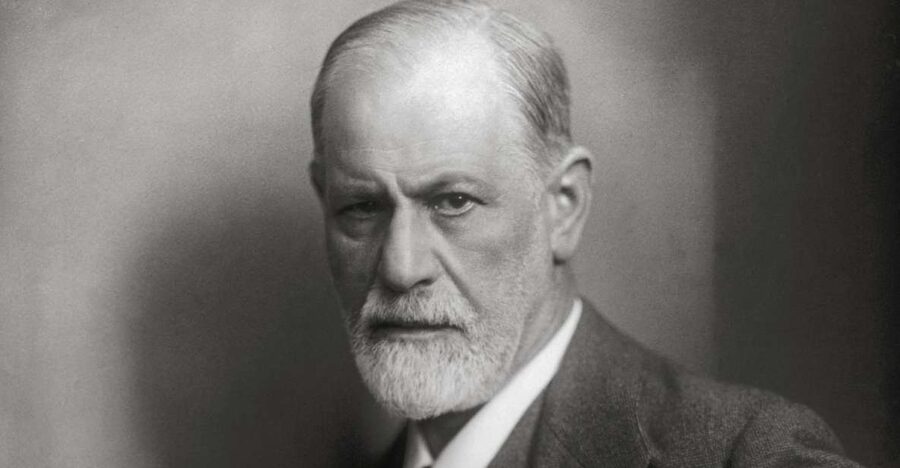
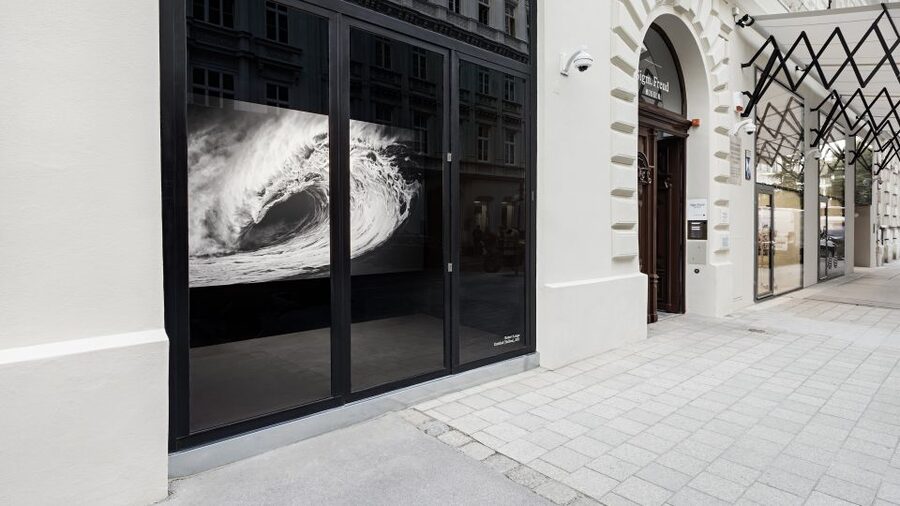
- Berggasse 19: Enter through the same doorway Freud and his patients used.
- More than a psychology museum: Exhibits cover Freud’s work, family, exile, and the Nazi persecution connected with the address.
- Rare personal material: Hear recordings of Sigmund and Anna Freud and watch unusual family films from the 1930s.
- The famous couch, recreated: Use your phone to activate the AR installation where the couch once stood.
- Allow 1.5 to 3 hours: A quick visit takes about an hour, but the text, films, and family story reward a slower pace.
- Easy practical visit: Admission is about $18, the museum is wheelchair accessible, and the ticket includes skip-the-ticket-line entry.
Entering Berggasse 19, Freud’s most famous address
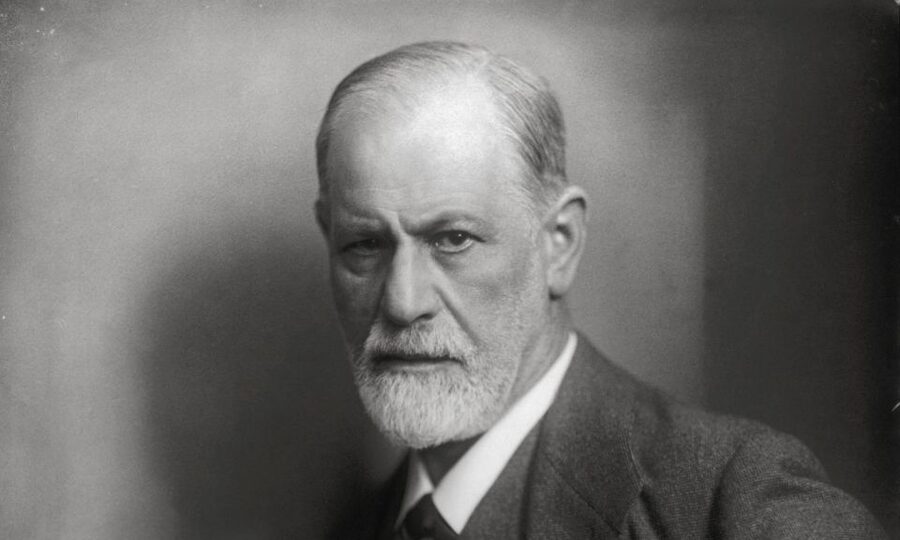
The museum begins with the address itself. Berggasse 19 was not simply Freud’s workplace. It was his home, his family’s daily setting, and the point from which patients entered the world of psychoanalysis.
You use the same main entrance Freud and his patients used. From there, historic stairs lead to the mezzanine where the Freud family lived. That small physical detail gives the visit a useful sense of place. You are not looking at an isolated display built somewhere else. You are moving through the building connected to Freud’s professional and family life.
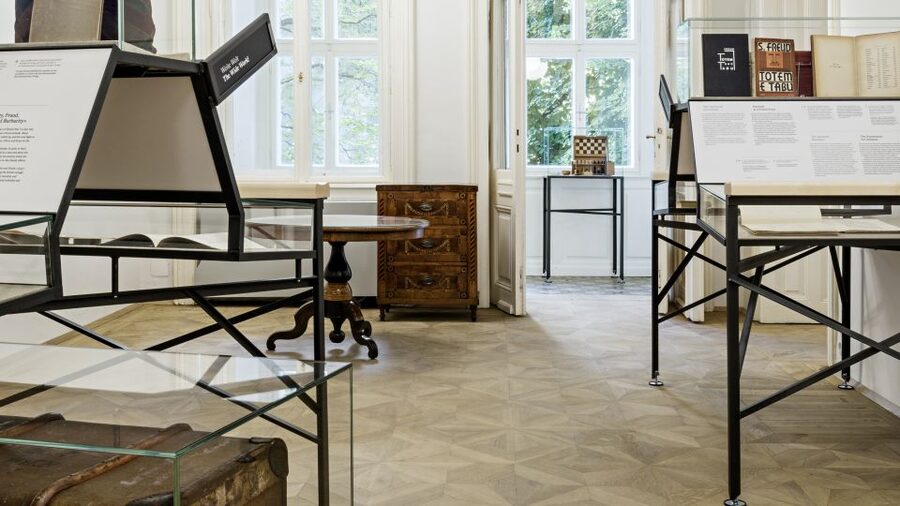
The museum covers the rooms where Freud lived and worked for decades. The rooms are not dressed as a perfect period apartment, and that is important to understand before you arrive. Freud took much of the household and professional furniture with him when he fled Vienna for London. The famous couch is not physically here.
That absence is part of the story, not simply a museum shortcoming. The building survived, but Freud’s departure changed what could be preserved. The museum explains this loss rather than pretending the rooms remain exactly as they were.
More museums in Vienna:
- Vienna: Skip-the-Line Sisi Museum, Hofburg and Gardens Tour
★ 4.8 · 5,918 reviews - Vienna Kunsthistorisches Museum Day Admission Ticket
★ 4.6 · 3,690 reviews - Tickets for the Albertina Exhibitions
★ 4.7 · 2,126 reviews
Freud’s practice and the making of psychoanalysis
The central appeal for anyone interested in psychology is the chance to connect Freud’s theories with the rooms where his medical and intellectual work took shape. Exhibits trace his professional stations, biographical details, and the development of psychoanalysis.
You will find rare first editions, special printings, offprints, and presentation copies. These materials help show how Freud’s ideas moved from private study and medical practice into published work that changed arguments about the mind.
I found the museum most useful when it connects the large ideas to ordinary facts of Freud’s life. The displays do not present only a grand thinker. They also show a husband, father, collector, correspondent, and member of a large family.
Several sections explain key developments in psychoanalysis in short summaries. These are helpful if your knowledge of Freud begins and ends with a few famous terms. If you already work in psychology or psychiatry, the visit offers a more personal setting for familiar ideas rather than a basic introduction alone.
The amount of reading varies from room to room. You can move through the museum in different orders, but the route is not always a strict chronology. One room may focus on Freud’s medical studies, while the next moves ahead to later work. If you want to follow his life in order, pay close attention to dates and captions instead of assuming the layout tells the whole story.
Hearing Sigmund and Anna Freud in their own voices
The audio material adds something no wall label can provide. You can hear recordings of Sigmund Freud and Anna Freud, bringing a human quality to people who can otherwise seem distant behind books, portraits, and theories.
The recordings are especially worthwhile for visitors interested in Freud as a person. Anna Freud’s presence also matters because the museum presents her not only as Freud’s daughter but as an important part of the family story and the intellectual world around Berggasse 19.
Audio exhibits can occasionally be unavailable, so do not make the recordings your only reason for visiting. Still, when working, they are among the museum’s most memorable features.
Family films from the 1930s
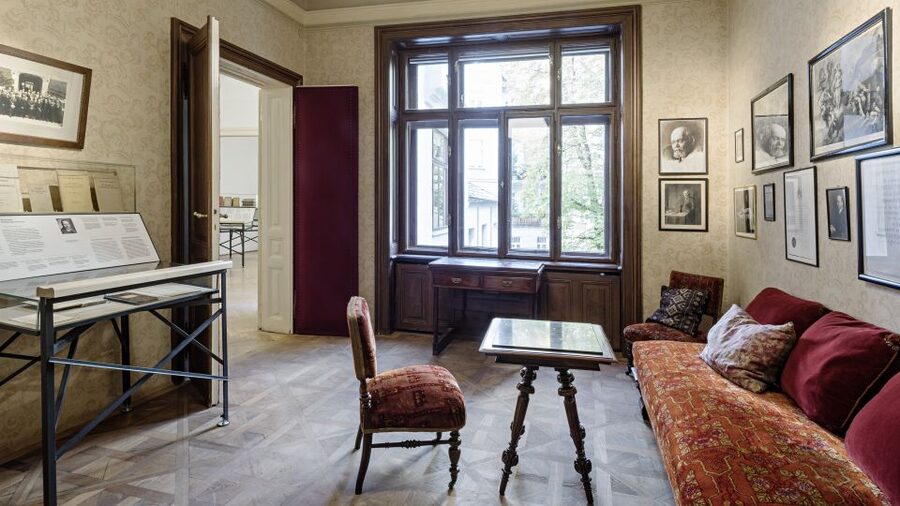
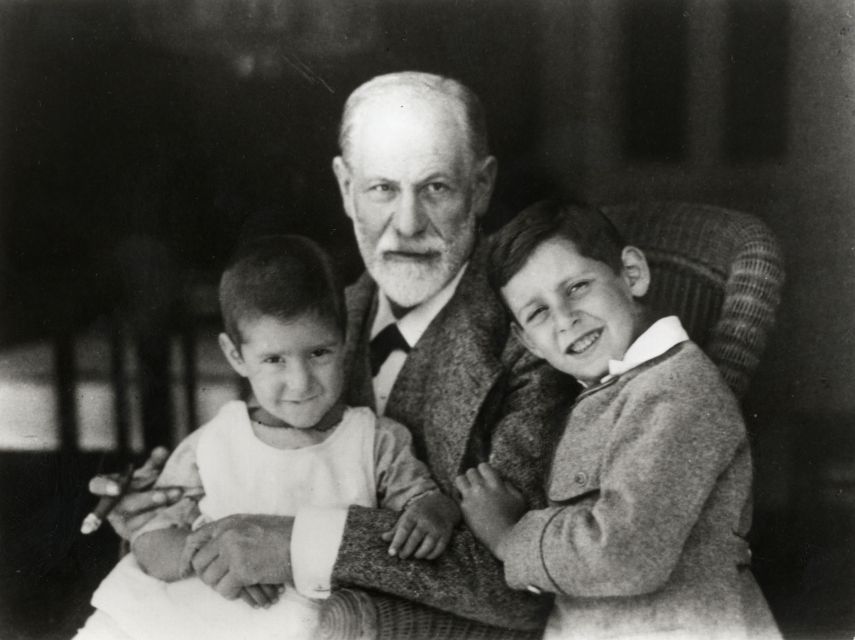
The rare Freud family films offer a view that books cannot. They show fragments of family life from the 1930s, before the family’s flight from Vienna, and help balance the museum’s focus on professional achievement.
This is where younger visitors may find a way into the story. One family found that an eight-year-old enjoyed searching for puzzle stickers hidden in the rooms, including clues connected with Freud’s dog. The museum is still text-heavy, but small interactive touches can help children stay involved.
For adults, the films do something more serious. They place Freud and his relatives in a specific time, before the political crisis that forced the family to leave. The private images make the later sections about exile and loss more affecting.
A few more Vienna tours worth weighing up
- Vienna: Classic Ensemble Vienna in St. Peter’s Church Ticket
★ 4.7 · 4,819 reviews - Vienna: Tickets for Mozarthaus Vienna with Audio Guide
★ 4.2 · 2,344 reviews - Vienna: Skip-the-Line Entrance Ticket to the Danube Tower
★ 4.5 · 2,303 reviews - Vienna: St. Stephen’s Cathedral & Dom Museum Wien Tickets
★ 4.5 · 1,652 reviews
The staircase, Nazi persecution, and Freud’s flight
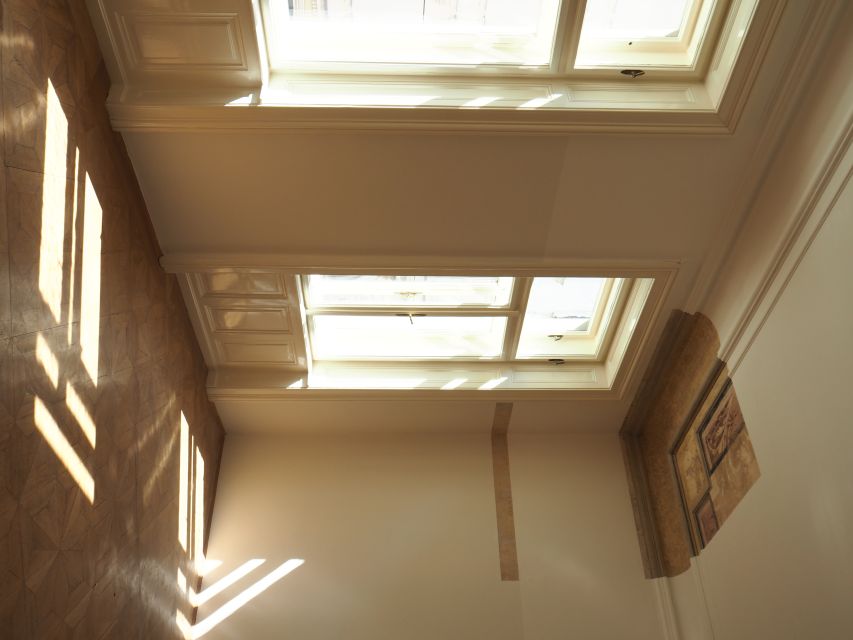
A newer staircase connects the museum’s floors and tells the history of the house and its occupants. It also covers the period after Freud was expelled from Vienna, when Berggasse 19 became tied to Nazi violence and the forced collection of Jewish people.
This part of the museum changes the tone of the visit. It is no longer only about the birth of psychoanalysis or the life of a famous intellectual. The address becomes a witness to what happened to Jewish residents after the Anschluss.
The gallery in the foyer focuses on Freud’s flight to London with close family members. It also follows the fate of his brother Alexander and his sisters Rosa, Marie, Pauline, and Adolfine. Freud and his immediate family escaped, while his elderly sisters were murdered in Nazi extermination camps.
You should allow time for this section. It is direct, painful, and essential to understanding the building’s full story. The museum does not treat Freud’s escape as a neat ending. His survival existed beside the destruction of other members of his family.
This historical material also explains why the museum cannot offer a simple recreation of Freud’s home. War, persecution, exile, and the hurried removal of belongings all shaped what remains.
Freud’s former office and contemporary art
Freud’s former office contains the permanent exhibition Hidden Thoughts of a Visual Nature. It presents selected conceptual works from the Sigmund Freud Museum’s collection, including artists such as John Baldessari, Joseph Kosuth, Susan Hiller, Franz West, and Haim Steinbach.
This modern art section may surprise you. It does not recreate Freud’s office in period style. Instead, it asks you to consider links between visual art, hidden meaning, interpretation, and the workings of the mind.
Some visitors will find this a welcome change from historical displays. Others may prefer more furniture, personal objects, or a closer reconstruction of the original rooms. I would treat the art as a separate layer of the museum, not as a substitute for the missing interior.
The museum’s approach is strongest when you understand that it is presenting Freud’s place, work, and legacy, rather than claiming to preserve every part of his former apartment.
How long to stay and how to pace the visit
The official ticket is valid for one day, but most people will use it for one continuous visit. Plan on about 1.5 hours for a careful first visit. If you read every caption, watch the films, listen to the recordings, and spend time with the family and Nazi-era sections, two to three hours is reasonable.
A quick hour can work if you mainly want to see the rooms and understand the basic outline. I would not rush the museum if Freud, psychology, Jewish history, or modern European history matters to you.
An 11 a.m. entry can be a useful choice because the museum may be quieter earlier in the day, with more visitors arriving later. Opening hours can change, so check the current schedule before setting out.
The rooms can feel poorly lit, particularly where you are reading detailed captions. On hot days, the interior may also feel warm. Comfortable clothing helps, especially if you expect to stay for several hours.
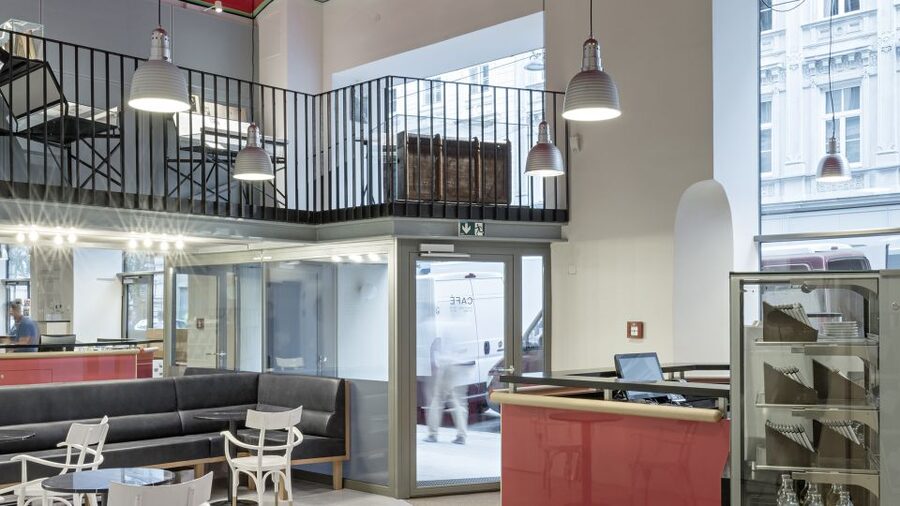
The museum has lockers for luggage and a restroom. Its café gives you a pleasant place to pause afterward, with Viennese coffee and cake, or Viennese wine. The bookshop is particularly useful if you want to continue reading about Freud, psychoanalysis, or the family after leaving. It leans more toward books than general souvenirs.
Is the $18 admission good value?
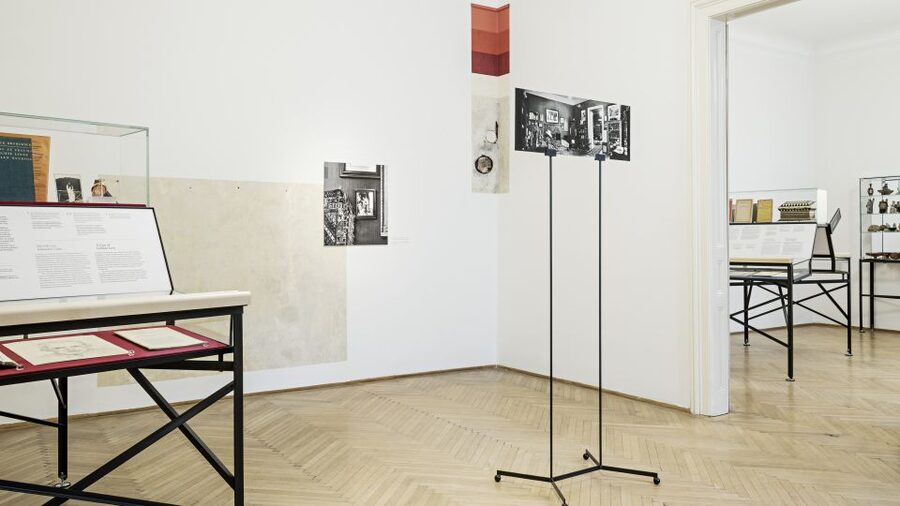
At about $18 per person, the ticket is not the cheapest short museum stop in Vienna. The value depends on how you use it.
If you spend only 45 minutes looking at the rooms, the price may feel high. One visitor felt the museum’s fee was steep for the size of the former residence. The sparse rooms can reinforce that impression if you arrive expecting a furnished historic house.
For me, the admission makes more sense when you count the whole experience: the practice, family rooms, rare printed material, audio recordings, 1930s films, AR installation, contemporary art, exile story, and Nazi-era history. You are paying for an interpretive museum built around a difficult and incomplete historic site, not for a room-by-room period reconstruction.
The ticket also includes skip-the-ticket-line entry, and the museum is wheelchair accessible. Free cancellation up to 24 hours before the visit and reserve-now, pay-later booking make it easier to fit into a changing Vienna schedule.
Who will get the most from Berggasse 19?
You should put this museum high on your list if you study or practice psychology, psychiatry, counseling, or social work. The chance to see Freud’s practice and hear the family’s voices gives the visit a personal force that a book or lecture cannot quite reproduce.
It also suits anyone interested in Vienna around the turn of the 20th century, Jewish history, exile, or the history of ideas. You do not need to agree with Freud’s theories to find the museum worthwhile. The exhibits present the man and his influence, while leaving room for questions about his work.
Families can visit, but younger children may not enjoy the amount of reading. The puzzle stickers and films provide useful points of interest, yet this remains a serious museum rather than a hands-on children’s attraction.
If your main goal is to see Freud’s original couch, lower your expectations. The couch is represented through the AR installation, not displayed as the actual piece of furniture. Use your phone in the former location to learn where it went and to picture the room differently.
Practical details for your visit
Present your ticket voucher at the main entrance of the Sigmund Freud Museum. The admission is valid for one day, and the museum is wheelchair accessible.
Flash photography is not allowed. Opening hours may change, so check them before you go.
The museum is easy to combine with other Vienna sightseeing because it is in a central city setting and public transport serves the area. One visitor noted a tram stop about four minutes away and a direct connection toward Vienna Central Station.
If you want the calmest experience, go earlier in the day. If you need to store luggage, the lockers are useful. Save the café and shop for the end, since the coffee, cake, wine, and Freud-related books offer a natural finish.
Should you book the Sigmund Freud Museum ticket?
Book it if you want more than a quick photo at a famous address. The museum gives you Freud’s rooms, professional story, family life, recorded voice, rare films, and the painful history of his exile in one visit.
Skip it if you expect original furniture throughout or want a fully staged apartment. Much of what made the rooms personal left with Freud, and the dim lighting and heavy reading may test your patience.
For psychology fans, historians, and visitors curious about how private lives meet major events, the $18 ticket is a sound choice. Go early, allow at least 1.5 hours, and approach the museum as a story about ideas, family, escape, and loss, not just a shrine to one famous thinker.
FAQ
Where is the Sigmund Freud Museum located?
The museum is at Berggasse 19 in Vienna, Austria. This is the address where Sigmund Freud lived and worked.
What does the ticket include?
The ticket includes admission to the Sigmund Freud Museum. It also provides skip-the-ticket-line entry.
How long is the visit?
The ticket is valid for one day. A visit can take about 1.5 hours, while visitors who read the displays carefully and watch the films may stay for up to three hours.
Can I see Freud’s famous couch?
The original couch is not in the museum. You can use your phone to activate the AR installation Freud’s Couch in the place where the couch once stood.
Can I hear Sigmund Freud’s voice?
Yes. The museum includes recordings of Sigmund Freud and Anna Freud.
Are children likely to enjoy the museum?
The museum is text-heavy, but it includes family films from the 1930s and puzzle stickers hidden in the rooms. These features can help younger children stay engaged.
Is the museum wheelchair accessible?
Yes, the museum is wheelchair accessible.
What rules and booking conditions should I know?
Flash photography is not allowed. Opening hours can change. You can cancel up to 24 hours in advance for a full refund, and reserve-now, pay-later booking is available.
Just added around Vienna
- Vienna: Johann Strauss 200th birthday anniversary exhibition★ 4.7 · 3 reviews
- Vienna Private Full Day Tour – Tickets to Schönbrunn & Lunch★ 5.0 · 3 reviews
- Private Tour from Vienna to Melk and Dürnstein★ 4.5 · 3 reviews
- Private Salzburg Day Trip from Vienna★ 4.0 · 3 reviews
- Vienna: Entry Ticket Belvedere 21 & Contemporary Art★ 4.3 · 3 reviews
- Full-Day Private Trip from Vienna to Budapest★ 4.5 · 3 reviews
- Vienna by Night: Private Evening Food and Drink Tour★ 5.0 · 3 reviews
- 1.5 Hour Cinematic Style Portrait Photoshoot and Tour in Vienna★ 4.5 · 3 reviews
Museums, compared.

Skip-the-Line Sisi Museum, Hofburg and Gardens Tour
Read our review →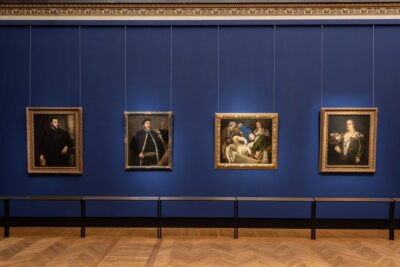
Vienna Kunsthistorisches Museum Day Admission Ticket
Read our review →

Chocolate Workshop in Chocolate Museum w/ Tasting
Read our review →
St. Stephen’s Cathedral & Dom Museum Wien Tickets
Read our review →

Browse the lists this tour appears in