
Reviewed · DESSERT TOURS
Vienna: Chocolate Workshop in Chocolate Museum w/ Tasting
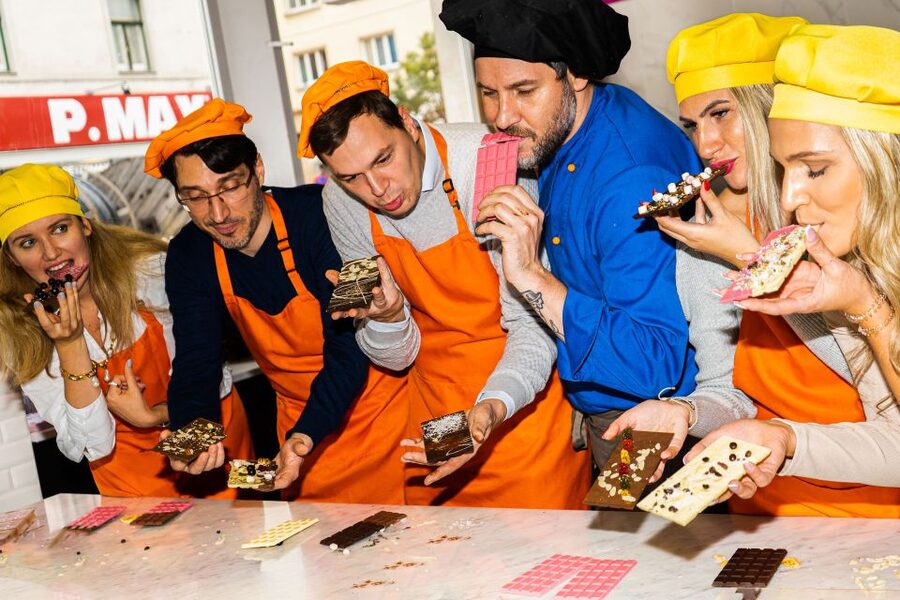
Vienna’s Chocolate Museum workshop gets straight to the good part: you make three full-size chocolate bars and decorate them with toppings of your choice. You also prepare an Aztec-style hot chocolate using traditional tools, then take your creations home. I like the hands-on format and the friendly, patient instructors, including guides such as Janya, Dimi, Deme, Tania, and Selma. The main drawback is that the museum itself is small, and the workshop does not show chocolate being made from cacao bean to finished bar.
I especially like the way the staff make this work for both children and adults, and the fact that the $55 price includes tastings, snacks, museum admission, a certificate, and three large bars per person. Plan for a fairly compact visit: the workshop takes about 60 minutes, the museum about 15 minutes, and the total booking lasts roughly 90 minutes.
In This Review
- Five things to know before booking
- Making three chocolate bars in Vienna
- What the professional tempering machine adds
- The Aztec hot chocolate tasting
- The Chocolate Museum’s small interactive displays
- The instructors make the difference
- What the $55 price includes
- A practical visit from Pilgramgasse
- What to expect from the chocolate
- Who will enjoy this workshop most
- Booking details worth knowing
- Should you book the Chocolate Museum workshop?
- FAQ
- How long does the Chocolate Museum Vienna workshop last?
- What do I make during the workshop?
- Can I take the chocolate bars home?
- Do I need previous cooking experience?
- Do I get to use a tempering machine?
- Is the workshop suitable for children?
- What languages are available?
- Is museum admission included?
- Where is the meeting point?
- Can I cancel my booking?
Five things to know before booking
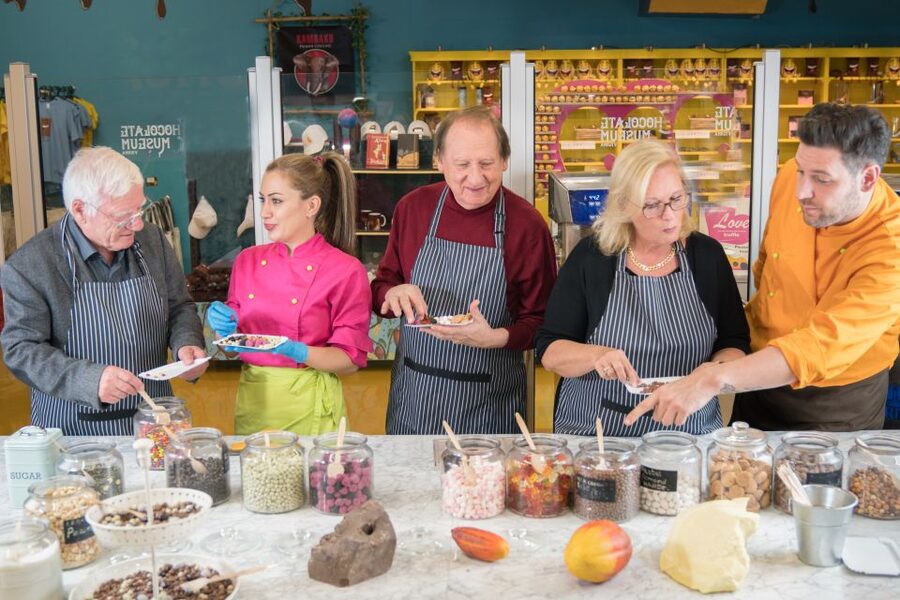
- Three handmade bars per person: Choose from chocolate types and add toppings such as granola and gummy bears.
- A real tempering machine: You work with professional equipment, though the class does not teach home tempering.
- Aztec-style hot chocolate: Prepare and taste the original Xocolate using cocoa, sugar, milk powder, and traditional tools.
- A small but playful museum: Expect interactive displays and photo opportunities rather than a large, in-depth museum.
- Easy public transport: Pilgramgasse U-Bahn station is about a three-minute walk away, with buses stopping directly outside.
Making three chocolate bars in Vienna
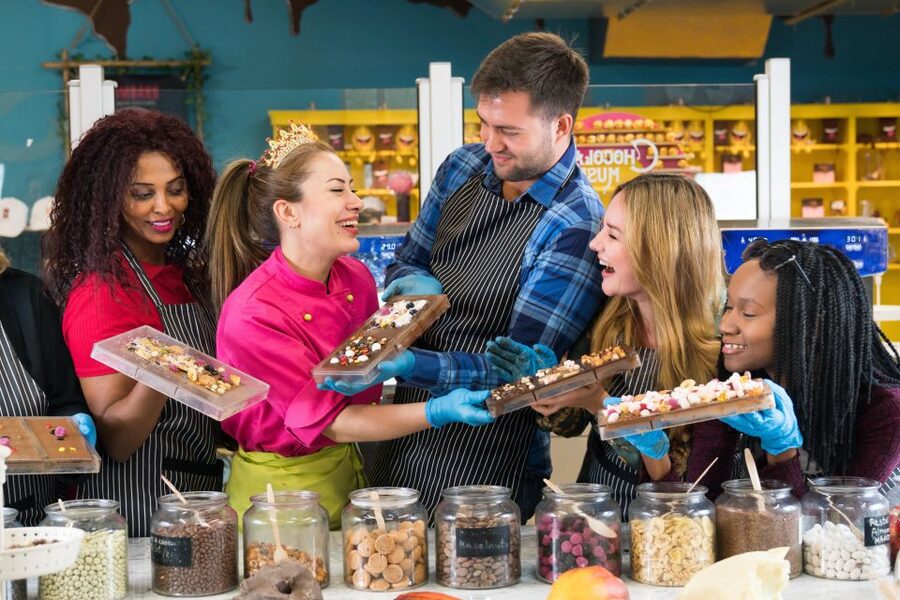
The workshop is built around participation, not simply watching a chocolatier work. After a short introduction, the instructor explains the main types of chocolate and gives you a tasting of different varieties. You then use moulds, pour the chocolate, spread it into place, and decorate each bar.
That sounds simple. It is simple, but not quite as effortless as it looks. Getting the chocolate evenly distributed in the mould takes a bit of care, and the hands-on work gives the class its charm. You are not just standing at a counter while someone else produces a finished sweet. You make decisions, handle the ingredients, and leave with the results.
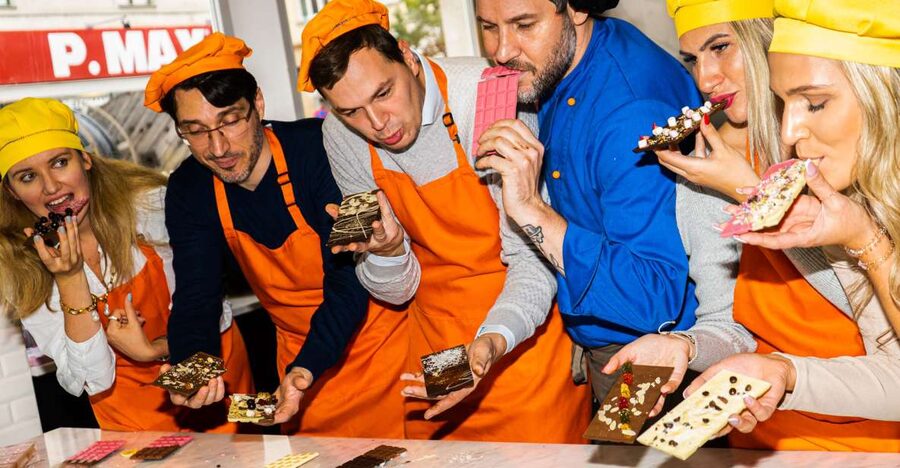
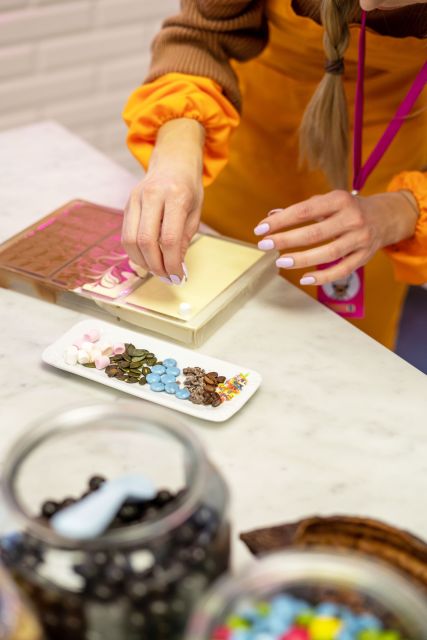
You can generally choose among dark, milk, white, and pink chocolate. The available toppings vary, but the selection has included granola, gummy bears, and other ingredients. This is where the experience becomes personal. One person can make a fairly restrained bar, while another can pile on colorful sweets and create something closer to a candy-shop masterpiece.
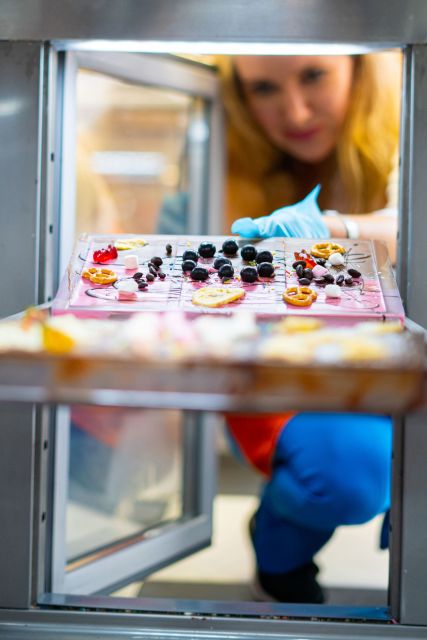
Once decorated, the bars are cooled so they can set. The finished pieces are yours to take home. They are substantial souvenirs, not just a single bite-sized sample, which makes a real difference when considering the price.
More cake and pastry stops in Vienna:
- Vienna Coffee, Cake & Pastries Tour with Local Stories
★ 5.0 · 470 reviews - Chocolate workshop in Chocolate Museum Vienna “BO-YO”
★ 4.5 · 352 reviews - Vienna: 2.5-Hour Viennese Coffee, Cake, and Chocolate Tour
★ 4.6 · 44 reviews
What the professional tempering machine adds
The workshop gives you access to a professional chocolate tempering machine. You get to see how chocolatiers manage melted chocolate and use the equipment as part of the bar-making process.
That is a fun detail, especially if you enjoy food demonstrations or want more than a basic decorate-and-eat activity. It gives you a glimpse of the technical side of chocolate production. Still, keep your expectations in check. The class does not teach you how to temper chocolate at home, and it does not turn cacao beans into chocolate from scratch.
This distinction matters. If you want a serious pastry lesson or a bean-to-bar production tour, this is not that experience. It is a relaxed introduction to chocolate handling, tasting, decorating, and presentation. You get enough technique to appreciate the work, without spending the afternoon on temperature charts and specialist equipment.
The instructors guide you through every stage, and no previous cooking experience is needed. That makes the workshop easy to join even if you usually avoid cooking classes. Children can take part in the process, though anyone under ten must have a ticketed adult with them.
The Aztec hot chocolate tasting
The second major activity is making hot chocolate in the traditional Aztec style. This is not simply a cup poured from a machine at the end of the class.
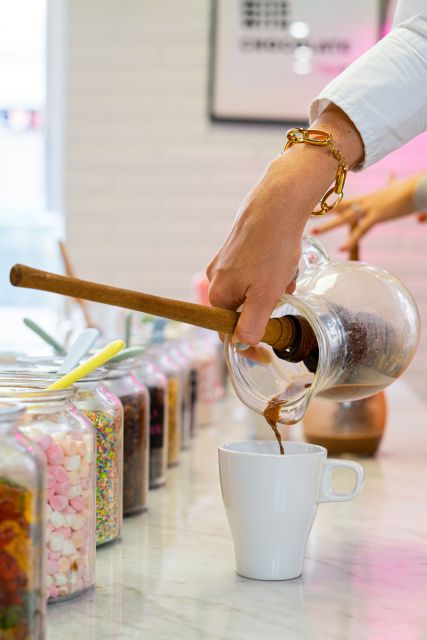
You work with cocoa, sugar, and milk powder, using ancient tools and a recipe based on the original Xocolate. The instructor explains the process, then you prepare the drink and taste it. The result is described as rich and very chocolatey, with a flavor that many people find more interesting than ordinary café hot chocolate.
This part gives the workshop some historical depth without turning it into a lecture. You learn how chocolate was consumed before the modern sweetened bar became the norm. The class also covers the seven steps of chocolate consumption, which helps you pay attention to smell, texture, flavor, and finish rather than simply swallowing a sample.
The drink is one of the strongest reasons to book this instead of visiting a museum alone. You get a cultural story, a practical demonstration, and something warm to taste. It also gives children another task to focus on after the excitement of decorating bars.
The Chocolate Museum’s small interactive displays
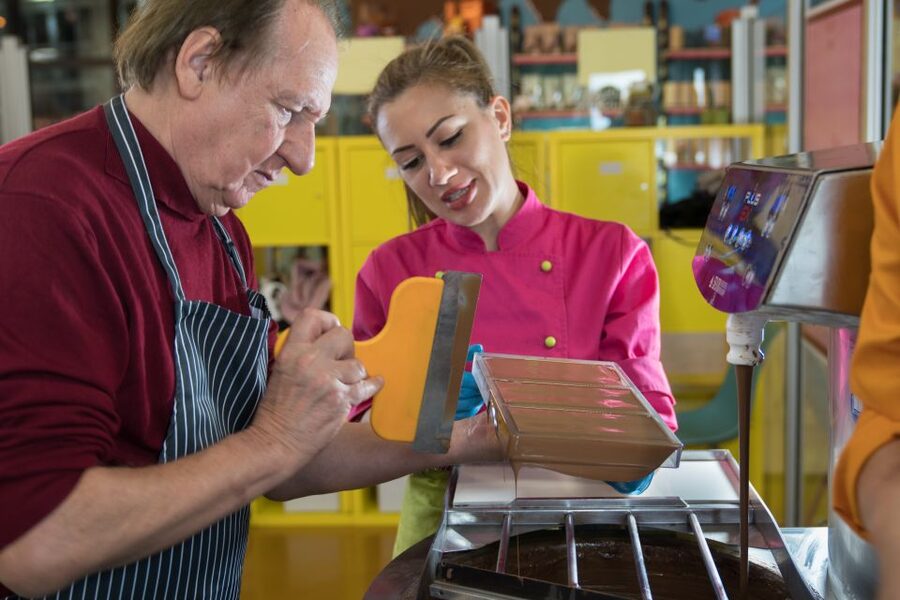
Museum admission is included with the workshop ticket, and the visit is usually about 15 minutes. The museum explains the origins of cacao and includes interactive elements, including playful photo opportunities.
Do not expect a large institution on the scale of Vienna’s major art or imperial museums. The museum is compact, and one of its own visitors described the displays as limited. That criticism is fair if you book this mainly for a long museum visit.
The better way to see it is as an add-on to the workshop. You first learn about chocolate through the instructor and your own hands, then walk through a small space that reinforces the story. The interactive features help keep it lively for children, while adults who already know the basics of cacao may move through quickly.
The museum works particularly well on a rainy afternoon or as a short stop between other plans. It is not likely to fill half a day, but it adds value to a booking that already includes the tasting and chocolate-making session.
More food tours in Vienna:
- Vienna for Food Lovers: Cafés, Markets & Austrian Cuisine
★ 5.0 · 1,063 reviews - Wachau Valley Wine Tasting Bike Tour from Vienna
★ 5.0 · 829 reviews - Vienna: Gerstner KuK Hofzuckerbäcker Baking Show & Tasting
★ 4.8 · 823 reviews - Authentic Vienna Food Tour inc. lunch, street food, 3 drinks
★ 5.0 · 749 reviews
The instructors make the difference
The equipment and ingredients matter, but the instructor shapes the mood of the class. The teaching team has included Janya, Jana, Dimi, Deme, Tania, and Selma. Your guide will depend on the day and schedule.
The strongest pattern is clear: instructors explain the process patiently, keep the mood light, and help when a bar does not pour or spread quite as planned. That support matters when the class includes young children, mixed ages, or adults who have never worked with melted chocolate.
The language options are English and German. You should be able to follow the demonstrations and instructions in either language, though the exact language of a particular session depends on the booking.
Groups can vary. Some sessions may be small, while others can include a larger family crowd. The staff have handled both settings, but the experience feels different. A small group gives you more direct attention and a quieter pace. A full class can be noisier, but children often enjoy the shared energy.
Names such as Dimi and Janya appear repeatedly in the workshop team’s feedback, but you should not book expecting a particular person unless the provider confirms that guide in advance.
What the $55 price includes
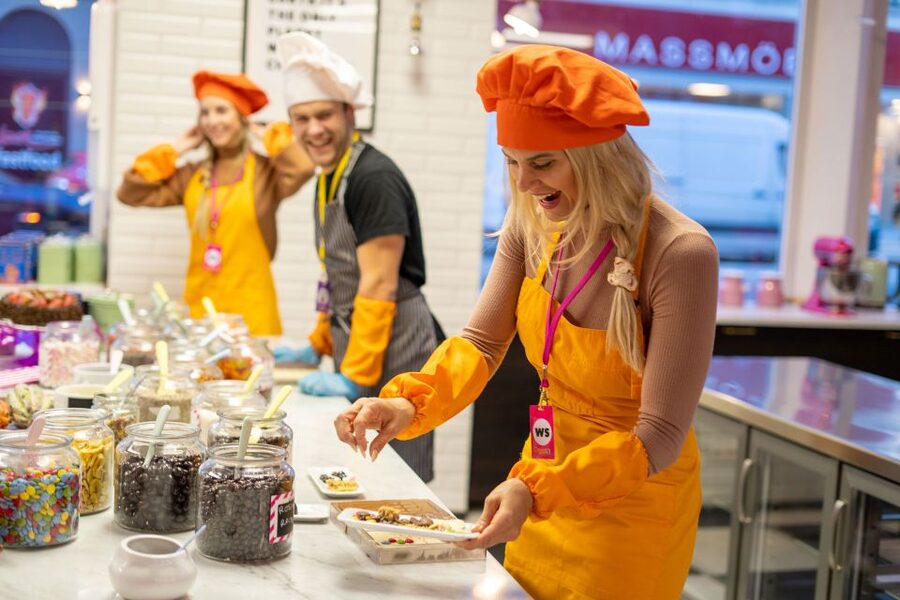
At $55 per person, this is not Vienna’s cheapest food activity. The value comes from the number of things packed into the visit.
Your ticket includes:
- Museum admission
- Free tastings
- Snacks
- All chocolate ingredients
- Cookware and workshop equipment
- Three decorated chocolate bars
- The hot chocolate activity
- A signed BO-YO certificate
The three bars are the biggest value point. You are not paying $55 for a quick sample and a souvenir stamp. You leave with three large handmade chocolates, and the certificate adds a playful finishing touch.
The price is less attractive if you care mainly about museum displays or want to learn advanced chocolate production. One participant felt the experience was a little expensive, even while deciding it was worth doing. That is a reasonable view. You are paying for an organized activity, staff instruction, ingredients, tastings, and the chance to make something yourself.
For families, the calculation often works better. Two adults and children can turn the workshop into a shared activity rather than separate admission tickets and another paid attraction. For solo adults or couples, the decision comes down to how much you value making the chocolate yourself. If you only want good chocolate, a Vienna café or confectionery will cost less.
A practical visit from Pilgramgasse
The meeting point is easy to reach. From Pilgramgasse station on the green U4 line, walk about three minutes to the museum. Bus 14A or 12A stops directly in front of the building.
Look for the entrance on the corner of Schönbrunner Straße and Reinprechtsdorfer Straße. The clear public transport connection makes this a useful choice when you do not want to spend time crossing the city by taxi.
The listed duration is 90 minutes, but the active workshop takes approximately 60 minutes and the museum visit about 15 minutes. The remaining time covers arrival, transitions, tastings, cooling the chocolate, and collecting your certificate.
Arrive ready to work with melted chocolate and toppings. You will be supplied with the cookware, ingredients, moulds, and recipes, so there is no need to bring equipment or prepare in advance.
If you have a very young child, think carefully about the timing. The activity is not recommended for children under five, and children under ten need a ticketed adult beside them. The class is designed for children and adults, but a toddler who cannot follow instructions may find the table work difficult.
What to expect from the chocolate
Milk chocolate is likely to be the safest choice for people who prefer a sweet, smooth bar. One detailed account rated the milk chocolate especially highly and found the white chocolate pleasant, while the dark chocolate tasted quite bitter.
That is useful advice, but taste is personal. If you enjoy strong cocoa flavors, dark chocolate may be exactly what you want. If you are making bars with children, milk or white chocolate may be easier choices, especially when paired with sweet toppings.
The topping stage gives you room to balance the flavors. Granola adds crunch, while gummy bears and similar sweets push the bars toward a playful dessert. Since you make three bars, you can experiment instead of committing to one combination.
The chocolate is packed for you to take home, but it is wise to think about storage if you are visiting Vienna in warm weather. The supplied information does not specify special transport packaging or storage instructions, so ask the staff before leaving if you plan to carry the bars for several hours.
Who will enjoy this workshop most
This is an excellent fit for families with school-age children and teenagers. The children get to pour, decorate, taste, and take home their work. Adults are not left out, since the chocolate history, tempering machine, and Aztec drink give the session more substance than a simple candy activity.
It also works well for couples and adult friends. Several adults have enjoyed the class without children, especially when the group was small. The relaxed format makes it an easy morning or afternoon plan.
Chocolate fans will appreciate the tastings and the chance to compare types. People who want an educational activity may like the cacao background and the seven steps of chocolate consumption.
I would be more cautious if you want a large, traditional museum, a detailed bean-to-bar factory visit, or a lesson you can repeat in your own kitchen. This is a guided introduction, not a professional confectionery course.
Booking details worth knowing
You can cancel up to 24 hours before the activity for a full refund, according to the booking conditions. The reserve-now, pay-later option lets you hold a place without paying at once, which can help when your Vienna schedule is still changing.
The tickets are otherwise described as non-refundable, so check the exact terms at checkout. Starting times depend on availability, and the workshop normally operates in English or German.
The activity includes skip-the-ticket-line access, which saves a little time at the museum entrance. Since the venue is small, arriving at the stated meeting time is still important. The instructor needs to begin the demonstrations and organize the group before the chocolate work starts.
Should you book the Chocolate Museum workshop?
Book it if you want a hands-on Vienna activity with a clear payoff: three bars to take home, a hot chocolate tasting, a small museum, and a certificate. It is especially good for families, rainy-day plans, chocolate fans, and adults who prefer making something over looking at another display case.
Think twice if your main goal is serious chocolate science or a full production tour. The museum is brief, and the class does not cover cacao bean processing or home tempering.
For most people, the $55 price is fair when you count the ingredients, instruction, tastings, museum entry, and three full-size bars. I would book this as a playful cultural stop, not as Vienna’s definitive chocolate education. Bring curiosity, leave room in your luggage, and expect your best souvenir to be edible.
FAQ
How long does the Chocolate Museum Vienna workshop last?
The booking lasts approximately 90 minutes. The workshop itself takes about 60 minutes, and the museum visit takes about 15 minutes.
What do I make during the workshop?
You make three chocolate bars and decorate them with toppings and ingredients of your choice. You also prepare and taste an Aztec-style hot chocolate.
Can I take the chocolate bars home?
Yes. The three chocolate bars you make are yours to take home after the workshop.
Do I need previous cooking experience?
No. The instructor provides guidance, and the cookware, ingredients, and recipes are supplied.
Do I get to use a tempering machine?
Yes. You use a professional chocolate tempering machine during the workshop. The class does not teach you how to temper chocolate at home.
Is the workshop suitable for children?
The activity is designed for children and adults. It is not recommended for children under five, and children under ten must be accompanied by an adult who also has a ticket.
What languages are available?
The workshop is offered in English and German.
Is museum admission included?
Yes. Your workshop ticket includes free admission to Chocolate Museum Vienna.
Where is the meeting point?
The museum entrance is on the corner of Schönbrunner Straße and Reinprechtsdorfer Straße. It is about a three-minute walk from Pilgramgasse U-Bahn station on the U4 line.
Can I cancel my booking?
You can cancel up to 24 hours in advance for a full refund, according to the stated booking conditions. A reserve-now, pay-later option is also available.
More Museums in Vienna
- Vienna: Skip-the-Line Sisi Museum, Hofburg and Gardens Tour
★ 4.8 · 5,918 reviews - Vienna Kunsthistorisches Museum Day Admission Ticket
★ 4.6 · 3,690 reviews - Tickets for the Albertina Exhibitions
★ 4.7 · 2,126 reviews - Sigmund Freud Museum Ticket
★ 4.6 · 1,668 reviews
More Workshops in Vienna
- Nabiel’s Vienna Cooking Class
★ 5.0 · 234 reviews - Vienna: Traditional Kaiserschmarrn Cooking Class & Tasting
★ 4.5 · 179 reviews - Mozart Kugel Workshop
★ 4.7 · 129 reviews - Vienna: Wiener Schnitzel and Strudel Cooking Class
★ 4.9 · 126 reviews
Just added around Vienna
- Private Tour from Vienna to Melk and Dürnstein★ 4.5 · 3 reviews
- Vienna: Johann Strauss 200th birthday anniversary exhibition★ 4.7 · 3 reviews
- Vienna Private Full Day Tour – Tickets to Schönbrunn & Lunch★ 5.0 · 3 reviews
- Private Salzburg Day Trip from Vienna★ 4.0 · 3 reviews
- Vienna: Entry Ticket Belvedere 21 & Contemporary Art★ 4.3 · 3 reviews
- Full-Day Private Trip from Vienna to Budapest★ 4.5 · 3 reviews
- Vienna by Night: Private Evening Food and Drink Tour★ 5.0 · 3 reviews
- 1.5 Hour Cinematic Style Portrait Photoshoot and Tour in Vienna★ 4.5 · 3 reviews
Dessert Tours, compared.
Vienna Coffee, Cake & Pastries Tour with Local Stories
Read our review →
Chocolate workshop in Chocolate Museum Vienna “BO-YO”
Read our review →
2.5-Hour Viennese Coffee, Cake, and Chocolate Tour
Read our review →
Vienna Private City Tour: Palaces, Churches & Sacher Cake Option
Read our review →
Strauss Exhibition incl. LED Concert Show / Coffee + Strauss Cake
Read our review →
Dessert Tour with Pastries, Cakes & Hidden Cafes
Read our review →
Mozart Kugel Workshop in Chocolate Museum Vienna “BO-YO”
Read our review →
Browse the lists this tour appears in