
Reviewed · DINING EXPERIENCES
Vienna: Culinary Experience at Restaurant Stefanie
Vienna’s culinary past arrives course by course at Restaurant Stefanie, inside the city’s oldest hotel. This is a generous tasting meal, not a cooking class: you sit at your table while Austrian specialties move from soup and goulash to schnitzel, boiled beef, and several desserts.
I like the historic setting and the chance to sample dishes from across the former Austrian monarchy without ordering a full plate of each. I also like the excellent service, which is warm, polished, and often delivered in English. The main consideration is that the history lesson can be light. Some evenings include detailed explanations, while others focus mostly on the food.
In This Review
- Key points
- A full Austrian meal inside Vienna’s oldest hotel
- Seven specialties, served in a sensible order
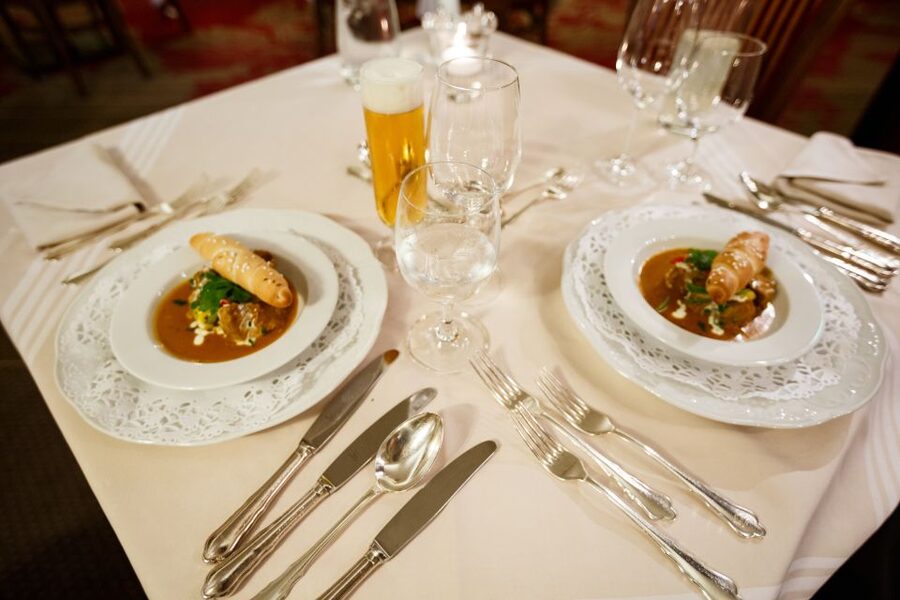
- Veal goulash with pretzel sticks
- Beef soup with sliced pancakes and Kaiserschöberl
- Viennese schnitzel with potato salad
- Boiled filet of beef with two sauces
- Three desserts to finish
- What the food-history element really means
- Service, pacing, and the overall mood
- Drinks included, and one small cost to watch
- How much food should you expect?
- Who should book Restaurant Stefanie?
- Practical details before you go
- Should you book this Austrian food experience?
- FAQ
- Where does the culinary experience take place?
- How long does the experience last?
- How many Austrian specialties are included?
- Which main dishes are served?
- Which desserts are included?
- Which drinks are included?
- Are extra drinks included?
- Is this a guided walking tour?
- Is the restaurant wheelchair accessible?
- Can I cancel the booking?
Key points
- Seven Austrian specialties: Sample goulash, beef soup, schnitzel, boiled beef, and three desserts in one sitting.
- Hotel Stefanie setting: Eat inside Vienna’s oldest hotel, in a traditional and quiet restaurant.
- Three drinks included: The package includes beer, wine, and coffee, with substitutions sometimes possible for non-drinkers.
- Large portions: This is a full meal disguised as a tasting menu, so arrive hungry.
- Food history included to varying degrees: Dishes may be explained at the table, and a booklet can provide more background.
- Good for solo diners and couples: The welcoming staff and private-table arrangement make it easy to enjoy on your own.
A full Austrian meal inside Vienna’s oldest hotel
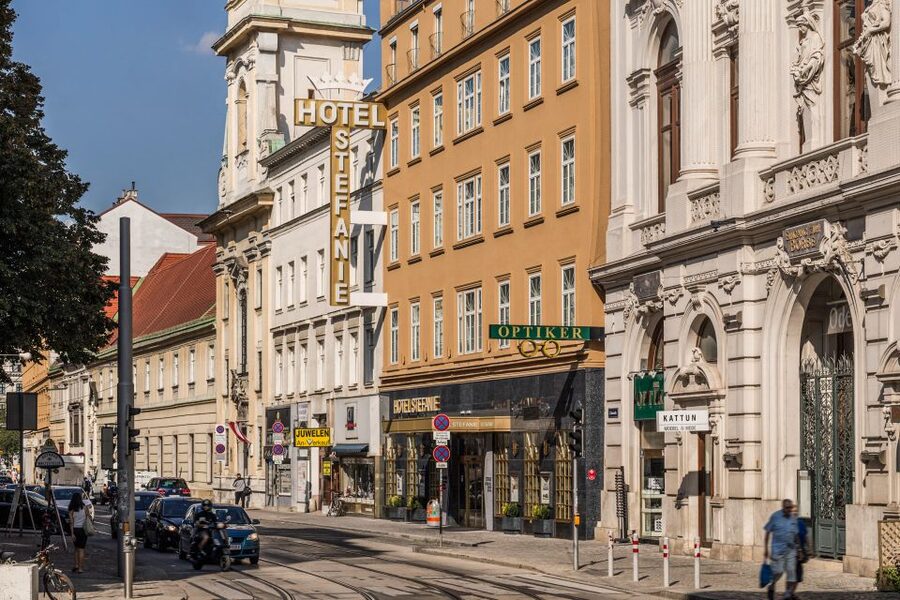
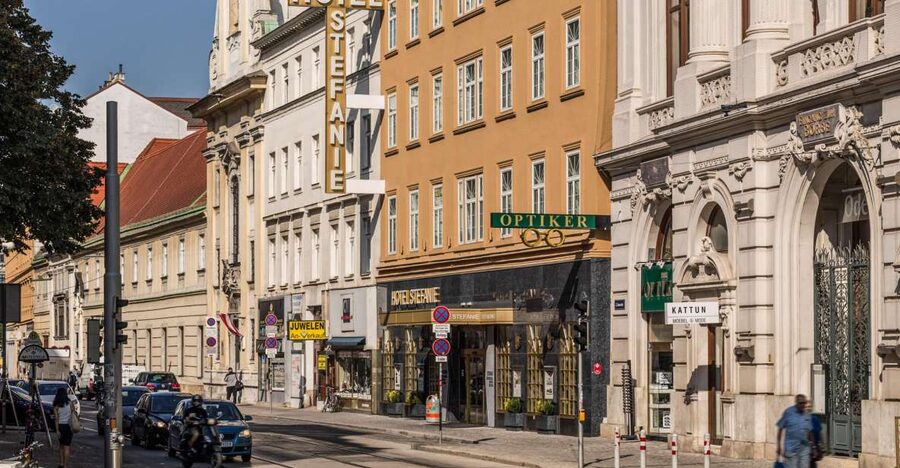
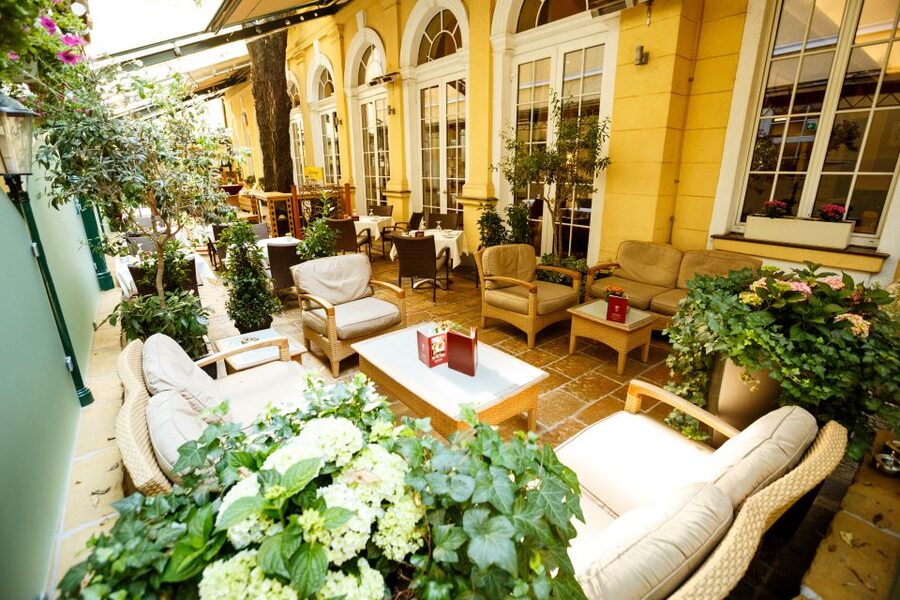
Restaurant Stefanie is located at Hotel Stefanie, Taborstrasse 12, in Vienna’s 2nd district. The hotel provides the setting that gives this meal its character. You are not eating in a modern food hall or a casual market stall. You sit in a traditional hotel restaurant with an elegant, peaceful feel.
That atmosphere matters. Austrian food is closely tied to family tables, imperial court cooking, old hotel dining rooms, and regional specialties. The room helps put the meal in the right frame. You can settle in for an unhurried dinner rather than rush through a list of samples.
The experience lasts about two hours, though one older account describes a much longer four-hour meal. In practice, you should allow at least two hours and avoid scheduling a tight concert, train, or museum visit immediately afterward.
The seating is at a private table rather than in a walking group. There is no guide leading you from room to room, and no formal tour around Vienna. Think of this as a hosted restaurant meal with a culinary theme.
A few more Vienna tours worth weighing up
- Vienna: 3-Course Evening Dinner Cruise
★ 3.9 · 1,655 reviews - Exclusive Evening at Schönbrunn Palace: After-Hours Audiotour, Dinner, Concert
★ 4.0 · 930 reviews - Vienna: Schönbrunn Palace Evening Tour, Dinner and Concert
★ 4.3 · 755 reviews
Seven specialties, served in a sensible order
The menu takes you through several of the dishes most closely associated with Vienna and Austrian cooking. The exact presentation may vary, but the advertised tasting includes seven specialties, usually served across several courses.
Veal goulash with pretzel sticks
The meal begins with veal goulash and pretzel sticks. Goulash is strongly linked with Hungary, but its place in Viennese cooking reflects the old political and cultural ties of the Habsburg monarchy.
The useful question here is not simply where goulash was invented. It is how dishes moved across borders and became part of everyday cooking in Vienna. The goulash is a good opening course because it is savory, filling, and familiar enough to ease you into the menu.
The pretzel sticks give you something to dip and nibble. This is a small course, but the portions across the meal are not always small. Keep a little room for what follows.
Beef soup with sliced pancakes and Kaiserschöberl
Next comes beef soup, served with sliced pancakes and Kaiserschöberl, an unsweetened sponge cake used as a soup accompaniment. It is a fine example of Austrian cooking’s fondness for turning simple ingredients into carefully prepared comfort food.
The sliced pancakes may look surprising if you expect a sweet breakfast dish. In soup, they become soft ribbons that add texture without making the broth heavy. Kaiserschöberl offers another old-fashioned touch.
This is one of the courses where the meal’s historical theme is most useful. The food is not only about famous dishes such as schnitzel and strudel. It also shows the small details of Viennese table cooking.
A different side of Vienna on the same trip:
- Vienna: Vivaldi’s Four Seasons Concert in Karlskirche
★ 4.7 · 14,951 reviews - Vienna: Spanish Riding School Training
★ 3.9 · 9,281 reviews - Vienna: Skip-the-cashier-desk-line Giant Ferris Wheel Ride
★ 4.5 · 7,859 reviews - Vienna: Schönbrunn Palace & Gardens Skip-the-Line Tour
★ 4.7 · 7,739 reviews
Viennese schnitzel with potato salad
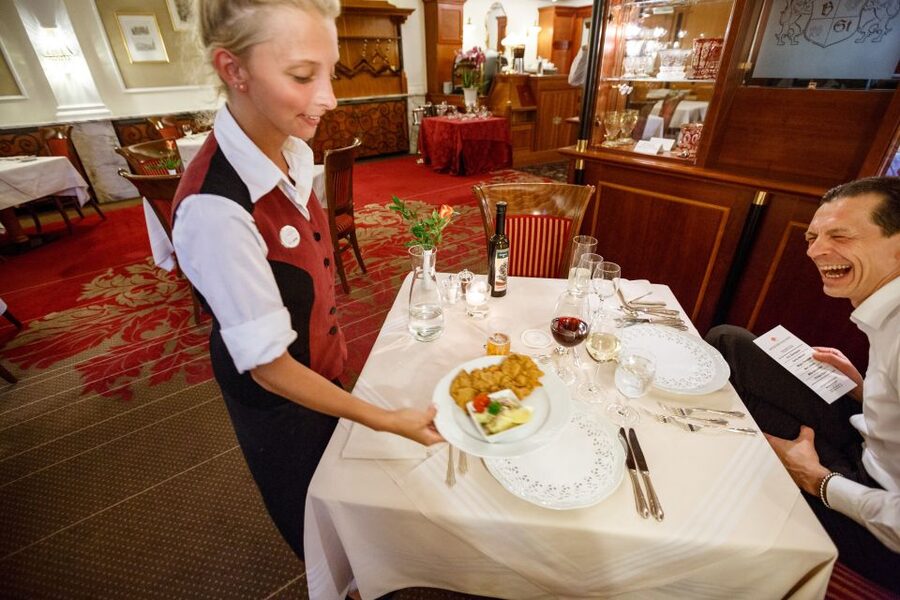
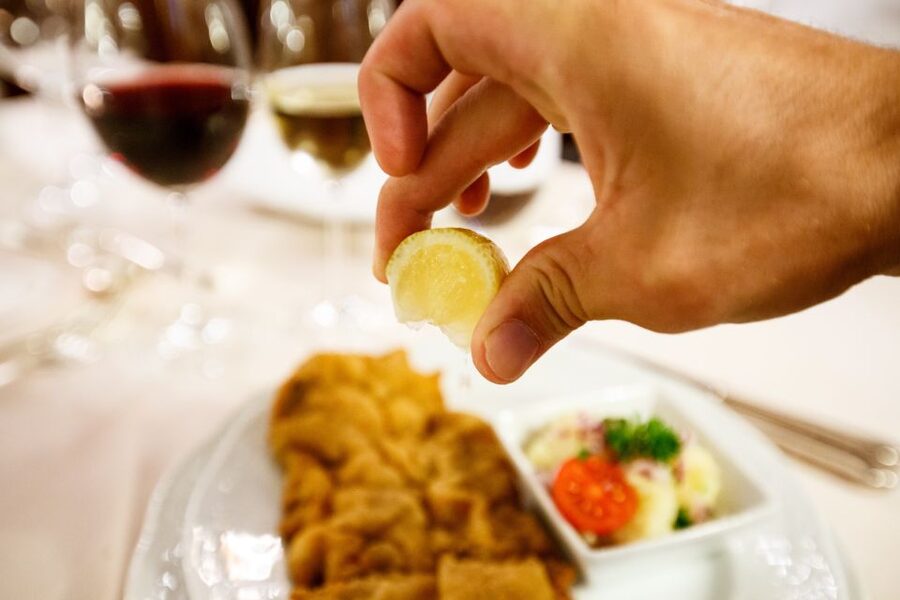
The schnitzel is the course most people will be waiting for. It is served with potato salad, a classic partner that cuts through the richness of the fried veal.
You get to consider one of Vienna’s best-known food stories here. The menu connects Viennese schnitzel with Field Marshal Radetzky, a reminder that culinary traditions often collect legends as they travel. If your server explains the story, it adds welcome context. If not, the dish still carries the meal’s strongest Viennese identity.
Do not assume the schnitzel is a tiny tasting portion. Several diners found the meal more filling than expected, and some could not finish every course. If you want to enjoy all seven specialties, pace yourself from the first plate.
Boiled filet of beef with two sauces
The boiled filet of beef arrives with chive sauce and apple horseradish sauce. This course introduces a different side of Austrian cooking. Instead of crisp breading or thick stew, you get tender beef with sauces that provide both freshness and bite.
The chive sauce is a particular highlight for many diners. Apple horseradish brings sweetness and heat, making the beef feel lighter than a rich gravy would.
This course also raises one of the meal’s food-history questions: is the top round really the best cut of beef? The menu uses the meal to explore traditional ideas about beef cuts and preparation, rather than presenting every course as a simple postcard version of Vienna.
Three desserts to finish
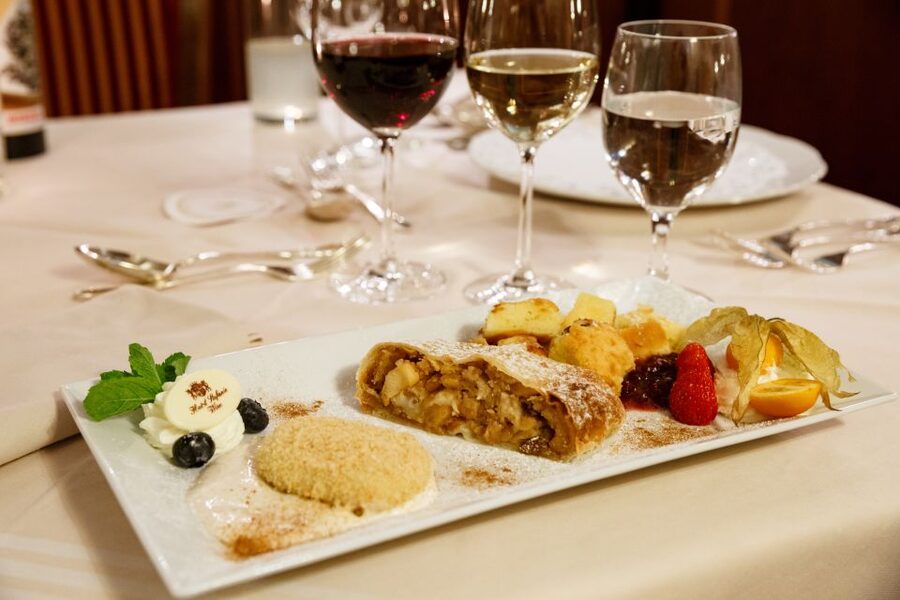
Dessert is not an afterthought. The final selection includes plum jam turnovers, apple strudel, and shredded pancakes, better known as Kaiserschmarren.
The plum jam turnovers provide a sweet pastry finish. Apple strudel brings the familiar Viennese combination of pastry, fruit, and spice. Kaiserschmarren, with its shredded pancake texture, is the most playful of the three and comes with its own naming story connected to the imperial era.
The dessert course is often where the meal feels most generous. If you have a sweet tooth, this is a strong reason to book. If you prefer small portions, plan to share or take your time. Coffee is included and gives the meal a proper Viennese ending.
What the food-history element really means
The experience is described as a culinary journey through the former crown lands of the Austrian monarchy. That means you should expect connections between Austrian dishes and neighboring regions, including Hungary, rather than a narrow menu limited to modern Vienna.
The planned discussion can include:
- The link between Viennese schnitzel and Field Marshal Radetzky
- The question of whether Hungarian goulash originated in Vienna
- The story behind the name Kaiserschmarren
- Traditional ideas about the best cut of beef
- The origins and importance of the dishes served
This part is worth understanding before you book. It is not a guaranteed lecture with a dedicated food historian. Some diners received thoughtful explanations of each course. Others found that the staff gave only a basic description, with little discussion of the dish’s region or past.
A booklet may be provided at the end with more detailed information about the foods. It can be a useful keepsake and a way to fill in gaps from the dinner. A small gift has also been part of the experience at times, though it has not always been available, so I would not book solely for that extra.
Service, pacing, and the overall mood
Service is one of the strongest parts of this meal. The dining team is frequently described as friendly, attentive, professional, and comfortable speaking English. That matters in a multi-course dinner, where you need clear explanations and enough time between plates.
The setting is quiet and traditional. One person wished there had been music, but most of the appeal comes from the calm dining room and the polished hotel atmosphere. It is a better fit for a relaxed evening than for anyone seeking loud entertainment or a theatrical show.
Solo diners should feel comfortable here. A solo visitor was made welcome and received patient explanations without being rushed. Couples and families can also enjoy it, and the meal has been used for Christmas dinners and other special occasions.
The pacing is important. This is not a quick sampler you finish in 45 minutes. You are given time to eat, talk, and absorb the progression from soup to dessert. The two-hour duration is a useful planning figure, but an especially leisurely service can take longer.
Drinks included, and one small cost to watch
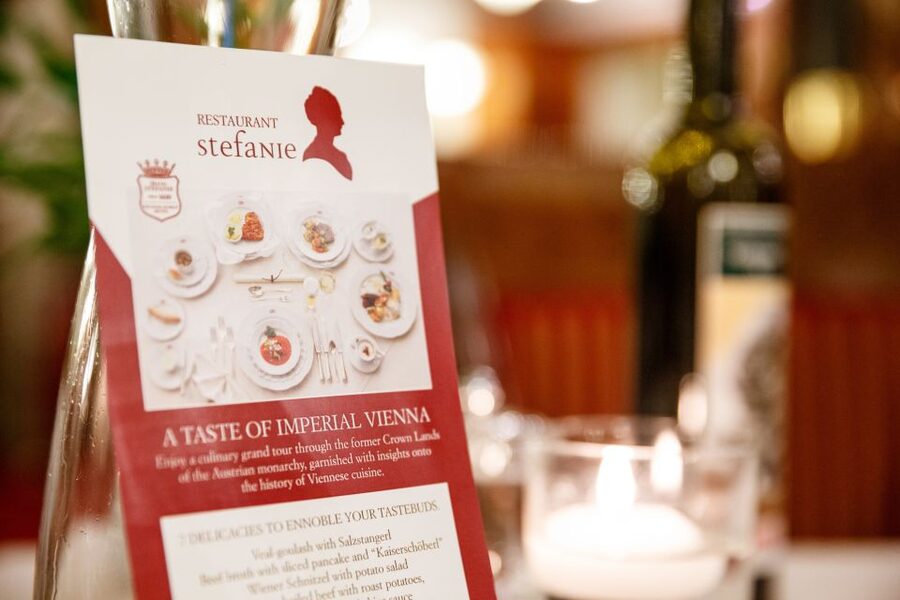
The listed package includes food plus three drinks: beer, wine, and coffee. That makes the $88 per person price easier to assess. You are paying for a substantial multi-course meal in a historic hotel, not simply seven bite-sized samples.
The included beer and wine help the meal feel like a complete evening out. Coffee with dessert is also appropriate for the final course. At least one family received juice and soft drinks instead of alcohol, so non-drinkers may be able to arrange substitutions with the restaurant.
Additional drinks and extras are not included. Pay attention to bottled water. One diner was surprised to find that it was charged separately and would have preferred the choice of tap water. If you want to keep the final bill predictable, ask about water and any extra wine before ordering.
For value, I would compare this with the cost of ordering several classic Austrian dishes separately. You get a broad range of food, three drinks, table service, and a historic setting. The drawback is that you have no menu flexibility. If you dislike beef, veal, pastry, or rich traditional food, part of the package may not suit you.
How much food should you expect?
Arrive hungry. That advice appears again and again for good reason.
The meal is called a tasting experience, but the portions can feel closer to a complete dinner. You may receive five main stages of service containing seven specialties, or a seven-course presentation depending on how the restaurant structures the evening. Either way, the menu includes substantial savory food followed by three desserts.
The meal is also fairly protein-heavy. Goulash, schnitzel, and boiled beef all appear before the sweets. This is not the best choice if you want a light meal or a vegetable-focused menu.
At the same time, the serving sizes are designed to let you taste rather than eat a single oversized schnitzel. You can go slowly and enjoy each plate. The challenge is cumulative: a modest first course becomes a very full dinner by the time the apple strudel and Kaiserschmarren arrive.
Who should book Restaurant Stefanie?
I would recommend this experience to you if you want a clear introduction to classic Austrian food in one sitting. It works especially well early in a Vienna visit, when you are still learning what schnitzel, goulash, boiled beef, and Kaiserschmarren mean in the local food tradition.
It is also a practical choice for:
- Solo diners who prefer a welcoming, structured meal
- Couples seeking a calm evening in a historic setting
- Families wanting to sample traditional dishes together
- Visitors with only one evening available for Austrian cuisine
- People who enjoy dessert and generous portions
- Anyone who prefers a seated meal to a market crawl
I would be more cautious if you want a hands-on cooking lesson, a walking tour, or detailed commentary from a dedicated guide. There is no named guide and no formal tour route. The quality of the explanation depends on how much your serving team discusses the dishes that evening.
It may also be less suitable for strict vegetarians, people who avoid rich food, or diners who need full control over each course. The menu centers on veal, beef, soup, pastry, and traditional sauces.
Practical details before you go
Hotel Stefanie is at Taborstrasse 12, 1020 Vienna. The restaurant is wheelchair accessible, which makes this one of the easier food-focused activities to consider if you need step-free access.
Pets are not allowed, except for assistance dogs. The activity lasts two hours, and available starting times should be checked when booking.
You can cancel up to 24 hours in advance for a full refund. A reserve-now-and-pay-later option is available, useful if you are still arranging a Vienna itinerary.
The overall rating is 4.7 from 526 reviews, with praise focused most heavily on food quality, warm service, and the attractive setting. The less consistent point is the amount of food history explained during the meal. Go for the dinner first, and treat the historical commentary as an added benefit rather than the sole reason to book.
Should you book this Austrian food experience?
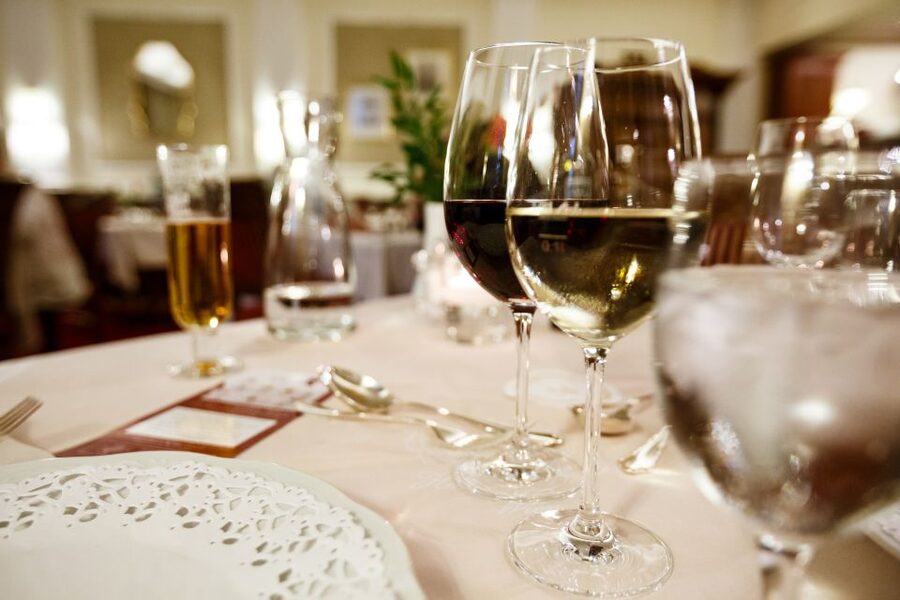
Book it if you want seven classic specialties, a comfortable table, three included drinks, and an evening in one of Vienna’s oldest hotels. The meal offers good range and generous portions, and the service has been a reliable strength.
I would especially choose it for a first visit, a rainy evening, a Christmas-season dinner, or a solo night when you want something organized and welcoming. Ask about the water charge, arrive hungry, and allow more than two hours if your schedule is tight.
Skip it if you want a small modern tasting menu, a cooking demonstration, or a guaranteed long lecture about every dish. Restaurant Stefanie is best understood as a substantial Austrian dinner with culinary context, not as a guided history tour.
FAQ
Where does the culinary experience take place?
It takes place at Restaurant Stefanie inside Hotel Stefanie, at Taborstrasse 12, 1020 Vienna.
How long does the experience last?
The stated duration is two hours. You should allow extra time if the meal is served slowly.
How many Austrian specialties are included?
The experience includes seven specialties, including savory dishes and three desserts.
Which main dishes are served?
The menu includes veal goulash with pretzel sticks, beef soup with sliced pancakes and Kaiserschöberl, Viennese schnitzel with potato salad, and boiled filet of beef with chive sauce and apple horseradish sauce.
Which desserts are included?
Dessert includes plum jam turnovers, apple strudel, and Kaiserschmarren, a shredded pancake.
Which drinks are included?
The package includes three drinks: beer, wine, and coffee.
Are extra drinks included?
No. Additional drinks and extras are not included. Bottled water may cost extra, so ask about water before ordering.
Is this a guided walking tour?
No. You remain at the restaurant for a seated meal. Staff may explain the dishes, but there is no guide taking you around Vienna.
Is the restaurant wheelchair accessible?
Yes. The activity is listed as wheelchair accessible.
Can I cancel the booking?
Yes. You can cancel up to 24 hours in advance for a full refund. A reserve-now-and-pay-later option is also available.
Just added around Vienna
- Vienna: Johann Strauss 200th birthday anniversary exhibition★ 4.7 · 3 reviews
- Vienna Private Full Day Tour – Tickets to Schönbrunn & Lunch★ 5.0 · 3 reviews
- Private Tour from Vienna to Melk and Dürnstein★ 4.5 · 3 reviews
- Private Salzburg Day Trip from Vienna★ 4.0 · 3 reviews
- Vienna: Entry Ticket Belvedere 21 & Contemporary Art★ 4.3 · 3 reviews
- Full-Day Private Trip from Vienna to Budapest★ 4.5 · 3 reviews
- Vienna by Night: Private Evening Food and Drink Tour★ 5.0 · 3 reviews
- 1.5 Hour Cinematic Style Portrait Photoshoot and Tour in Vienna★ 4.5 · 3 reviews
Dining Experiences, compared.
Exclusive Evening at Schönbrunn Palace: After-Hours Audiotour, Dinner, Concert
Read our review →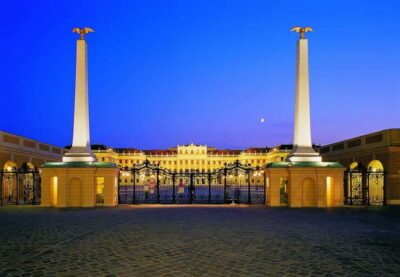
Schönbrunn Palace Evening Tour, Dinner and Concert
Read our review →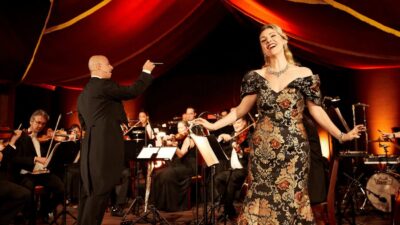
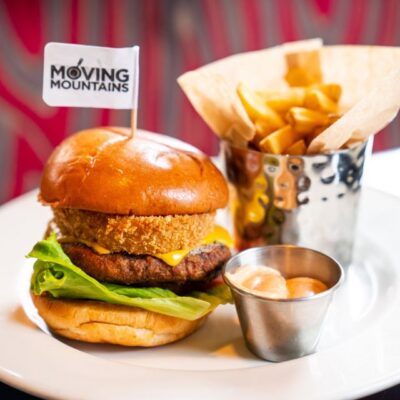
Hard Rock Cafe with Set Menu for Lunch or Dinner
Read our review →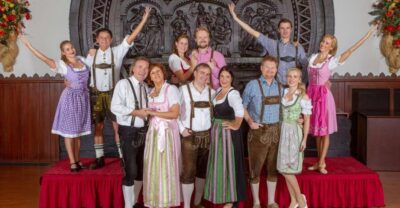
Traditional Dinner Show at the Wiener Rathauskeller
Read our review →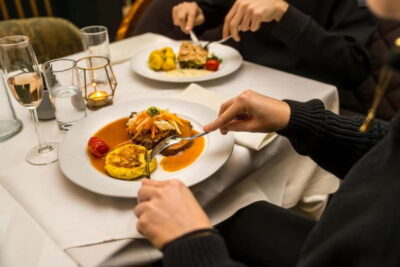
Browse the lists this tour appears in