
Reviewed · SCHöNBRUNN PALACE TOURS
Vienna: Imperial Carriage Museum in Schönbrunn Palace Ticket
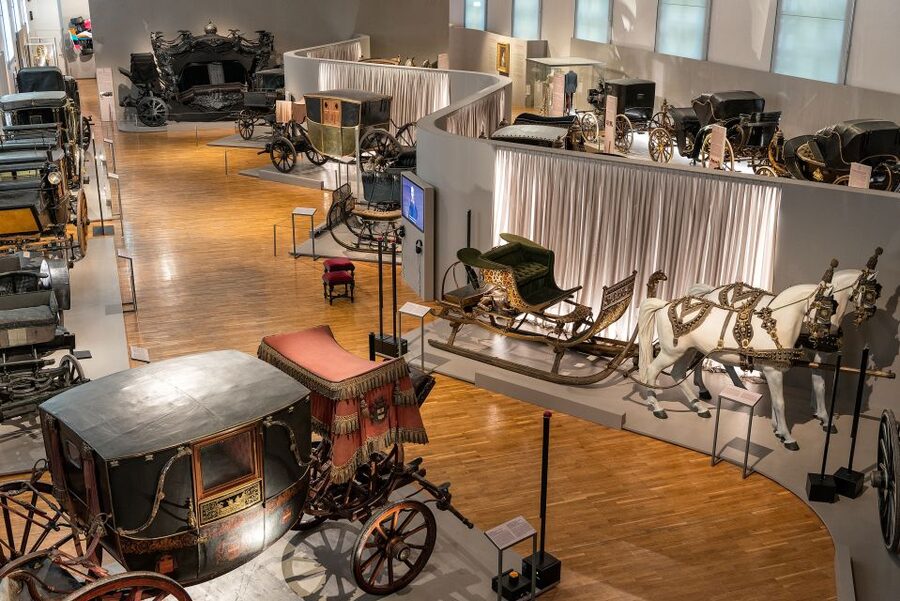
The Imperial Carriage Museum turns Vienna’s court life into something you can see at close range. The grand Baroque imperial coach is the star, but the smaller traveling coaches, children’s carriages, and Empress Elisabeth’s riding equipment often make the strongest personal connection. You are not just looking at transport. You are following rulers through ceremonies, journeys, childhood, and private life.
I like two things especially: the collection links famous names such as Maria Theresia, Napoleon, Franz Joseph, and Sisi to specific vehicles, and the Sisi Trail adds original dresses and personal objects to the carriages. The main drawback is practical but serious: this booking requires a printed voucher, which must be exchanged at the museum, so buying the ticket is not as quick as showing a code on your phone.
In This Review
- Key points before you book
- Why the carriages tell a better story than a palace room
- The Baroque imperial coach deserves your first close look
- Maria Theresia, Napoleon, and Franz Joseph in one collection
- The Sisi Trail moves from public ceremony to private image
- Children’s carriages add warmth to a formal collection
- What your visit is actually like
- The printed voucher is the key practical warning
- Is $14 good value in Vienna?
- Who should visit the Imperial Carriage Museum?
- Booking, cancellation, and guide rules
- Final verdict: book it if the objects matter to you
- FAQ
- Where is the Imperial Carriage Museum located?
- How much does admission cost?
- How long is the ticket valid?
- Is a guided tour included?
- Is an audio guide available?
- Do I need a printed voucher?
- Can I cancel the booking?
- How do the free guide-ticket rules work?
Key points before you book
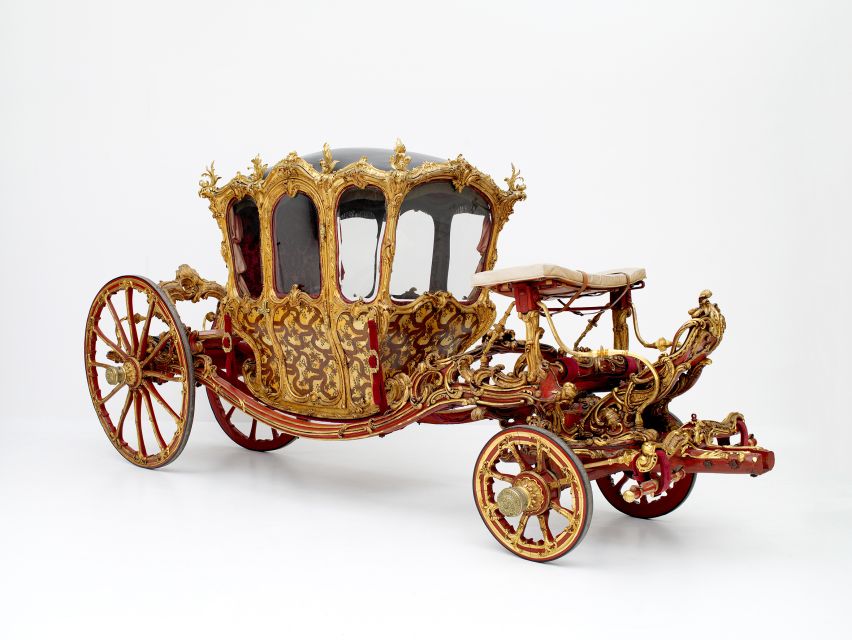
- The Baroque imperial coach is the main event: Expect an ornate ceremonial carriage built to impress, not a simple vehicle used for everyday travel.
- Sisi’s story is told through objects: The Sisi Trail includes her carriages, original dresses, her only surviving saddle, and her riding chapel.
- The collection covers several generations: You’ll see carriages connected with Maria Theresia, Napoleon, Franz Joseph, and Habsburg children.
- Admission costs $14 per person: For a focused museum in the Schönbrunn complex, that is a reasonable price, especially if imperial ceremony and design interest you.
- An audio guide is optional: It is included only when you book that option. A guided tour is not included, though you may bring your own guide.
- Plan around the printed voucher: You need a printed voucher, and the museum exchanges it for an entrance ticket. Do not leave this task until the last minute.
Why the carriages tell a better story than a palace room
A palace room shows where royalty lived. A carriage shows how royalty moved through the world, and often how royalty wanted to be seen. The size, decoration, materials, and seating arrangements all point to rank and purpose.
At this museum, I would pay attention to the difference between ceremonial vehicles and travel coaches. The grand state carriages were public theater. They carried rulers to major events and made status visible from the street. Traveling coaches had a more practical job, giving the imperial family a way to cover distance in greater comfort.
That distinction helps you read the collection. A carriage is never just a carriage here. It can represent power, a long journey, a family milestone, or an entire public image.
You should also look at the scale of the vehicles. The children’s carriages belonging to Habsburg princes and princesses bring the imperial family down to human size. They are charming, but they also make the court feel less like an abstract institution and more like a household with young children, formal expectations, and carefully managed appearances.
More ways to see Schönbrunn:
- Vienna: Schönbrunn Palace & Gardens Skip-the-Line Tour
★ 4.7 · 7,739 reviews - Vienna: Skip-the-Line Schönbrunn Palace & Gardens Tour
★ 4.8 · 5,411 reviews - Vienna: Bus & Schönbrunn Palace Skip-the-Line Guided Tour
★ 4.3 · 2,802 reviews
The Baroque imperial coach deserves your first close look
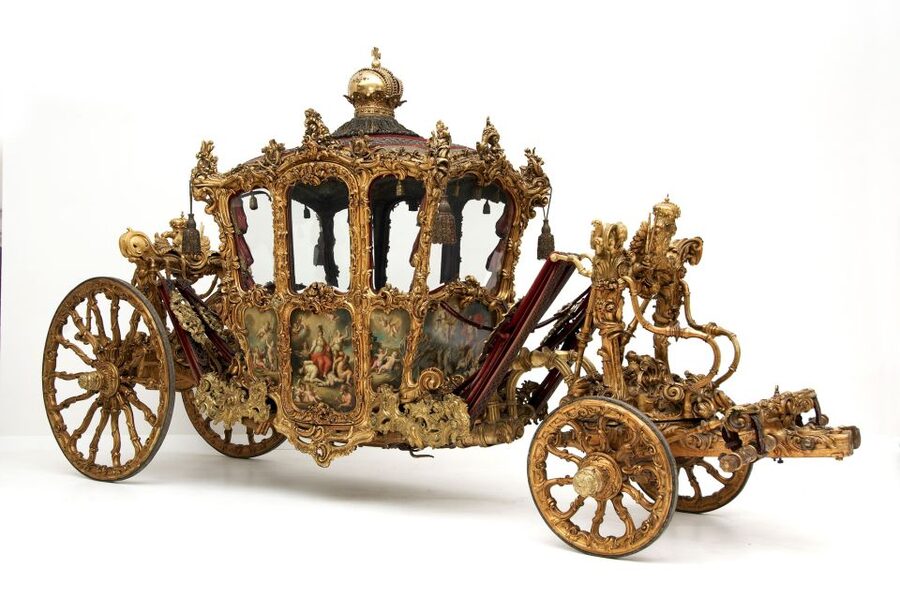
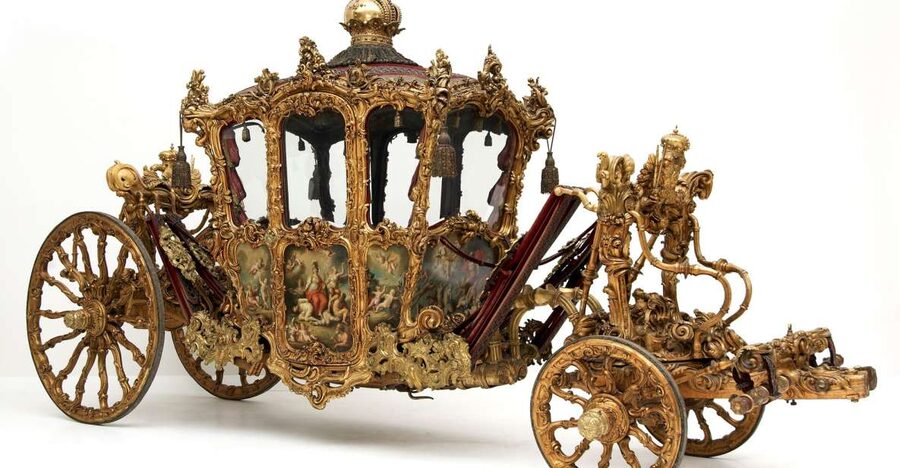
The Baroque imperial coach is the museum’s clear visual centerpiece. It was designed for ceremony, and its decoration reflects that job. You can expect a carriage that puts display before modesty, with an appearance meant to announce the importance of the people inside.
Give this coach more than a passing glance. Notice how different it is from a comfortable traveling coach. The ceremonial vehicle communicates authority through its size and ornament. The travel coach suggests endurance and comfort. Together, they show the practical and theatrical sides of court life.
This is also the part of the museum most likely to appeal to visitors who are not especially interested in Habsburg biography. Even if names and dates begin to blur, the coach itself is easy to understand. It was built to be noticed.
The museum’s arrangement lets you place the coach within a wider sequence of imperial life. After seeing the grand vehicle, look for the less formal carriages and ask what each one was meant to do. That simple comparison gives the collection more shape than treating every carriage as an isolated object.
Maria Theresia, Napoleon, and Franz Joseph in one collection
The museum connects vehicles with several major figures, including Maria Theresia, Napoleon, and Franz Joseph. That range gives you a quick way to compare different periods and personalities without moving between several separate museums.
Maria Theresia’s connection brings the Habsburg court into the 18th century, when ceremony and dynastic display were central parts of royal life. Napoleon adds a different political world, but his carriage fits the same broad story of rulers using public appearances to project authority. Franz Joseph represents the later imperial period, when tradition remained important even as travel and society changed.
I like this approach because it gives you a human route through the collection. Instead of reading a long political account, you can follow the vehicles and imagine the different demands placed on each ruler. Some carriages were made for grand entrances. Others were built for movement, distance, or family use.
Do not expect the museum to function as a full survey of Austrian history. Its focus is narrower and more physical. It works best when you want to understand court ceremony, transport, clothing, and personal presentation through surviving objects.
The Sisi Trail moves from public ceremony to private image
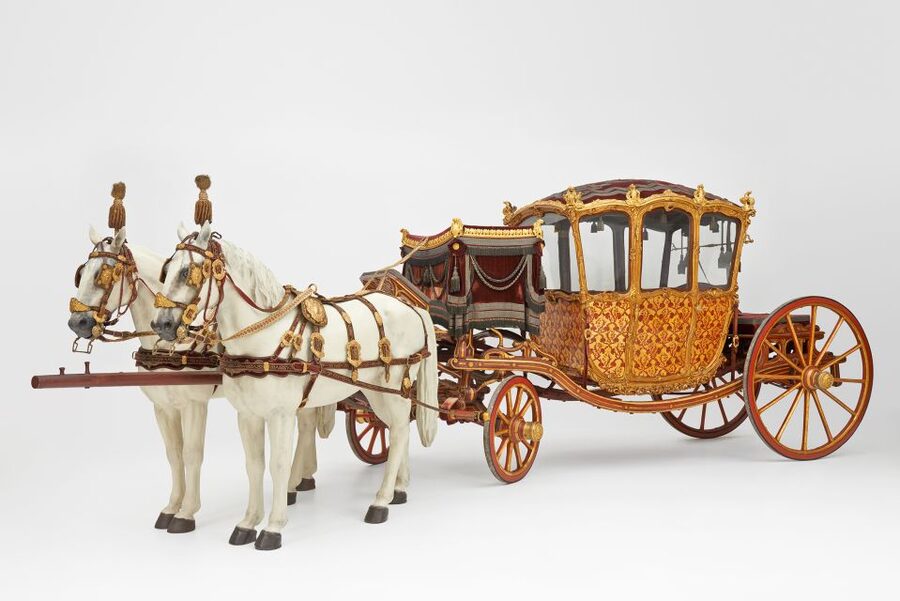
The Sisi Trail is likely to be the most engaging section for visitors who are drawn to Empress Elisabeth. Sisi is presented not only through her carriages but also through personal mementos and clothing.
The collection includes her only surviving saddle, her riding chapel, and sumptuous original dresses. These objects change the tone of the visit. A carriage can feel formal and distant, while a saddle or dress hints at how Elisabeth chose to move, dress, and present herself.
The riding chapel is especially useful for understanding that Sisi’s connection with horses was part of her identity, not merely a court duty. Her saddle is a small object compared with the large coaches, but its survival gives the story a personal anchor.
The dresses also deserve time. They show the visual side of imperial life, but they can also remind you that clothing was part of the public role. Sisi’s image has attracted plenty of romantic attention, so it is worth looking past the legend and focusing on the actual objects in front of you.
If you are visiting Schönbrunn with someone who is less interested in coaches, the Sisi Trail may keep that person engaged. It adds fashion, biography, and personal detail to a collection that might otherwise feel heavily mechanical.
More museums in Vienna:
- Vienna: Skip-the-Line Sisi Museum, Hofburg and Gardens Tour
★ 4.8 · 5,918 reviews - Vienna Kunsthistorisches Museum Day Admission Ticket
★ 4.6 · 3,690 reviews - Tickets for the Albertina Exhibitions
★ 4.7 · 2,126 reviews - Vienna: Chocolate Workshop in Chocolate Museum w/ Tasting
★ 4.5 · 1,802 reviews
Children’s carriages add warmth to a formal collection
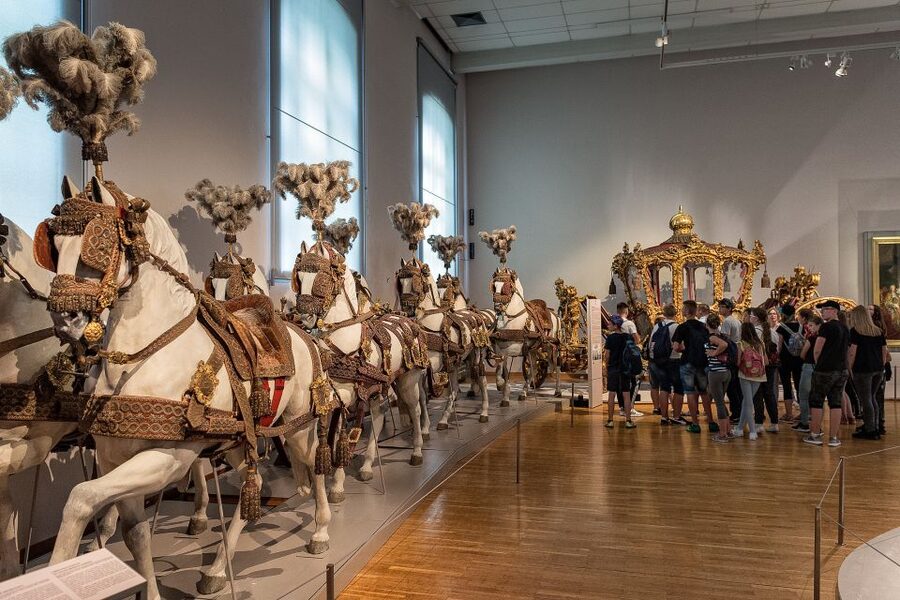
The children’s carriages of the Habsburg princes and princesses are among the collection’s most approachable objects. They are smaller, more intimate, and easier to connect with than the large state coaches.
These carriages also help explain how imperial life was organized from childhood. Young members of the family were part of a public household, and even ordinary stages of growing up took place within a highly formal setting.
I would not rush past this section on the way to the grand coach. The children’s vehicles provide a useful contrast. They show that the court was not only about coronations, processions, and political ceremony. It was also a family environment, though one shaped by rank and protocol.
For families, these objects can give younger children a point of interest. The museum is still a specialized collection, and the subject may not hold every child’s attention, but the smaller vehicles are easier to grasp than a long explanation of imperial politics.
What your visit is actually like
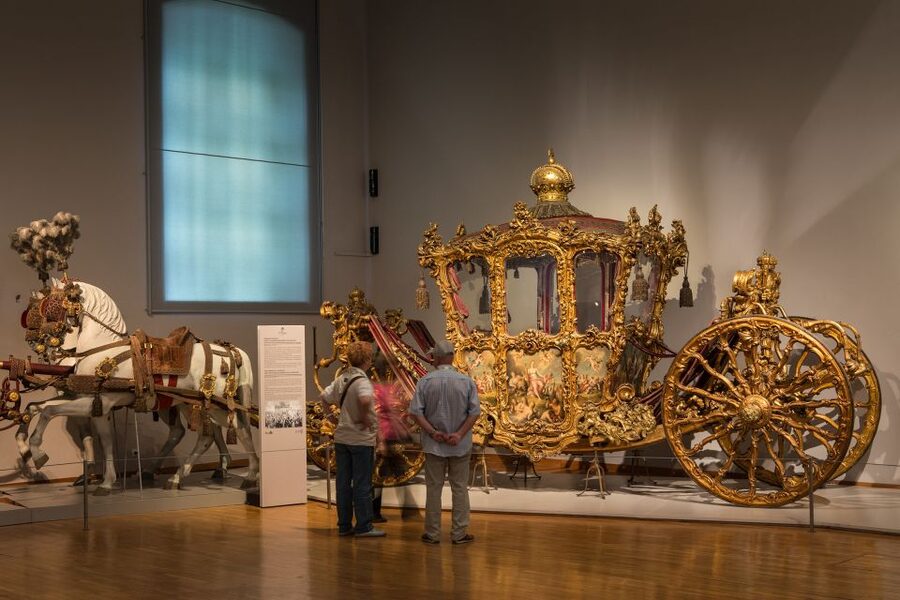
Your ticket is valid for one day, but this is a museum visit rather than a full-day guided experience. The booking provides entrance to the Imperial Carriage Museum at Schönbrunn Palace. It does not include a guided tour.
You can add an audio guide when booking that option. This matters because the museum’s objects are impressive, but their meaning is not always obvious from appearance alone. A short explanation can help you understand who used a carriage, what it was designed for, and where it fits in the lives of the rulers connected with it.
The Italian audio guide has been described as concise and functional in the supplied feedback. That is a useful expectation: think of it as a practical aid for moving through the collection, not a long private lecture.
If you prefer to set your own pace, the museum also works without a guide. You can spend more time with the Sisi objects, move quickly through the vehicles that interest you less, and pause at the ceremonial coach. If you bring your own guide, remember that the guided tour itself is not part of the admission.
The published information does not give a fixed visit length or a detailed route with timed stops. I would treat the experience as a flexible museum visit and pair it with your plans for Schönbrunn Palace rather than building an entire day around the carriage collection alone.
The printed voucher is the key practical warning
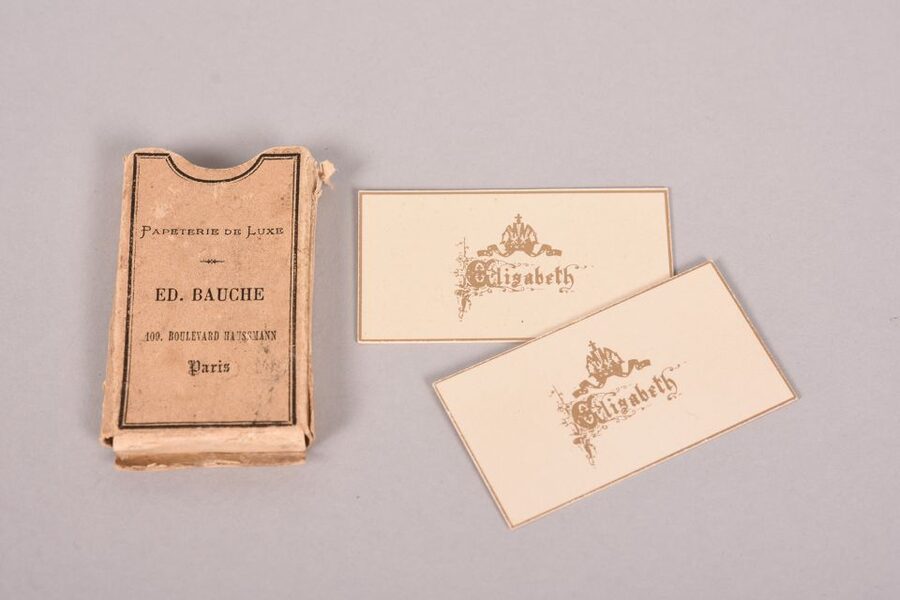
This is the point I would underline before you pay. A printed voucher is required, and the voucher must be exchanged at the museum for an entrance ticket.
That extra step caused a major problem for one purchaser, who spent hours in Vienna looking for a place or machine to print the ticket before reaching the museum. You do not want a simple museum visit to turn into a citywide hunt for a printer.
Print the voucher before you leave home or before you begin your day at Schönbrunn. Do not assume that a phone screen will be enough. The booking information specifically says printed voucher, so take that instruction literally.
The exchange process also means this is not quite as frictionless as a standard digital entry ticket. If you have a tightly timed palace visit, allow room for the voucher exchange. The museum itself may be easy to enjoy, but the paperwork can cost you time if you arrive unprepared.
Is $14 good value in Vienna?
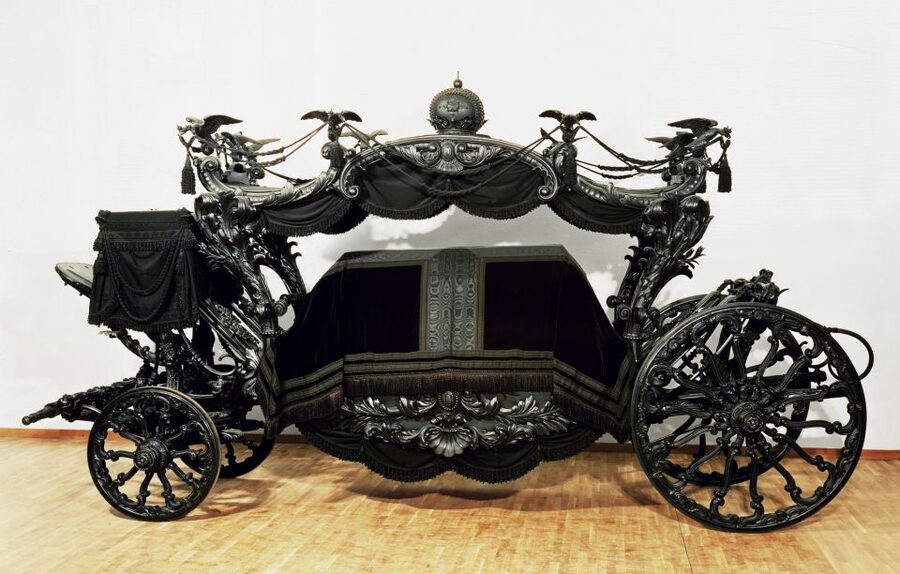
At $14 per person, this is a fair price for a specialist museum. You are paying for access to an unusual collection rather than a broad palace tour, so the value depends on your interests.
I think the price works well if you already plan to visit Schönbrunn and have an interest in imperial life, ceremonial design, Sisi, or historic transport. The collection brings together grand coaches, practical vehicles, children’s carriages, dresses, and riding equipment. That is a good amount of variety for a focused museum.
The value is less clear if you are looking only for the main sights of Schönbrunn and have little interest in royal objects. The Baroque coach is memorable, but the museum’s appeal comes from looking at a series of related objects, not from one quick photo stop.
The optional audio guide can improve the value for you if you want context but do not have a guide. Since an audio guide is included only with that booking option, check that you have selected it if you want one. Otherwise, you receive admission but not the recorded commentary.
Who should visit the Imperial Carriage Museum?
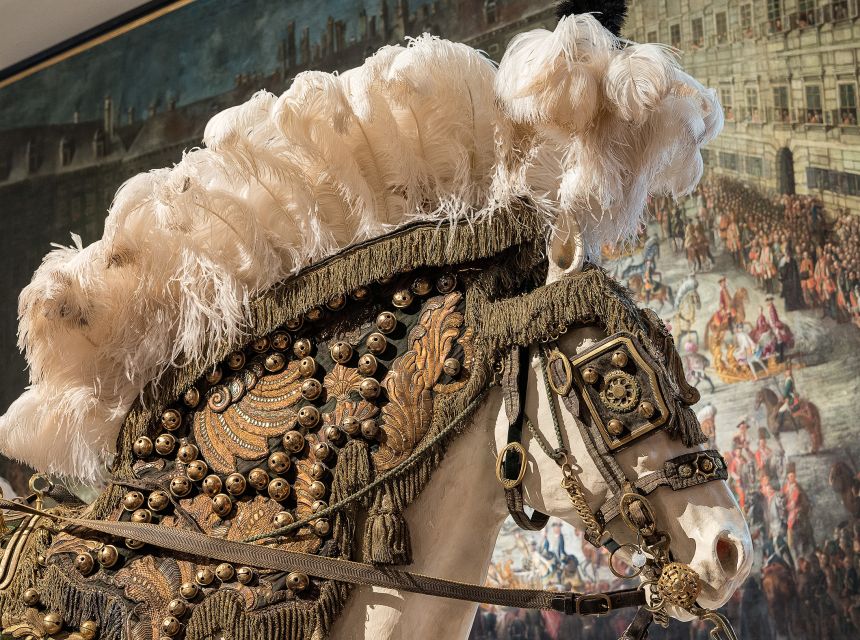
I would recommend this experience to:
- Anyone fascinated by Sisi and Empress Elisabeth
- Visitors interested in Maria Theresia, Napoleon, or Franz Joseph
- People who enjoy historic vehicles, decorative arts, and court ceremony
- Visitors already spending time at Schönbrunn Palace
- Families who want a smaller collection with children’s objects
- Anyone who prefers a self-paced museum to a scheduled guided tour
I would be more cautious if you want a broad introduction to Vienna or a full explanation of Schönbrunn Palace. This museum has a specific subject. It rewards attention to carriages and personal objects, but it will not replace a palace tour or a general city history visit.
The museum is also a good choice for a rainy or cold stretch of a Vienna day. The supplied information does not promise a particular visit duration, so you have flexibility, but you should not assume admission includes the palace or other Schönbrunn attractions.
Booking, cancellation, and guide rules
You can cancel up to 24 hours in advance for a full refund, according to the booking conditions. You can also reserve now and pay later, which helps if you are still arranging a Vienna schedule.
The ticket is valid for one day. Starting times and availability should be checked before booking, even though the visit itself is not described as a guided tour with a fixed route.
There are specific rules for tour guides. A group must have at least 10 people for the free guide-ticket rule to apply, and only one tour guide per group booking receives free entrance when accompanying the group. For groups under 10, an additional guide or accompanying person counts as a paying member.
A state-certified guide has free entrance. These rules are easy to miss, so group leaders should check them before booking rather than assume every accompanying person enters free.
Final verdict: book it if the objects matter to you
I would book the Imperial Carriage Museum if you are already visiting Schönbrunn and want a close look at the ceremonial and personal side of Habsburg life. The combination of the Baroque imperial coach, rulers’ vehicles, children’s carriages, and Sisi’s dresses gives the visit more variety than the title alone suggests.
The museum is especially worthwhile for Sisi fans, but it is not limited to her story. Maria Theresia, Napoleon, Franz Joseph, and the Habsburg children all add different chapters. At $14, the price is sensible for that focused collection.
Just handle the voucher before you go. Print it in advance, allow time to exchange it, and select the audio guide only if you want that added help. With those details sorted, this is a thoughtful and reasonably priced addition to a Schönbrunn day.
FAQ
Where is the Imperial Carriage Museum located?
The museum is located at Schönbrunn Palace in Vienna, Austria.
How much does admission cost?
The listed price is $14 per person.
How long is the ticket valid?
The ticket is valid for one day.
Is a guided tour included?
No. A guided tour is not included, but you can bring your own guide.
Is an audio guide available?
Yes. An audio guide is available only when that option is booked.
Do I need a printed voucher?
Yes. A printed voucher is required and must be exchanged at the museum for an entrance ticket.
Can I cancel the booking?
You can cancel up to 24 hours in advance for a full refund.
How do the free guide-ticket rules work?
A group must contain at least 10 people for the free ticket rule to apply to one accompanying tour guide. Under 10 people, an additional guide or accompanying person counts as a paying member. A state-certified guide has free entrance.
Just added around Vienna
- Vienna: Johann Strauss 200th birthday anniversary exhibition★ 4.7 · 3 reviews
- Vienna Private Full Day Tour – Tickets to Schönbrunn & Lunch★ 5.0 · 3 reviews
- Private Tour from Vienna to Melk and Dürnstein★ 4.5 · 3 reviews
- Private Salzburg Day Trip from Vienna★ 4.0 · 3 reviews
- Vienna: Entry Ticket Belvedere 21 & Contemporary Art★ 4.3 · 3 reviews
- Full-Day Private Trip from Vienna to Budapest★ 4.5 · 3 reviews
- Vienna by Night: Private Evening Food and Drink Tour★ 5.0 · 3 reviews
- 1.5 Hour Cinematic Style Portrait Photoshoot and Tour in Vienna★ 4.5 · 3 reviews
Schönbrunn Palace Tours, compared.

Schönbrunn Palace & Gardens Skip-the-Line Tour
Read our review →
Skip-the-Line Schönbrunn Palace & Gardens Tour
Read our review →
Bus & Schönbrunn Palace Skip-the-Line Guided Tour
Read our review →
Skip the Line Schönbrunn Palace and Gardens Guided Tour
Read our review →
Schönbrunn Palace & Garden Skip-the-Line Guided Tour
Read our review →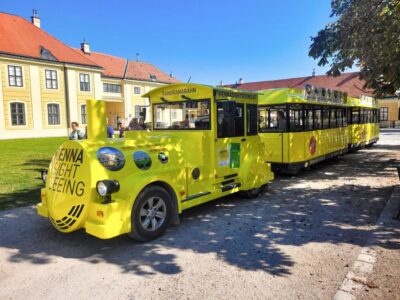
Panorama Train Tickets to explore Schönbrunn Palace
Read our review →
Skip-the-Line Schönbrunn Palace and Gardens Tour
Read our review →Browse the lists this tour appears in