
Reviewed · SCHöNBRUNN PALACE TOURS
Vienna: Wine Tasting at Schönbrunn Palace
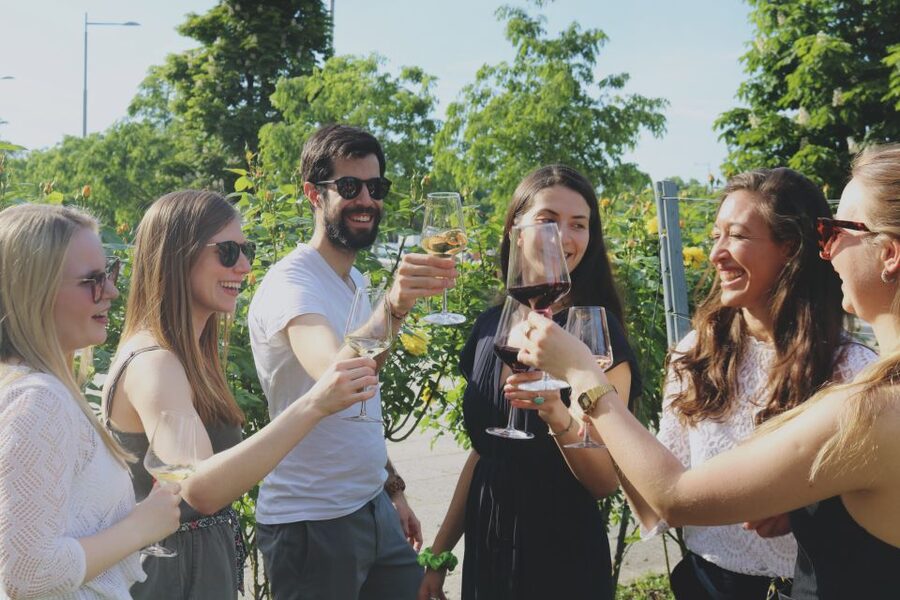
Schönbrunn is more than a palace of grand rooms and imperial stories. Just beyond the sightseeing rush, this one-hour tasting introduces you to Vienna’s own wine country, with five traditional wines and a small plate of food from the city’s Heurigen tavern tradition. It is a neat way to connect the palace visit with a living part of local culture.
I like the compact format and the fair chance to sample several styles without giving up half a day. I also like the Heurigenjause, since bread, cold snacks, and wine tell you more about everyday Viennese wine culture than a glass served alone. The main caution is that the quality of the explanation may vary, so serious wine students could find the teaching too light.
In This Review
- Key points
- Five glasses that explain Vienna’s wine identity
- What happens at Restaurant Joseph II
- How the five-wine tasting works
- Why the Heurigenjause matters
- Connecting the palace with Vienna’s vineyards
- The atmosphere and group experience
- Who will get the most from this hour
- Is $51 a fair price?
- Timing, access, and booking details
- My call: book it for context, not a wine exam
- FAQ
- Where does the wine tasting begin?
- Where does the activity end?
- How long does the experience last?
- How many wines are included?
- Is food included?
- Is entry to Schönbrunn Palace included?
- What languages are available?
- Can children join the tasting?
Key points
- Five Viennese wines: Taste five 1/16 glasses, enough for comparison without committing to full pours.
- A traditional snack: A small Wiener Heurigenjause accompanies the wine and gives the tasting a local food connection.
- A palace-area setting: The activity begins at Restaurant Joseph II near Schönbrunn, but palace or zoo admission is not included.
- A short one-hour plan: It fits neatly before or after touring Schönbrunn Palace.
- English or German instruction: Language support is available in both languages, with no individual guide name specified.
- Adults only: The tasting is not suitable for children under 16 or pregnant women.
Five glasses that explain Vienna’s wine identity
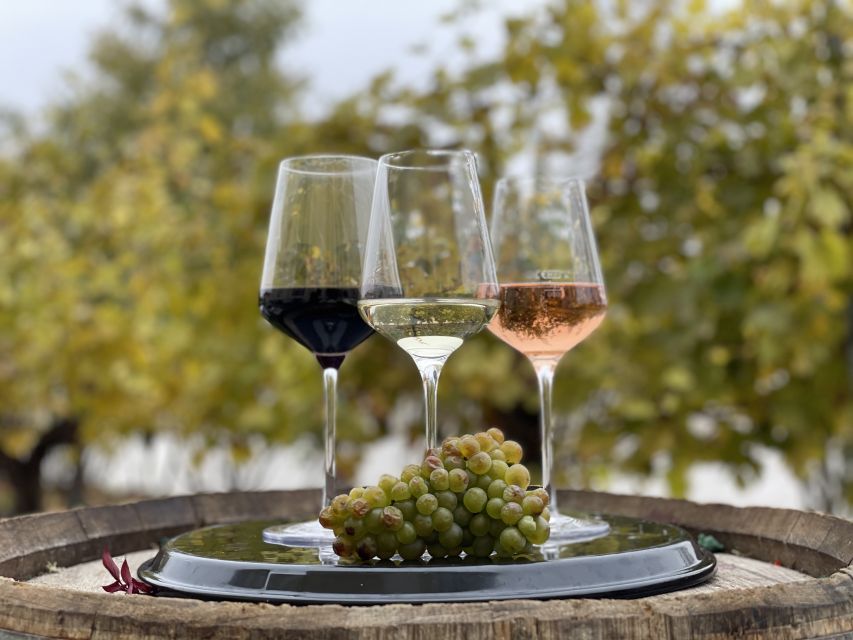
Vienna has an unusual claim in the wine world: vineyards lie within the city itself. The surrounding hills have supported winemaking since Roman times, and the city’s Heurigen culture remains tied to local taverns where wine is served with simple food.
That setting gives this tasting a clear purpose. You are not simply drinking five Austrian wines chosen at random. The experience aims to show what makes Viennese wine different and how it connects to the city.
Each pour is a 1/16 glass. That is a small serving, but five glasses add up to a useful tasting flight. You can compare the wines without feeling that the session is mainly about consuming as much as possible. For many people, this is the right scale for an afternoon activity, especially if you have already planned a meal or intend to visit another wine bar later.
The focus is on distinguishing the wines and learning what you are tasting. You should expect an introduction rather than a professional wine course. The available information does not name a specific sommelier or presenter, so I would not book this expecting a specialist-led seminar with detailed vineyard analysis.
More ways to see Schönbrunn:
- Vienna: Schönbrunn Palace & Gardens Skip-the-Line Tour
★ 4.7 · 7,739 reviews - Vienna: Skip-the-Line Schönbrunn Palace & Gardens Tour
★ 4.8 · 5,411 reviews - Vienna: Bus & Schönbrunn Palace Skip-the-Line Guided Tour
★ 4.3 · 2,802 reviews
What happens at Restaurant Joseph II
You begin at Restaurant Joseph II and report to the bar with your booking confirmation. Arrive punctually. The meeting point matters because the activity lasts only one hour, and a late start can cut into the tasting itself.
The experience ends back at the same meeting point. There is no hotel pickup or drop-off, so you need to make your own way to Schönbrunn. The location makes sense as part of a palace day, but you should plan your route and sightseeing schedule separately.
The restaurant setting can be an advantage. You have a proper place to sit and eat the accompanying snack rather than trying to balance a wine glass while moving through a busy attraction. It also makes the activity easy to pair with lunch or an afternoon visit to the palace.
There is one practical point to keep in mind. The tasting may not always feel like a formal event with a large group gathered around a dedicated wine expert. One account describes a small party of two, with the wine service arranged after arrival. That can turn into a friendly, almost private session, but it may also feel less polished than expected.
How the five-wine tasting works
The central part of the activity is the flight of five Viennese wines. You receive information about local wines and guidance intended to help you tell the styles apart.
For a first introduction, five samples are a good number. One or two wines can give you a pleasant impression, but five allow you to notice differences in aroma, sweetness, acidity, body, and finish. The exact wines are not listed, so you cannot book this expecting particular grape varieties or vintages.
The small pours also make the price easier to assess. At $51 per person, this is not a cheap drink stop if you measure the cost only by volume. You are paying for the setting, the guided format, the printed information, and the chance to taste several local wines in one sitting.
The value is strongest if you want context along with the wine. If you already know Austrian wine well and mainly want full glasses, you may get better value ordering independently at a Heuriger or wine bar. If you are curious but do not want to plan a separate vineyard visit, the structured flight is more useful.
The teaching appears to be the variable part. Some sessions can be warm and attentive, with clear answers and a pleasant conversation around the table. In another case, the person pouring the wine could not answer basic questions about Vienna’s wine region, turning the event into more of a drinking session than a true tasting lesson.
That difference is important. Book this as an accessible introduction, not as a guaranteed master class. The five wines remain the fixed feature, while the depth of explanation may depend on the person handling the session.
Why the Heurigenjause matters
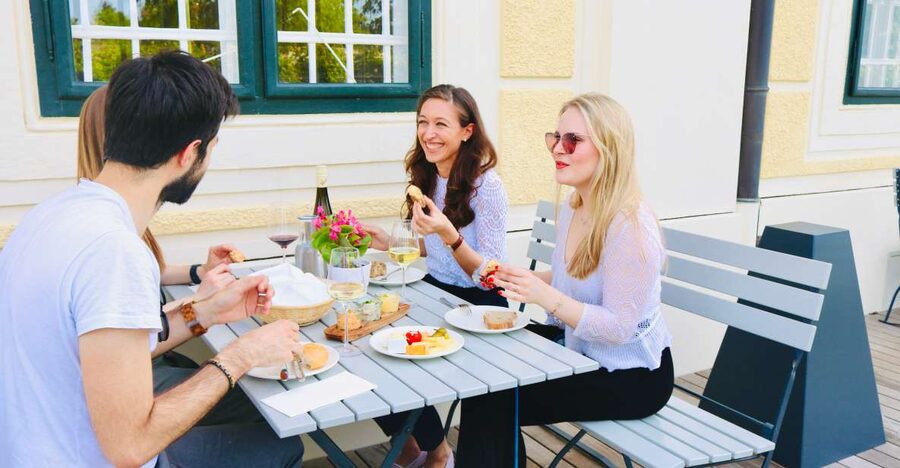
The wine comes with a small Wiener Heurigenjause, a traditional wine tavern snack. The provided details do not specify every item on the plate, so you should think of it as a modest accompaniment rather than a full meal.
This simple food is part of the point. Viennese wine culture is not only about tasting notes and bottles. It is also about sitting with a glass, sharing basic food, and treating the local wine tavern as a social place.
The snack helps slow down the tasting. You can try a little food between pours and notice how it affects the wine. Even without a large meal, that pairing gives the session more local character than a wine flight served with generic crackers.
Do not arrive expecting lunch. Additional food and drinks are not included, and the supplied information describes the Heurigenjause as small. If you are scheduling the activity at mealtime, plan another meal before or after it.
More Vienna wine tastings:
- Wachau Valley Wine Tasting Bike Tour from Vienna
★ 5.0 · 829 reviews - Vienna: Swarovski House Tour with Champagne and Gift
★ 4.7 · 787 reviews - Countryside Half Day Wine Tour near Vienna
★ 5.0 · 545 reviews - Wachau Valley Small-Group Tour and Wine Tasting from Vienna
★ 5.0 · 540 reviews
Connecting the palace with Vienna’s vineyards
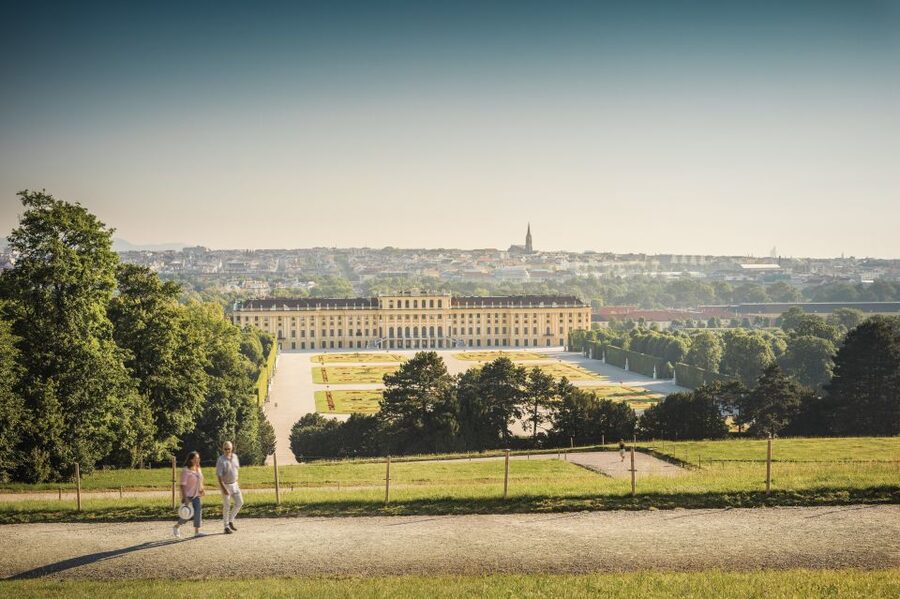
Schönbrunn Palace is one of Vienna’s major sights, but the wine tasting does not include palace entry. That distinction is easy to miss when planning your day.
You can visit the palace, gardens, or zoo separately and then attend the tasting at Restaurant Joseph II. You can also schedule the wine session without entering the palace, though its location makes the combination especially convenient.
I like this pairing because it joins two sides of Vienna that can otherwise feel separate. Schönbrunn presents imperial ceremony, grand architecture, and court life. The wine tasting points toward the city’s working traditions, local vineyards, and tavern culture.
The activity also gives you a reason to think about Vienna beyond the center. The city is the only national capital with significant vineyards within its boundaries, according to the experience information. That makes Viennese wine a genuine city product, not simply an Austrian label brought in from a distant rural region.
The UNESCO recognition of Viennese Heurigen Culture adds wider context. You are sampling a custom connected to place, food, and social life, not just checking off another beverage tasting.
The atmosphere and group experience
The session can work well for solo visitors, couples, and small groups. A solo booking may be particularly pleasant if the group is small. One solo participant ended up with what felt like a private tasting, including fair pours and attentive service.
Small groups can also create a sociable mood. The format gives you something easy to discuss, and wine tends to make conversation with people at the table natural. One particularly successful session included lively conversation among the people sharing the table.
At the same time, the atmosphere may depend on how the restaurant is operating that day. This is not described as a private room or a dedicated vineyard tour. If the bar is busy, the staff may need to balance normal service with the tasting.
That is not automatically a problem. Some people will prefer the relaxed restaurant feel to a formal lecture. Others will want a polished presentation, clear tasting notes, and confident answers about every bottle. Your expectations should match the format.
Who will get the most from this hour
I would recommend the tasting to you if you are already planning a Schönbrunn visit and want a short local activity nearby. It fits neatly into a day of sightseeing and does not require a full excursion outside Vienna.
It is also a good choice if you have little experience with Austrian wine. Five small pours let you compare styles without ordering several bottles or trying to choose from a long wine list. The information material gives you something to refer back to after the tasting.
Food-minded visitors should appreciate the Heurigenjause. It is not a major meal, but it adds a traditional element and shows how Viennese wine is commonly enjoyed.
Solo visitors may find the format especially convenient. A small group can make the session feel personal, and the one-hour length is easy to fit into a busy itinerary.
I would be more cautious if your main goal is detailed wine education. The experience promises information about Viennese wine, but the depth of the session is not guaranteed. You may receive a thoughtful introduction from an attentive presenter, or you may encounter a server who can pour the wine but offer little background.
It is not suitable for children under 16 or pregnant women. Since alcohol is the entire focus, there is no alternate nonalcoholic version described.
Is $51 a fair price?
At $51, the price sits in the range where expectations matter. Five small glasses and a modest snack alone do not make it a bargain. The value comes from the guided structure, the local setting, the cultural explanation, and the convenience of fitting everything into one hour.
For you, the price makes sense if you would otherwise spend time researching Viennese wine, finding a suitable tasting room, and arranging several samples on your own. It is also reasonable if the tasting is part of a broader Schönbrunn day and saves you from crossing the city for a separate activity.
The value is weaker if you are mainly looking for a large amount of wine or a full meal. Additional food and drinks cost extra, and the palace entrance is not included. You should budget those separately.
The strongest part of the package is its simplicity. You arrive at one meeting point, taste five local wines, eat a small traditional snack, and finish where you began. There is no transport, palace ticket, or extended tour hidden inside the price.
Timing, access, and booking details
The activity lasts one hour, with starting times shown when you check availability. That short length makes it easy to place before or after a palace tour, but punctual arrival is important.
Instruction is available in English and German. The experience is wheelchair accessible, which makes it more practical for many visitors, although the provided information does not give detailed access notes for every part of the venue.
Cancellation is free up to 24 hours before the activity for a full refund. You can also reserve now and pay later, which helps if your Vienna schedule is still changing.
Bring your booking confirmation and report to the bar at Restaurant Joseph II. Since there is no pickup service, leave enough time to reach Schönbrunn on your own.
My call: book it for context, not a wine exam
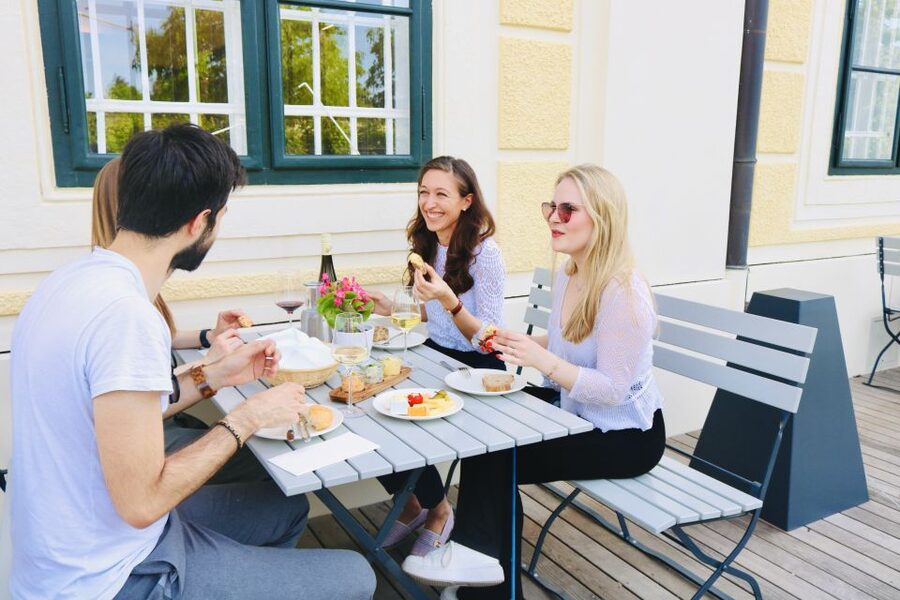
I would book this tasting if I wanted a convenient introduction to Vienna’s own wine culture during a Schönbrunn day. The five pours, the Heurigenjause, and the UNESCO-linked tavern tradition give the hour a clear local purpose.
I would skip it if I wanted a serious technical lesson, named wine expert, vineyard visit, or generous full glasses. The experience can be warm and personal, but the instruction may be uneven.
For the best fit, think of it as a pleasant cultural tasting with wine education, not a formal wine school. At $51, it earns its price when the setting and explanation matter as much to you as the drinks.
FAQ
Where does the wine tasting begin?
Meet at Restaurant Joseph II and report to the bar with your booking confirmation.
Where does the activity end?
The tasting ends back at Restaurant Joseph II, the same place where it begins.
How long does the experience last?
The wine tasting lasts one hour.
How many wines are included?
You receive five 1/16 glasses of Viennese wine.
Is food included?
Yes. A small Wiener Heurigenjause, a traditional wine tavern snack, is included.
Is entry to Schönbrunn Palace included?
No. Admission to Schönbrunn Palace and Schönbrunn Zoo is not included.
What languages are available?
The activity is available in English and German.
Can children join the tasting?
No. The activity is not suitable for children under 16. It is also not suitable for pregnant women.
More Food Tours in Vienna
- Vienna: Chocolate Workshop in Chocolate Museum w/ Tasting
★ 4.5 · 1,802 reviews - Vienna for Food Lovers: Cafés, Markets & Austrian Cuisine
★ 5.0 · 1,063 reviews - Vienna: Gerstner KuK Hofzuckerbäcker Baking Show & Tasting
★ 4.8 · 823 reviews - Authentic Vienna Food Tour inc. lunch, street food, 3 drinks
★ 5.0 · 749 reviews
Just added around Vienna
- Vienna: Johann Strauss 200th birthday anniversary exhibition★ 4.7 · 3 reviews
- Vienna Private Full Day Tour – Tickets to Schönbrunn & Lunch★ 5.0 · 3 reviews
- Private Tour from Vienna to Melk and Dürnstein★ 4.5 · 3 reviews
- Private Salzburg Day Trip from Vienna★ 4.0 · 3 reviews
- Vienna: Entry Ticket Belvedere 21 & Contemporary Art★ 4.3 · 3 reviews
- Full-Day Private Trip from Vienna to Budapest★ 4.5 · 3 reviews
- Vienna by Night: Private Evening Food and Drink Tour★ 5.0 · 3 reviews
- 1.5 Hour Cinematic Style Portrait Photoshoot and Tour in Vienna★ 4.5 · 3 reviews
Schönbrunn Palace Tours, compared.
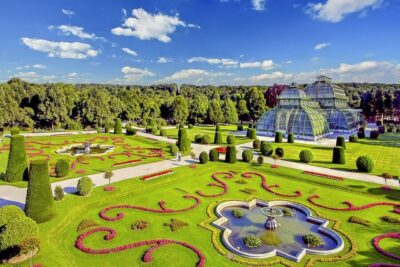
Schönbrunn Palace & Gardens Skip-the-Line Tour
Read our review →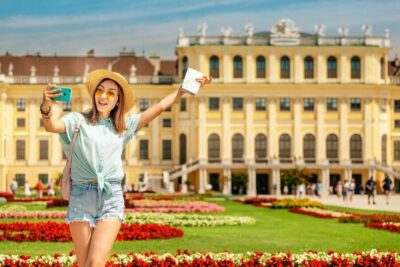
Skip-the-Line Schönbrunn Palace & Gardens Tour
Read our review →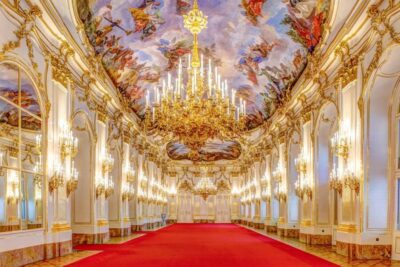
Bus & Schönbrunn Palace Skip-the-Line Guided Tour
Read our review →
Skip the Line Schönbrunn Palace and Gardens Guided Tour
Read our review →
Schönbrunn Palace & Garden Skip-the-Line Guided Tour
Read our review →
Panorama Train Tickets to explore Schönbrunn Palace
Read our review →
Skip-the-Line Schönbrunn Palace and Gardens Tour
Read our review →Browse the lists this tour appears in