
Reviewed · WINE TOURS
Vienna: Wine Tasting Experience in a Private Wine Cellar
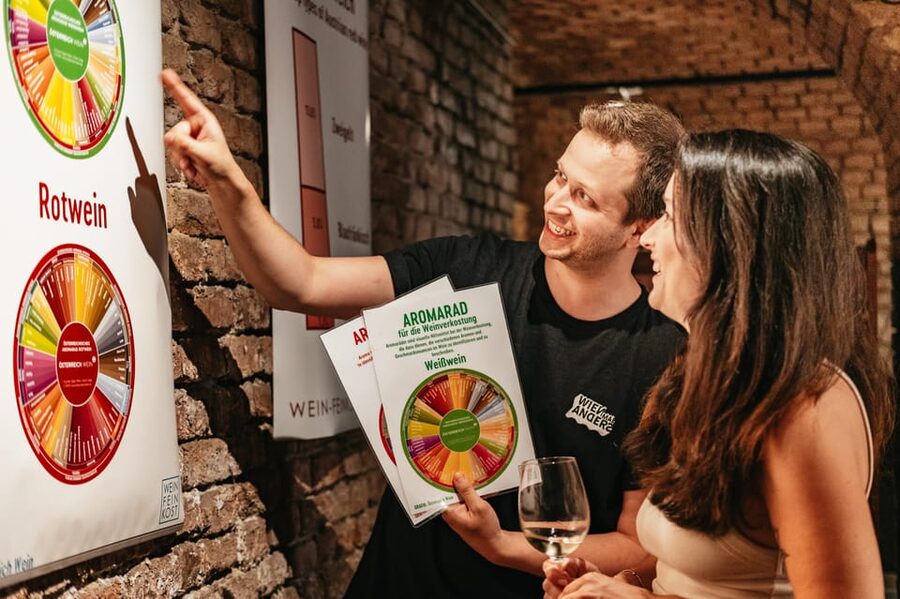
Vienna’s wine country begins closer to the city than many visitors realize. This tasting takes you below central Vienna into a private cellar, where local wine, old stone rooms, and stories reaching back to Roman times share the same setting. You sample three Austrian wines with regional cheese, cured meat, bread, and other small bites.
I like the way this experience joins wine and city history rather than treating the tasting as a string of glasses. I also like the small-group feel and the chance to ask questions directly, with guides such as Bernie, Cornelius, or Reinhard bringing their own style to the conversation. The main consideration is quantity: the basic tasting may feel brief for serious wine drinkers, and some guests wanted more than three pours.
In This Review
- Key points to know before booking
- Why a Vienna cellar is the right place to learn about local wine
- What happens during the 45 or 60-minute tasting
- The 2.5-hour route through three private cellars
- The 30-minute self-guided choice
- The wine selection and what you learn
- Why the food pairing matters
- The guides make a real difference
- The cellar experience: atmospheric, but not a staged museum
- Is $22 good value?
- Who should book this Vienna wine tasting?
- Should you book it?
- FAQ
- Where does the wine tasting take place?
- How long does the experience last?
- How many wines are included?
- What types of wine will I taste?
- Is food included?
- Is there a self-guided option?
- What languages are available?
- Are headphones provided?
- Can children join the tasting?
- Is the cellar accessible to wheelchair users?
Key points to know before booking
- Private cellar setting: Taste wine in an old, non-public cellar in central Vienna, with stories about its past uses.
- Three format choices: Select a 30-minute self-guided visit, a 45 or 60-minute tasting, or a 2.5-hour route through three cellars.
- Austrian focus: Expect typical Viennese and Austrian wines, often including two whites and one red in the three-wine format.
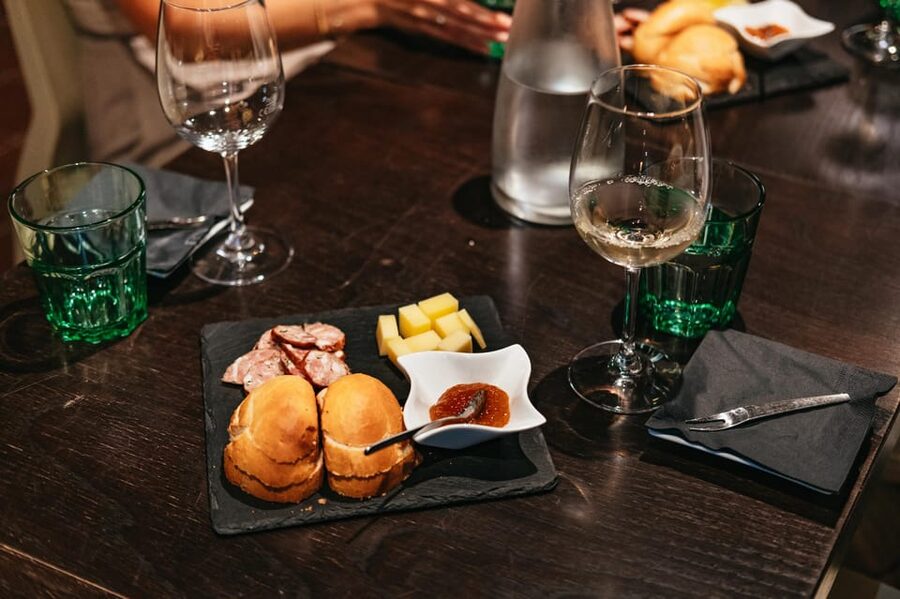
- Food pairings included: Regional cheese, cured meat, bread, chutney, and other delicacies accompany the wine.
- Small-group advantage: The setting works best when you want to ask questions and meet other wine drinkers.
- Important limits: The experience is not suitable for children under 16, wheelchair users, or people with mobility impairments.
Why a Vienna cellar is the right place to learn about local wine
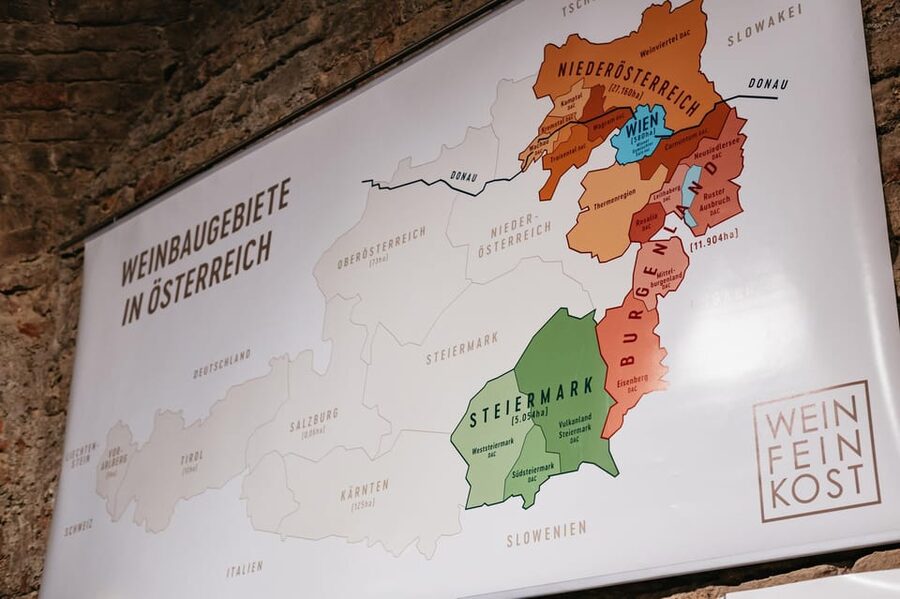
Vienna is unusual among European capitals because vineyards still surround the city. The local wine area covers about 600 hectares, so Viennese wine is not just a product brought in from another part of Austria. It belongs to the city’s own story.
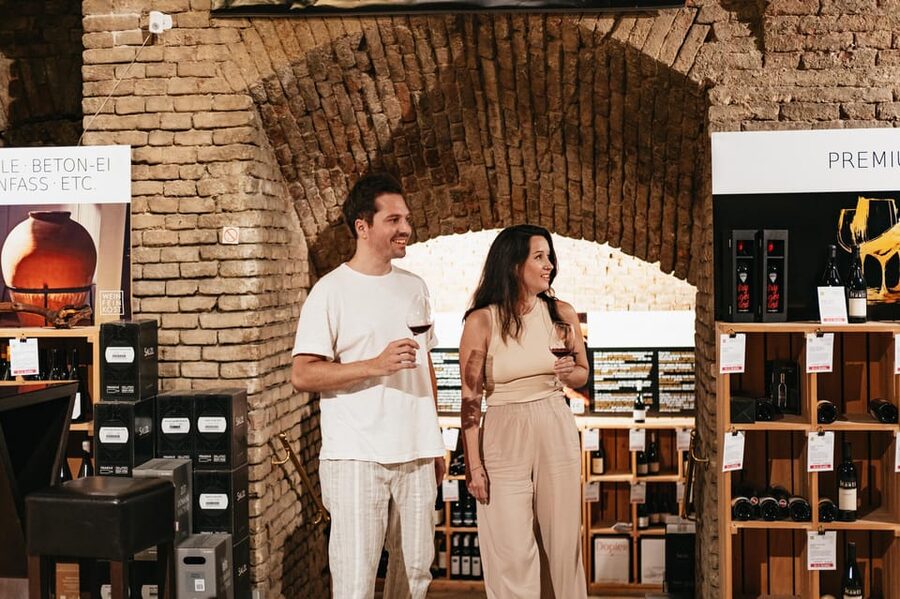
That idea comes through best below street level. Instead of sitting in a polished tasting room with no sense of place, you enter a private cellar with older rooms and former uses that are part of the conversation. The cellar itself is a reason to book, even if you are still learning the difference between Grüner Veltliner and a red Zweigelt.
The guide connects the wine trade to Vienna’s Roman past and to traditions that continue today. You will hear how viticulture developed in the region, how local customs shaped wine culture, and how Vienna remains linked to vineyards beyond the grand palaces and museums.
I find this useful for two reasons. First, wine makes more sense when you know where it comes from. Second, the setting gives the tasting a clear identity. You are not simply sampling Austrian bottles. You are learning why wine belongs in Vienna.
More Vienna wine tastings:
- Wachau Valley Wine Tasting Bike Tour from Vienna
★ 5.0 · 829 reviews - Vienna: Swarovski House Tour with Champagne and Gift
★ 4.7 · 787 reviews - Countryside Half Day Wine Tour near Vienna
★ 5.0 · 545 reviews
What happens during the 45 or 60-minute tasting
The classic option is the most practical choice for many visitors. You spend 45 or 60 minutes in one private cellar and taste three or four wines, depending on the option you select.
The guide introduces Viennese and Austrian wine before serving the pours. You can expect the session to cover local wine regions, basic ways to understand a wine, and the place of wine in Austrian culture. The guide’s approach can vary. Some sessions are lively and conversational, while others depend more on you asking questions.
The three-wine format commonly features two white wines and one red. That gives you a useful introduction to Austrian styles, but it is not a full survey of the country’s wine regions. If you already drink wine often, three samples may leave you wanting more. One available option includes four wines, so check the exact description before paying.
The food makes the short session feel more complete. Expect regional delicacies such as cheese, cured meats, and bread. Some tastings also include other local products, and the spicy apricot chutney has received particular praise. Vegetarian and non-vegetarian choices have been served, though the exact selection can vary.
A 45-minute appointment suits a busy sightseeing day. You can fit it between central Vienna sights without giving up half an afternoon. The 60-minute choice gives the guide more time to explain the wines and answer questions, so I would pick that one if you are new to Austrian wine or want a calmer pace.
The 2.5-hour route through three private cellars
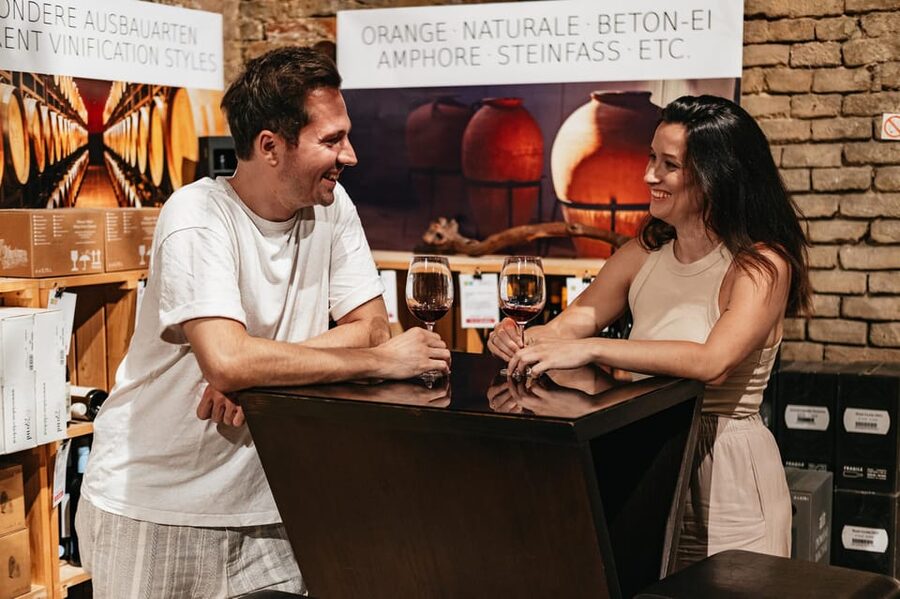
The longest option changes the shape of the experience. Instead of staying in one cellar, you visit three private cellars, each with its own rooms and stories. This is the best choice if the unusual spaces matter as much to you as the wine.
The cellars have different former uses and different atmospheres. Some rooms feel like old storage spaces, while others have a connection to the city’s past that may be surprising or unsettling. The appeal is not polished wine tourism. It is the chance to see places that you would not normally enter on your own.
Because the route lasts up to 150 minutes, you have more time for conversation and a broader look at the city’s underground spaces. The exact number of wines and the format at each stop depend on the option description, so read those details closely. Do not assume that the longer tour simply means a much larger number of pours.
This option is a better fit for a dedicated wine fan, a history enthusiast, or someone who has already seen Vienna’s major sights. It may be too much if you only want a quick taste before dinner. The meeting point can also vary by booking option, so confirm it carefully before heading out.
The 30-minute self-guided choice
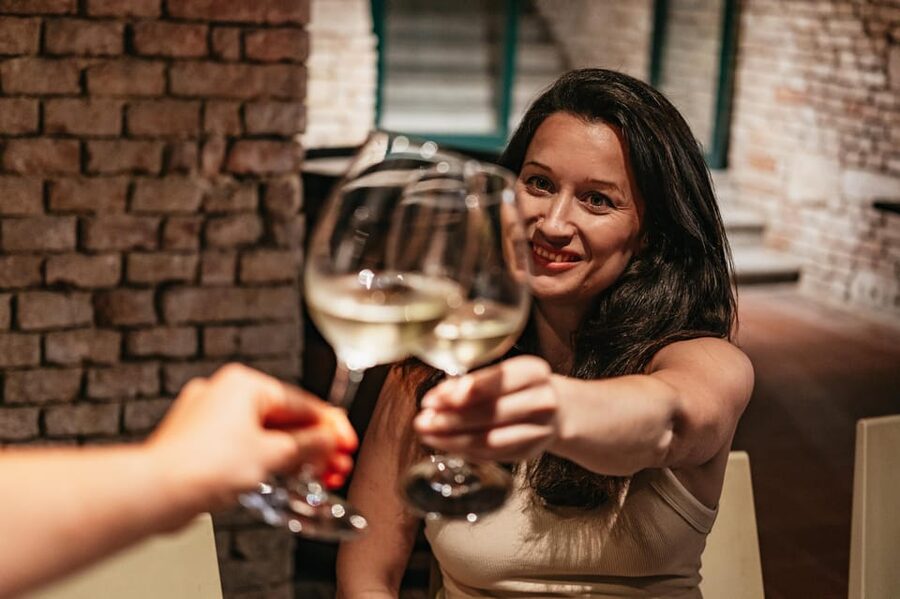
The shortest version lasts 30 minutes and includes a glass of local wine with an audio guide, if that option is selected. It is designed for visitors who want a quick introduction rather than a long hosted tasting.
This format gives you more control over your time. You can look around the cellar, listen in German or English if an audio guide is included, and enjoy a local glass without committing to a longer appointment.
The tradeoff is personal contact. A live guide can adjust the talk to your interests, explain a confusing wine term, or answer a question about Austrian customs. The self-guided option cannot do that in the same way. You also need to bring your own headphones, since they are not included.
I would choose this version only if your schedule is tight or you prefer to explore at your own pace. If you want stories, discussion, and food pairings, the hosted 45 or 60-minute tasting offers more.
More food tours in Vienna:
- Vienna: Chocolate Workshop in Chocolate Museum w/ Tasting
★ 4.5 · 1,802 reviews - Vienna for Food Lovers: Cafés, Markets & Austrian Cuisine
★ 5.0 · 1,063 reviews - Vienna: Gerstner KuK Hofzuckerbäcker Baking Show & Tasting
★ 4.8 · 823 reviews - Authentic Vienna Food Tour inc. lunch, street food, 3 drinks
★ 5.0 · 749 reviews
The wine selection and what you learn
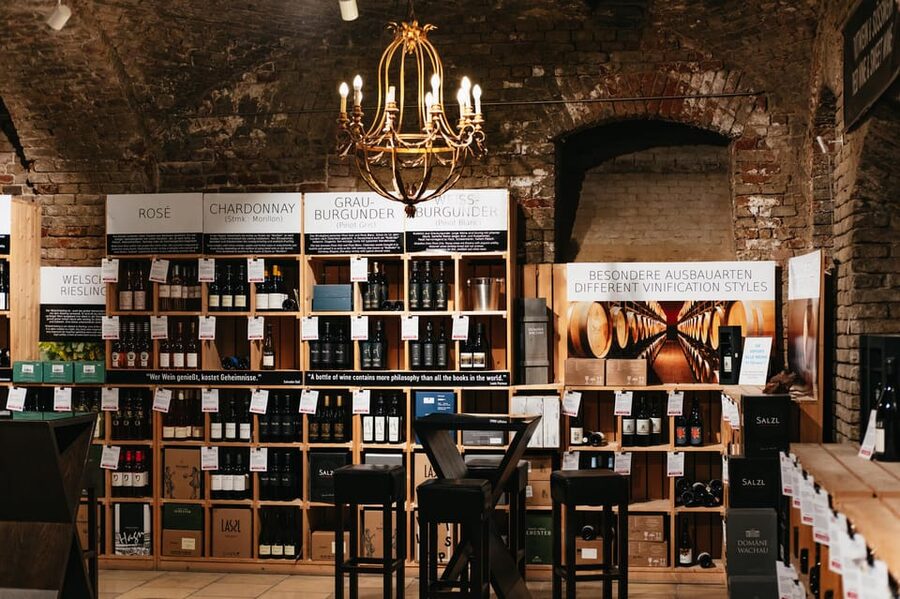
The wines are presented as typical Viennese and Austrian examples. The tasting is not aimed only at experienced drinkers. One guide helped a visitor who knew very little about wine follow the discussion, and another guest even found a white wine they normally enjoyed despite not being a white-wine fan.
That is a good sign for beginners. You do not need to know wine vocabulary before you arrive. The guide can explain how to define a wine, how the cellar relates to storage, and how Austrian wines fit into the country’s wider wine culture.
Expect the main focus to be context, not formal wine-school training. You may learn about grapes, regional styles, and tasting basics, but the amount of detail depends on the guide and on the questions from the group. One session was described as more useful when participants asked questions rather than waiting for a formal lecture.
For that reason, come prepared with two or three things you want to know. Ask about the difference between Viennese wine and wine from other Austrian regions. Ask which bottle best suits a local meal. Ask how the wine is normally served in Vienna. You will get more from the experience if you treat it as a conversation.
The three pours are proper tasting portions rather than a token sip, according to the available feedback. Still, this is not a substitute for a full winery day in the Austrian countryside. The attraction is the city cellar and the local connection.
Why the food pairing matters
The snacks are modest, but they serve a real purpose. Cheese, meat, and bread help you notice how the wines change with food, and they prevent the tasting from feeling like three isolated drinks.
The regional products also widen the experience beyond wine. You get a small introduction to Austrian food traditions, often from local producers. The portions have generally been enough to accompany the tasting, though one or two people wanted more snacks for the price.
Do not book this expecting a full meal. If you are hungry, eat beforehand or plan dinner afterward. Think of the food as a tasting board, not lunch. The spicy apricot chutney is a memorable touch, and vegetarian and non-vegetarian items have both been available.
I particularly like this part for non-experts. Food gives you an easy way into wine. You can compare a wine with bread and cheese without worrying about using the right tasting language.
The guides make a real difference
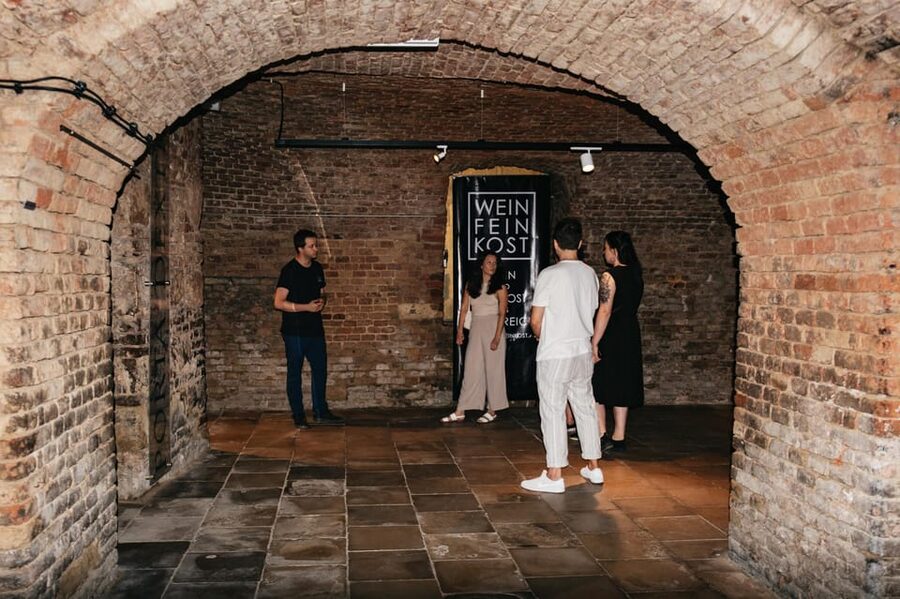
Several guides have led this experience, including Bernie, Cornelius, and Reinhard Grebien, who was identified in one session as a coffee expert. Bernie has been praised for his friendly manner, clear explanations, and ability to keep the group relaxed. Cornelius has also been described as charismatic and able to connect Vienna’s history with the development of its wine trade.
The guide is one of the strongest parts of the experience, but it also means no two sessions will feel exactly alike. Some guides may spend more time on history, while others focus on the wines or on informal conversation.
Groups have sometimes been very small, with four people in one session, while another group had 10. A small group gives you a better chance to ask questions and talk with the guide. It also makes the cellar feel more intimate. Larger groups can still work, but you may need to speak up if you want individual attention.
Solo visitors should find this format easy to join. The shared table and relaxed tasting give you a natural way to meet people, and the activity does not require you to arrive as part of a large party.
The cellar experience: atmospheric, but not a staged museum
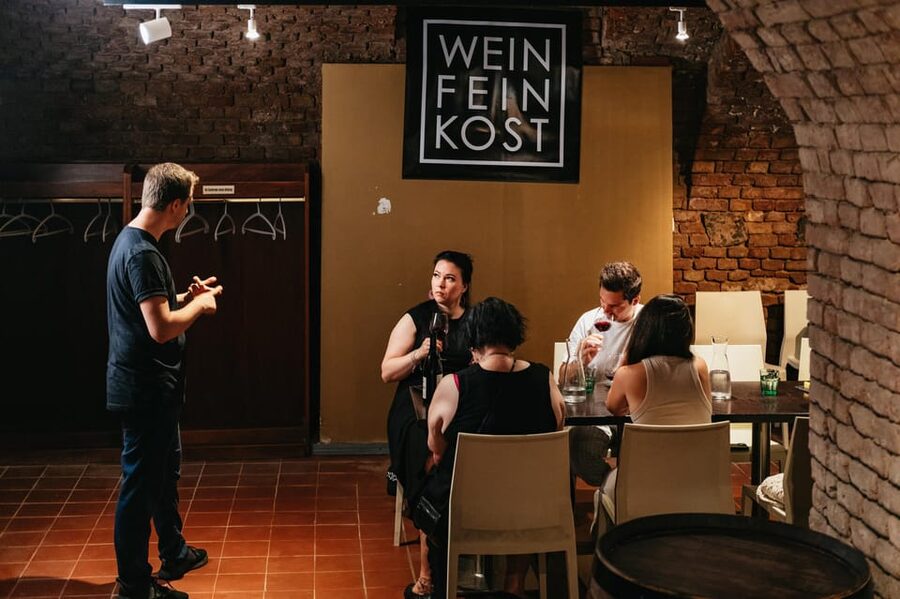
The private cellar is the star setting. You may see several levels, old rooms, and spaces connected with earlier uses of the building. The four-level basement has impressed people who enjoy architecture and city archaeology as much as wine.
Keep your expectations realistic. The experience is not necessarily a guided tour through every level. In some formats, you sit at a table while the guide serves the wine, and only part of the cellar is used for the tasting. One visitor felt that the other rooms would have benefited from more wine racks or displays.
That is a fair point. The cellar has atmosphere because it is old and private, not because every corner has been arranged as an exhibit. If you want a formal museum tour, this may feel light on interpretation. If you enjoy places with a past and a little mystery, the informal quality is part of the charm.
Some former uses of the cellars are described as unsettling. The stories add character, but the activity remains a wine tasting first. The history supports the wine rather than replacing it.
Is $22 good value?
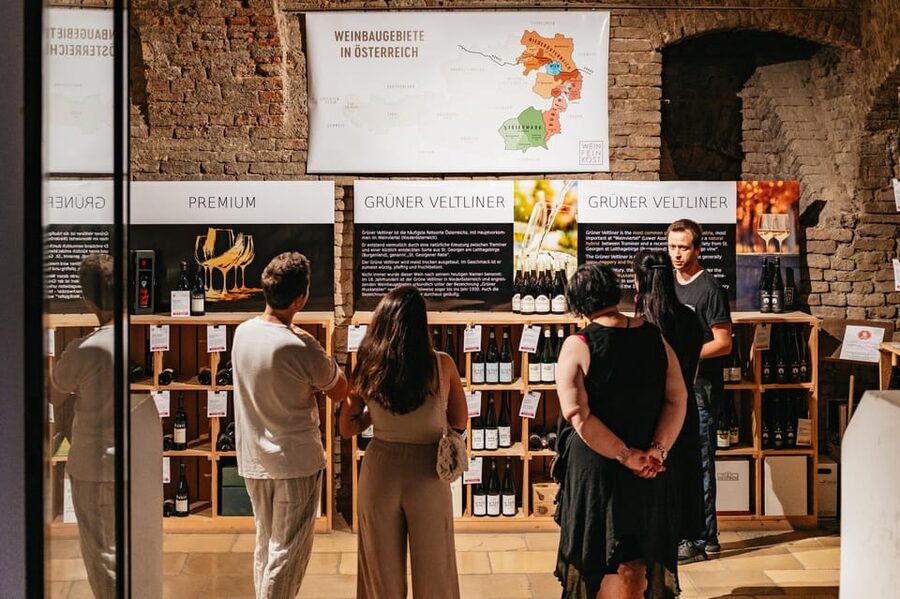
At the listed price of $22 per person, the standard tasting offers solid value if you care about both the setting and the information. You receive access to a private cellar, three local wine tastings, and regional delicacies. That is a useful package in central Vienna, especially when the guide adds city history and wine instruction.
The value is strongest for beginners and casual drinkers. You get an introduction without paying for a long countryside excursion or a formal sommelier course. The price also works well for a short activity on a sightseeing day.
Serious wine drinkers should compare the exact option before booking. Three wines may feel thin if you expected a broad flight, and some people wished the pours or snacks continued longer. The four-wine option or the 2.5-hour route may better fit your expectations, though the supplied details do not state that every extra option costs the same.
The headline price should therefore be treated as a starting point, not a promise that every format includes the same amount. Check the selected duration, wine count, number of cellars, and audio guide details.
Who should book this Vienna wine tasting?
I would recommend it to:
- First-time visitors who want a local activity outside the usual palace circuit
- Beginners who want an easy introduction to Austrian wine
- Solo visitors looking for a small social activity
- Couples who prefer history and conversation to a large commercial tour
- Wine fans interested in Viennese vineyards and underground cellars
- Repeat visitors who have already covered central Vienna’s main landmarks
It is less suitable for children under 16, wheelchair users, and people with mobility impairments. Cellars can also be a poor match if you dislike confined or uneven historic spaces, though the available information does not describe every surface or stairway.
If you want a full meal, a large number of wines, or a countryside vineyard visit, choose something else. If you want a compact city experience that links wine, food, and old rooms, this is a smart choice.
Book at least 24 hours ahead only if you want the protection of free cancellation, since cancellations made up to that point qualify for a full refund. You can also reserve now and pay later, which helps if your Vienna schedule is still changing. The meeting point varies, so read the instructions for your chosen format.
Should you book it?
Yes, if you want a small, personal introduction to Austrian wine in an unusual central Vienna setting. The guides are friendly and well informed, the cellar adds genuine atmosphere, and the cheese, meat, bread, and other local bites make the tasting feel grounded in place.
Choose the 45 or 60-minute hosted version for the best balance of time and value. Pick the longer cellar route if you care most about the underground spaces and their stories. Choose the 30-minute audio format only when speed matters more than conversation.
The one warning is simple: three wines and a small snack board do not make a grand wine feast. But at $22, this is a sensible way to understand why vineyards still belong to Vienna, and it gives you a story to carry into your next glass.
FAQ
Where does the wine tasting take place?
It takes place in a private wine cellar in the heart of Vienna. The exact meeting point may vary according to the option you book.
How long does the experience last?
Available formats last 30, 45, 60, or 150 minutes. Check the selected option for the exact duration.
How many wines are included?
The standard tasting includes three wines. A 60-minute option may include four wines, depending on the selected description.
What types of wine will I taste?
You will taste typical Viennese and Austrian wines. The three-wine format has commonly included two whites and one red.
Is food included?
Yes. Regional delicacies are included, such as cheese, cured meat, bread, and other local products. The food is intended as a pairing, not a full meal.
Is there a self-guided option?
Yes. The 30-minute option is self-guided and includes a glass of local wine. An audio guide is available if included in the option you select.
What languages are available?
Live guides are available in English and German. The optional audio guide is also available in English and German.
Are headphones provided?
No. Headphones are not included, so bring your own if you choose an audio guide option.
Can children join the tasting?
No. The experience is not suitable for children under 16.
Is the cellar accessible to wheelchair users?
No. The activity is not suitable for wheelchair users or people with mobility impairments.
Just added around Vienna
- Private Tour from Vienna to Melk and Dürnstein★ 4.5 · 3 reviews
- Vienna: Johann Strauss 200th birthday anniversary exhibition★ 4.7 · 3 reviews
- Vienna Private Full Day Tour – Tickets to Schönbrunn & Lunch★ 5.0 · 3 reviews
- Private Salzburg Day Trip from Vienna★ 4.0 · 3 reviews
- Vienna: Entry Ticket Belvedere 21 & Contemporary Art★ 4.3 · 3 reviews
- Full-Day Private Trip from Vienna to Budapest★ 4.5 · 3 reviews
- Vienna by Night: Private Evening Food and Drink Tour★ 5.0 · 3 reviews
- 1.5 Hour Cinematic Style Portrait Photoshoot and Tour in Vienna★ 4.5 · 3 reviews
Wine Tours, compared.
Wachau Valley Wine Tasting Bike Tour from Vienna
Read our review →
Wachau Valley Small-Group Tour and Wine Tasting from Vienna
Read our review →
Grape Grazing: Wachau Valley Winery Biking Tour
Read our review →
Schlumberger Wine Cellar Guided or Self-Guided Tour
Read our review →Browse the lists this tour appears in