
Reviewed · 2-HOUR EXPERIENCES
Vienna’s Highlights in two hours (two options)
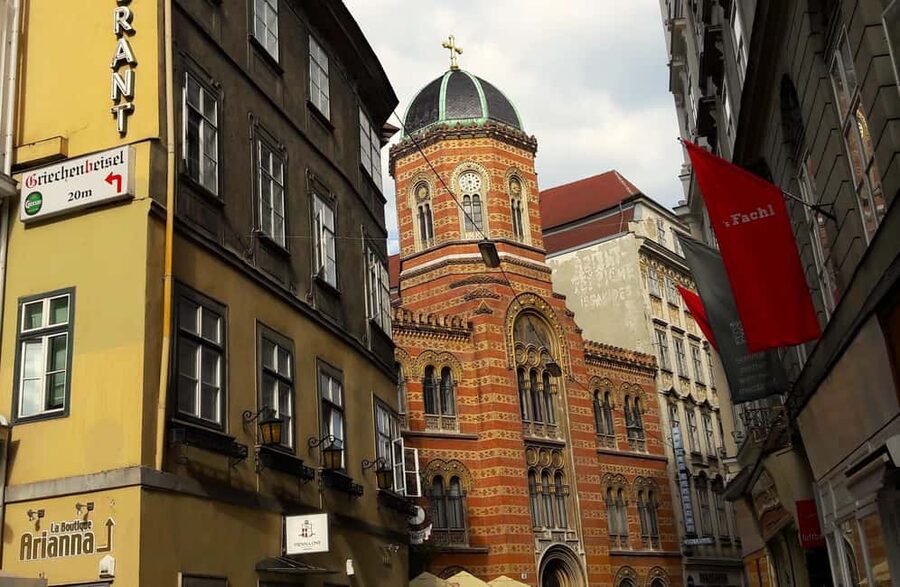
Vienna’s Greek Quarter packs an unusual amount of story into a short walk. In two hours, you move from medieval legends and plague folklore to Greek merchants, early printing houses, Habsburg history, and Art Nouveau facades that many visitors pass without a glance.
I like the way this tour focuses on Fleischmarkt, Griechengasse, Schönlaterngasse, and Lugeck, rather than repeating Vienna’s most obvious sights. I also like the private format, headsets, and the fact that guide Nicole can answer questions as you go. The main consideration is that this is a niche history walk, not a broad introduction to every major Vienna landmark, and it is not suitable for wheelchair users.
In This Review
- Key points at a glance
- Why Vienna’s Greek Quarter makes a good short tour
- Meeting near Stubentor and choosing between the two options
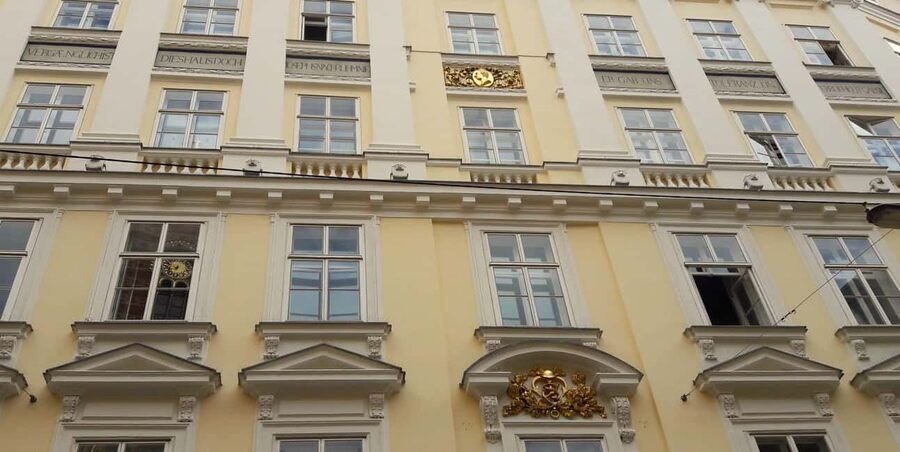
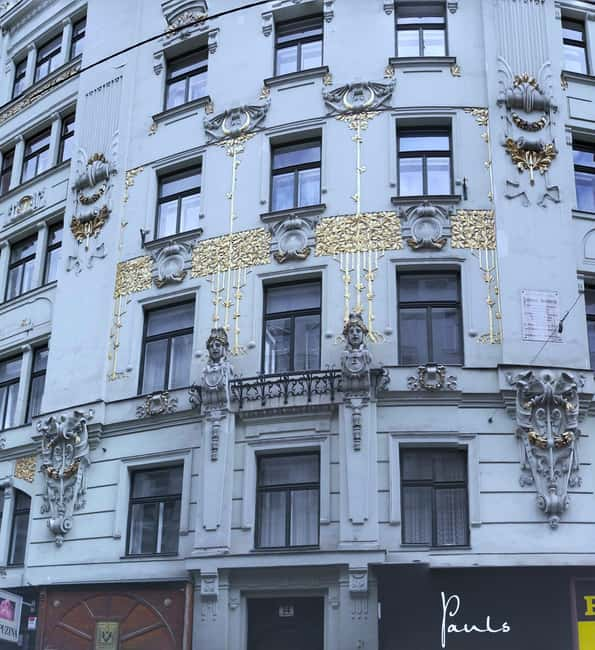
- Fleischmarkt and Vienna’s little-seen Art Nouveau
- Griechengasse and the quarter’s Greek connections
- Schönlaterngasse and stories of Augustin and the basilisk
- Lugeck, printing, and the early Habsburg period
- A private walk with Nicole and clear audio
- Who should book this Vienna walk
- Booking value, timing, and cancellation
- Should you book Vienna’s Highlights in Two Hours?
- FAQ
- How long does the tour last?
- Where does the tour start?
- Is hotel pickup available?
- Which languages are available?
- Is this a private tour?
- Is the tour suitable for wheelchair users?
- Can I cancel for a refund?
Key points at a glance
- A two-hour tour of the Greek Quarter: Explore one of central Vienna’s more unusual historic districts, with links to Greek merchants, intellectuals, churches, taverns, and the Danube.
- Legends with a local flavor: Hear the story of Augustin, the basilisk saga, and tales of alchemists and medieval scientists.
- Overlooked Art Nouveau: Study decorative buildings around Fleischmarkt and connect their design to Vienna’s early printing houses.
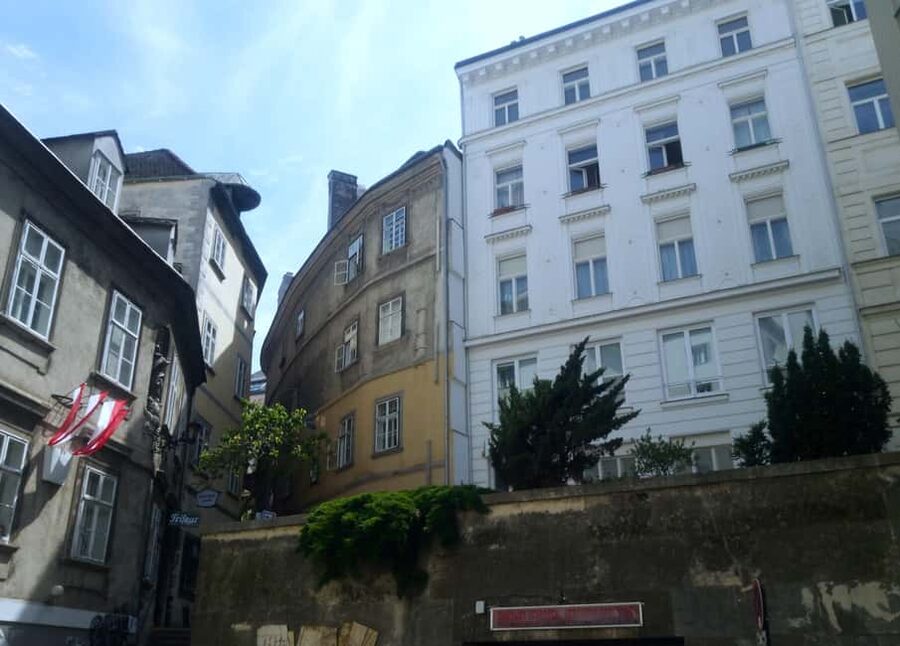
- The oldest residential tower: See a very old surviving residential structure in the center and learn why this part of Vienna mattered.
- Private and easy-paced: Headsets help you hear the guide, and the walk is described as easy rather than strenuous.
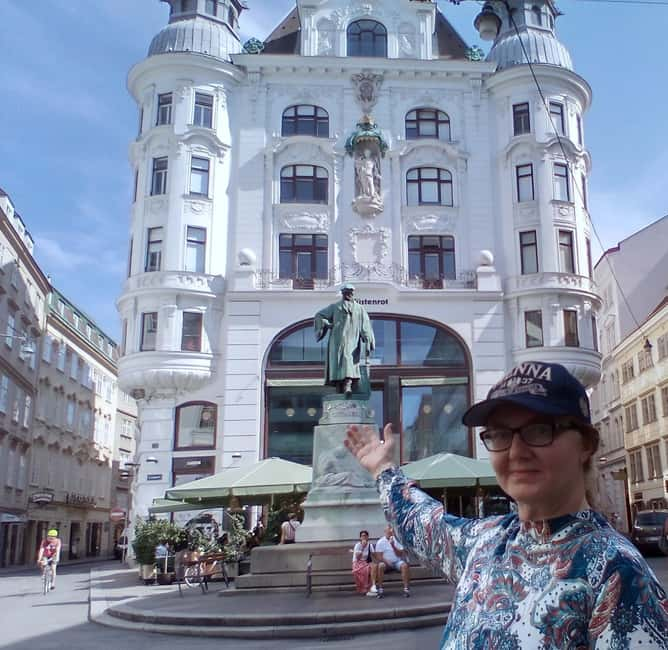
- Flexible meeting choices: Meet near the Dr. Karl Lueger monument by Stubentor, or arrange a meeting at your hotel lobby or a public transport station.
Why Vienna’s Greek Quarter makes a good short tour
Most first visits to Vienna revolve around the Hofburg, St. Stephen’s Cathedral, grand museums, and Ringstrasse architecture. Those places deserve their time, but this walk offers a different view of the city. The Greek Quarter is tied to trade, migration, religion, printing, folklore, and the early growth of Vienna as a political center.
You’ll walk through an area where Greek merchants and intellectuals were active in the 18th century. Their presence helped shape the quarter, and the tour connects that story with the later path toward Greek independence. That gives the neighborhood a wider importance than its quiet lanes and compact streets might suggest.
The route also moves across several layers of Vienna’s past. Medieval stories appear beside later architecture. Printing history meets Habsburg politics. Art Nouveau decoration sits on buildings that connect to older commercial and religious life. I find that kind of contrast more useful than a simple list of dates because it helps you read the city as you walk.
This is also a good choice if you have only a morning or afternoon in Vienna. At $24 per person, the price is modest for a private, live-guided walk with a fixed two-hour length. The value depends on your interests. If you want major monuments and interior visits, spend your money elsewhere. If you enjoy local stories and architectural details, the cost is reasonable.
A few more Vienna tours worth weighing up
- Vienna: Romantic Old Town 2-Hour Discovery Tour
★ 4.7 · 816 reviews - Vienna: 2 Hours Sightseeing Walking Tour
★ 4.8 · 332 reviews - Vienna: 2-Hour Historical Crimes Guided Walking Tour
★ 4.8 · 130 reviews
Meeting near Stubentor and choosing between the two options
The usual starting point is near the Dr. Karl Lueger monument, close to the Stubentor subway station. This is a practical place to begin because it puts you near the historic first district without requiring a car transfer.
The optional pickup does not mean a private vehicle. The guide meets you in your hotel lobby or at a public transport station agreed on by email, then uses Vienna’s public transport to reach the historic center. Car or bus pickup is not offered, so you should allow a little flexibility if you choose this option.
The two options mainly affect how you begin. One keeps things simple with a central meeting point. The other is useful if you are staying outside the center or want help getting to the starting area. I would choose the standard meeting point if you are comfortable with Vienna’s transit system. I would choose the pickup option if your hotel is unfamiliar with the center or you want the guide to organize the first connection.
The tour takes place rain or shine. Since much of the experience depends on looking at streets and building fronts, bring suitable clothing and shoes for the forecast. The walk is described as easy, with little strenuous walking, but it remains an outdoor city tour.
Fleischmarkt and Vienna’s little-seen Art Nouveau
Fleischmarkt is one of the strongest sections for architecture. Here, the guide points out Art Nouveau buildings that are often missed by people hurrying toward Vienna’s headline sights.
The appeal is not only the decoration. You’ll learn how these facades connect with the first printing houses in Vienna and with stories tied to the area. That link gives the architecture a purpose. Instead of simply admiring curves, ornament, and period details, you begin to see how business, publishing, and urban life shaped the street.
This part of the walk should suit you if you like looking up. Vienna rewards attention to doorways, upper floors, signs, and small design details, but you may not notice them without direction. The silent guide system, with headsets, helps you listen while looking around rather than standing close to the guide in a noisy street.
The word unknown is worth taking seriously here. This is not a guided visit to a famous Art Nouveau museum. You’ll be studying exterior architecture in an active central neighborhood, with the guide explaining connections that are easy to miss on your own. If you want long periods inside buildings, this section may feel limited.
Griechengasse and the quarter’s Greek connections
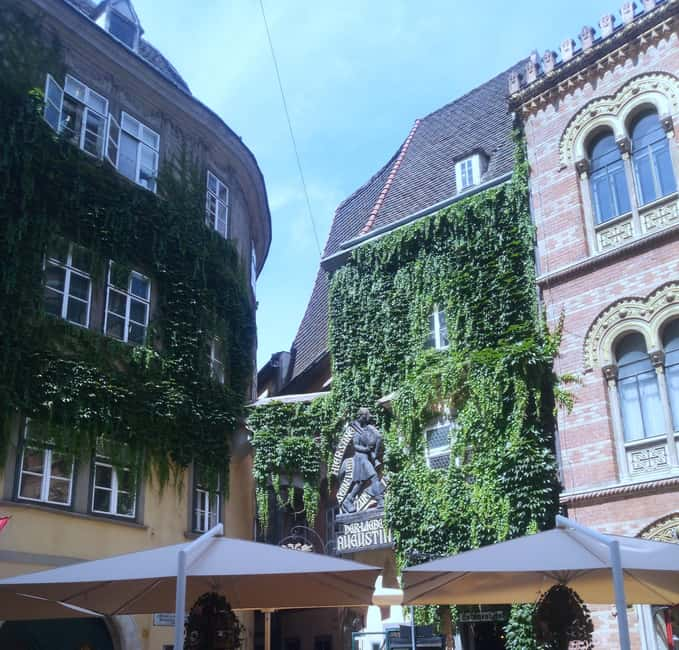
Griechengasse brings the Greek side of the neighborhood into clearer view. The street is presented as part of an old border area near the Danube, and the guide links its development to Greek merchants and intellectuals who worked and lived in Vienna.
The story reaches beyond local commerce. The quarter played a role in preparing the way for Greek independence, making this a useful stop for anyone interested in how political ideas moved through European cities. Vienna was not only a Habsburg capital. It was also a place where people, books, money, and ideas crossed borders.
You can expect references to churches, taverns, and printing houses in the Greek neighborhood. These details help explain how a community functioned rather than reducing it to a single monument. The setting is especially valuable if you want to understand the center through the people who used its streets, not just through imperial buildings.
The guide may also point out passages and architectural features that are difficult to identify without help. Keep in mind that the tour is not an underground excursion. You are walking through public streets and viewing historic places from above ground.
A different side of Vienna on the same trip:
- Vienna: Vivaldi’s Four Seasons Concert in Karlskirche
★ 4.7 · 14,951 reviews - Vienna: Spanish Riding School Training
★ 3.9 · 9,281 reviews - Vienna: Skip-the-cashier-desk-line Giant Ferris Wheel Ride
★ 4.5 · 7,859 reviews - Vienna: Schönbrunn Palace & Gardens Skip-the-Line Tour
★ 4.7 · 7,739 reviews
Schönlaterngasse and stories of Augustin and the basilisk
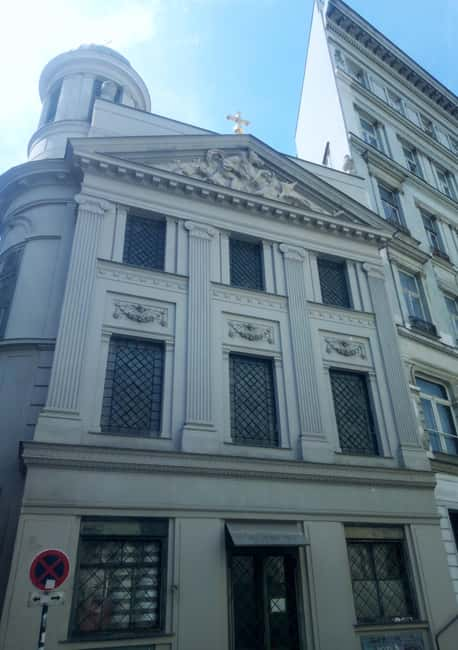
Schönlaterngasse adds the folklore. The route includes the saga of the basilisk, one of Vienna’s best-known local legends, along with other stories connected to the quarter.
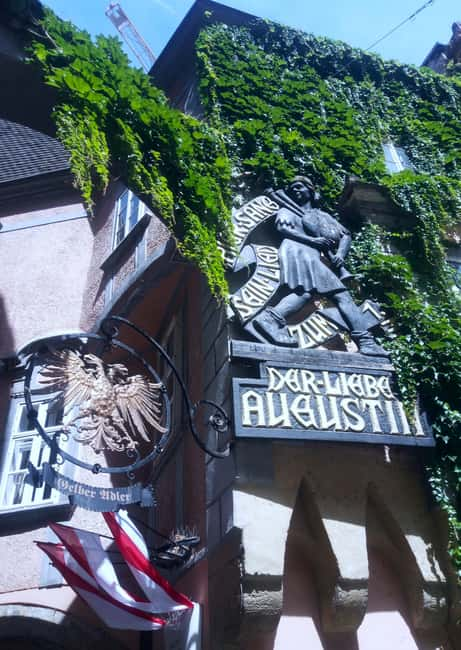
You’ll also hear about Augustin, a figure linked to the plague years and to the hope he gave people during a frightening period. The story is presented as part of the neighborhood’s memory, showing how songs, legends, and public figures can help a city cope with disaster.
The walk also touches on alchemists and medieval scientists. These tales give the quarter a slightly mysterious quality without turning the tour into a ghost walk. I would expect the guide to use the legends as a way into the period’s beliefs and intellectual life, not as proven historical fact.
That distinction matters. Vienna’s old streets are full of stories that sit somewhere between documented events and popular tradition. A good guide helps you enjoy both sides. You’ll get the atmosphere of the legends while also hearing how they fit into the city’s wider past.
Lugeck, printing, and the early Habsburg period
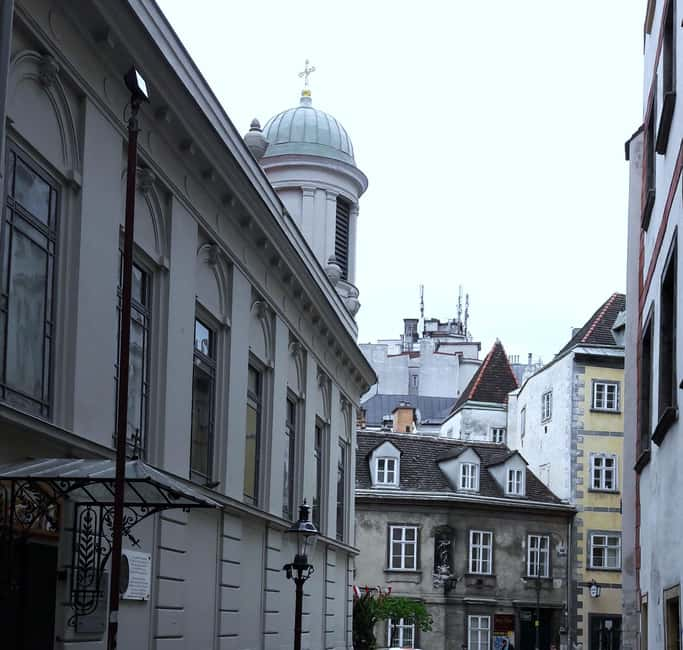
At Lugeck, the tour connects Vienna’s printing history with events from the beginning of the Habsburg monarchy. This is one of the more ambitious parts of the route because it joins a local street with major political and cultural change.
Early printing mattered enormously in a city where books could spread religious, scientific, political, and literary ideas. The tour explains how this neighborhood was connected to the first printing houses in Vienna. You’ll also hear about patrons who supported musicians and about well-known composers whose music was heard in these surroundings.
That mix gives Lugeck several points of interest. It is not only an architectural stop. It is also a place to think about who had money, who created culture, and how publishing helped ideas circulate. For me, these connections are the reason to choose this tour instead of simply wandering the quarter with a guidebook.
The listed route includes Lugeck 6 and the Austrian Parliament as possible drop-off points, while the general meeting information says the activity ends back at the meeting point. Since the two options can affect the beginning and listed end points, confirm the exact finish when you book.
A private walk with Nicole and clear audio
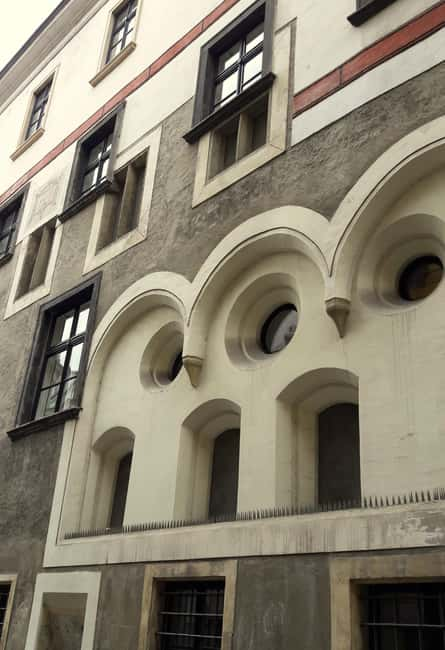
The experience is private, which changes the rhythm. You are not trying to keep up with a large group or wait while a guide repeats the same answer several times. You can ask about a facade, a legend, or a historical connection as soon as it catches your attention.
A review of the experience specifically praised Nicole’s friendly manner and her willingness to answer questions. The same account noted that she pointed out secret passages and architectural features that were hard to find alone. That is exactly the kind of detail a local walking tour should provide.
At the end, Nicole gave the group a map of Vienna’s historic center with illustrations of buildings. That is a useful extra, especially if this is your first day in the city. You can use it to retrace the route or plan nearby walks after the tour.
The headsets are another practical advantage. Central Vienna can be noisy, and a quiet voice is easy to lose when you are looking across a street or standing near passing traffic. You’ll hear the explanations clearly while keeping your attention on the buildings.
The advertised languages are English, German, and Italian. Recording the guide’s explanations is not allowed because the tour is protected by copyright, so plan to listen and take your own visual notes instead.
Who should book this Vienna walk
I would recommend this tour to you if you have already seen the major imperial sights or want a more focused introduction to central Vienna. It also suits visitors who enjoy legends, city architecture, printing, migration, and the way local streets connect to larger European events.
It is a strong fit for a short stay because the walk lasts two hours and does not demand a full day. The gentle pace can also work well if you want a history experience without a strenuous route.
Families may enjoy the basilisk and Augustin stories, though the wider discussion of printing and Habsburg history may appeal more to older children and adults. Since the tour is private, you can ask the guide to explain unfamiliar points at a useful level.
You should think twice if you want entry into major buildings, an underground visit, or a sweeping tour of Vienna’s most famous sights. This experience stays focused on streets, facades, stories, and connections. It is not designed to replace a general city tour.
The walk is not suitable for wheelchair users. The route is described as easy, but accessibility is a separate issue from physical effort, so check before booking if you have mobility needs.
Booking value, timing, and cancellation
At $24 per person, this is a low-cost way to add a specialist walk to a Vienna visit. Because the tour is private and includes a live guide with headsets, I consider it good value for people who want personal explanations rather than a self-guided route.
The two-hour length keeps the commitment manageable. Check the available starting times before you plan meals, museum visits, or a concert. The route can take place in any weather, so a covered alternative is not part of the experience.
You can cancel up to 24 hours before the start for a full refund. The reserve-now, pay-later option also lets you hold a place without paying immediately, which is useful when your Vienna schedule is still changing.
Should you book Vienna’s Highlights in Two Hours?
Book it if you want a compact, private walk through Vienna’s less obvious history. The combination of Greek Quarter stories, Augustin, the basilisk, early printing, the oldest residential tower, and overlooked Art Nouveau gives the tour a clear identity.
I would choose the standard Stubentor meeting point for the simplest plan. Pick the public-transport pickup option if you want help reaching the center. Just remember that the tour is above ground, outdoors, and focused on interpretation rather than grand interiors.
For $24, this is a sensible add-on for a curious visitor who likes finding meaning in ordinary streets. It will not show you all of Vienna, but it may change the way you look at the few blocks you walk through.
FAQ
How long does the tour last?
The guided tour lasts two hours.
Where does the tour start?
The usual meeting point is near the Dr. Karl Lueger monument by the Stubentor subway station.
Is hotel pickup available?
Optional pickup is available from your hotel lobby or an agreed public transport station. The guide uses public transport to reach the historic first district. Car and bus pickup are not offered.
Which languages are available?
The tour is available in English, German, and Italian.
Is this a private tour?
Yes. The activity is described as a private tour and includes a silent guide with headsets so you can hear the guide clearly.
Is the tour suitable for wheelchair users?
No. The activity is not suitable for wheelchair users.
Can I cancel for a refund?
Yes. You can cancel up to 24 hours in advance for a full refund. The reserve-now, pay-later option lets you book without paying immediately.
Just added around Vienna
- Private Tour from Vienna to Melk and Dürnstein★ 4.5 · 3 reviews
- Vienna: Johann Strauss 200th birthday anniversary exhibition★ 4.7 · 3 reviews
- Vienna Private Full Day Tour – Tickets to Schönbrunn & Lunch★ 5.0 · 3 reviews
- Private Salzburg Day Trip from Vienna★ 4.0 · 3 reviews
- Vienna: Entry Ticket Belvedere 21 & Contemporary Art★ 4.3 · 3 reviews
- Full-Day Private Trip from Vienna to Budapest★ 4.5 · 3 reviews
- Vienna by Night: Private Evening Food and Drink Tour★ 5.0 · 3 reviews
- 1.5 Hour Cinematic Style Portrait Photoshoot and Tour in Vienna★ 4.5 · 3 reviews
2-Hour Experiences, compared.

Transfer from Vienna to Salzburg with 2 hours for sightseeing
Read our review →
Private Transfer from Vienna to Budapest with 2 hours for sightseeing
Read our review →

Browse the lists this tour appears in