
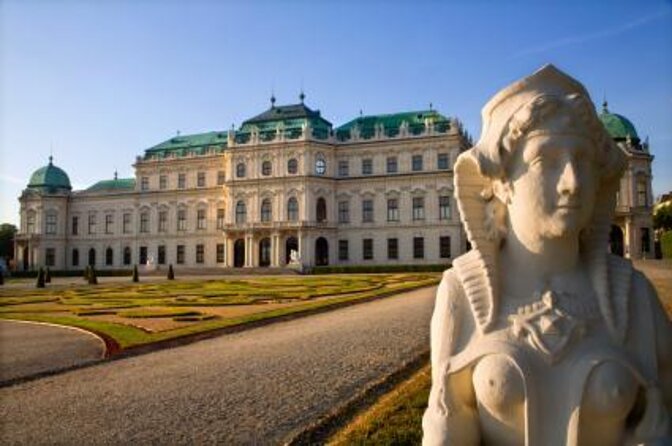
Reviewed · BELVEDERE PALACE TOURS
Belvedere Palace and Museum Tour
The main reason to book this Belvedere tour is simple: it gives you the story behind the palace, gardens, and art instead of leaving you to wander a large museum on your own. An art historian guide links Prince Eugene of Savoy, Vienna’s imperial past, and Gustav Klimt’s famous paintings into one clear visit.
I like the small-group format, which allows real conversation about the art, and I like that the tour begins outside, where the Baroque gardens and palace design make sense before you enter the galleries. The guides, including Barbara, Annelie, Stephen, Regina, and Susanna, are praised for turning art history into lively stories.
The catch is the price: $181.02 per person, with museum admission not included. You also need to reach the Belvedere yourself. This is a strong choice for people who want context and discussion, but less so if you prefer a quick look at The Kiss and a free hour to explore alone.
In This Review
- Key points to know before booking
- Why the Belvedere works best with a guide
- Walking through Prince Eugene’s Baroque gardens
- Entering the Upper Belvedere and its museum
- Understanding The Kiss beyond the photograph
- How the small group changes the experience
- What the $181.02 price really covers
- Meeting point, transport, and timing
- Who will get the most from this Belvedere tour
- My verdict: book it for context, not just Klimt
- FAQ
- Where does the Belvedere Palace and Museum Tour begin?
- Where does the tour end?
- How long does the tour last?
- Is museum admission included in the price?
- What language is the tour offered in?
- Is transportation included?
- How many people can join the tour?
- Can most people participate?
- What is the cancellation policy?
Key points to know before booking
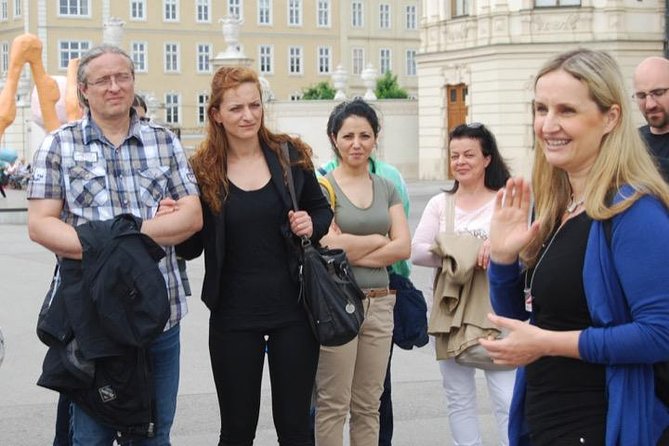
- Prince Eugene’s gardens come first: You begin with the palace grounds and learn how the formal design expressed power, order, and aristocratic taste.
- Klimt is a major attraction: The Kiss, Judith, Attersee scenes, and portraits are central highlights, but the tour also covers other Austrian and international artists.
- The guide makes the difference: Barbara, Annelie, Stephen, Regina, Peter, Selin, and others are praised for combining art, politics, architecture, and Vienna’s story.
- The group is kept small: The tour is described as limited to six people, while the additional information also gives a maximum of eight. Confirm the exact cap when booking.
- Admission costs extra: Your guide can help you purchase the museum ticket at the start, but that fee is not part of the tour price.
- Plan on 2.5 hours: That is enough for a well-shaped introduction, but not enough for every room and every period in the collection.
Why the Belvedere works best with a guide
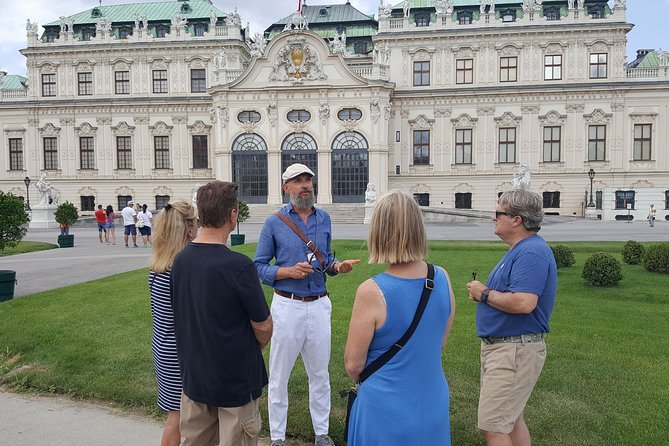
The Belvedere is not just a palace with a famous Klimt painting attached. It is a large cultural stop with several layers: Prince Eugene’s summer residence, an example of grand Baroque design, formal gardens shaped by classical ideas, and a museum containing Austrian and international art from the Middle Ages to the present.
You can certainly walk through it alone. The problem is that the place gives you more information than most people can organize in one visit. You may recognize The Kiss, pause for a photograph, and then move on without understanding why Klimt mattered, how his work fit into Vienna’s artistic life, or what the palace itself was meant to communicate.
This tour gives you a route and a point of view. Your guide explains the building before asking you to look closely at the pictures inside. That order matters. The gilded rooms and formal grounds are not just decoration. They help explain the world in which the collection was formed and displayed.
The strongest part of the experience is the connection between subjects. Guides such as Stephen and Barbara are praised for linking individual paintings to Vienna’s political and social story. Annelie is described as a gifted storyteller who explains the people and political climate behind the art. That sort of background can make a familiar painting feel less like an isolated masterpiece and more like part of a living city.
More of the Belvedere:
- Entry Ticket Upper Belvedere, Klimt’s Kiss & Permanent Collection
★ 4.5 · 831 reviews - Vienna: Lower Belvedere Entry Ticket & Temporary Exhibitions
★ 4.1 · 275 reviews - Vienna: Belvedere Palace Skip-the-Line Tour
★ 4.9 · 197 reviews
Walking through Prince Eugene’s Baroque gardens
The visit begins at Belvedere Palace in Vienna’s 1030 district. The first portion focuses on the grounds, and this is more than a short walk to the museum entrance.
Prince Eugene of Savoy created the Belvedere as a summer residence in the early 18th century. He was the commander-in-chief of the Austrian army and one of the most successful military commanders of his age. The palace was designed to project control, refinement, and earthly order. Its gardens drew on classical antiquity, using formal planning to frame the buildings and the views around them.
Your guide helps you read those choices. Instead of seeing clipped greenery, terraces, fountains, and palace walls as separate features, you see how they work together as a display of status. The grounds were designed to make power visible.
One guide, Suzanne, is especially praised for explaining the garden design and the cultural ideas behind it. She also discusses features of the grounds, including the former zoo, in the setting of the period. That sort of explanation is useful because the garden can otherwise feel like a pleasant prelude rather than a key part of the palace experience.
Allow about 45 minutes for the outdoor portion, based on the way the tour is described in practice. You should wear comfortable shoes and check the weather before setting out. The gardens are part of the tour, so rain or cold can affect your enjoyment, even though the museum provides shelter afterward.
The outdoor section also gives you a chance to get your bearings. You can appreciate the full design of the Upper Belvedere before standing inside its rooms. On a clear day, the views across the grounds add to the sense of ceremony. In poor weather, the setting is still worthwhile, but the visit feels more dependent on the indoor collection.
Entering the Upper Belvedere and its museum
The Upper Belvedere is the architectural centerpiece of the complex. It is a grand Baroque palace, built to impress from the outside and inside. The museum now presents Austrian and international art from the Middle Ages through the present day.
The museum became one of the first public museums in the world when the Habsburg imperial collection was opened to the public. That fact gives the building an important role in Vienna’s cultural story. You are not simply walking through a private palace that later became a gallery. You are also seeing part of the early movement toward making major collections accessible to ordinary members of the public.
Your guide leads you through selected highlights rather than attempting to cover every object. That is the right approach for a 2.5-hour tour. A large museum can wear you out when every room receives equal attention. A focused route keeps the visit manageable and leaves you with a better sense of what you have seen.
Expect time to look closely at works by Klimt, including The Kiss, Judith, paintings from the Attersee series, and portraits of fashionable women from Vienna’s high society. Klimt is the headline attraction, and the tour gives him proper attention. But the experience is not limited to Klimt.
Peter, one of the guides praised for this tour, also brings attention to artists such as Van Gogh, Monet, and Munch. Other guides explain how artistic styles developed over time and how different artists connect within the collection. If you arrive expecting only Klimt, you may leave with a wider interest in Austrian and European painting.
Understanding The Kiss beyond the photograph
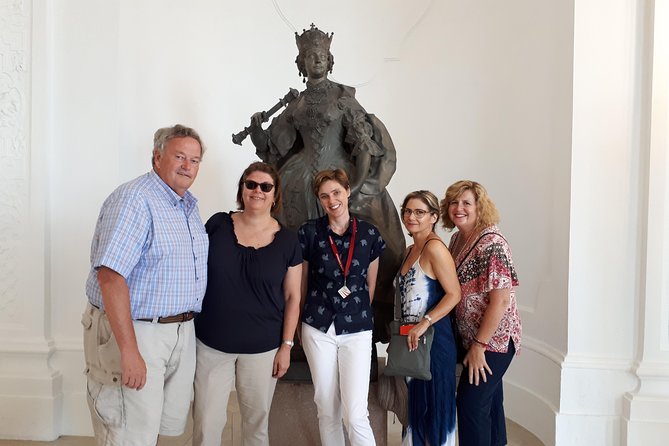
The Kiss is the picture most people associate with the Belvedere. It is also the work most likely to be reduced to a quick photograph and a familiar image on a postcard.
A good guide slows that moment down. The purpose is not simply to tell you that the painting is famous, but to help you notice how Klimt uses gold, pattern, clothing, shape, and surface. The tour places the painting within Klimt’s golden period and explains its relationship to the artistic world of Vienna.
This is where the guide’s teaching style matters most. Stephen is praised for making Klimt’s work feel more alive, while Regina is praised for explaining the palace, paintings, and surrounding story in clear English. Susanna is described as especially personal and attentive, with a style that brings together art, history, and human detail.
You should expect discussion rather than a short list of dates and names. The guide may invite questions and allow time for you to look around each room before moving on. That balance is important. You receive interpretation, but you are not pushed past every painting without a moment to form your own response.
The tour also helps explain why Klimt is part of a larger story. His paintings are not presented as a separate modern attraction inside an old palace. They belong to Vienna’s changing artistic and social world, alongside other artists and movements. That connection is one of the tour’s best reasons to book.
More museums in Vienna:
- Vienna: Skip-the-Line Sisi Museum, Hofburg and Gardens Tour
★ 4.8 · 5,918 reviews - Vienna Kunsthistorisches Museum Day Admission Ticket
★ 4.6 · 3,690 reviews - Tickets for the Albertina Exhibitions
★ 4.7 · 2,126 reviews - Vienna: Chocolate Workshop in Chocolate Museum w/ Tasting
★ 4.5 · 1,802 reviews
How the small group changes the experience
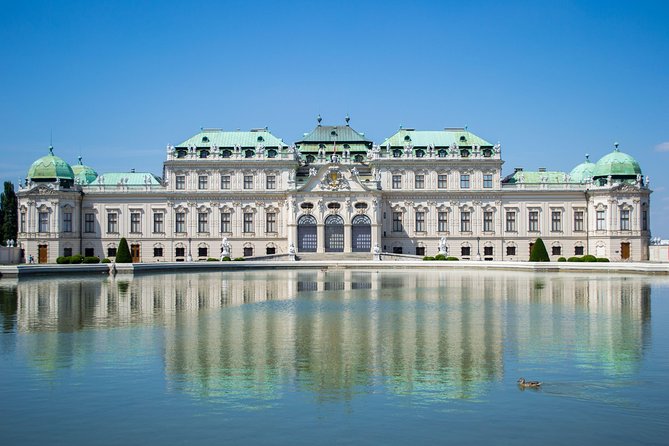
The tour is designed for a small group. The stated limit is six people, although the additional details also list a maximum of eight. Since those numbers do not match, I would confirm the expected group size before paying, especially if the intimate format is central to your decision.
A small group has clear advantages inside an art museum. You can ask why a painting matters, compare your response with other people, and request more explanation when a subject catches your attention. The guide can also adjust the pace more easily than on a large coach-style visit.
Several guides receive especially strong praise for their ability to make the experience personal. Alan brings a useful perspective from living for decades both inside and outside Austria. Margit combines her work as a librarian with extensive knowledge of Vienna’s art and history. Peter uses visual examples to clarify the palace and its elaborate design.
That does not mean every minute will feel equally exciting. One person found the extended art analysis less suitable because they had expected more palace sightseeing. This is the key caution: the museum portion is serious. You will spend a substantial amount of time looking at and discussing paintings.
If you enjoy asking questions, the small group is a real benefit. If you mainly want photographs, architectural highlights, or a quick Klimt stop, a self-guided visit may feel more flexible.
What the $181.02 price really covers
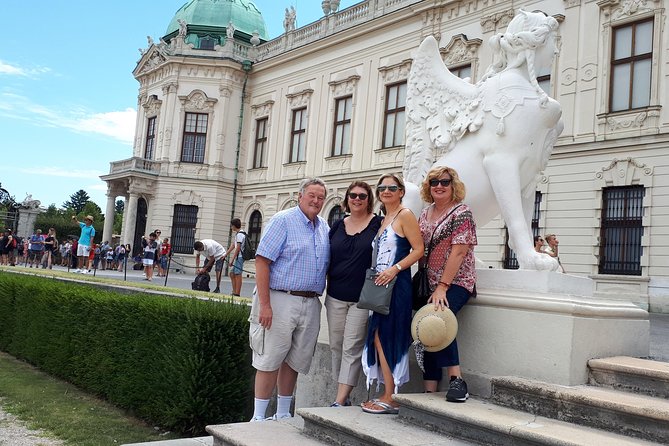
At $181.02 per person, this is an expensive museum visit once you add the entrance fee. The price includes the professional art historian guide, but not admission to the Belvedere Museum. Hotel pickup, drop-off, and transportation are also excluded.
The value depends on how much you want from the visit. You are paying for interpretation, a planned route, and access to a specialist who can connect the grounds, palace, museum, and Austrian history. If you would otherwise spend hours reading labels or missing the meaning of major works, the guide can make the visit more productive.
The value is weaker if you are already comfortable with art museums and want to set your own pace. You will still need to pay for entry, and the 2.5-hour structure means you are buying a guided introduction rather than an entire day at the Belvedere.
Group discounts are available, which may improve the price for a larger booking. The guide can help you purchase the museum ticket at the beginning of the walk, but you should still budget for that additional cost.
The tour is often booked well ahead, around 68 days in advance on average. That suggests you should not leave it until the last moment if your Vienna dates are fixed. Free cancellation is available until 24 hours before the start time. Changes or cancellations inside that window are not accepted for a refund.
Meeting point, transport, and timing
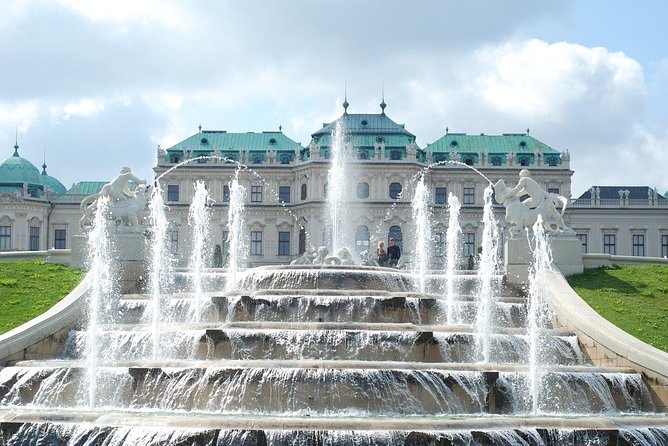
The meeting point is Belvedere Palace, 1030 Vienna, Austria. The tour ends back at the meeting point, so you should not plan to finish at a different Vienna attraction.
Transportation to and from the palace is not included. The site is near public transportation, but you need to arrange your own route and allow enough time to arrive. Annelie has helped participants with transit advice in the past, but that should be treated as a useful guide service rather than included transport.
The advertised duration is approximately 2 hours and 30 minutes. Plan for an outdoor opening section, indoor museum time, and the possibility of a short walk around the building and down toward the Lower Belvedere area, as some tours have included.
The activity is offered in English. Most people can participate, and confirmation is sent at booking. Since the tour includes gardens and museum rooms, comfortable footwear is sensible, particularly if you intend to continue sightseeing on foot afterward.
Who will get the most from this Belvedere tour
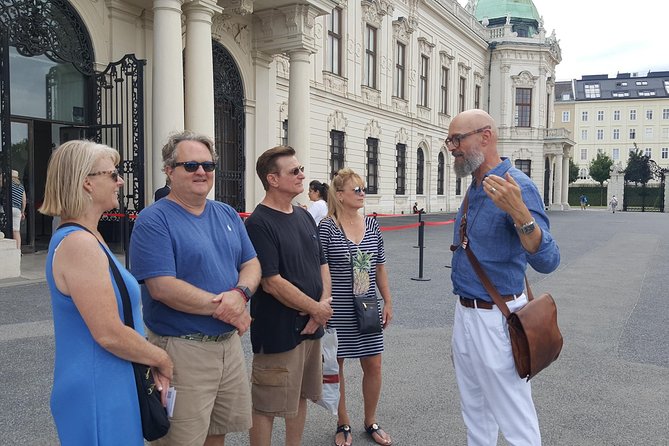
I would choose this experience if you want to understand Vienna through its art rather than simply tick off a famous museum. It suits you especially well if Klimt interests you but you also want to see how his work relates to other artists, the palace, and the city’s political past.
It is also a good first or early Vienna activity. Several guides use the Belvedere to explain Austrian history, and that background can help you understand other palaces, museums, and historic areas during the rest of your visit.
Families and mixed-interest groups may also benefit from the small format. A guide can explain the art in plain language, answer questions, and keep the visit from becoming a silent march through galleries.
I would be more cautious if you dislike long discussions about paintings. The tour is not a simple palace walk. The indoor portion gives serious attention to art, and the guide’s interpretation is the main product.
My verdict: book it for context, not just Klimt
Book this Belvedere Palace and Museum Tour if you want a thoughtful introduction led by an art historian. The strongest guides, including Annelie, Barbara, Stephen, Regina, Peter, Margit, and Susanna, are praised for combining clear teaching with stories about people, politics, architecture, and Vienna’s identity.
The tour earns its place in a Vienna itinerary through its structure: gardens first, palace next, major paintings afterward. That sequence helps you understand what you are seeing. The high rating of 4.8 from 71 reviews and the 93 percent recommendation figure support the idea that the guide quality is usually a major strength.
Still, compare the cost carefully. At $181.02 before museum admission, this is not a bargain museum ticket. It is a specialist-led experience for someone who wants more meaning from the visit. If that sounds like you, book it and confirm the group limit. If you only want The Kiss, buy admission and explore independently.
FAQ
Where does the Belvedere Palace and Museum Tour begin?
The tour begins at Belvedere Palace, 1030 Vienna, Austria.
Where does the tour end?
The activity ends back at the meeting point at Belvedere Palace.
How long does the tour last?
The tour lasts approximately 2 hours and 30 minutes.
Is museum admission included in the price?
No. The museum entrance ticket is not included. The guide can help you purchase a ticket at the beginning of the walk.
What language is the tour offered in?
The tour is offered in English.
Is transportation included?
No. Transportation to and from the attractions, as well as hotel pickup and drop-off, is not included.
How many people can join the tour?
The tour is described as a small-group experience with a maximum of six people. The additional information also lists a maximum of eight travelers, so confirm the exact group limit when booking.
Can most people participate?
Yes. The activity information states that most travelers can participate and that the meeting point is near public transportation.
What is the cancellation policy?
You can cancel up to 24 hours before the experience start time for a full refund. Cancellations or changes made less than 24 hours before the start time are not accepted for a refund.
Just added around Vienna
- Private Tour from Vienna to Melk and Dürnstein★ 4.5 · 3 reviews
- Vienna: Johann Strauss 200th birthday anniversary exhibition★ 4.7 · 3 reviews
- Vienna Private Full Day Tour – Tickets to Schönbrunn & Lunch★ 5.0 · 3 reviews
- Private Salzburg Day Trip from Vienna★ 4.0 · 3 reviews
- Vienna: Entry Ticket Belvedere 21 & Contemporary Art★ 4.3 · 3 reviews
- Full-Day Private Trip from Vienna to Budapest★ 4.5 · 3 reviews
- Vienna by Night: Private Evening Food and Drink Tour★ 5.0 · 3 reviews
- Semi-Private Tour: Central Europe &Balkans from Vienna to Athens★ 5.0 · 3 reviews
Belvedere Palace Tours, compared.
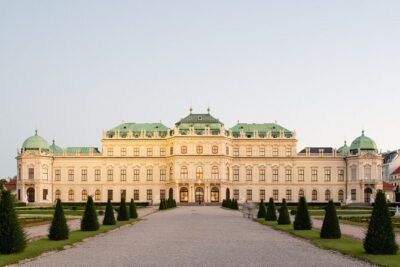
Entry Ticket Upper Belvedere, Klimt’s Kiss & Permanent Collection
Read our review →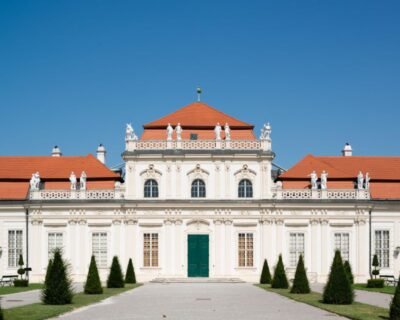
Lower Belvedere Entry Ticket & Temporary Exhibitions
Read our review →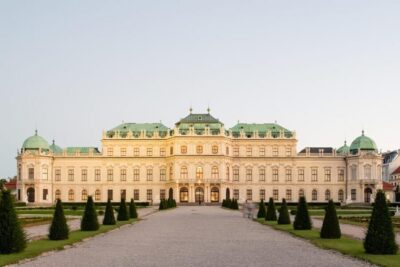
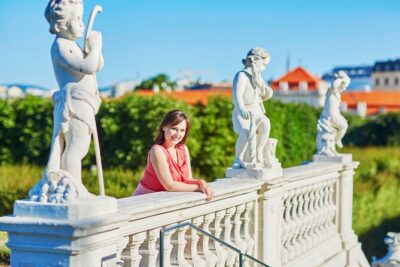
Skip-the-line Upper Belvedere Tickets and Guided Tour Vienna
Read our review →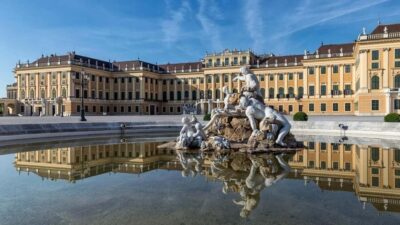
Schönbrunn, Belvedere, Big Bus, Giant Wheel & Cruise
Read our review →Skip-the-line Upper Belvedere Tickets and Guided Tour Vienna
Read our review →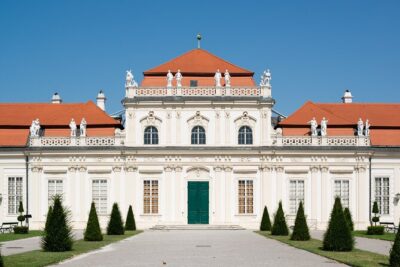
Entry Ticket Lower Belvedere with Orangery & Palace Stables
Read our review →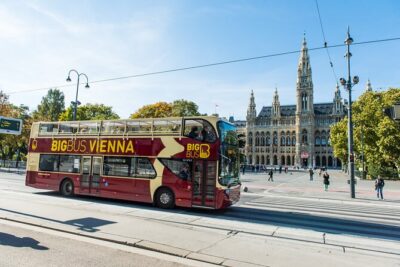
Best of Vienna Pass: Schönbrunn, Belvedere, Big Bus & Cruise
Read our review →Browse the lists this tour appears in