
Reviewed · MUSEUMS
MAK – Museum of Applied Arts, Vienna, Ticket
The most interesting thing about the MAK, Museum of Applied Arts, is its wide reach. In one building, you can move from medieval objects to modern furniture, fashion, architecture, and works tied to Vienna’s great artistic change around 1900. I like the Klimt pieces and the museum’s handsome Ringstraße setting, where the building itself becomes part of the visit.
I also like the practical setup: your ticket covers the permanent collection and temporary exhibitions, and the free digital MAK Guide helps you make sense of a collection that can otherwise feel broad. The main caution is that the museum may feel uneven if you prefer a tightly focused art collection, and the skip-the-line benefit may matter less on a quiet day.
In This Review
- Key points to know before visiting
- What the MAK adds to a Vienna museum day
- Starting with the permanent collection
- Vienna 1900 and the move toward modern design
- The Klimt works and why they matter
- Temporary exhibitions included with your ticket
- How long to spend inside the museum
- Ticket value at $21.72
- Planning your arrival and museum visit
- Who will enjoy the MAK most
- MAK compared with a more traditional museum visit
- Should you book the MAK ticket?
- FAQ
- How much does the MAK ticket cost?
- How long does a visit to the MAK take?
- What does the MAK ticket include?
- Is admission free for children?
- When is the MAK open?
- Can I cancel the booking?
Key points to know before visiting
- Five centuries in one museum: See applied art, furniture, design, fashion, and architecture ranging from the Middle Ages to today.
- Klimt works are a major draw: The permanent displays include Klimt pieces that can justify the visit for many art lovers.
- Vienna 1900 gets useful attention: Furniture from roughly 1900 to 1930 shows how modern Viennese design became.
- Admission covers more than one gallery: Your ticket includes the permanent rooms and temporary exhibitions.
- Allow 1 to 2 hours: That is enough for a purposeful visit, though the museum rewards a slower pace.
- Tuesday through Sunday only: Opening hours are 10 a.m. to 6 p.m., with free Wi-Fi, a cloakroom, and a digital guide.
What the MAK adds to a Vienna museum day
The MAK is not a conventional painting museum. Its subject is the way people shape daily life through objects. Furniture, textiles, glass, ceramics, architecture, and fashion all fit here. That makes the museum especially useful if you want to see how art moves from a gallery wall into a room, a chair, a building, or a piece of clothing.
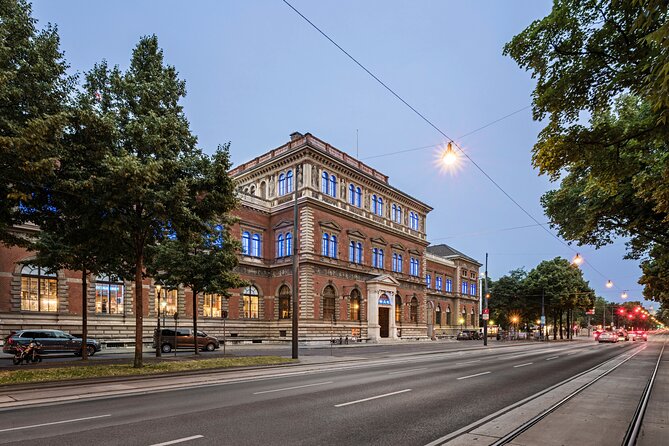
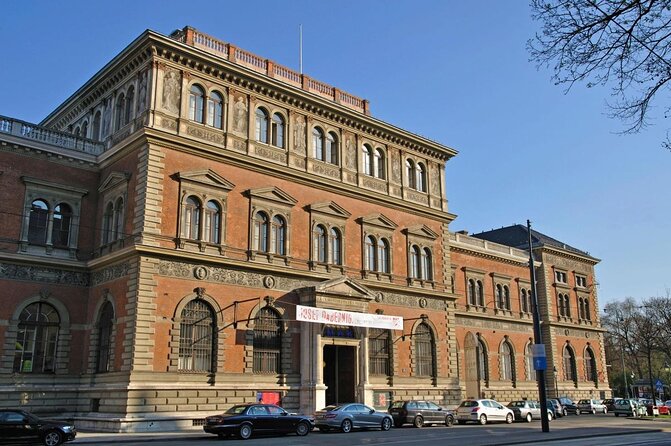
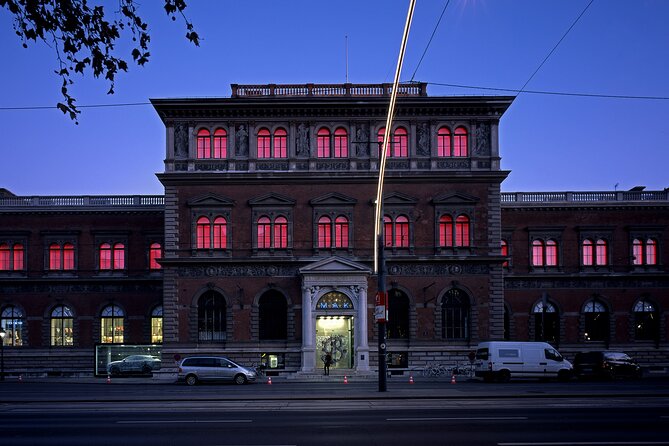
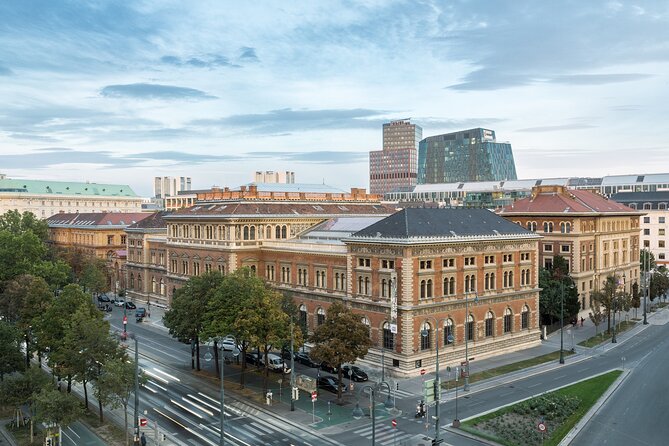
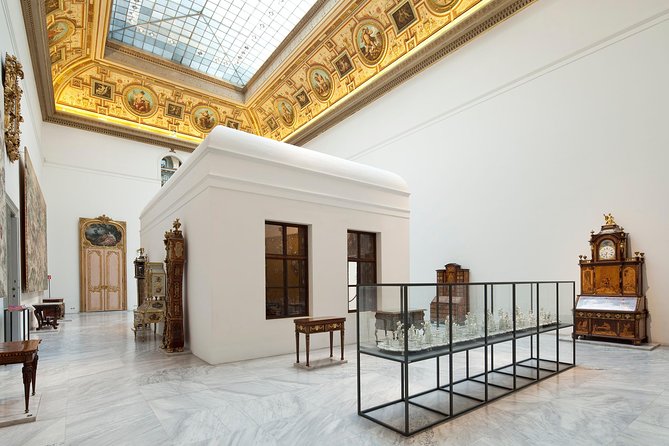
The museum occupies a magnificent building on Vienna’s Ringstraße. You should give yourself a moment before rushing inside. The architecture is one of the strongest parts of the experience, and one of the clearest messages of the museum is that the setting and the collection belong together.
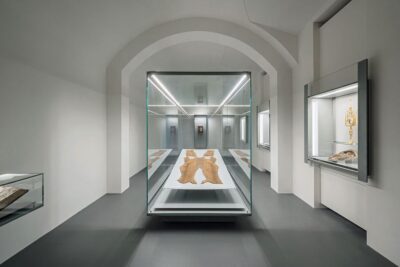
Inside, the spacious exhibition rooms were designed by contemporary artists. This gives the visit a changing rhythm rather than one fixed visual style. Some rooms may feel calm and traditional, while others use a more modern presentation. I like this approach because it reminds you that applied art is not only about old objects in glass cases. It is also about how objects are displayed and understood now.
The collection covers five centuries, so you should not expect one smooth story. Instead, think of the MAK as a series of connected themes. A medieval object may show technical skill and ceremonial purpose. A later piece may focus on industrial production, domestic life, or a new idea of beauty. The movement between periods is part of the point.
More museums in Vienna:
- Vienna: Skip-the-Line Sisi Museum, Hofburg and Gardens Tour
★ 4.8 · 5,918 reviews - Vienna Kunsthistorisches Museum Day Admission Ticket
★ 4.6 · 3,690 reviews - Tickets for the Albertina Exhibitions
★ 4.7 · 2,126 reviews
Starting with the permanent collection
Your admission includes the permanent displays, and these provide the museum’s main framework. You might find furniture, decorative objects, textiles, and examples of design that show how tastes and technology changed over time. The collection is broad enough to reward different interests, but that breadth can also make the visit feel less direct than a museum devoted to one artist or period.
I suggest beginning by checking the free digital MAK Guide. It can help you choose a route through the rooms instead of trying to examine everything. With only an hour, focus on the displays that interest you most. With two hours, you can slow down and compare objects across periods.
The museum’s applied-art focus is valuable because it asks questions that a standard art museum may leave aside. Who used this object? Was it made for a church, a home, a public building, or a fashion setting? Was it handmade, mass-produced, or influenced by new industrial methods? You will get more from the MAK if you look for those practical clues.
The collection may appeal less to you if you want room after room of famous paintings. This is a museum about design and material culture, so its best pieces often require a little thought. You are looking at how people lived and built their surroundings, not only at works meant for quiet admiration.
Vienna 1900 and the move toward modern design
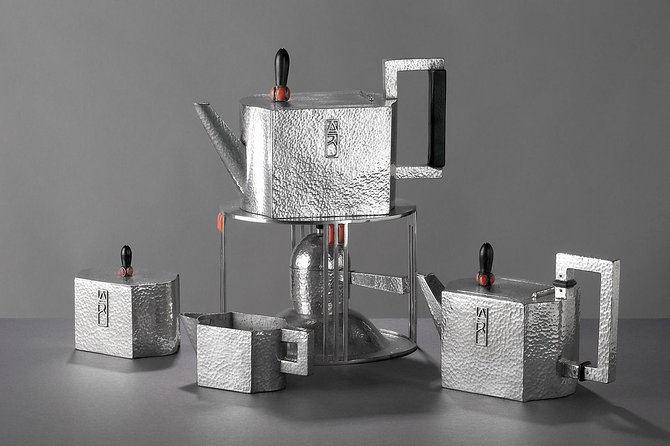
The Vienna 1900 material deserves special attention. This was a period of cultural change, when artists and designers questioned older decorative styles and searched for cleaner, more modern forms. At the MAK, you can see that change through furniture and other design objects rather than only through paintings.
The furniture from around 1900 to 1930 is one of the most useful parts of the visit. It shows how modern some designs already looked, even when they were made more than a century ago. Pay attention to shape, function, and decoration. The objects can help you understand why Vienna became so important to modern design.
This section also gives context for Klimt. Gustav Klimt is often treated as a painter first, but his work belongs to a larger Viennese culture that brought art, interiors, furniture, and architecture into closer contact. The MAK’s Klimt works help connect those subjects.
If your Vienna plans already include several museums, this material can feel like a welcome change. You are not simply repeating the same gallery experience. You are seeing the period through objects and design, with a stronger sense of how artistic ideas entered everyday surroundings.
The Klimt works and why they matter
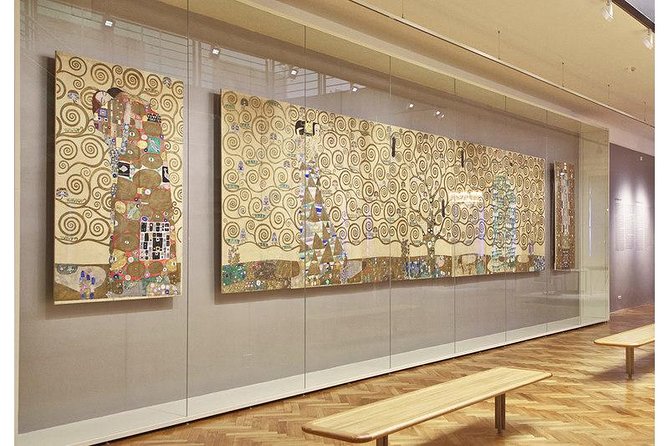
The Klimt works on permanent display are among the clearest reasons to include the MAK in your schedule. They give the museum a familiar anchor, especially if you have come to Vienna hoping to see the city’s famous early twentieth-century art.
I would not plan the entire visit around Klimt alone. The MAK is not presented as a single-artist museum, and the Klimt works are part of a much wider collection. Still, they can provide a strong starting point before you move into furniture, decorative arts, and architecture.
Look at the Klimt pieces alongside the surrounding objects rather than treating them as an isolated stop. The connection between painting, ornament, interior design, and modern decorative style is one of the museum’s most worthwhile ideas. You may see the Vienna 1900 period more clearly here because the museum places different forms of creativity in the same conversation.
For many people, the Klimt displays will be the museum’s most immediately rewarding section. If you have already seen Klimt elsewhere in Vienna, the MAK still adds a different angle by placing his work within a larger design culture.
A few more Vienna tours worth weighing up
- Vienna: Classic Ensemble Vienna in St. Peter’s Church Ticket
★ 4.7 · 4,819 reviews - Vienna: Tickets for Mozarthaus Vienna with Audio Guide
★ 4.2 · 2,344 reviews - Vienna: Skip-the-Line Entrance Ticket to the Danube Tower
★ 4.5 · 2,303 reviews - Sigmund Freud Museum Ticket
★ 4.6 · 1,668 reviews
Temporary exhibitions included with your ticket
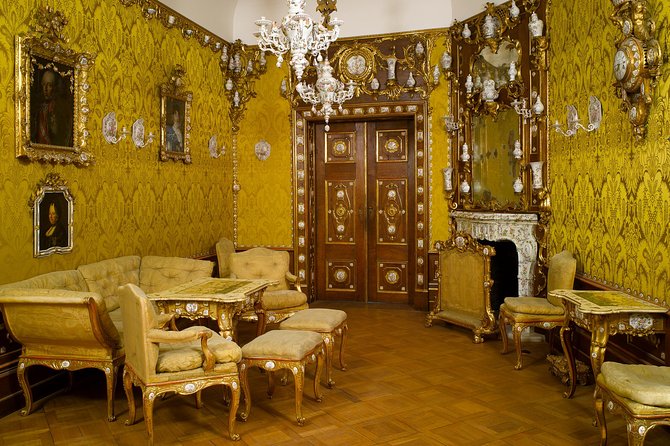
Your ticket also includes all temporary exhibitions running during your visit. This is an important value point because the special displays may be the most focused part of your time at the museum.
The MAK uses temporary exhibitions to address art, design, fashion, and architecture, including subjects linked to present-day challenges. The exact content will change, so you should check what is showing when you plan your visit. Do not assume the temporary program will match the permanent rooms in style or subject.
This variety can work in your favor. If the main collection feels too broad, a well-focused temporary exhibition may give you the clear theme you were looking for. It can also make a return visit worthwhile, since the museum’s changing program gives you a different reason to come back.
The tradeoff is that you cannot judge the full experience from the permanent displays alone. Some visits will feel stronger because a temporary exhibition catches your interest. Others may leave you more impressed by the building and the older collection than by the current special show.
How long to spend inside the museum
The suggested visit lasts about 1 to 2 hours. I consider one hour enough for a quick look at the building, the key permanent displays, the Klimt works, and one temporary exhibition if it is compact.
Two hours gives you a more comfortable visit. You can use the digital guide, pause with the furniture, and spend time comparing old and new design. If you enjoy architecture, fashion, or decorative arts, you may want the full two hours.
The museum can also fit neatly into a larger Ringstraße day. It does not require a full morning or afternoon for most people. That makes it a practical choice between other central Vienna sights, provided you remember the 10 a.m. to 6 p.m. hours.
The restaurant is another reason some visitors linger. Food and drinks are not included in the ticket, so treat it as a separate stop. The restaurant received particularly warm praise, and it may be a pleasant place to add a meal or coffee if you want more time in the building.
Ticket value at $21.72
At $21.72 per person, the ticket is reasonably priced if you plan to see both the permanent collection and a temporary exhibition. You also receive the digital guide, cloakroom access, and Wi-Fi without separate charges. Children and teens under 19 enter free, which makes the cost easier to manage for families.
The value depends on your interest. A design fan, architecture enthusiast, or visitor curious about Vienna 1900 can get a solid 1 to 2 hours from the admission. If you only want a quick look at Klimt, the price may feel less compelling because the museum’s purpose is much broader.
The skip-the-line feature offers convenience, but do not assume it will always save a long wait. On a quiet April visit, entry was already easy. The benefit is greatest when you want a guaranteed visit at a busy time or when you have a firm schedule.
Your tickets are held at the MAK for collection on the day. The booking confirmation is provided at the time of booking. Since the ticket is valid for both permanent and temporary exhibitions, check the current special-exhibition program before deciding how much time to allow.
Planning your arrival and museum visit
The MAK is open Tuesday through Sunday from 10 a.m. to 6 p.m. The stated opening schedule covers January 1, 2025 through December 31, 2026. Plan around those hours, especially if you are building a tightly timed day in Vienna.
The museum is near public transportation, so you do not need a hotel transfer or private vehicle arrangement. Hotel pickup and drop-off are not included, and there is no food or drink included with admission.
A free cloakroom is useful if you are carrying coats or day bags. Free Wi-Fi can help you use the digital guide without relying entirely on mobile data. Service animals are allowed, and most people can take part in the visit.
The booking is listed with a maximum of 15 participants. Since this is primarily an admission experience rather than a guided walking tour, do not expect a named personal guide to lead you through the galleries. You explore at your own pace, with the digital guide as your main extra tool.
Who will enjoy the MAK most
I would recommend the MAK to you if you like design as much as traditional fine art. It is a good fit for anyone interested in furniture, fashion, architecture, decorative objects, or the cultural shift that shaped Vienna around 1900.
It also suits repeat visitors who have already seen Vienna’s major painting collections. The MAK gives you another way to understand the city, especially through modern furniture and the relationship between art and daily life.
Families may appreciate the free admission for children and teens under 19, though the museum’s broad subject matter may work best for older children and teenagers who enjoy objects, buildings, or design. The free digital guide may help younger visitors find a clear focus.
You may want to skip it if your schedule is very tight and your only goal is to see famous paintings. You may also prefer another museum if you want a single period presented in a simple, chronological path. The MAK asks you to make connections across many kinds of objects.
MAK compared with a more traditional museum visit
The MAK offers a different museum experience from a standard art museum. You will not simply walk past paintings and identify familiar names. Instead, you will consider how materials, objects, rooms, and design choices shaped everyday life.
That difference is its strength, but it can also be its weakness. Some sections may fascinate you, while others may feel less engaging. The collection is wide, and not every display will have the same impact.
The building helps hold the experience together. Even if one exhibition does not suit your taste, the setting, the furniture from the early modern period, and the Klimt works give you several strong reasons to continue. I would approach the museum with curiosity rather than a strict checklist.
A visit can also sharpen your eye for Vienna itself. After seeing how designers handled chairs, interiors, decoration, and architecture, you may notice similar choices elsewhere in the city. That is the lasting value of the MAK: it gives you a better way to look at the designed world around you.
Should you book the MAK ticket?
Book this ticket if you want Klimt, Vienna 1900 design, and five centuries of applied art in one Ringstraße museum. The inclusion of temporary exhibitions, a digital guide, cloakroom, and Wi-Fi makes the $21.72 price fair for a focused 1 to 2 hour visit.
I would book ahead if your Vienna schedule is fixed or you want the reassurance of guaranteed entry. If you are visiting during a quiet period, the skip-the-line feature may not save much time, but it still makes arrival simple.
Choose another museum first if you want a tightly focused collection of paintings or a more uniform experience. Choose the MAK if you are willing to look beyond paintings and explore how art shaped furniture, interiors, fashion, and architecture. For the right visitor, the beautiful building and Klimt displays provide an excellent entry point into Vienna’s design culture.
FAQ
How much does the MAK ticket cost?
The ticket costs $21.72 per person.
How long does a visit to the MAK take?
The approximate visit duration is 1 to 2 hours.
What does the MAK ticket include?
It includes admission to the permanent collection and all temporary exhibitions, plus a free digital MAK Guide, free cloakroom access, and free Wi-Fi.
Is admission free for children?
Children and teens under 19 receive free admission.
When is the MAK open?
The listed opening hours are Tuesday through Sunday, from 10 a.m. to 6 p.m., during the period from January 1, 2025 through December 31, 2026.
Can I cancel the booking?
You can cancel for a full refund up to 24 hours before the experience start time. Cancellations or changes made less than 24 hours in advance are not accepted for a refund.
Just added around Vienna
- Vienna: Johann Strauss 200th birthday anniversary exhibition★ 4.7 · 3 reviews
- Vienna Private Full Day Tour – Tickets to Schönbrunn & Lunch★ 5.0 · 3 reviews
- Private Tour from Vienna to Melk and Dürnstein★ 4.5 · 3 reviews
- Private Salzburg Day Trip from Vienna★ 4.0 · 3 reviews
- Vienna: Entry Ticket Belvedere 21 & Contemporary Art★ 4.3 · 3 reviews
- Full-Day Private Trip from Vienna to Budapest★ 4.5 · 3 reviews
- Vienna by Night: Private Evening Food and Drink Tour★ 5.0 · 3 reviews
- 1.5 Hour Cinematic Style Portrait Photoshoot and Tour in Vienna★ 4.5 · 3 reviews
Museums, compared.
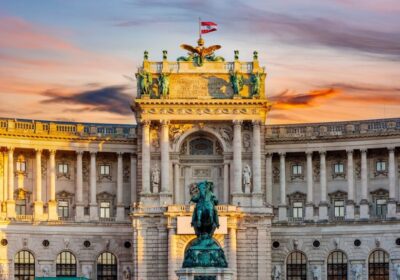
Skip-the-Line Sisi Museum, Hofburg and Gardens Tour
Read our review →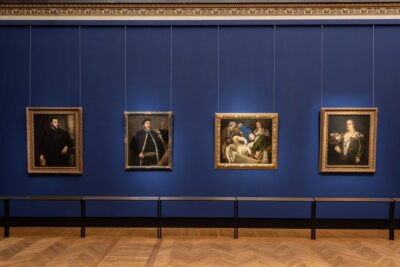
Vienna Kunsthistorisches Museum Day Admission Ticket
Read our review →

Chocolate Workshop in Chocolate Museum w/ Tasting
Read our review →
St. Stephen’s Cathedral & Dom Museum Wien Tickets
Read our review →

Browse the lists this tour appears in