
Reviewed · SCHöNBRUNN PALACE TOURS
Skip the Line:Imperial Carriage Museum by Schönbrunn Kaiserliche Wagenburg Wien
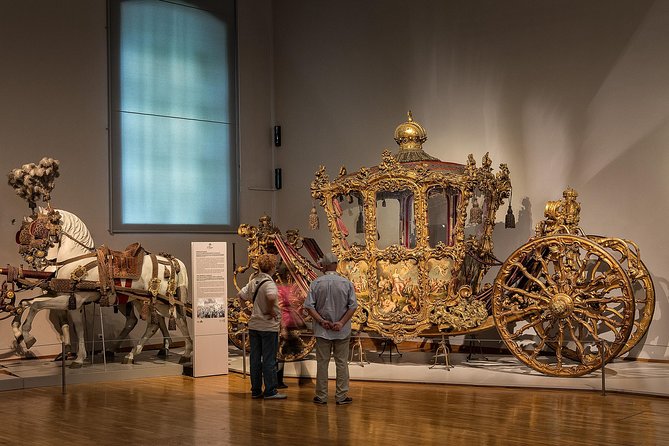
The Imperial Carriage Museum gives you a close look at the machinery of Habsburg power: coronation coaches, funeral carriages, travel coaches, and tiny royal prams. The grand Imperial Coach gets the most attention, but the Sisi Trail adds a personal thread, following Empress Elisabeth from her wedding to her assassination and funeral.
I like the museum for two clear reasons. First, the collection is far larger than you might expect, with beautiful carriages that show how royalty traveled in public and private. Second, the museum is calmer than Schönbrunn Palace and its gardens, making it a useful stop after the main palace visit. The main caution is that the halls can feel tight, and one visitor had trouble getting a mobile ticket accepted at the entrance.
In This Review
- Key points to know before you go
- Why these carriages tell a better story than a palace room
- The Imperial Coach and the public face of monarchy
- The Sisi Trail, from wedding coach to funeral carriage
- The dress, saddle, and riding chapel
- How much time to allow inside
- Why the $14.48 ticket can be good value
- Getting there and using the mobile ticket
- Who will enjoy this museum most
- My call: book it if the imperial story interests you
- FAQ
- Where is the Imperial Carriage Museum located?
- How long does the museum visit take?
- What does the ticket include?
- Is a guide included?
- What can I see inside the museum?
- What is the Sisi Trail?
- Are photographs allowed?
- What are the opening hours?
- Can I cancel the booking?
Key points to know before you go
- Sisi’s life is the museum’s strongest storyline: See her bridal coach, Hungarian coronation coach, only surviving saddle, personal dress, and funeral carriage.
- The Imperial Coach is the visual centerpiece: This ornate Baroque vehicle shows the scale and ceremony of imperial life.
- Your ticket covers admission only: You explore with the museum’s audio guide and displays, not a named live guide or included transfer.
- Plan on 45 minutes at minimum: An hour to 90 minutes gives you time to read the signs and watch the informational films.
- The museum sits near Schönbrunn Palace: It works well after the palace or a walk through the gardens.
- The mobile ticket is convenient but worth checking: Confirmation arrives at booking, yet a ticket-entry problem has been reported.
Why these carriages tell a better story than a palace room
A palace shows you where rulers lived. A carriage museum shows you how they appeared, traveled, celebrated, mourned, and controlled public ceremony. That difference makes this small museum near Schönbrunn Palace more interesting than its modest name suggests.
I find the carriages useful historical evidence. A coach built for a coronation was not simply transport. It was a moving stage, designed to place the monarch above the crowd and turn arrival into theater. A private traveling coach tells a different story, with more concern for comfort and distance. The children’s vehicles bring the imperial household down to a human scale.
The museum covers rulers including Maria Theresia, Napoleon, and Franz Joseph. You do not need to know their full biographies before entering. The objects do much of the work, and the written explanations help connect each vehicle to the event or person who used it.
This is a self-guided visit. The ticket includes admission, while the museum provides detailed information and an audio guide for learning as you walk. A private guide may accompany you, but no live guide is included in the basic price. That arrangement suits me because you can move at your own speed instead of staying with a fixed explanation.
More ways to see Schönbrunn:
- Vienna: Schönbrunn Palace & Gardens Skip-the-Line Tour
★ 4.7 · 7,739 reviews - Vienna: Skip-the-Line Schönbrunn Palace & Gardens Tour
★ 4.8 · 5,411 reviews - Vienna: Bus & Schönbrunn Palace Skip-the-Line Guided Tour
★ 4.3 · 2,802 reviews
The Imperial Coach and the public face of monarchy
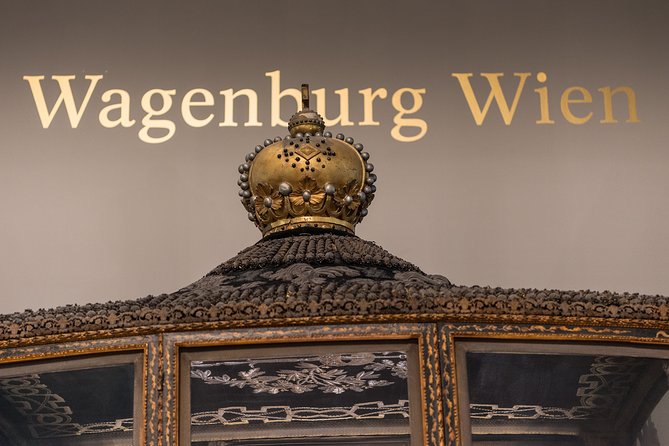
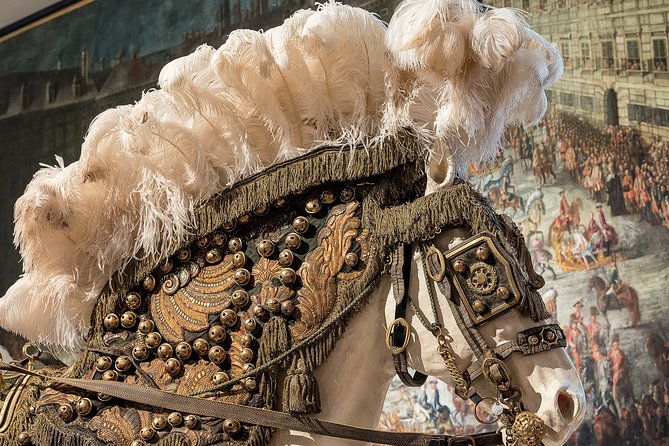
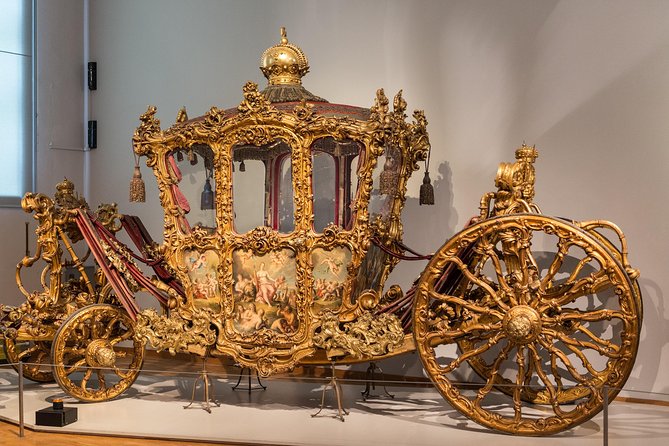
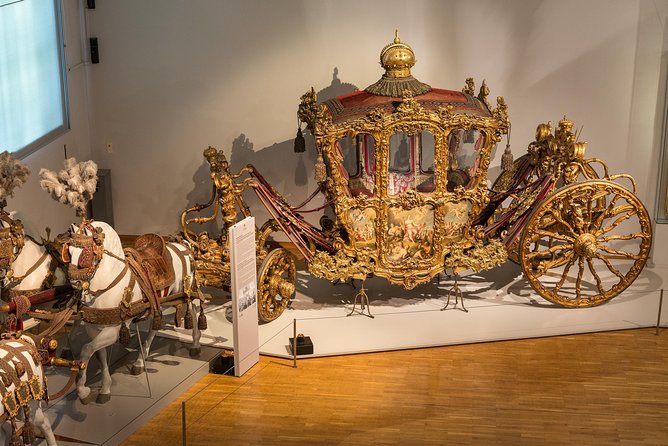
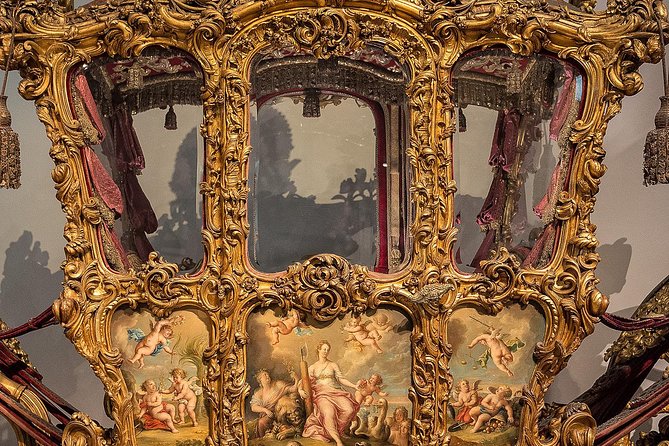
Start with the largest and most ceremonial vehicles. The Baroque Imperial Coach is the natural centerpiece, with the scale and decoration you would expect from a vehicle meant for major state occasions.
Look at it as a piece of political design, not only as an old carriage. The coach had to impress people standing along a route, and every detail helped present the ruler as powerful, wealthy, and worthy of ceremony. Its size also gives you a quick sense of the staff and horses needed to move an imperial court.
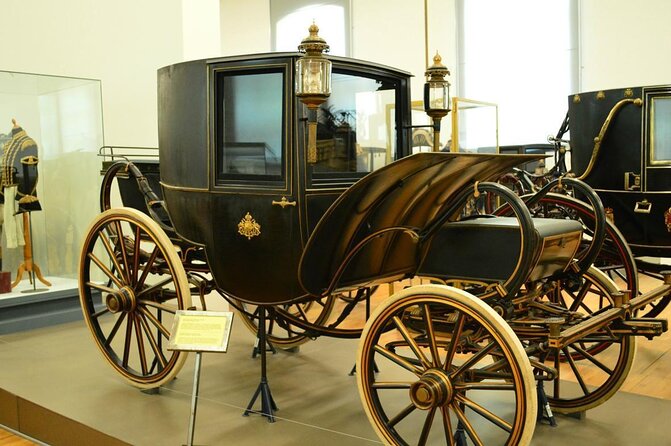
The collection also includes exquisite state carriages and more practical traveling coaches. This contrast is one of the museum’s best features. You can compare vehicles intended for public display with those made for longer journeys or greater comfort.
The difference matters because royal life was not one endless procession. The Habsburgs needed formal coaches for appearances, durable vehicles for travel, and smaller carriages for family use. The museum lets you see those categories side by side.
Photography is allowed, according to the available visitor information. That is useful because the shapes, finishes, wheels, and interiors are hard to absorb in one quick look. Some areas may have limited lighting, so your photographs may not show every object clearly.
The Sisi Trail, from wedding coach to funeral carriage
The Sisi Trail is the most focused part of the museum. It follows Empress Elisabeth, widely known as Sisi, from her marriage through her public life and finally to her tragic death.
The story begins with the coach she used as an imperial bride. From there, the displays trace important stages in her life through vehicles, portraits, paintings, and personal objects. The approach gives the museum a clear route, which helps if you have limited time.
Her children’s carriages add a softer, domestic note. They remind you that the imperial household included family routines as well as court ceremony. These small vehicles are also a good reason to bring older children, who may connect more readily with the size and design of the children’s equipment than with formal state coaches.
One of the most striking objects is the golden Imperial Coach used by Sisi at her coronation as queen of Hungary. It is a grand public symbol, but the trail does not leave her at the moment of ceremony. It continues into the more private and tragic parts of her life.
You can see the carriage from which she alighted only minutes before her assassination in Geneva. Nearby, the black hearse that carried her to her final resting place gives the display a solemn finish. The sequence is powerful because the museum uses real vehicles to mark the movement from youth and ceremony to loss.
For many people, this section will be the main reason to visit. If Sisi interests you, allow more than the advertised 45 minutes. The displays reward careful reading, and the personal objects add meaning that a line of carriages alone could not provide.
The dress, saddle, and riding chapel
The Sisi Trail is not limited to coaches. It also includes original objects linked to Elisabeth’s appearance and private interests.
The black robe designed for her by Fanny Scheiner around 1885 is especially memorable. Its long train and narrow waist reflect the image of Sisi as a famous beauty. The dress is not just costume display. It helps you understand how carefully the empress’s body and public image were presented.
You can also see the only surviving saddle used by Elisabeth. She was regarded as an excellent horsewoman, and the saddle gives you a more active picture of her than the formal portraits do. It suggests a woman who spent time in the saddle and cared deeply about horses.
The reconstructed riding chapel brings together portraits of her favorite horses. This is a charming change of mood after the formal coaches and the dark funeral display. It also gives you a glimpse of personal attachment inside an otherwise highly controlled court world.
These objects are valuable because they keep Sisi from becoming only a romantic figure in a costume drama. Her life is shown through workaday possessions, clothing, horses, transport, public ritual, and tragedy.
More museums in Vienna:
- Vienna: Skip-the-Line Sisi Museum, Hofburg and Gardens Tour
★ 4.8 · 5,918 reviews - Vienna Kunsthistorisches Museum Day Admission Ticket
★ 4.6 · 3,690 reviews - Tickets for the Albertina Exhibitions
★ 4.7 · 2,126 reviews - Vienna: Chocolate Workshop in Chocolate Museum w/ Tasting
★ 4.5 · 1,802 reviews
How much time to allow inside
The stated visit lasts about 45 minutes, but that is best treated as a minimum rather than a strict limit. I would allow one hour if you want to walk steadily through the displays, and up to 90 minutes if you read the explanations, use the audio guide, and watch the informational films.
A shorter visit can still work. One visitor with limited time focused mainly on the signs beside each carriage and still found the collection worthwhile. If you are fitting the museum between Schönbrunn Palace and the gardens, concentrate on the Imperial Coach and the Sisi Trail first.
The halls are not especially spacious. Narrow passageways can make it difficult to see an object while another group gathers around an explanation. The listed maximum for this activity is 10 people, but the museum itself may still feel busy at certain times, so patience helps.
A visit around 4 PM was found to be quieter, although the published opening hours run from 10 AM to 4 PM. That creates an important planning point: confirm the day’s practical entry window before choosing a late visit. The supplied schedule lists 10 AM to 4 PM daily from January 1 through February 28, 2026, and again from March 1 through December 31, 2026.
Why the $14.48 ticket can be good value
At $14.48 per person, the ticket is not a major splurge, especially if you already plan to spend time at Schönbrunn. The collection is substantial, and the price includes entrance to a specialist museum rather than a brief display of one or two vehicles.
I think the value depends on your interests. If grand royal objects, Habsburg history, or Sisi appeal to you, the ticket earns its place in your day. You get the Imperial Coach, state vehicles, private coaches, children’s carriages, personal objects, films, and an audio guide.
If you are visiting Schönbrunn only for the palace rooms and gardens, the museum is an extra purchase. One important detail is that even holders of a Classic Plus pass may need to pay separately for this museum. Check what your palace ticket includes before assuming admission is covered.
The museum also avoids the time commitment of a large palace tour. You can see a lot in 45 minutes, then continue with your day. That makes the ticket more useful for people who want a focused historical stop rather than another long guided program.
Getting there and using the mobile ticket
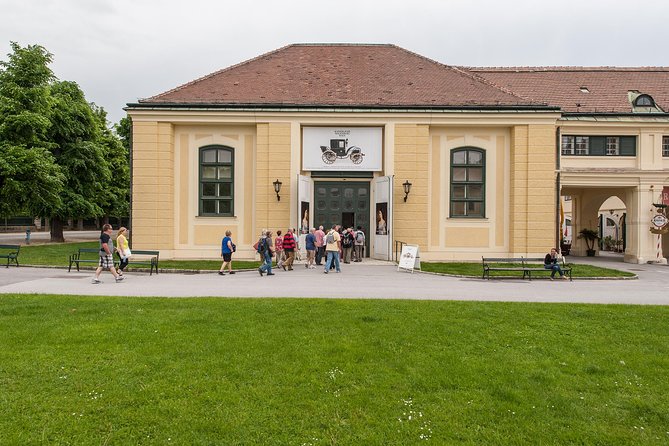
The museum is near public transportation and sits close to Schönbrunn Palace. It makes practical sense to combine it with the palace or gardens, though you should leave enough time to find the entrance and orient yourself.
Your admission ticket is mobile, and confirmation is received at booking. Keep the ticket easy to open on your phone. One entry problem was reported, with several verbal exchanges needed before the ticket was accepted. That does not mean your ticket will fail, but a screenshot or accessible booking confirmation is a sensible backup.
There is no transfer included. You arrange your own transport to Schönbrunn, and the activity does not include a private guide. If you want a guide, you may come with one privately, but the basic experience is designed for independent exploration.
Most people can take part. The supplied information also lists a maximum of 10 participants for the activity, which should be reassuring if you prefer a smaller arrangement than a large organized group.
Who will enjoy this museum most
I would recommend it first to history buffs, royal-history enthusiasts, and anyone already interested in Sisi. The displays offer enough detail for serious curiosity without requiring an entire day.
Families can also find plenty to like, especially in the children’s carriages and the visual scale of the coaches. Younger children may not follow every Habsburg connection, but the vehicles are large, unusual, and easy to understand as objects.
It is a good choice if you want something quieter after the palace. The museum does not replace Schönbrunn’s rooms or gardens, but it adds the practical side of imperial life: how people traveled, how rulers presented themselves, and how personal events were marked.
I would be less likely to recommend it if you have no interest in royal history and have only a short time in Vienna. The museum is specialized. It is not a general transport museum, and its appeal depends on caring about the people and ceremonies connected with the carriages.
My call: book it if the imperial story interests you
Book the Imperial Carriage Museum if you want more than palace interiors and garden views. The Sisi Trail, personal objects, and impressive coaches make the visit feel focused and meaningful, while the self-guided format lets you control the pace.
Allow at least 45 minutes, preferably an hour or more. Visit as part of your Schönbrunn day, check your mobile ticket before reaching the entrance, and do not assume a palace pass includes admission.
At $14.48, this is a sensible add-on for anyone who wants to understand the Habsburg world through its vehicles, ceremonies, family life, and final farewells. Skip it only if your Vienna schedule is extremely tight or royal collections do not interest you.
FAQ
Where is the Imperial Carriage Museum located?
The museum is near Schönbrunn Palace in Vienna, Austria.
How long does the museum visit take?
The experience is listed as approximately 45 minutes. You may want one hour to 90 minutes if you plan to read the displays and watch the informational films.
What does the ticket include?
The ticket includes entrance to the Imperial Carriage Museum near Schönbrunn Castle.
Is a guide included?
No live guide is included. You explore independently with the museum’s audio guide and exhibit information. You may come with a private tour guide.
What can I see inside the museum?
You can see carriages associated with Maria Theresia, Napoleon, Franz Joseph, and Empress Elisabeth. The collection includes the Baroque Imperial Coach, state carriages, traveling coaches, children’s carriages, and Sisi’s personal objects.
What is the Sisi Trail?
The Sisi Trail follows Empress Elisabeth from her marriage to her tragic death. It includes her bridal coach, her children’s carriages, her Hungarian coronation coach, the carriage she left shortly before her assassination, and her black funeral hearse.
Are photographs allowed?
Yes. Photography is allowed inside the museum.
What are the opening hours?
The published opening hours are 10 AM to 4 PM daily. This schedule is listed for January 1 through February 28, 2026, and March 1 through December 31, 2026.
Can I cancel the booking?
Yes. You can cancel for a full refund up to 24 hours before the experience start time. Cancellations or changes made less than 24 hours before the start time are not accepted for a refund.
More Skip the Line in Vienna
- Vienna: Skip-the-Line Entrance Ticket to the Danube Tower
★ 4.5 · 2,303 reviews - Vienna: Skip the Line Schönbrunn Palace and Gardens Guided Tour
★ 4.5 · 1,540 reviews - Vienna: Schönbrunn Palace & Garden Skip-the-Line Guided Tour
★ 4.1 · 1,240 reviews - Vienna: Skip-the-Line Schönbrunn Palace and Gardens Tour
★ 4.8 · 1,089 reviews
Just added around Vienna
- Private Tour from Vienna to Melk and Dürnstein★ 4.5 · 3 reviews
- Vienna: Johann Strauss 200th birthday anniversary exhibition★ 4.7 · 3 reviews
- Vienna Private Full Day Tour – Tickets to Schönbrunn & Lunch★ 5.0 · 3 reviews
- Private Salzburg Day Trip from Vienna★ 4.0 · 3 reviews
- Vienna: Entry Ticket Belvedere 21 & Contemporary Art★ 4.3 · 3 reviews
- Full-Day Private Trip from Vienna to Budapest★ 4.5 · 3 reviews
- Vienna by Night: Private Evening Food and Drink Tour★ 5.0 · 3 reviews
- Semi-Private Tour: Central Europe &Balkans from Vienna to Athens★ 5.0 · 3 reviews
Schönbrunn Palace Tours, compared.

Schönbrunn Palace & Gardens Skip-the-Line Tour
Read our review →
Skip-the-Line Schönbrunn Palace & Gardens Tour
Read our review →
Bus & Schönbrunn Palace Skip-the-Line Guided Tour
Read our review →
Skip the Line Schönbrunn Palace and Gardens Guided Tour
Read our review →
Schönbrunn Palace & Garden Skip-the-Line Guided Tour
Read our review →
Panorama Train Tickets to explore Schönbrunn Palace
Read our review →
Skip-the-Line Schönbrunn Palace and Gardens Tour
Read our review →Browse the lists this tour appears in