
Reviewed · MUSEUMS
Third Man Museum Admission Ticket Vienna
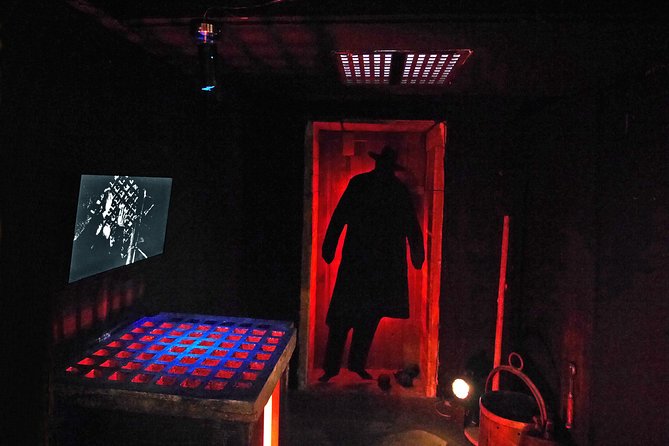
The Third Man Museum gives you something rare in Vienna: a close look at the making of a famous film and the uneasy city behind it. You’ll see Anton Karas’s original zither, film scripts, cameras, posters, and objects tied to The Third Man, while learning about Vienna between 1945 and 1955.
I like the careful, personal feel of the collection, with more than 3,000 original pieces arranged across thirteen or sixteen rooms, depending on how the rooms are counted in the current description. I also like the mix of cinema and real history, from movie equipment to daily life in occupied Vienna. The main drawback is the limited opening schedule: visits are currently listed for Saturdays only, from 2 to 6pm.
In This Review
- Key points to know before you go
- Why The Third Man still matters in Vienna
- A room-by-room look at the collection
- The original zither and the sound of Vienna
- Scripts that show the film taking shape
- Cameras, effects, and the practical side of filming
- Posters, lobby cards, and the film’s public life
- Small objects with a direct link to the story
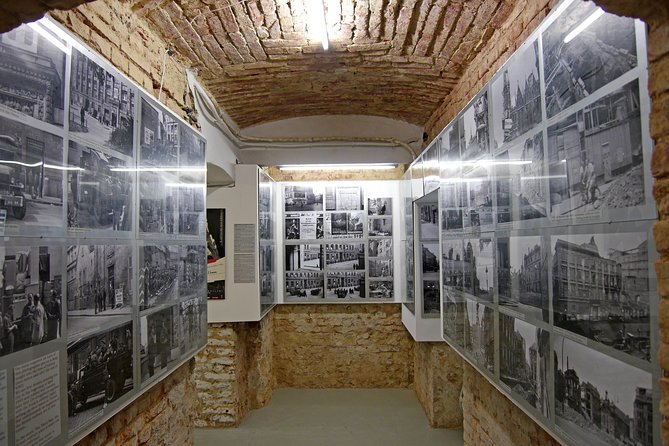
- Occupied Vienna from 1945 to 1955
- How much time you need inside
- Price and practical value at $20
- Opening hours, transport, and booking details
- Who will get the most from this visit
- Who might want to skip it
- Should you book the Third Man Museum?
- FAQ
- Where is the Third Man Museum?
- How much does admission cost?
- How long does a visit take?
- What are the museum’s opening hours?
- What is included with the ticket?
- What can I see at the museum?
- Can I cancel the booking for a refund?
Key points to know before you go
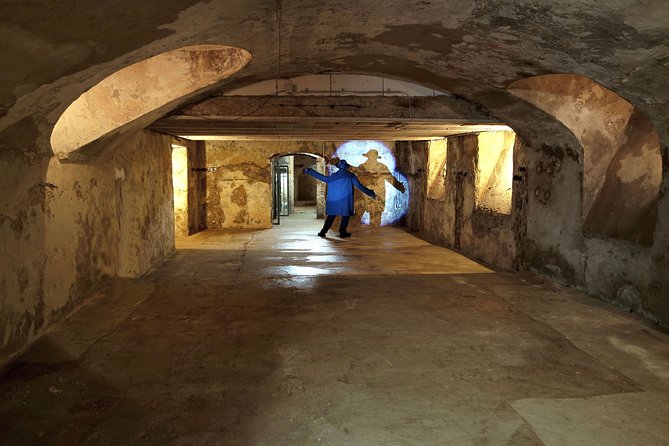
- See the zither linked to the film score: The original instrument used by Anton Karas during the London recording sessions is on display.
- Follow the film from draft to final script: The museum holds original scripts showing how the production developed.
- Connect cinema with postwar Vienna: Exhibits explain occupied Vienna from 1945 to 1955, not just the movie’s plot.
- Expect a serious collection: More than 3,000 original items fill the museum’s rooms.
- Plan around Saturday hours: The current schedule lists opening from 2 to 6pm on Saturdays.
- Allow 1 to 2 hours: That gives you time to look closely instead of rushing through the displays.
Why The Third Man still matters in Vienna
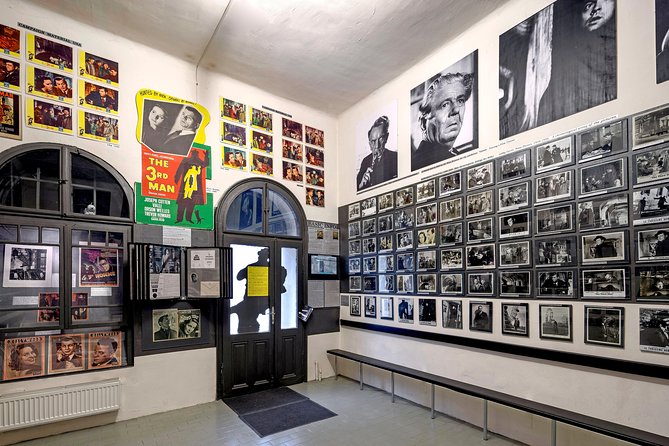
The Third Man is more than a black-and-white thriller set in Vienna. The film captures a city divided among occupying powers after World War II, a place shaped by shortages, suspicion, damaged buildings, and uncertain borders.
That background gives the museum its purpose. You are not simply looking at props from an old movie. You are seeing how a film grew out of a particular moment in Vienna’s past, then carried that moment to audiences around the world.
I like this balance. A film museum can easily become a wall of publicity images and famous names. Here, the collection also gives you a picture of daily life in occupied Vienna between 1945 and 1955. That makes the visit useful even if you are interested in postwar Europe more than classic cinema.
The museum is especially worthwhile if you have watched the film recently. You will recognize the mood, music, and visual world more easily. If you have not seen it, the displays can still introduce you to its production and setting, but some objects will mean more after you know the story.
More museums in Vienna:
- Vienna: Skip-the-Line Sisi Museum, Hofburg and Gardens Tour
★ 4.8 · 5,918 reviews - Vienna Kunsthistorisches Museum Day Admission Ticket
★ 4.6 · 3,690 reviews - Tickets for the Albertina Exhibitions
★ 4.7 · 2,126 reviews
A room-by-room look at the collection
The museum is arranged through a series of rooms filled with original material. The information provided describes the exhibition as having thirteen rooms in one place and sixteen rooms in another, so you should think of it as a multi-room visit rather than a single gallery. The exact room count may depend on how exhibition areas are classified.
You can expect the displays to move between the film itself and the city that shaped it. One room may focus on scripts or production tools, while another gives more space to posters, cinema programs, or the international success of the movie.
That variety keeps the visit from becoming repetitive. You are not looking at dozens of versions of the same publicity image. You are following the film through writing, filming, music, release, and later public memory.
The museum’s collection comes from different parts of the world. That international reach matters because The Third Man was not only a Vienna film. It became an international success, and the museum uses its original material to show how widely the movie traveled.
The original zither and the sound of Vienna
The zither is likely to be one of the most memorable objects in the museum. It is the original instrument used by Anton Karas when recording the film music in London.
That detail is easy to overlook, but it gives the film a strong human connection. The famous score was not just an abstract part of the soundtrack. It came from a particular musician and a real instrument, now preserved as part of the museum’s collection.
If you remember the movie’s distinctive music, this display gives you a physical link to it. If you do not know the score, the zither still helps explain why the film has such a recognizable sound.
I would give this object time rather than treating it as a quick photo stop. The museum’s strongest displays are the ones that connect a familiar part of the film with a specific original item.
Scripts that show the film taking shape
The original film scripts offer a different kind of access. The museum holds material from the first draft through to the final release script.
This lets you see that a finished film is built through changes. Scenes, wording, structure, and emphasis can shift before the version reaches the screen. For anyone interested in writing, directing, or film production, this is one of the most useful parts of the collection.
You also get a better sense of the movie as a made object. Films can seem fixed once you know them well. Draft scripts remind you that the final story came from a long process of decisions.
I like script displays because they reward patience. You do not need to read every page. Instead, look for the progression from early ideas to the final version. The museum makes that progression part of the exhibition rather than treating the script as a simple souvenir.
A few more Vienna tours worth weighing up
- Vienna: Classic Ensemble Vienna in St. Peter’s Church Ticket
★ 4.7 · 4,819 reviews - Vienna: Tickets for Mozarthaus Vienna with Audio Guide
★ 4.2 · 2,344 reviews - Vienna: Skip-the-Line Entrance Ticket to the Danube Tower
★ 4.5 · 2,303 reviews - Sigmund Freud Museum Ticket
★ 4.6 · 1,668 reviews
Cameras, effects, and the practical side of filming
The collection includes two original cameras rented by The Third Man film crew in Vienna for special effects. These objects shift the focus from story and music to the physical work of filmmaking.
A camera on display can tell you something that a poster cannot. It shows the tools used to create the movie’s images, including the technical work needed for special effects. The exhibit does not leave the film floating in the world of legend. It brings you back to equipment, rentals, and production choices.
The museum also has a fully functional Ernemann VIIb projector dating from 1936. Its working condition gives the object extra interest. You are looking at a machine from the period, not merely a decorative shell.
The projector also fits the museum’s wider theme. The Third Man is preserved not only as a story, but as an example of twentieth-century cinema, from cameras and scripts to projection and public screening.
Posters, lobby cards, and the film’s public life
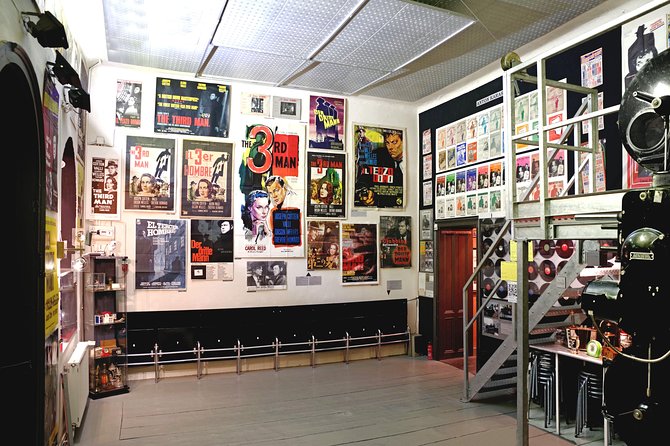
Historic film posters, lobby cards, and cinema programs show how the movie was presented to audiences. These pieces help you understand the difference between making a film and selling a film.
Posters often reveal what distributors thought would attract viewers. Lobby cards and programs show how the movie appeared inside cinemas, where audiences encountered it as part of a wider entertainment culture.
The international material is valuable here. Different countries could promote the same film in different ways, with changes in design, language, and emphasis. The collection uses these objects to show The Third Man’s reach beyond Vienna.
This part of the museum works well for anyone interested in graphic design, cinema advertising, or the history of moviegoing. It also gives the visit visual variety after the more technical displays of scripts and cameras.
Small objects with a direct link to the story
Not every memorable item needs to be large. The original cap of Little Hansel is among the objects displayed at the museum.
A small costume item can make the film feel more physical. It was worn or used within the world of the story, so it connects the screen to an actual object that survived production.
These details are part of what gives the collection its personal character. The museum is not limited to famous equipment. It also preserves modest pieces that help build the film’s atmosphere and memory.
The exhibition is described as having been assembled with care and attention to detail. That comes through in the range of objects: major pieces such as the zither and projector sit alongside scripts, costume items, posters, and cinema material.
Occupied Vienna from 1945 to 1955
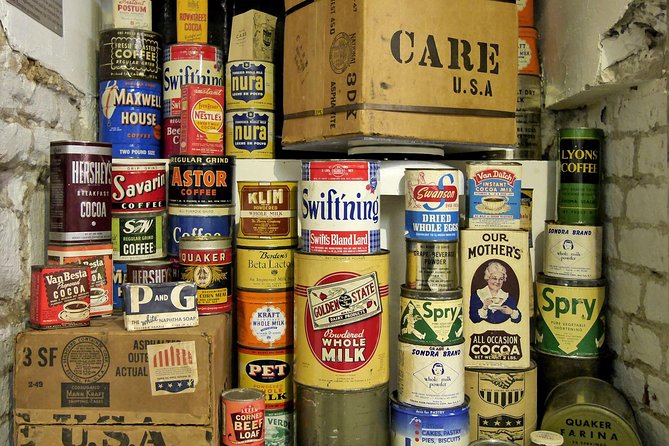
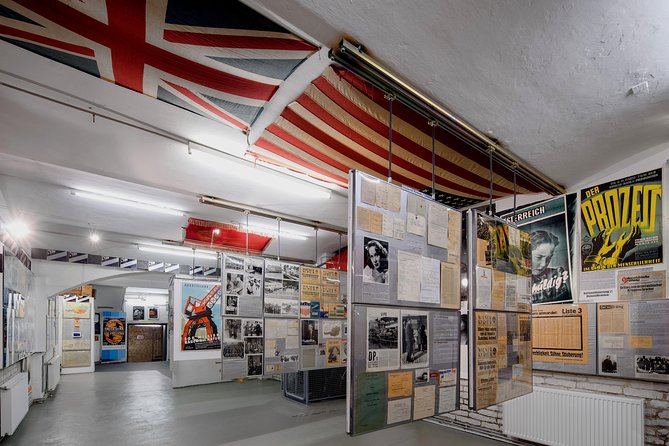
The museum’s historical section is important because it keeps the visit from becoming pure film nostalgia. Vienna’s postwar years were difficult and politically tense, and the exhibition gives you a picture of the period from 1945 to 1955.
The city was occupied during these years, and the museum looks at daily life as well as the film’s production. That wider view helps you understand why Vienna was such a powerful setting for the story.
You should allow time for these displays even if you came mainly for the movie objects. The historical material gives the film a sharper edge. It explains the world of divided authority, uncertainty, and damaged postwar life that gives The Third Man much of its force.
This is also the part of the visit most likely to appeal to anyone interested in World War II and its aftermath. You will not be seeing a general museum of Austrian history, but you will gain useful context for a specific period and city.
How much time you need inside
The visit is listed as lasting about 1 to 2 hours. I would plan on the full two hours if you want to read the displays and examine the original material closely.
An hour may work if you know the film well and move at a steady pace. It may feel short if you want to study the scripts, compare international posters, and spend time with the historical displays.
The museum has enough range to reward a slower pace. The objects are not simply there to be counted. Their value comes from the connections between them: the zither and the score, the scripts and the finished film, the cameras and the special effects, the cinema programs and the movie’s international life.
Because the opening period is short, timing matters. The current hours list Saturday from 2 to 6pm. Arriving with enough time before closing is important, especially if this is one of your main reasons for visiting Vienna.
Price and practical value at $20
At $20, the ticket is reasonably priced for a focused museum visit lasting up to two hours. The value depends on your interests, but the collection is substantial enough to offer more than a quick film-themed display.
You are paying for access to more than 3,000 original pieces, including rare production material and objects tied directly to the film. The scripts, zither, cameras, projector, posters, cinema programs, and costume item give the visit real variety.
The price makes the most sense for people who already care about The Third Man, classic cinema, film technology, or Vienna’s postwar years. If you have no connection to the movie and only have a short time in the city, you may prefer a broader museum.
The mobile ticket is useful because it keeps the admission simple. Food, drinks, and transport are not included, so you should treat this as a museum entry rather than a guided sightseeing package.
The booking information lists the activity as private, with only your group participating. It does not name a guide or promise a guided tour, so you should expect the value to come from the exhibition itself rather than from a scheduled lecture.
Opening hours, transport, and booking details
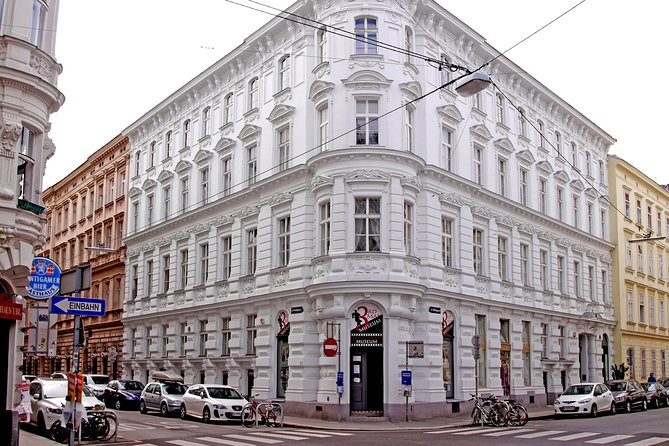
The museum is near public transportation, which makes it practical to reach without arranging a special transfer. The ticket does not include transport to or from the attraction, so you will handle that part yourself.
The current opening schedule is Saturdays from 2 to 6pm, covering the period from March 29, 2025, through June 13, 2026. The supplied information also notes a closure from January 5 through March 28, 2024, which refers to an earlier period. Check the date attached to your booking carefully, since opening information can change.
Confirmation is provided when you book. Most people can participate, according to the supplied accessibility information, though no detailed accessibility notes are given.
Free cancellation is available if you cancel at least 24 hours before the start time. Inside that 24-hour window, the payment is not refunded, and changes are not accepted.
Who will get the most from this visit
This museum is a strong choice for classic film fans. If The Third Man is one of your favorite movies, the original zither, scripts, cameras, and costume piece give you a much closer connection to its production.
It also suits anyone interested in postwar Vienna. The historical displays place the movie within the period from 1945 to 1955, making the visit more than a collection of movie souvenirs.
Film students, writers, photographers, and people interested in old cinema equipment should find plenty to study. The draft scripts and period cameras show how the movie was developed and made, while the projector points to the way films were shown.
Families may enjoy the visual objects, but the museum’s appeal depends on an interest in film or history. Young children who do not know The Third Man may not find the scripts and historical documents as engaging as older visitors.
Who might want to skip it
You may want to pass on the museum if you have never heard of The Third Man and are looking for a general introduction to Vienna. This is a specialist collection, not a broad city museum.
The Saturday-only schedule is another real limitation. If your time in Vienna falls outside the listed hours, the ticket will not help you fit the visit into your plans.
You should also consider how you like to spend museum time. The experience centers on original documents, equipment, posters, and historical context. If you prefer interactive attractions or a guided walk through the city, this may feel too quiet and object-focused.
Should you book the Third Man Museum?
Book it if you have watched The Third Man, care about classic cinema, or want a more focused look at Vienna’s occupied postwar years. The combination of original scripts, Anton Karas’s zither, production cameras, a working 1936 projector, posters, and small film objects gives you plenty to examine for the $20 admission.
I would be more cautious if your schedule is tight or if Saturday afternoon does not work. Check the opening date and time before paying, then allow close to two hours if you want the exhibition’s historical side to have its full effect.
For the right visitor, this is a thoughtful and unusually personal film museum. It connects a celebrated movie to the tools, documents, music, and difficult city that made it possible.
FAQ
Where is the Third Man Museum?
The museum is in Vienna, Austria, and is located near public transportation.
How much does admission cost?
The listed price is $20.
How long does a visit take?
The visit takes approximately 1 to 2 hours.
What are the museum’s opening hours?
The current schedule lists opening on Saturdays from 2:00pm to 6:00pm, for the period from March 29, 2025, through June 13, 2026.
What is included with the ticket?
The entrance fee is included. Food, drinks, and transportation to and from the attraction are not included.
What can I see at the museum?
You can see more than 3,000 original items, including Anton Karas’s original zither, film scripts from early drafts through the final release script, two cameras used for special effects, Little Hansel’s cap, a working 1936 Ernemann VIIb projector, posters, lobby cards, and cinema programs.
Can I cancel the booking for a refund?
Yes. You can receive a full refund if you cancel at least 24 hours before the experience start time. Cancellations and changes made within 24 hours are not refunded or accepted.
Just added around Vienna
- Private Tour from Vienna to Melk and Dürnstein★ 4.5 · 3 reviews
- Vienna: Johann Strauss 200th birthday anniversary exhibition★ 4.7 · 3 reviews
- Vienna Private Full Day Tour – Tickets to Schönbrunn & Lunch★ 5.0 · 3 reviews
- Private Salzburg Day Trip from Vienna★ 4.0 · 3 reviews
- Vienna: Entry Ticket Belvedere 21 & Contemporary Art★ 4.3 · 3 reviews
- Full-Day Private Trip from Vienna to Budapest★ 4.5 · 3 reviews
- Vienna by Night: Private Evening Food and Drink Tour★ 5.0 · 3 reviews
- 1.5 Hour Cinematic Style Portrait Photoshoot and Tour in Vienna★ 4.5 · 3 reviews
Museums, compared.

Skip-the-Line Sisi Museum, Hofburg and Gardens Tour
Read our review →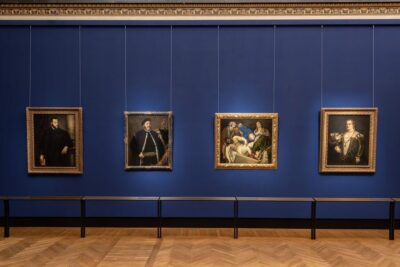
Vienna Kunsthistorisches Museum Day Admission Ticket
Read our review →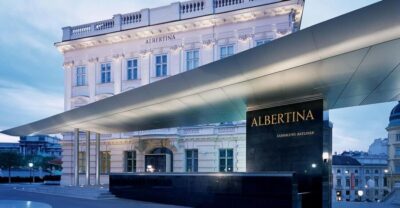

Chocolate Workshop in Chocolate Museum w/ Tasting
Read our review →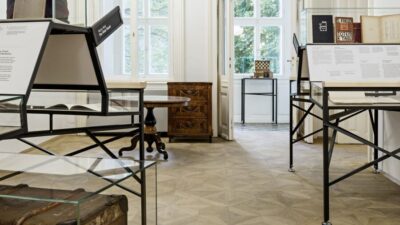
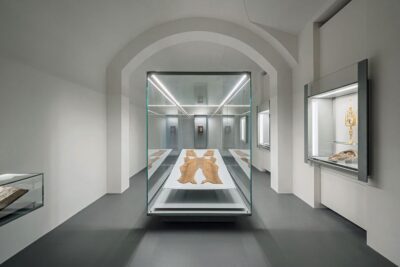
St. Stephen’s Cathedral & Dom Museum Wien Tickets
Read our review →
Browse the lists this tour appears in