
Reviewed · CONCERTS
Vienna: Classical Concert in St. Anne’s Church (Annakirche)
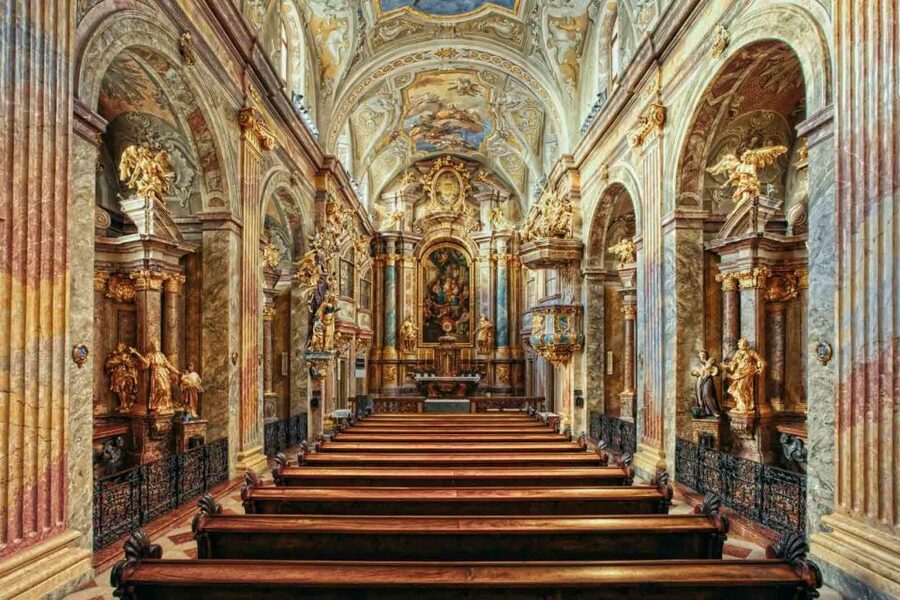
St. Anne’s Church gives this concert its special character. You sit among gold ornament, blue marble balconies, and Baroque detail while four musicians play works by Mozart, Haydn, Beethoven, or Schubert on instruments modeled on those used in their time. It feels more intimate than a grand concert hall, and the church’s excellent acoustics carry the strings beautifully.
I like the 70-minute length, which fits neatly into an evening of sightseeing, and I like the chance to hear complete chamber works rather than a string quartet playing only familiar pop arrangements. The main drawback is free seating: arrive 30 to 40 minutes early if you want a front-row view, and be prepared for occasional late arrivals or a less comfortable seat.
In This Review
- Key points
- Why Annakirche makes the concert special
- Arriving from the State Opera and Karlsplatz
- What the 70-minute program feels like
- Period instruments and the Viennese sound
- The musicians and the view from your seat
- Annakirche’s acoustics and atmosphere
- Comfort in winter and summer
- Is $38 good value in Vienna?
- Who should book this concert?
- Simple ways to improve your evening
- Should you book St. Anne’s Church concert?
- FAQ
- Where is the concert held?
- How far is Annakirche from the Vienna State Opera?
- How long does the concert last?
- What time does the concert begin?
- Which composers may be included?
- Are period instruments used?
- Is seating reserved?
- How early should I arrive for a front seat?
- Is the church heated in winter?
Key points
- Baroque setting: St. Anne’s Church is an ornate, intimate venue just three minutes from the Vienna State Opera.
- Period sound: The ensemble uses instruments from the age of Mozart and Schubert, including historical string equipment.
- Complete classical works: Programs feature music by Mozart, Haydn, Beethoven, or Schubert rather than only short popular excerpts.
- Strong value: At $38 per person, the concert costs far less than many major Vienna music performances.
- Free seating: Early arrival matters if seeing the musicians clearly is important to you.
- Easy evening plan: The 8 PM start leaves your day free and puts you near cafés and restaurants in central Vienna afterward.
Why Annakirche makes the concert special
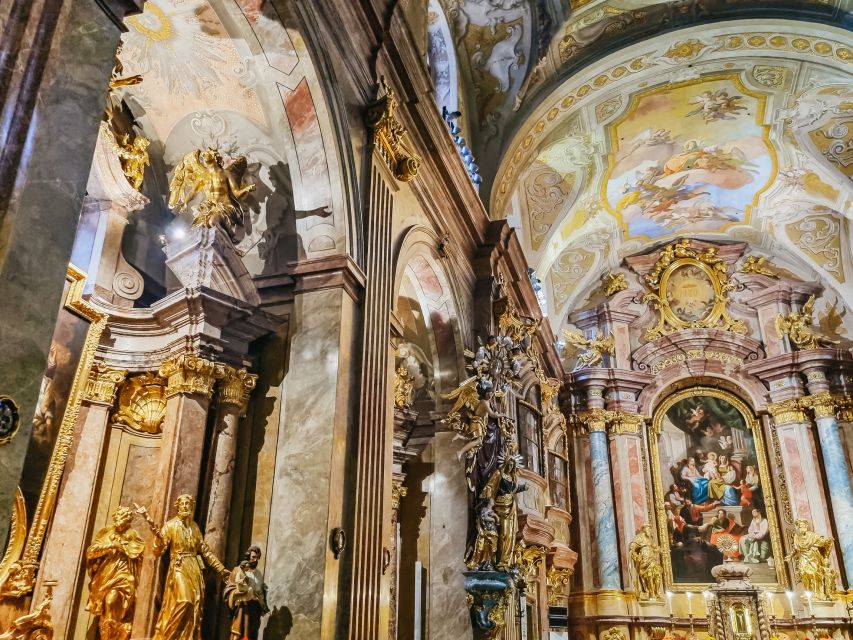
Vienna has no shortage of classical music. The challenge is finding a performance that feels connected to the city without requiring a grand budget or formal evening out. This concert handles that neatly by placing a small string ensemble inside St. Anne’s Church, a Baroque church in the pedestrian center.
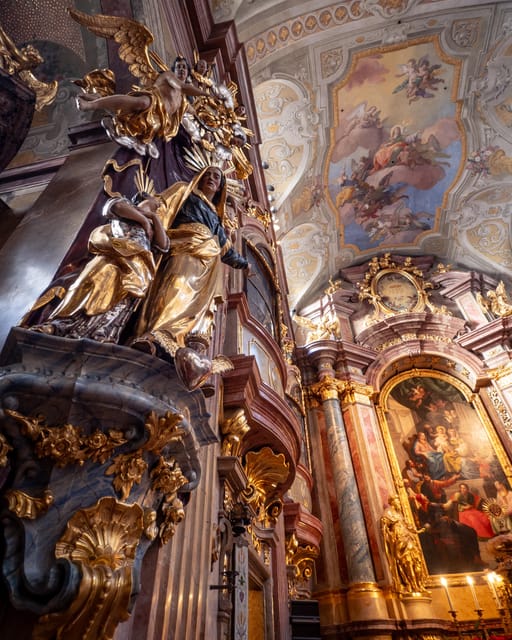
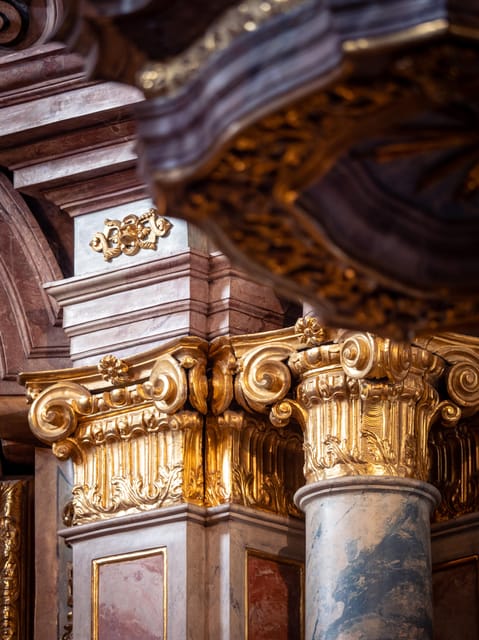
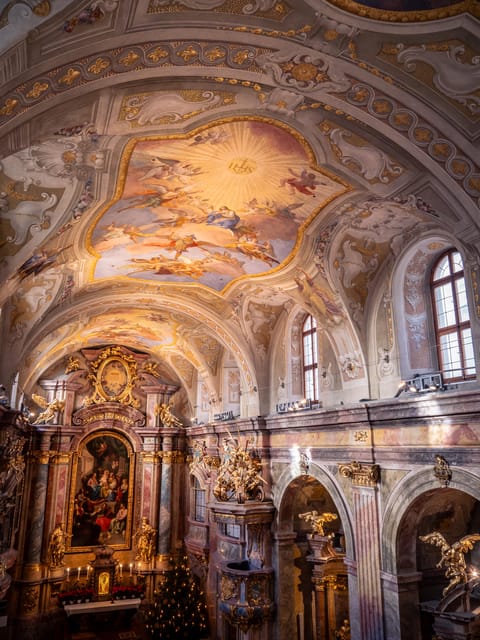
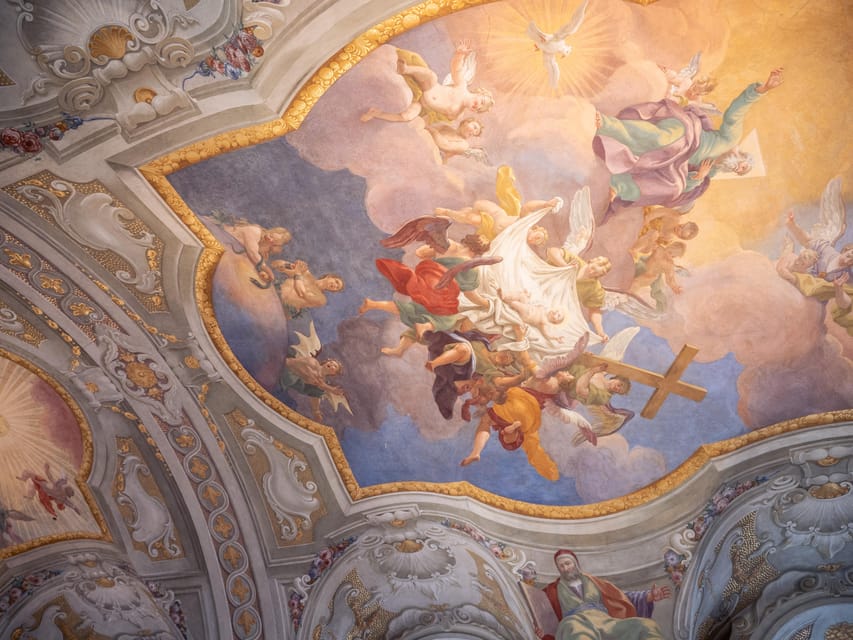
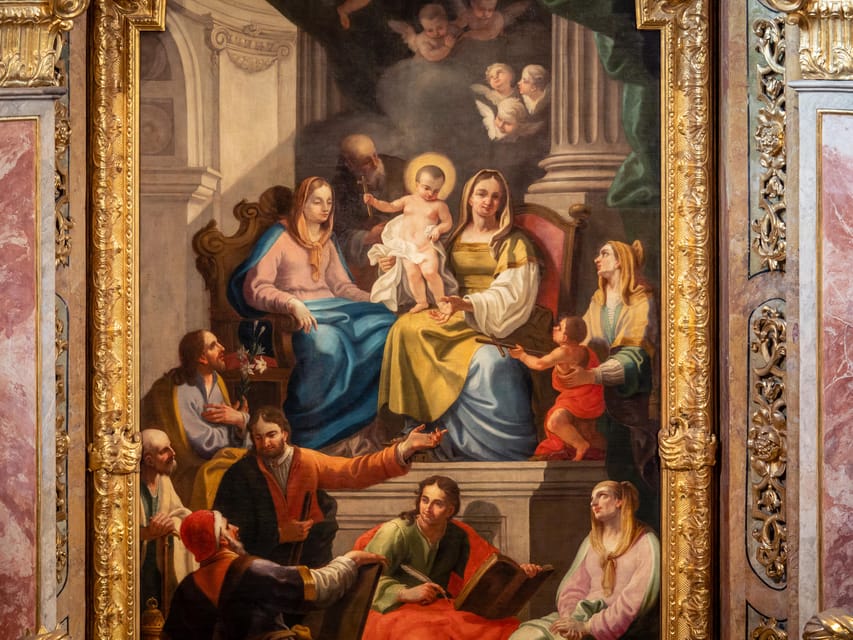
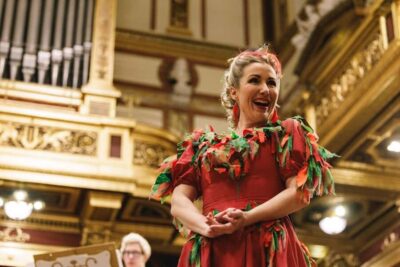
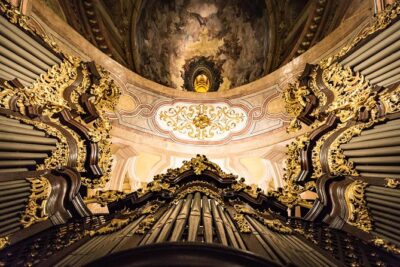
The church is more than a backdrop. Its ornate interior gives the evening a sense of place before the first note is played. Inside, you can look up at the decoration, study the gold details, and notice the blue marble balconies while the musicians perform close by.
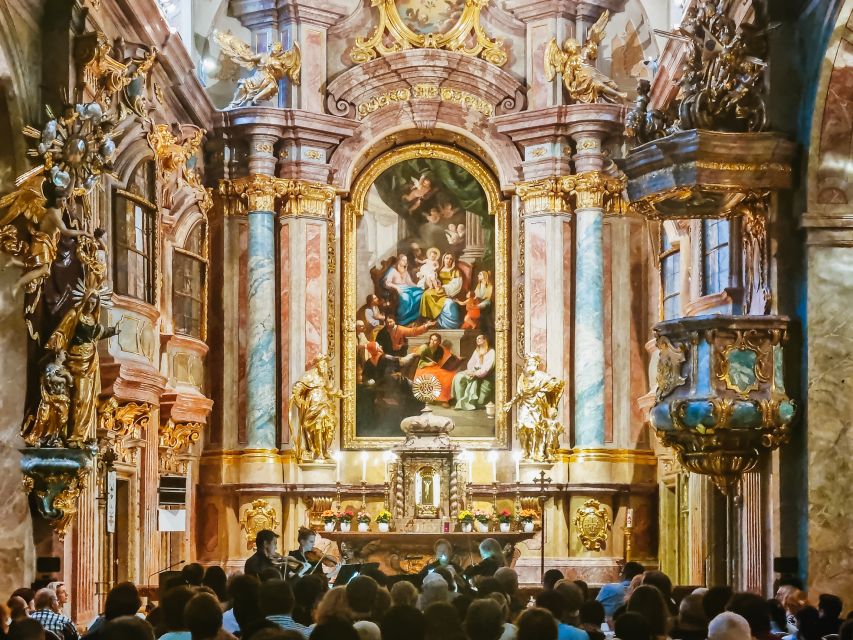
I especially like the scale. This is not a huge hall where the performers appear far away. The small church creates a direct relationship between the audience and the ensemble. You can watch the players work together, follow the movement of the bows, and see how a quartet communicates without a conductor.
That intimacy also makes the concert a good choice if you are unsure about classical music. You do not need to know the difference between every form or period. The program is built around composers whose music is welcoming even when you cannot name the piece.
More concerts in Vienna:
- Vienna: Vivaldi’s Four Seasons Concert in Karlskirche
★ 4.7 · 14,951 reviews - Vienna: Classical Concert in the World-Famous Musikverein
★ 4.6 · 6,673 reviews - Vienna: Classical Concert at St. Stephen’s Cathedral
★ 4.1 · 4,177 reviews
Arriving from the State Opera and Karlsplatz
St. Anne’s Church is at Annagasse 3b, only about a three-minute walk from the Vienna State Opera. It is also roughly five minutes on foot from both Karlsplatz and Stephansplatz underground stations, so you can reach it easily from other parts of the city.
The church sits in a pedestrian zone. That makes the final approach pleasant, but you should not expect to pull up directly at the door by car or taxi. Plan to walk the last part of the route, especially if you are carrying luggage or dealing with winter weather.
The concert begins at 8 PM. I would not cut it close. Free seating means the line and the best seat choices matter more than they would at a reserved-seat theater. Arriving 30 minutes early is a sensible target, while arriving 40 minutes early gives you a better chance at the front.
The entrance area can become part of the evening’s rhythm. You are already in central Vienna, so you can have dinner nearby, walk through the surrounding streets, and reach the church without a long transfer. Afterward, the same location makes it easy to continue your night in the center.
What the 70-minute program feels like
The performance lasts about 70 minutes. That is long enough for a real concert, but short enough to work around a full day of museums, palaces, and walking.
The program includes complete works by Mozart, Haydn, Beethoven, or Schubert. Depending on the evening, you might hear music by several composers. One program has included Mozart, Haydn, and Beethoven, while another has featured Haydn, Mozart, Schubert, and Mendelssohn.
That point matters. Some low-cost classical concerts rely on a string ensemble playing a quick parade of famous melodies. This experience instead focuses on proper chamber music, including music written specifically for a string quartet. You get a more satisfying sense of how the pieces are built, with themes passed between instruments and quieter sections given room to breathe.
You should not expect the exact same program every night unless the booking details specify it. Check the available date and program when you reserve. The appeal is the general format: a compact performance centered on major Viennese composers and a historic sound.
The pacing also works well for a first classical concert. You can listen closely without committing to a three-hour opera or a full evening at a major concert house. If you already love chamber music, the shorter format may leave you wishing for another movement or an encore. That was one of the few consistent reservations in an otherwise very positive response: the music can feel over too soon.
Period instruments and the Viennese sound
The musicians play on period instruments, or instruments designed to recreate the sound and playing conditions of the 18th and early 19th centuries. The goal is not simply to provide an old-fashioned visual detail. Historical instruments can change the color, attack, and balance of the music.
One particularly interesting detail is the use of 18th-century equipment and gut strings rather than only modern bow strings. That can give the music a more textured and less polished sound. In a small church, you are close enough to notice the difference in tone and articulation.
I would keep your expectations sensible. A period-instrument performance does not turn the concert into a museum demonstration. The musicians are still giving a polished live performance, and the works remain recognizable as Mozart, Haydn, Beethoven, or Schubert.
The historical angle is valuable because Vienna’s musical identity is not just a modern marketing idea. These composers shaped the city’s place in European music, and hearing their chamber works on historically styled instruments helps connect the music to its era.
For a newcomer, the period approach may simply register as a pleasing, clear string sound. For an experienced listener, it offers another way to hear familiar works. Either way, the instruments add substance to the evening rather than serving as a costume detail.
A different side of Vienna on the same trip:
- Vienna: Spanish Riding School Training
★ 3.9 · 9,281 reviews - Vienna: Skip-the-cashier-desk-line Giant Ferris Wheel Ride
★ 4.5 · 7,859 reviews - Vienna: Schönbrunn Palace & Gardens Skip-the-Line Tour
★ 4.7 · 7,739 reviews - Vienna: Light of Creation Votive Church Immersive Light Show
★ 4.8 · 6,779 reviews
The musicians and the view from your seat
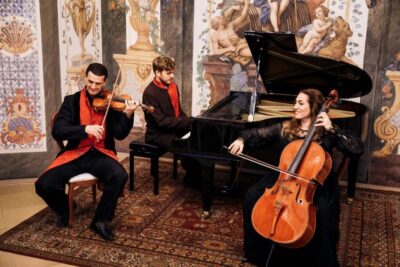
The ensemble is made up of musicians from renowned Viennese orchestras. The format is a small string group, generally four players, with the musicians positioned close to the audience.
That closeness is one of the strongest parts of the experience. You can see the players, not just hear them. The physical interaction between four musicians is part of chamber music’s appeal, as each player has an important role and there is nowhere for weak coordination to hide.
The performers have been praised for their precision, energy, and passion. The strongest impressions come from the combination of technical control and visible enjoyment. This is not presented as background music while you inspect a church. The musicians carry the evening.
Your seat affects how much of that you see. With free seating, front seats are popular. Arrive 30 to 40 minutes early if watching the performers is a priority. From farther back, the sound should still carry clearly because of the church’s acoustics, but heads and sightlines may make the players harder to follow.
A practical compromise can be a seat at the side. One visitor specifically recommended the softer side seats for comfort. The front gives you the best view, while a side position may offer a more relaxed seat and a different angle on the church interior.
You should also know that the musicians may not be raised high above the audience. A few people found that this made viewing harder from some positions. If visual access matters to you, early arrival is more useful than simply choosing the first open seat.
Annakirche’s acoustics and atmosphere
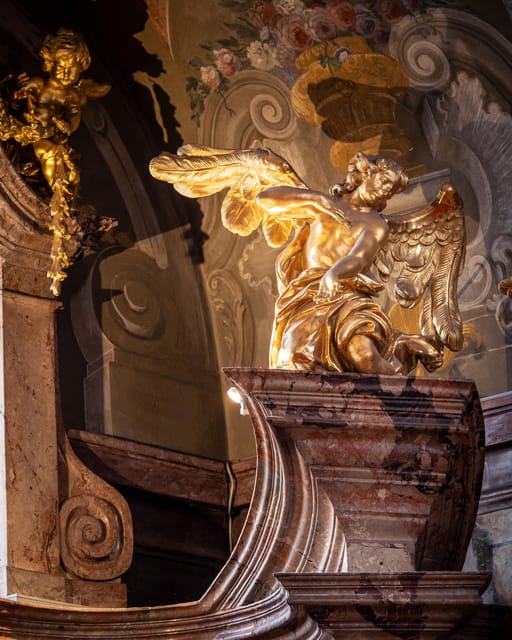
The church’s acoustics are a major reason this works. String instruments can sound thin or distant in a large, echoing building, but Annakirche’s smaller interior creates a close, resonant sound.
You will hear the music reverberate around the church rather than being contained by a modern concert shell. That adds warmth, especially during slower movements. It can also soften some of the sharper details, so listeners who want a highly dry and analytical sound may prefer a formal concert hall.
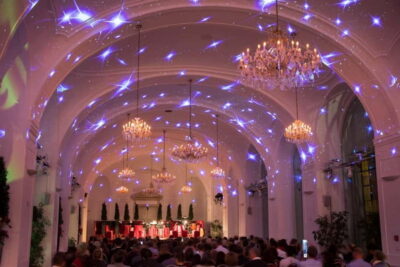
The lighting helps set the mood. It is bright enough to appreciate the interior, while still creating an intimate evening atmosphere. You are not left in darkness, and you can continue looking at the church during the performance.
The building itself may be the most memorable visual part of the night. The blue marble balconies and gold ornaments are details worth noticing before the concert begins. If you arrive early, use the waiting time to look around quietly rather than treating the church as a simple entrance hall.
This is a working religious building and a concert venue, so the mood is more restrained than at a casual entertainment show. The setting asks for quiet attention. That makes an occasional disruption more noticeable. A snoring audience member, side conversations, late arrivals, or a bright phone flash can spoil a few minutes of music, particularly in a small room.
Recording the performance is not allowed. Put your phone away before the music starts. You will enjoy the concert more, and you will avoid creating the very distraction that can bother everyone nearby.
Comfort in winter and summer
The church is heated during the cold months, which makes this a practical choice for a winter evening in Vienna. You can move from a chilly walk through the center into a warm concert setting without needing to sit through 70 minutes in a coat.
Summer is a different matter. One visitor found the church warm and recommended bringing water. The supplied details do not promise air-conditioning, so dress for the season and avoid assuming the interior will feel cool simply because it is a church.
Seating comfort varies. Free seating gives you choice, but it does not guarantee the same chair or cushion for everyone. If comfort is important, side seats may suit you better than the most competitive front positions.
There is no interval listed, and the concert lasts 70 minutes. Plan accordingly before entering. This is a compact program, not an evening with a long break for drinks or refreshments inside the venue.
Is $38 good value in Vienna?
At $38 per person, this concert sits in a useful middle ground. It is more than a free church performance, but far less than many high-profile opera or orchestra tickets in Vienna.
The value comes from three elements working together: professional musicians, a central historic venue, and a full 70-minute program. You are paying for a real live performance, not only access to an attractive church.
I would consider it especially good value if you want classical music but do not want to commit to the price, dress, and length of a major opera house production. It also works well when the State Opera schedule does not match your plans.
The experience will not replace a full opera or a large orchestra concert. The ensemble is small, the program is shorter, and the free seating means you trade some predictability for the lower price. But that smaller scale is also the point. You get chamber music at close range, inside a church where the setting is part of the experience.
The overall rating is 4.6 from 3,414 reviews, and the most praised features are consistent: the musicians, the church, the sound, and the price. I would read that as a sign of dependable value, not as a promise that every seat or every program will suit every person.
Who should book this concert?
I would choose this for several kinds of visitors:
- First-time classical listeners: The familiar composers and shorter running time make the evening approachable.
- Chamber music fans: Complete quartet works and close seating offer more than a collection of famous snippets.
- Couples and solo visitors: The central setting and compact length make it an easy evening plan.
- Winter visitors: The heated church provides a warm cultural stop after sightseeing.
- Opera fans without an opera ticket: You get live classical music near the State Opera without buying a major-house seat.
- Budget-conscious visitors: $38 is a reasonable way to add a serious performance to a Vienna itinerary.
I would hesitate only if you need reserved seating, dislike church acoustics, or want a long concert with a large orchestra. I would also think twice if you are likely to arrive at 8 PM with no time to spare. Early arrival improves the seating choice, and this is not the right event for rushing through the door at the last second.
Simple ways to improve your evening
Arrive early and look around the church before finding your seat. The building is one of the main reasons to come, and you will appreciate it more before the lights settle and the music begins.
Have dinner or a drink in the central area beforehand, but leave enough time for the walk to Annagasse 3b. The venue is close to the State Opera and underground stations, yet pedestrian streets can make a short route feel less direct if you are unfamiliar with the center.
Bring water in summer and dress comfortably in winter. Choose the front if you want the clearest view of the players, or consider a side seat if comfort matters more.
Read the free concert program before the performance begins. Even a quick look at the composers and movements can help you follow the evening. You do not need formal music training, but a little context makes the contrast between a lively movement and a slower one easier to catch.
Keep your phone silent and do not record. In a quiet church, a single flash or conversation carries farther than you might expect.
Should you book St. Anne’s Church concert?
Yes, I would book it if you want a reasonably priced classical evening with a strong sense of place. The combination of period instruments, professional musicians, and an ornate Baroque church offers more character than a generic tourist music show.
Book it with the right expectations. You are getting an intimate string performance, not the Vienna State Opera, and the free seating rewards an early arrival. If you can accept those limits, this is one of the easiest ways to add live music to a Vienna itinerary without spending a fortune or giving up an entire night.
FAQ
Where is the concert held?
The concert takes place at St. Anne’s Church, also called Annakirche, at Annagasse 3b in central Vienna.
How far is Annakirche from the Vienna State Opera?
St. Anne’s Church is about a three-minute walk from the Vienna State Opera.
How long does the concert last?
The concert lasts approximately 70 minutes.
What time does the concert begin?
Concerts begin at 8 PM.
Which composers may be included?
Programs include complete works by Mozart, Haydn, Beethoven, or Schubert. The exact program can vary by concert date.
Are period instruments used?
Yes. The string ensemble plays on period instruments designed to recreate the sound of the Viennese Classical Era.
Is seating reserved?
No. The ticket provides free seating in the venue, so seats are available on a first-come, first-served basis.
How early should I arrive for a front seat?
Arriving 30 to 40 minutes before the 8 PM start gives you a better chance of choosing a front-row seat.
Is the church heated in winter?
Yes. St. Anne’s Church is heated during the cold months.
Just added around Vienna
- Private Tour from Vienna to Melk and Dürnstein★ 4.5 · 3 reviews
- Vienna: Johann Strauss 200th birthday anniversary exhibition★ 4.7 · 3 reviews
- Vienna Private Full Day Tour – Tickets to Schönbrunn & Lunch★ 5.0 · 3 reviews
- Private Salzburg Day Trip from Vienna★ 4.0 · 3 reviews
- Vienna: Entry Ticket Belvedere 21 & Contemporary Art★ 4.3 · 3 reviews
- Full-Day Private Trip from Vienna to Budapest★ 4.5 · 3 reviews
- Vienna by Night: Private Evening Food and Drink Tour★ 5.0 · 3 reviews
- Semi-Private Tour: Central Europe &Balkans from Vienna to Athens★ 5.0 · 3 reviews
Concerts, compared.
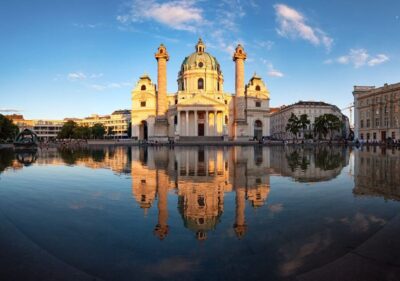
Vivaldi’s Four Seasons Concert in Karlskirche
Read our review →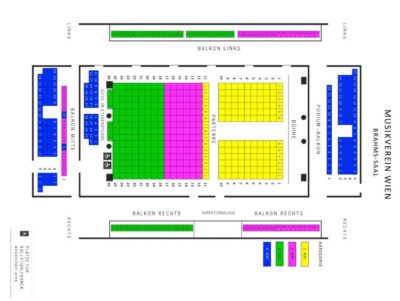
Classical Concert in the World-Famous Musikverein
Read our review →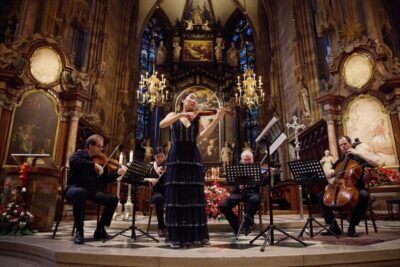
Vienna Classical Concert at St. Peter’s Church
Read our review →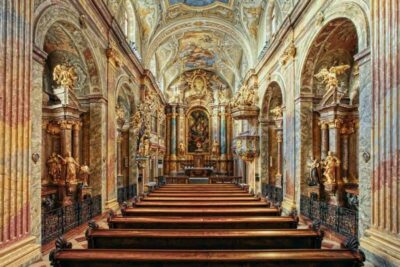
Classical Concert in St. Anne’s Church (Annakirche)
Read our review →Browse the lists this tour appears in