Reviewed · TICKETS
Vienna: Imperial Crypt Entrance Ticket
Vienna’s Imperial Crypt puts you face to face with the Habsburg dynasty, not in a palace hall but beneath a modest Capuchin church. Downstairs, ten connected vaults hold the sarcophagi, urns, and funerary monuments of about 150 members of the imperial family, including Maria Theresia, Emperor Franz Joseph, Empress Elisabeth, known as Sisi, and their son Rudolph.
I like the contrast between the plain church above and the extraordinary metalwork below. I also like that you can take your time, moving from room to room at your own pace. The main drawback is that the entrance ticket does not include a full guide or audio tour, so visitors unfamiliar with Austrian history may want extra explanation.
In This Review
- Key points to know before you go
- Beneath the Capuchin Church in central Vienna
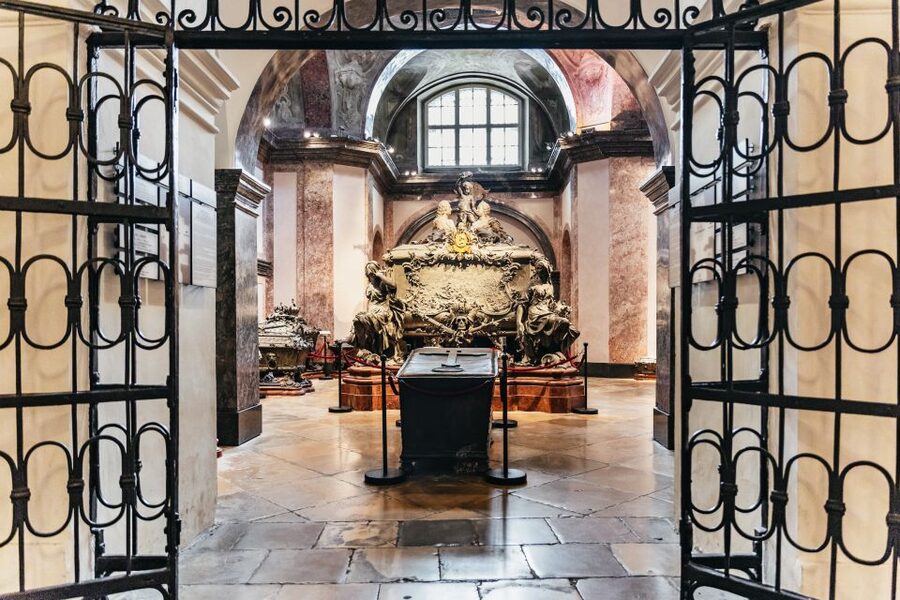
- What you see in the ten vaults
- Meeting the Habsburg rulers face to face
- The artwork is as important as the names
- How long should you allow?
- Ticket value at $17
- Practical rules that affect your visit
- Is a guided explanation worth paying for?
- Who will enjoy the Imperial Crypt most?
- Should you book the Imperial Crypt ticket?
- FAQ
- Where is the Imperial Crypt located?
- How many Habsburg family members are buried there?
- Are Emperor Franz Joseph and Empress Elisabeth buried in the crypt?
- Does the ticket include a guide?
- How long does a visit usually take?
- Can I take photographs inside?
Key points to know before you go
- About 150 Habsburgs rest here: The crypt includes major rulers, empresses, children, and other members of the dynasty.
- Ten vaults tell four centuries of history: The rooms were extended and altered over more than 400 years.
- The sarcophagi are the main attraction: Look for elaborate designs in tin, copper, bronze, silver, and gold.
- Franz Joseph and Sisi are here: Their tombs give the visit a personal link to Vienna’s most famous imperial couple.
- The visit is self-paced: Many people spend 30 minutes, while history fans can easily stay for 90 minutes or more.
- A guide can add useful context: An on-site guided tour has been available for an additional €3, though the standard ticket is admission only.
Beneath the Capuchin Church in central Vienna
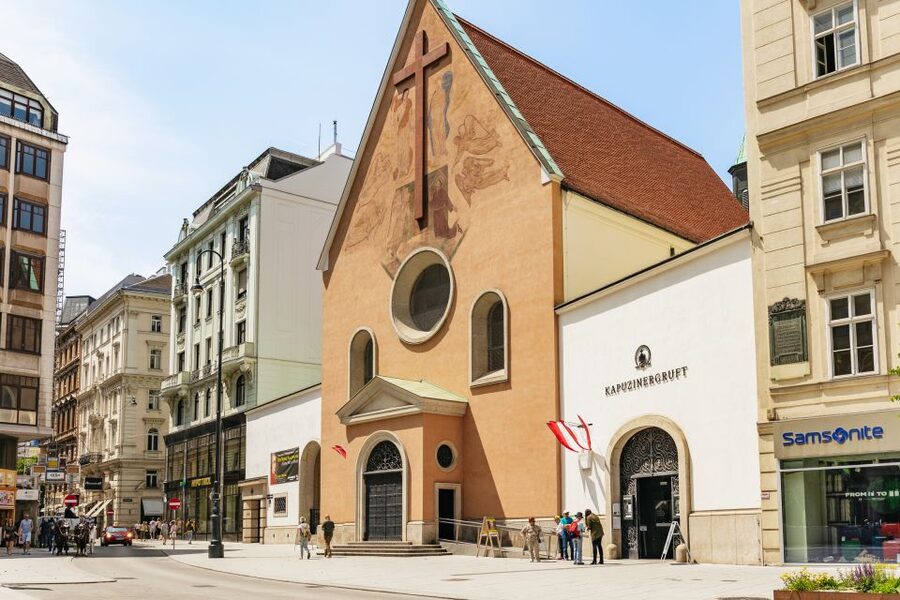
The Imperial Crypt, also called the Kaisergruft, lies beneath the Capuchin Church and monastery in Vienna’s city center. Its setting matters. You are not entering a grand palace wing or a museum built to display royal remains. You pass below a relatively humble church cared for by the Capuchin Order, then find yourself in a series of rooms filled with the burial monuments of one of Europe’s most powerful ruling families.
That change in mood is part of the experience. The church above is restrained. The crypt below is solemn but often highly ornate, with large sarcophagi covered in sculpted decoration and carefully worked metal. I find the contrast more affecting than a grand entrance would be.
The Capuchin Order still has custody of the crypt. Over four centuries, the burial rooms were expanded and modified as more members of the family died. The result is not one single chamber, but a system of ten vaults that developed over time.
You should expect a quiet place, not a lively attraction. The atmosphere is peaceful and serious, and flowers and notes are still left for some of the better-known members of the family. This is a functioning place of remembrance, so respectful behavior matters.
A few more Vienna tours worth weighing up
- Vienna: Classic Ensemble Vienna in St. Peter’s Church Ticket
★ 4.7 · 4,819 reviews - Vienna Kunsthistorisches Museum Day Admission Ticket
★ 4.6 · 3,690 reviews - Vienna: Tickets for Mozarthaus Vienna with Audio Guide
★ 4.2 · 2,344 reviews
What you see in the ten vaults
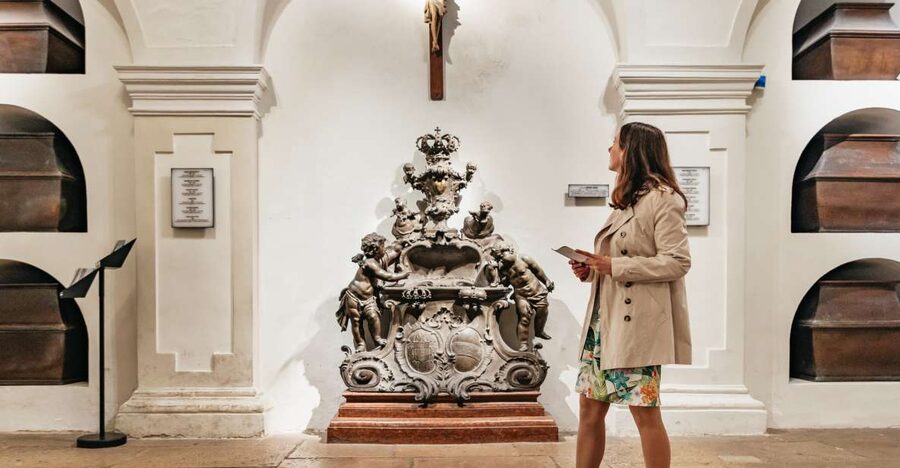
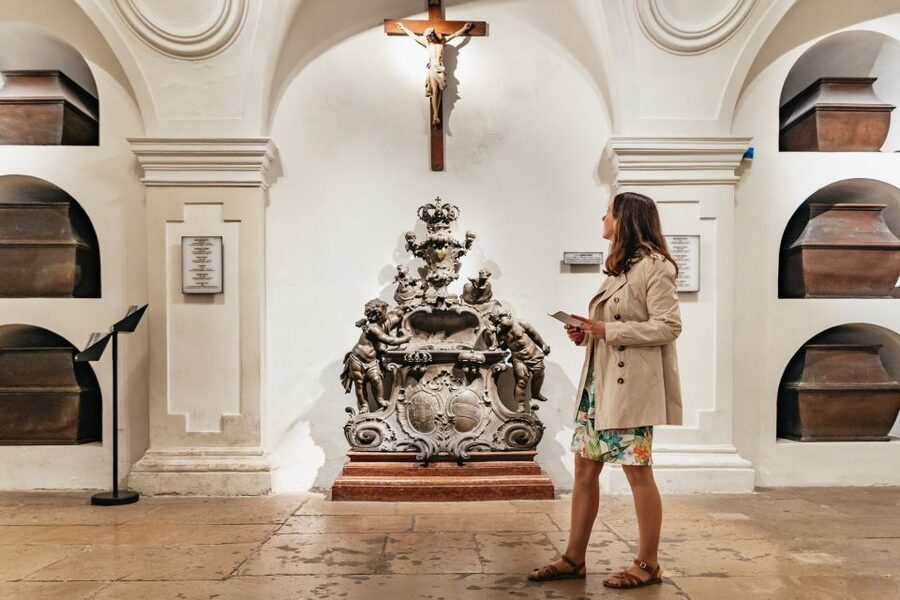
The crypt contains sarcophagi, urns, and funerary monuments rather than a conventional line of display cases. Each room has its own character, shaped by the period in which it was built and the people buried there.
The earliest and later sections reflect changing ideas about imperial display. Some tombs are comparatively restrained, while others are large, elaborate works of art. The materials include tin, copper, bronze, silver, and gold. Even if you know little about Habsburg politics, the craftsmanship gives you plenty to study.
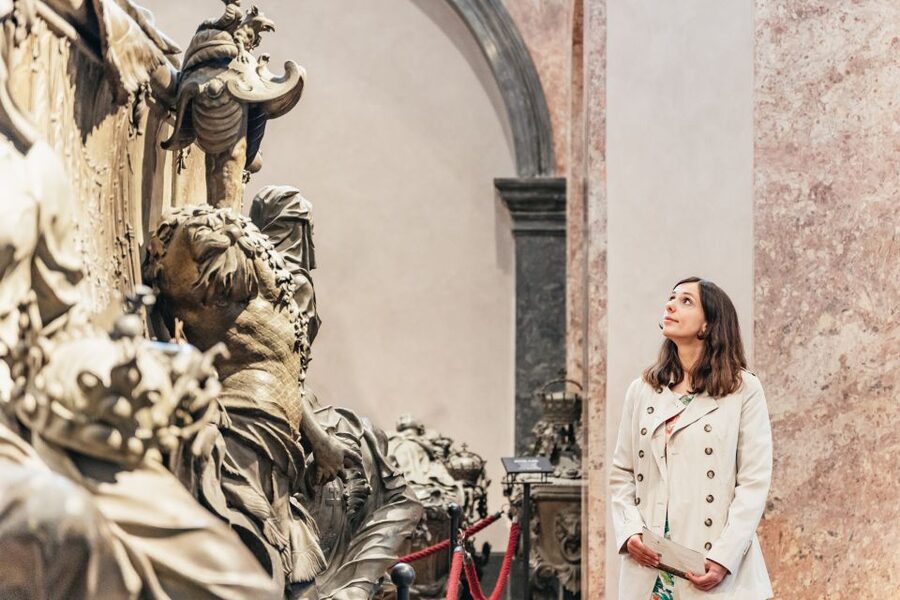
I recommend looking at the tombs from several angles rather than simply walking past them. The lids, sides, decorative figures, coats of arms, and metal details reward a slow look. Some visitors spend only about half an hour here, but I would allow at least an hour if you want to read the information and examine the work properly.
The crypt does not feel macabre in the usual sense. It is solemn, certainly, but the artistic quality and orderly layout make the visit feel closer to a historical memorial than a frightening underground attraction. If you are sensitive to burial sites, the setting is still worth considering, but the tone is quiet and respectful.
Meeting the Habsburg rulers face to face
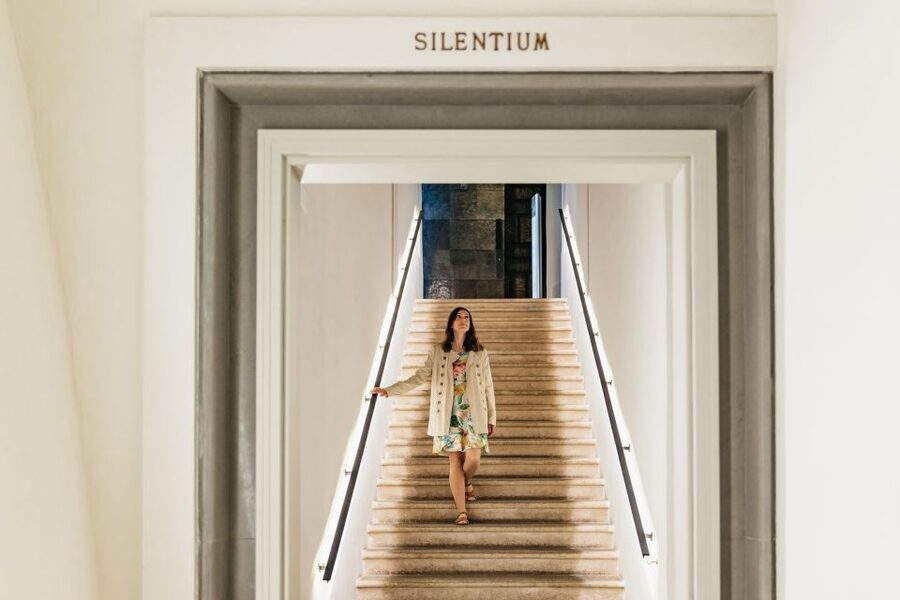
The biggest draw for most people is the chance to see the final resting places of famous Habsburg figures. Emperor Franz Joseph, who ruled for decades, is buried here with his wife, Empress Elisabeth, and their son Rudolph.
Sisi remains one of the best-known figures in Austrian imperial history, and her tomb is an obvious point of interest. The visit gives you a more direct connection to the public image of the empress, though the crypt itself does not turn her life into a theatrical story. You will need to bring some background knowledge or use the available written information to understand the people behind the names.
Maria Theresia is another major figure buried here. She ruled the Habsburg lands in the 18th century and remains central to Vienna’s imperial story. Her tomb is among the most impressive examples of the crypt’s scale and decoration.
The family connection continues through many less famous figures. You will see the burial places of rulers, spouses, children, and other relatives. That broader family view helps explain how dynastic power worked. This is not just a hall of emperors. It is a record of a ruling house across generations.
One detail adds to the interest: the Habsburgs traditionally separated the burial of the body, heart, and entrails. The hearts of many members of the monarchy are not in the Imperial Crypt but in the monastery. That unusual custom gives you another reason to look beyond the obvious sarcophagi.
The artwork is as important as the names
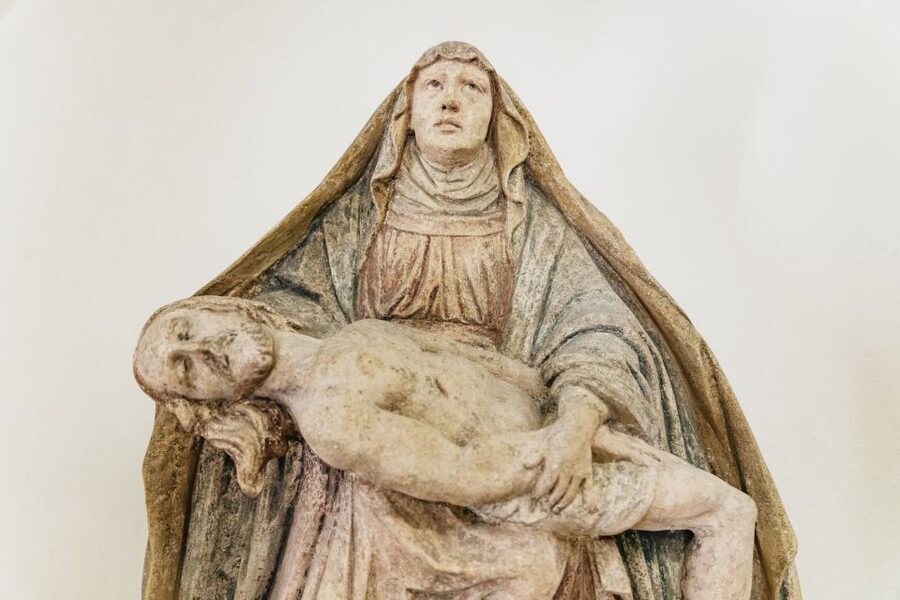
I would visit the crypt even if you were only mildly interested in royal history, because the sarcophagi are remarkable examples of funerary art. One particularly useful way to approach the visit is to treat each tomb as both a historical object and a piece of craftsmanship.
The decoration can be grand without being visually simple. Curving forms, sculpted figures, metal surfaces, and symbolic details combine to create an impression of power. Some visitors describe the coffins as stunning, and that is a fair response to the level of work on display.
The rooms themselves also reflect the dynasty’s status. Their design evokes imperial authority, but the underground setting keeps the mood grounded. You see an empire’s wealth and ambition in objects made for death, surrounded by the quiet routine of a religious order.
Written information is available beside the tombs, and small booklets can help explain the occupants. However, the amount of English information may feel limited if you do not know the Habsburg family tree. I would not assume that every visitor will get a full explanation from the standard ticket.
A different side of Vienna on the same trip:
- Vienna: Vivaldi’s Four Seasons Concert in Karlskirche
★ 4.7 · 14,951 reviews - Vienna: Spanish Riding School Training
★ 3.9 · 9,281 reviews - Vienna: Skip-the-cashier-desk-line Giant Ferris Wheel Ride
★ 4.5 · 7,859 reviews - Vienna: Schönbrunn Palace & Gardens Skip-the-Line Tour
★ 4.7 · 7,739 reviews
How long should you allow?
The official activity lasts one day in the sense that the ticket is valid for one day, not that you spend an entire day underground. Most people need between 30 minutes and 90 minutes, depending on their interest in the names and details.
If you mainly want to see the famous tombs, half an hour may be enough. If you read the signs and inspect the decorative work, plan on about an hour. A dedicated history enthusiast could stay longer and still find more to notice.
I suggest avoiding a rushed visit near closing time. One booking was set for 5:30 p.m. even though the crypt closed at 6 p.m., and the visitor was concerned about having enough time. The desk reportedly allowed entry earlier in the day, but you should confirm any same-day flexibility when you arrive rather than rely on a late slot.
The one-day validity gives you some useful freedom when fitting the crypt into a busy Vienna schedule. You can combine it with nearby central sights, then visit when the timing suits you. If you book a late time, allow enough margin for reading and for the possibility that the rooms are busier than expected.
Ticket value at $17
At about $17 per person, this is a reasonably priced Vienna sight if you appreciate history, religious sites, or decorative arts. You are paying for access to a unique burial complex that cannot be replicated elsewhere, not for a long guided program.
The value depends on how you visit. If you rush through in 20 minutes and know little about the Habsburgs, the ticket may feel less satisfying. If you spend an hour studying the tombs and reading about the people buried there, the price is easier to justify.
The admission ticket includes entrance only. It does not include a dedicated guide, audio guide, transport, or a concert. An on-site guided tour has been available for an extra €3, which could be good value if you want the family connections and historical events explained as you go.
There is also a combo option connected with an A Little Night Music concert after the crypt. That pairing may suit you if you want to connect Vienna’s imperial past with its musical tradition, but check the exact combo details and schedule before booking.
The activity information describes the group type as small, limited to nine participants. Since the basic experience is largely self-paced, the small-group label may matter most if you choose a guided element. The standard visit itself is not a long escorted tour.
Practical rules that affect your visit
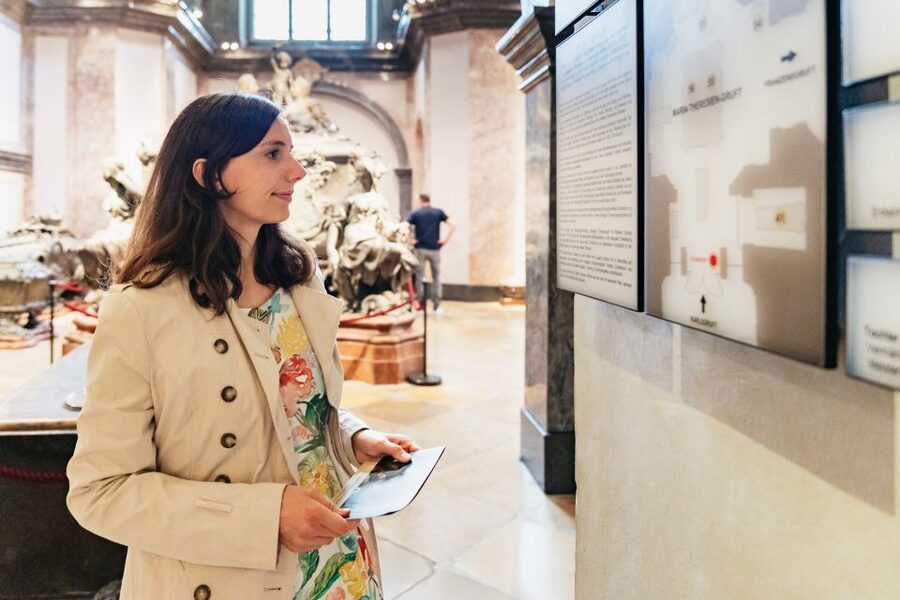
The Imperial Crypt is wheelchair accessible, which makes it more usable than many older underground historic sites. You should still allow time to enter and move carefully through the rooms, particularly if other people are stopping to read.
Large bags and luggage are not allowed. Free toilets and lockers have been available, with a refundable €1 or €2 coin deposit for the lockers. That is useful if you are carrying day bags, but do not arrive expecting to store a large suitcase unless the staff confirms it.
Pets are not allowed. Sleeveless shirts are also listed among the restrictions, so dress with the site’s religious and funerary setting in mind.
Photography is not allowed. This rule is intended to respect the dead, and it is worth taking seriously even if other people ignore it. The crypt is a place to look closely and remember what you saw, not a backdrop for selfies or video. Video recording is specifically prohibited as well.
Is a guided explanation worth paying for?
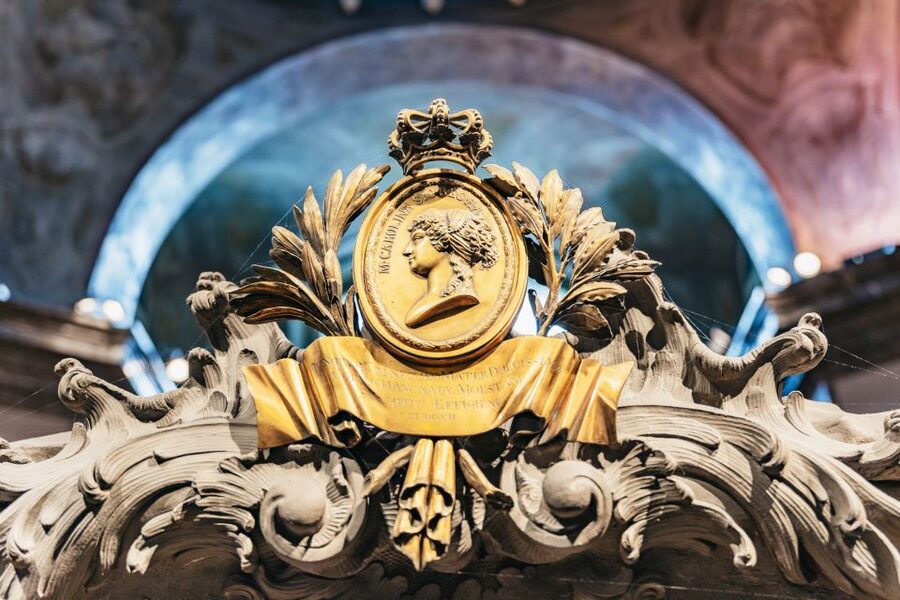
For me, this is the key choice. The crypt is visually impressive without a guide, but the historical connections can be hard to follow. You may recognize Maria Theresia, Franz Joseph, and Sisi, then lose track of the many other names and relationships.
The standard written material gives you a starting point. Small booklets and signs identify people and explain some of the tombs. Still, the English information may not be enough for visitors who want a clear account of the dynasty’s rise, family marriages, political struggles, and decline.
An extra €3 guided tour, when available, is a modest supplement. I would consider it worthwhile if you have little background in Austrian history or if this is one of your main historical stops in Vienna. If you prefer to move at your own pace and mainly want to admire the metalwork, the entrance ticket should do the job.
You can also prepare by reading a short Habsburg family overview before arriving. Even a basic grasp of Maria Theresia, Franz Joseph, Elisabeth, and Rudolph will make the rooms easier to understand.
Who will enjoy the Imperial Crypt most?
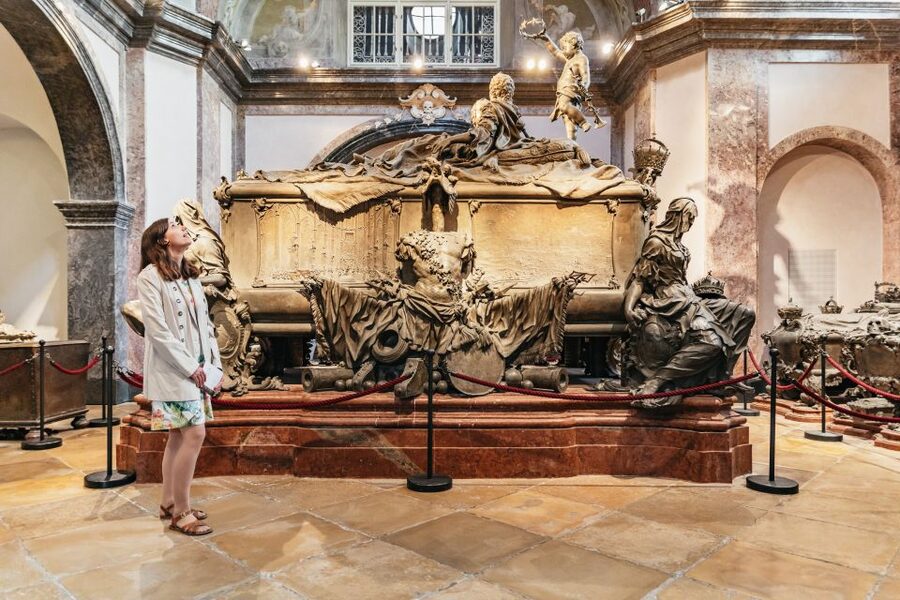
I would recommend this visit to you if you enjoy:
- European dynastic history and royal families
- Religious buildings and burial customs
- Metalwork, sculpture, and ornate funerary design
- Quiet historical sites rather than large, crowded museums
- Seeing famous figures in the actual place where they were buried
It may be less rewarding if you want a long tour with a lively guide, theatrical storytelling, or many interactive displays. The crypt is compact, quiet, and focused on tombs. Its strength is the directness of the setting.
Families with older children may find it interesting, especially if you explain the Habsburg family story beforehand. Very young children may have limited interest in the written information and solemn atmosphere.
The crypt also works well as a shorter stop during a day in central Vienna. You do not need to give up half a day, and you can pair it with other city-center sights or the optional concert combination.
Should you book the Imperial Crypt ticket?
Book it if you want an unusual view of Vienna’s imperial past and you are willing to spend time looking closely. The ornate sarcophagi, the ten-vault layout, and the presence of about 150 Habsburg family members make this far more than a quick stop at a royal tomb.
I would choose the guided option if you are not familiar with the dynasty or need more English explanation. I would choose the standard $17 ticket if you already know the main figures and want a flexible, self-paced visit.
The Imperial Crypt will not suit everyone. It is small, quiet, and serious, and the lack of a full audio guide may frustrate you. But for a modest price, it offers a rare look at the people and burial customs behind Vienna’s imperial image. Give yourself at least an hour if possible, follow the photography rules, and let the contrast between the humble church and the grand tombs do much of the talking.
FAQ
Where is the Imperial Crypt located?
The Imperial Crypt is beneath the Capuchin Church and monastery in the city center of Vienna, Austria.
How many Habsburg family members are buried there?
About 150 Habsburg personalities rest in the crypt, including emperors, empresses, and other family members.
Are Emperor Franz Joseph and Empress Elisabeth buried in the crypt?
Yes. Emperor Franz Joseph, Empress Elisabeth, also known as Sisi, and their son Rudolph are buried there.
Does the ticket include a guide?
The ticket includes entrance only. An on-site guided tour has been available for an additional €3, but a guide is not included in the standard admission.
How long does a visit usually take?
You can see the crypt in about 30 minutes, but allowing an hour or more gives you time to read the information and study the sarcophagi.
Can I take photographs inside?
No. Photography and video recording are not allowed. Pets, luggage or large bags, and sleeveless shirts are also not permitted.
Just added around Vienna
- Private Tour from Vienna to Melk and Dürnstein★ 4.5 · 3 reviews
- Vienna: Johann Strauss 200th birthday anniversary exhibition★ 4.7 · 3 reviews
- Vienna Private Full Day Tour – Tickets to Schönbrunn & Lunch★ 5.0 · 3 reviews
- Private Salzburg Day Trip from Vienna★ 4.0 · 3 reviews
- Vienna: Entry Ticket Belvedere 21 & Contemporary Art★ 4.3 · 3 reviews
- Full-Day Private Trip from Vienna to Budapest★ 4.5 · 3 reviews
- Vienna by Night: Private Evening Food and Drink Tour★ 5.0 · 3 reviews
- 1.5 Hour Cinematic Style Portrait Photoshoot and Tour in Vienna★ 4.5 · 3 reviews
Tickets, compared.
Classic Ensemble Vienna in St. Peter’s Church Ticket
Read our review →
Vienna Kunsthistorisches Museum Day Admission Ticket
Read our review →
Tickets for Mozarthaus Vienna with Audio Guide
Read our review →
Skip-the-Line Entrance Ticket to the Danube Tower
Read our review →
St. Stephen’s Cathedral & Dom Museum Wien Tickets
Read our review →