
Reviewed · MOZART & STRAUSS CONCERTS
Vienna: King of Waltz – immersive Johann Strauss Museum
Vienna’s Johann Strauss Museum turns a composer’s life into a 75-minute multimedia show, with location-based 3D sound, animated scenes, and interactive music stations. The most unusual feature lets you create your own waltz and take home personalized sheet music.
I like the mix of real musical context and hands-on play, especially the composing machine and the chance to appear as Johann Strauss in a printed photo. I also like the thoughtful pacing, with places to sit along the way.
The main thing to consider is that this is not a traditional guided museum tour. You follow an audio guide through a technology-led exhibition, so visitors looking for original paintings, instruments, or a quiet display of historic objects may find it more theatrical than traditional.
In This Review
- Key points at a glance
- Entering the Johann Strauss world at Kleines Haus der Kunst
- Seven acts that trace Strauss’s life
- What the motion-sensitive headphones add
- Making music instead of only listening to it
- Why the audiovisual design works for Strauss
- A comfortable 75-minute visit
- Is $28.94 a fair price?
- Who will get the most from this museum?
- How to fit it into a Vienna day
- My call: book it for the format, not just the name
- FAQ
- Where does the Johann Strauss Museum experience take place?
- How long does the experience last?
- What is included in the ticket?
- Does the experience use an audio guide?
- What is special about the sound system?
- Can I create my own waltz?
- Can I take a photo as Johann Strauss?
- Is the museum close to public transportation?
- Are parking fees included?
Key points at a glance
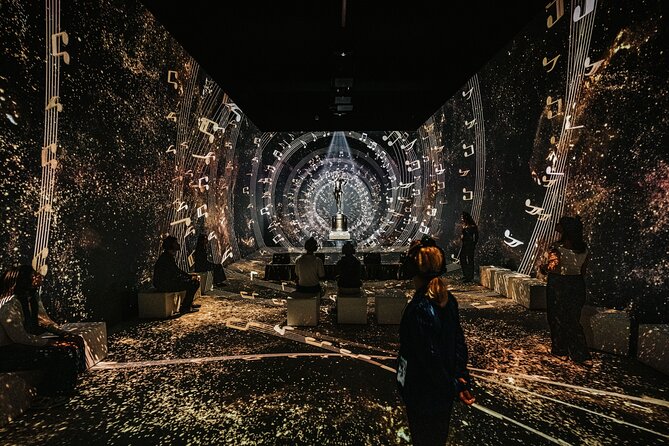
- Seven acts in 800 square meters: Follow major phases of Johann Strauss’s life through a series of audiovisual scenes.
- Location-based 3D sound: Motion-sensitive headphones and GPS-controlled audio direct music and narration as you move.
- Create your own waltz: Use the composing machine and take home personalized sheet music.
- Become the Waltz King: Have a photo made as Johann Strauss and printed on the spot.
- About 75 minutes: The length works well before dinner, a concert, or another central Vienna sight.
- Easy planning: Mobile tickets, included admission, and nearby public transportation keep the visit simple.
Entering the Johann Strauss world at Kleines Haus der Kunst
The Johann Strauss Museum, presented as Johann Strauss: New Dimensions ART & TECH Museum Experience, takes place at Kleines Haus der Kunst in Vienna. Inside, an 800-square-meter exhibition area is arranged into seven acts that follow important stages in Strauss’s life and work.
I would think of this less as a conventional museum and more as a compact cultural performance that you walk through. Instead of reading long panels at your own pace, you move through audiovisual installations, soundscapes, animated material, and interactive stations.
That format matters because Johann Strauss is strongly tied to sound and movement. A silent display can explain who he was, but it cannot show why his music filled dance halls and shaped Vienna’s public image. Here, music is not just background decoration. It is one of the main ways the story is told.
The visit lasts about 75 minutes, which is a useful length in a busy sightseeing day. You get enough time for the exhibition to feel substantial, but not so much that it takes over your entire schedule. I would place it between other central Vienna plans rather than build a whole day around it.
More Mozart and Strauss evenings:
- Vienna: Mozart Concert at the Golden Hall
★ 4.6 · 3,986 reviews - Vienna: Classical Concert at Mozart’s First House
2,423 reviews - Vienna: Mozart and Strauss Concert at Schönbrunn
★ 4.5 · 2,364 reviews
Seven acts that trace Strauss’s life
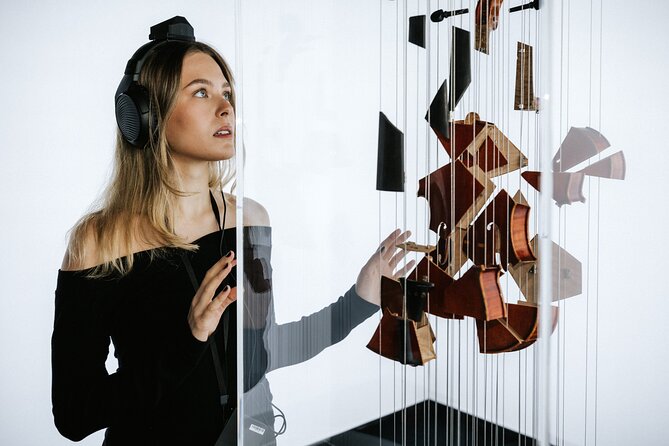
The exhibition’s seven-act structure gives the visit a clear rhythm. Each section presents a different phase or aspect of Johann Strauss’s life, using a mix of narrative, music, and visual effects.
You are not given a detailed stop-by-stop list in advance, so the exact order and content of each act may become part of the discovery. The useful point is that the experience has a beginning, middle, and end. You are not simply wandering through unrelated screens.
The audiovisual approach should help you connect the music with the composer’s story. A passage about a particular period can be paired with sound, animation, or a staged setting that gives the information a stronger emotional shape. I find this approach especially useful if you know the waltz mainly as elegant background music but have never thought much about the person behind it.
Still, the exhibition’s style will not suit every taste. If you prefer original manuscripts, historic costumes, instruments, or carefully labeled objects, you may want to pair this visit with a more traditional music museum. The supplied information focuses on interactive installations rather than a collection of physical Strauss artifacts.
That is not a criticism so much as a clear distinction. Come here for a guided encounter with Strauss’s music and public image, not for a study room filled with archival material.
What the motion-sensitive headphones add
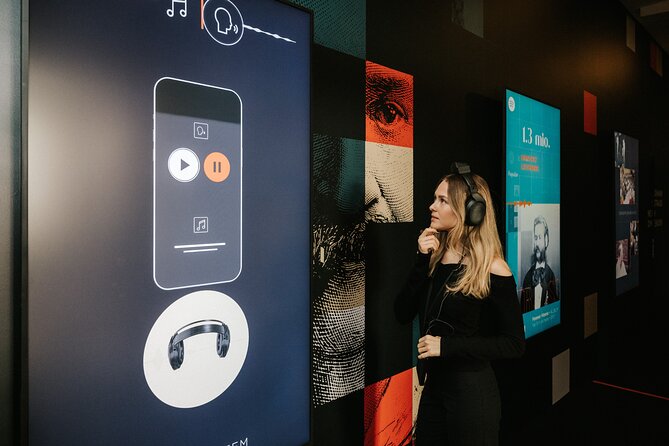
Your admission includes headphones and an audio guide. The setup uses motion-sensitive headphones with GPS control, along with location-based 3D sound.
In practical terms, the audio is designed to respond to where you are in the exhibition. As you move through the rooms or scenes, the soundtrack and narration can guide your attention without requiring a staff member to lead a group from point to point.
I like this format for two reasons. First, you can move at your own pace within the experience instead of trying to keep up with a live guide. Second, the sound system fits the subject. Strauss’s music depends on rhythm, direction, and movement, so hearing it placed around you makes sense.
The headphones also mean you are not relying on a printed panel to explain every detail. You can listen while looking at the visual material and interacting with the exhibits. That may be easier for visitors who find dense museum text tiring.
The tradeoff is that audio-guided exhibitions can feel less personal than a tour led by a named guide. No guide names are provided for this experience, and the visit is built around recorded narration and technology. If you want to ask questions as they arise, this format may feel limited.
The headphones are included, so you do not need to plan for a separate audio rental. The experience also comes with mobile ticketing, which keeps the arrival process simple.
Making music instead of only listening to it
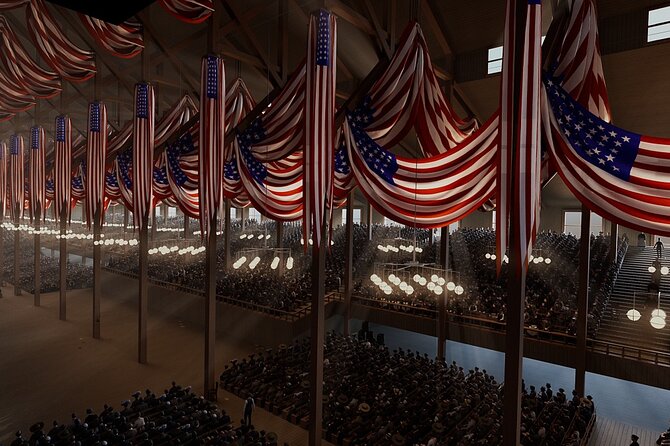
The composing machine is the visit’s most distinctive hands-on feature. It lets you try your hand at being a composer and create your own waltz.
This is more than a novelty for families, though children may enjoy it most immediately. It gives you a quick sense of the choices behind a waltz: rhythm, pattern, repetition, and the way a melody can suggest motion. You are not simply being told that Strauss was a composer. You get to make a small musical piece yourself.
The result is personalized sheet music that you can take home. That gives the visit a physical reminder beyond a phone photo or a souvenir-shop purchase.
I would allow enough time at this station to experiment rather than rush through it. The exhibition lasts approximately 75 minutes, but the interactive elements are part of the value. If you are visiting with a group, you may want to agree in advance that everyone gets a turn.
There is also a playful photo opportunity in which you can present yourself as Johann Strauss. The image is printed right on the spot. This is a lighthearted touch, but it fits the exhibition’s wider aim of making the composer feel less distant.
For some adults, the photo may seem a little silly. For families, music students, and anyone who enjoys a theatrical souvenir, it could be one of the best memories of the visit.
More orchestral evenings in Vienna:
- Vienna: Classical Concert in the World-Famous Musikverein
★ 4.6 · 6,673 reviews - Vienna Mozart Concert in Historical Costumes at the Musikverein
★ 4.5 · 888 reviews - Vienna: Concert Tickets for Vienna Hofburg Orchestra
★ 4.5 · 330 reviews - Vienna: Classical Music Concert in the World-Famous Musikverein
★ 4.5 · 180 reviews
Why the audiovisual design works for Strauss
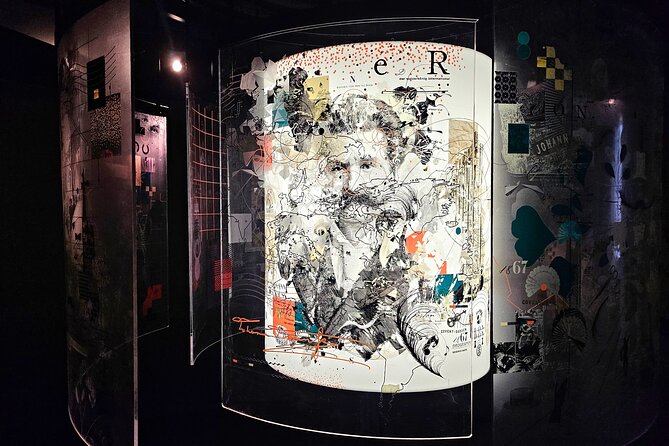
Johann Strauss is often called the Waltz King, and his music is closely linked with Vienna’s identity. A technology-led exhibition is a natural way to explore that connection because the subject is not only a person’s biography. It is also a sound, a dance, and a mood.
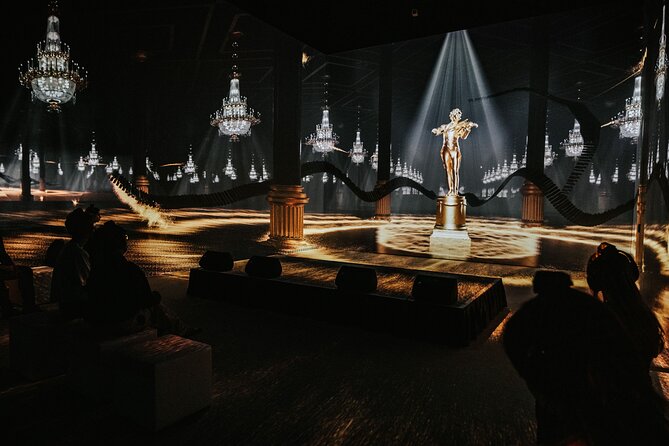
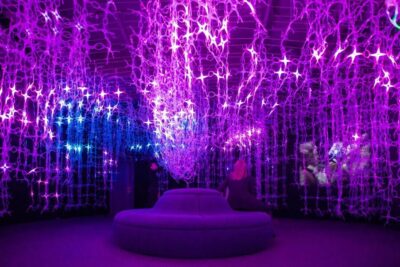
The authentic soundscapes help put the music at the center. The 3D audio system is intended to bring Strauss’s melodies to life around you, while animated multimedia stations add visual movement.
I appreciate that the exhibition gives you several ways to engage. You can listen through the audio guide, watch audiovisual installations, operate interactive displays, compose music, and take part in the photo station. That variety helps prevent the visit from becoming a long lecture.
It also makes the museum suitable for mixed groups. A serious Strauss fan can focus on the musical material, while a first-time visitor can enjoy the visual effects and hands-on stations. You do not need a specialist background in classical music to follow the basic story.
At the same time, technology can date faster than music. The experience depends heavily on screens, headphones, motion sensors, and interactive effects. If you prefer the atmosphere of an old concert hall or a quiet historic interior, the modern presentation may feel less connected to Vienna’s traditional image.
I would judge it on its own terms. It is an interpretation of Strauss, not a preserved nineteenth-century setting.
A comfortable 75-minute visit
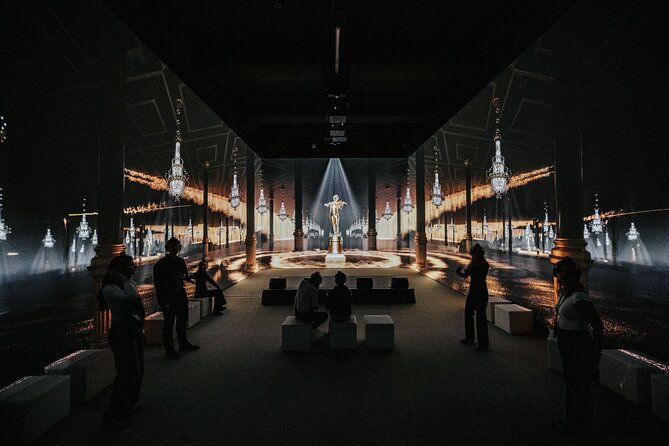
The reported length is about 1 hour and 15 minutes. That is long enough to offer a complete visit, yet short enough to fit around a concert, meal, or another museum.
One practical detail matters: there are plenty of places to sit. That makes the exhibition easier on your feet than many central Vienna attractions. You can take in the sound and visuals without standing for the entire 75 minutes.
I would still avoid scheduling it so tightly that you need to leave early. The interactive stations are not simply filler between displays. They are part of the point, and rushing through them would reduce the value of the ticket.
The museum is near public transportation, so you can reach it without planning around a car. Parking fees are not included, and driving adds an avoidable cost unless you already have a strong reason to use a vehicle.
A mobile ticket is included with the booking. Keep it ready on your phone and allow yourself enough time to reach Kleines Haus der Kunst without cutting the start close. The available information does not give a required arrival time or a detailed meeting procedure, so check the booking confirmation for those final details.
Is $28.94 a fair price?
At $28.94 per person, this is not the cheapest way to spend 75 minutes in Vienna. The value depends on how much you enjoy the format.
The admission includes the exhibition, headphones, and audio guide. You also receive access to the composing machine and the printed Strauss photo, with personalized sheet music from the composing activity. Those extras make the price easier to justify than a simple walk-through display.
I would consider it good value if you want a focused cultural activity with clear entertainment value. The ticket covers a complete audio-visual program, not just entry to a few rooms. You get music, biography, technology, and participation in one compact visit.
The value is weaker if your main goal is to see a large collection of original objects. The information provided does not promise a major collection of artifacts, and the exhibition is built around installations rather than a long list of historic pieces.
The average booking time is 28 days in advance. That suggests you should not assume a last-minute place will always be available, especially if your Vienna dates are fixed. I would reserve once your schedule is firm, while keeping the flexible cancellation rule in mind.
Who will get the most from this museum?
I would recommend the experience to several kinds of visitors:
- You enjoy classical music but want more than a standard concert setting.
- You are curious about Johann Strauss and want a short introduction to his life and work.
- You like interactive museums, audiovisual displays, and hands-on technology.
- You are visiting Vienna with children or teenagers who may lose interest in traditional labels.
- You want an indoor activity that does not require several hours of walking.
- You would enjoy creating a personal souvenir rather than only buying one.
Music specialists may find the exhibition too light if they want detailed scholarship or primary documents. The supplied information does not indicate the depth of the historical commentary, so I would treat it as an engaging introduction rather than a specialist resource.
It can also work well for couples or friends who want something different from another palace, church, or formal gallery. The printed photo and custom sheet music give the visit a social, playful side.
How to fit it into a Vienna day
The 75-minute duration makes this easy to pair with other plans. You can schedule it as a midday cultural stop, an afternoon break, or a pre-concert activity.
Because the exhibition uses headphones and audiovisual effects, I would avoid stacking it directly against another timed attraction with a distant entrance. Give yourself room for public transportation and the possibility that you will spend extra minutes at the composing machine or photo station.
The location is near public transportation, but no detailed route information is provided. Use the address and current transit directions in your confirmation when planning the journey.
A little planning also helps if you are visiting with several people. The experience contains stations that may be more enjoyable when everyone gets time to interact. A group that races from one screen to the next may finish quickly but miss the small pleasures that make the ticket worthwhile.
Free cancellation is available if you cancel at least 24 hours before the start time. Changes or cancellations within 24 hours are not accepted for a refund, and the cut-off follows local Vienna time. That gives you flexibility early on, but not on the day before your visit.
My call: book it for the format, not just the name
I would book the Johann Strauss Museum if you want a lively, compact introduction to the Waltz King, especially if interactive exhibits appeal to you. The 3D sound, seven-act structure, composing machine, and printed photo make it more active than a standard biography display.
I would skip it, or pair it with a traditional music museum, if you mainly want original Strauss objects and quiet historical study. The experience is built around sound, animation, and participation.
For most visitors, the best reason to go is the balance of learning and play. You hear the music in a setting designed around it, then try composing a waltz yourself. At $28.94, that is a fair use of 75 minutes for a visitor who likes modern cultural attractions and wants a souvenir made during the visit.
FAQ
Where does the Johann Strauss Museum experience take place?
It takes place at Kleines Haus der Kunst in Vienna, Austria.
How long does the experience last?
The visit lasts approximately 1 hour and 15 minutes.
What is included in the ticket?
Admission, an audio guide, and headphones are included.
Does the experience use an audio guide?
Yes. The exhibition uses a GPS-controlled audio guide with motion-sensitive headphones.
What is special about the sound system?
The location-based 3D sound system is designed to bring Johann Strauss’s melodies to life as you move through the exhibition.
Can I create my own waltz?
Yes. An interactive composing machine lets you create a waltz, and you can take personalized sheet music home.
Can I take a photo as Johann Strauss?
Yes. The experience includes a photo opportunity as Johann Strauss, with the image printed on the spot.
Is the museum close to public transportation?
Yes. The venue is near public transportation.
Are parking fees included?
No. Parking fees are not included in the ticket price.
More Museums in Vienna
- Vienna: Skip-the-Line Sisi Museum, Hofburg and Gardens Tour
★ 4.8 · 5,918 reviews - Vienna Kunsthistorisches Museum Day Admission Ticket
★ 4.6 · 3,690 reviews - Tickets for the Albertina Exhibitions
★ 4.7 · 2,126 reviews - Vienna: Chocolate Workshop in Chocolate Museum w/ Tasting
★ 4.5 · 1,802 reviews
More One-Off Experiences in Vienna
- Vienna: Light of Creation Votive Church Immersive Light Show
★ 4.8 · 6,779 reviews - Vienna: Madame Tussauds Admission Ticket
★ 4.6 · 1,077 reviews - Ikono Vienna an Immersive Experience
★ 4.5 · 543 reviews - Vienna: IKONO VIENNA Immersive Experience Ticket
★ 4.2 · 316 reviews
Just added around Vienna
- Private Tour from Vienna to Melk and Dürnstein★ 4.5 · 3 reviews
- Vienna: Johann Strauss 200th birthday anniversary exhibition★ 4.7 · 3 reviews
- Vienna Private Full Day Tour – Tickets to Schönbrunn & Lunch★ 5.0 · 3 reviews
- Private Salzburg Day Trip from Vienna★ 4.0 · 3 reviews
- Vienna: Entry Ticket Belvedere 21 & Contemporary Art★ 4.3 · 3 reviews
- Full-Day Private Trip from Vienna to Budapest★ 4.5 · 3 reviews
- Vienna by Night: Private Evening Food and Drink Tour★ 5.0 · 3 reviews
- 1.5 Hour Cinematic Style Portrait Photoshoot and Tour in Vienna★ 4.5 · 3 reviews
Mozart & Strauss Concerts, compared.
Vienna Mozart Concert in Historical Costumes at the Musikverein
Read our review →
Mozart & Strauss Classical Concert at Börse Palace
Read our review →
Browse the lists this tour appears in