
Reviewed · MUSEUMS
Vienna: Klimt Villa (Gustav Klimt Atelier & Museum) Ticket
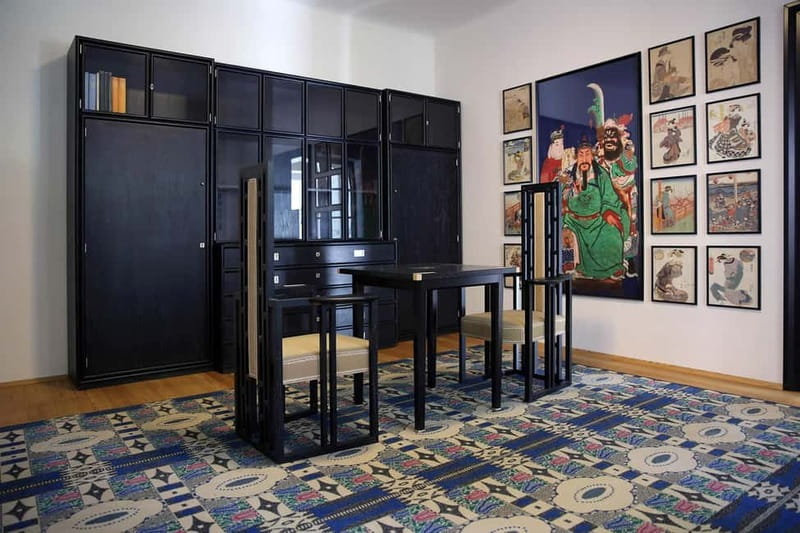
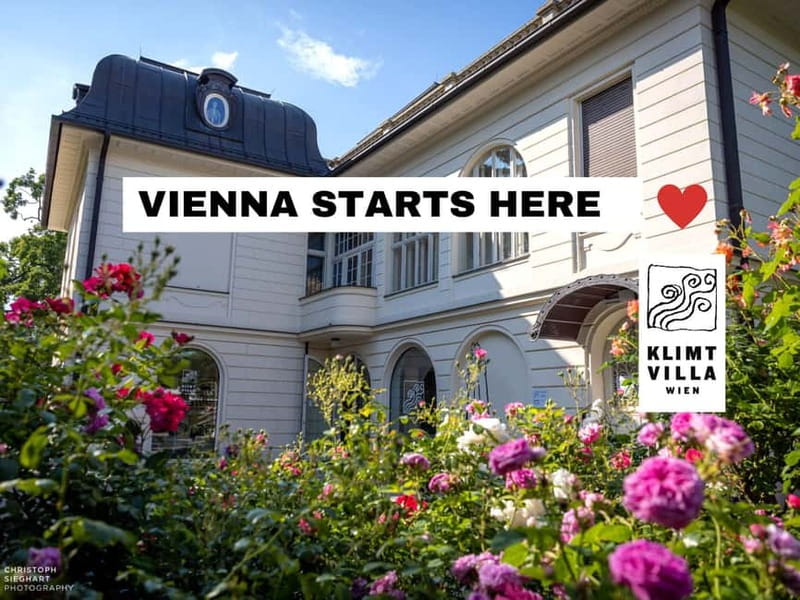
Gustav Klimt’s final studio is the reason to come here. The quiet villa preserves the place where he worked from 1911 until his death in 1918, when he created major works including Adele Bloch-Bauer II and Lady with Fan. The reconstructed studio gives you a more personal sense of the artist than a gallery full of framed masterpieces can.
I like two things especially: the Klimt Lost exhibition, which deals plainly with Nazi persecution, looted art, and the long fight for restitution, and the restored garden, where Damask roses known as the Klimt Rose bloom from roughly mid-May through late June. The main drawback is that the first-floor print gallery may be closed for a private event, and the garden café operates only on fair-weather weekends from May through September.
In This Review
- Key points to know before you go
- Why Klimt’s last studio matters
- Entering the neo-baroque villa
- Inside Gustav Klimt’s reconstructed studio
- The difficult story told by Klimt Lost
- The restored garden and the Klimt Rose
- Coffee and cake at the weekend garden café
- The upper-floor gallery of Viennese Modernism
- Is the $11 ticket good value?
- Who will enjoy this visit most?
- How to plan your time at the villa
- Should you book the Klimt Villa?
- FAQ
- Where is the Klimt Villa located?
- What does the ticket include?
- How long is the ticket valid?
- Is an audio guide available?
- Are the exhibition texts available in English?
- Can I visit the garden café?
- Is the first-floor gallery always open?
- Is the Klimt Villa wheelchair accessible?
Key points to know before you go
- Klimt’s final workplace: Enter the reconstructed studio and reception room where he worked during the last years of his life.
- Klimt Lost: Learn about collectors persecuted under National Socialism and the difficult search for justice after their art was stolen.
- Historic rose garden: See Damask roses originally planted around 1900, usually flowering from mid-May to late June.
- Small price, focused visit: At about $11 per person, this is a modestly priced stop for anyone interested in Viennese Modernism.
- Optional audio help: A smartphone guide is available in many languages, while exhibition text is provided in German and English.
- Simple, flexible ticket: Admission is valid for one day, with free cancellation up to 24 hours before the visit and a reserve-now, pay-later option.
Why Klimt’s last studio matters
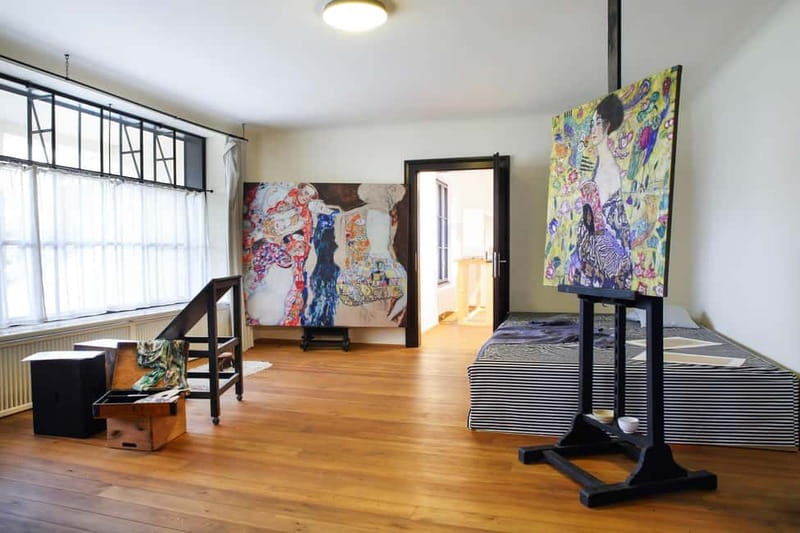
The Klimt Villa is not simply another place to see reproductions of famous paintings. Its main appeal is the preserved setting of Klimt’s final working years. He used the studio from 1911 until 1918, and this was where works such as Friederike Beer, The Bride, Adam and Eve, and Lady with Fan took shape.
You will not see the original paintings here. Their absence is important to understand before you arrive. The villa offers something different: a connection to the rooms, garden, and working environment behind the art.
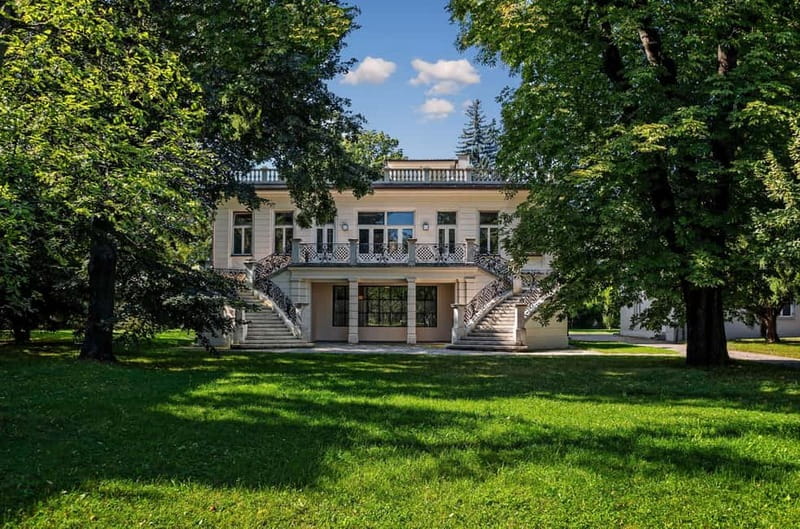
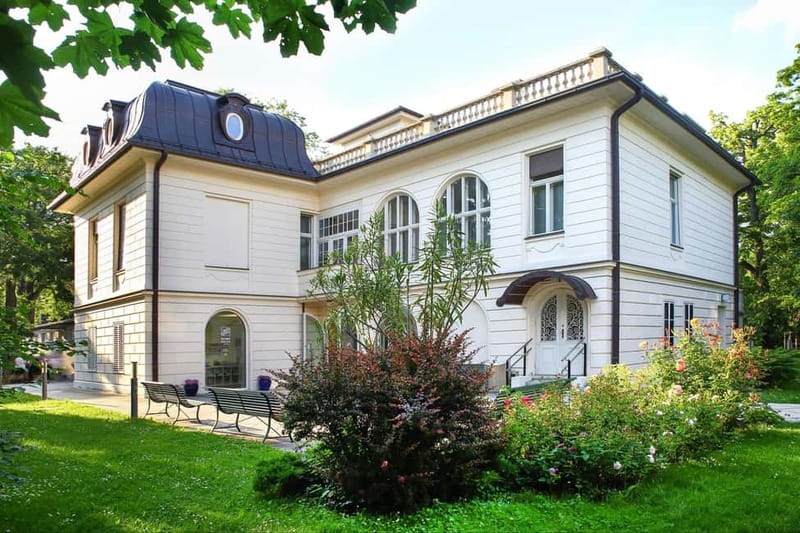
Klimt’s studio began as a ground-floor garden house. After his death, it was transformed into the neo-baroque, two-story building you see today. A room-in-room construction helped preserve the original working area inside the later villa. That unusual arrangement gives the visit its central interest, since you can see both the building’s later form and the space associated with Klimt’s final studio.
I like this kind of museum because it asks you to slow down. The rooms are not overloaded with objects or grand claims. Instead, the studio and reception room encourage you to think about Klimt as a working artist, not only as the name behind gold portraits and decorative patterns.
More museums in Vienna:
- Vienna: Skip-the-Line Sisi Museum, Hofburg and Gardens Tour
★ 4.8 · 5,918 reviews - Vienna Kunsthistorisches Museum Day Admission Ticket
★ 4.6 · 3,690 reviews - Tickets for the Albertina Exhibitions
★ 4.7 · 2,126 reviews
Entering the neo-baroque villa
You begin at the Klimt Villa ticket shop, which is also the meeting point and the end point of the visit. This is a self-guided visit rather than a scheduled tour led by a named guide, so you can set your own pace during the ticket’s one-day validity.
The villa’s size makes it manageable. You are not committing to an entire morning or an exhausting museum circuit. A careful visit to the studio, exhibitions, garden, and upper gallery can fit neatly into a day of sightseeing in Vienna.
The building’s two-story form also helps shape the experience. The most important rooms are linked to Klimt’s final workplace, while the upper floor adds reproductions and print editions connected with Viennese Modernism. You get a clear progression from place, to history, to wider artistic context.
Do not bring food or drinks inside. Large bags and luggage are not allowed, and smoking indoors is prohibited. Assistance dogs are allowed, but other pets are not. These rules are ordinary for a small historic museum, though you should plan around them if you are carrying bags between hotels or train connections.
Inside Gustav Klimt’s reconstructed studio
The reconstructed studio is the heart of the visit. Its value comes from its setting rather than from a large collection of original paintings. You can picture Klimt working in a private environment surrounded by the garden that influenced his art.
The reception room is another useful stop. Together, these rooms provide a sense of how the villa functioned as both a workplace and a personal creative refuge. They also help explain why the museum chose preservation through a room-in-room structure instead of treating the whole building as a conventional art gallery.
I would give these rooms your full attention before moving quickly to the displays upstairs. The studio is the part most closely tied to Klimt himself, and it rewards a slower look at the architecture and the relationship between indoor workrooms and outdoor space.
The museum does not turn the studio into a theatrical reconstruction. That restraint may appeal to you if you prefer context to spectacle. If you want a large collection of original Klimt paintings, this is not the right substitute for Vienna’s major art museums. If you want to understand where he worked late in his career, the villa fills a different role.
The difficult story told by Klimt Lost
Klimt Lost addresses one of the most serious parts of the visit: the persecution and looting of Klimt’s collectors and artworks during National Socialism. It also follows the later lives of surviving collectors and their often decade-long efforts to recover stolen property and seek justice.
This section changes the mood. The garden and studio can feel calm and intimate, but Klimt Lost places his art within the political crimes that shaped its ownership and survival. The exhibition is valuable because it does not treat paintings as detached luxury objects. It asks what happened to the people who owned them, why the works disappeared, and why returning them became such a long and painful process.
You should allow time for the written material here. Exhibition labels are available in German and English. If you prefer to listen, an optional smartphone guide is offered in a wide selection of languages, including English, French, German, Italian, Spanish, Polish, Korean, Chinese, Czech, Portuguese, Hungarian, Russian, Japanese, Greek, Romanian, Turkish, Danish, Dutch, and Hindi.
The language choices make the museum easier to use for international visitors, but the guide is optional. You do not need to pay for it to enter the main rooms. Bring a charged smartphone if you plan to use the service, since it is delivered through your own device.
For many people, Klimt Lost may be the most meaningful part of the visit. It gives the villa moral weight and prevents the Klimt story from becoming only a pleasant tale of flowers, pattern, and fin-de-siècle Vienna.
A few more Vienna tours worth weighing up
- Vienna: Classic Ensemble Vienna in St. Peter’s Church Ticket
★ 4.7 · 4,819 reviews - Vienna: Tickets for Mozarthaus Vienna with Audio Guide
★ 4.2 · 2,344 reviews - Vienna: Skip-the-Line Entrance Ticket to the Danube Tower
★ 4.5 · 2,303 reviews - Sigmund Freud Museum Ticket
★ 4.6 · 1,668 reviews
The restored garden and the Klimt Rose
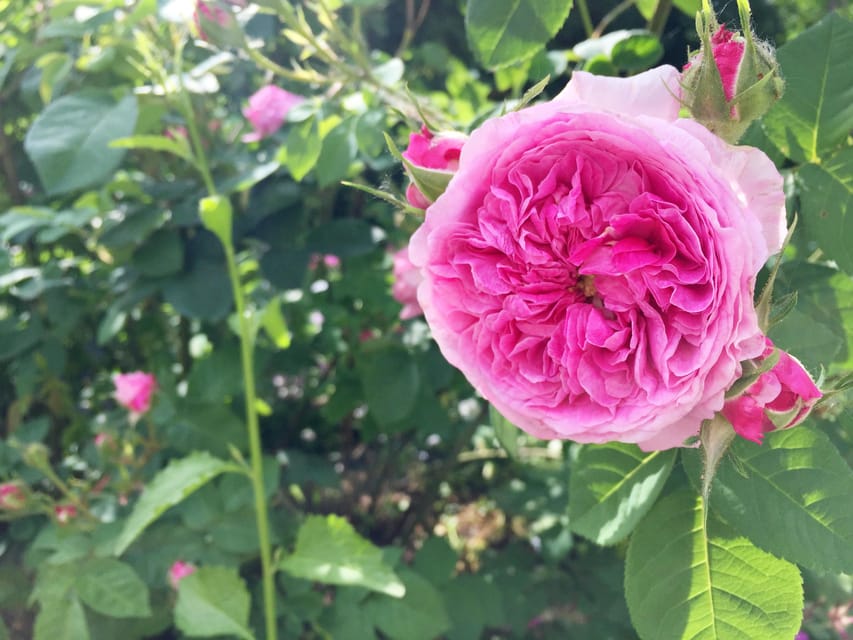
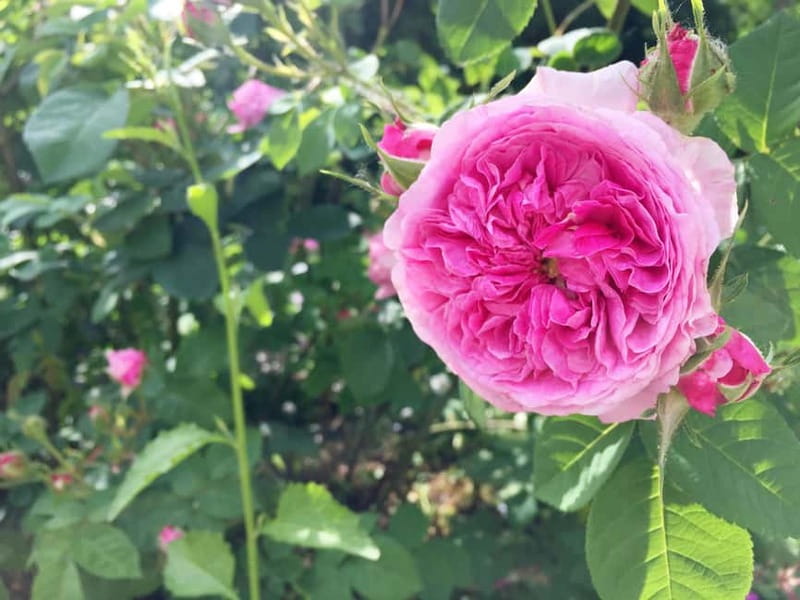
The garden gives the visit breathing room. It is being restored to retain its historic character, and its most distinctive feature is the collection of Damask roses originally planted around 1900.
These flowers are now cultivated as the Klimt Rose. Their main blooming period is from mid-May to late June, so timing matters if roses are a priority for you. Outside that window, the garden can still add atmosphere, but you should not expect the full floral display.
The garden is especially useful after the more serious Klimt Lost exhibition. You can step outside, take in the open space, and consider how much Klimt’s surroundings shaped his visual world. The garden is not merely a decorative extra attached to the museum. It helps explain the setting in which he worked and the floral elements that appear across his art.
I would not plan an entire day around the garden alone. Its appeal depends on the season, weather, and your interest in historic settings. But paired with the studio, it gives the villa a character that a standard indoor collection cannot offer.
Coffee and cake at the weekend garden café
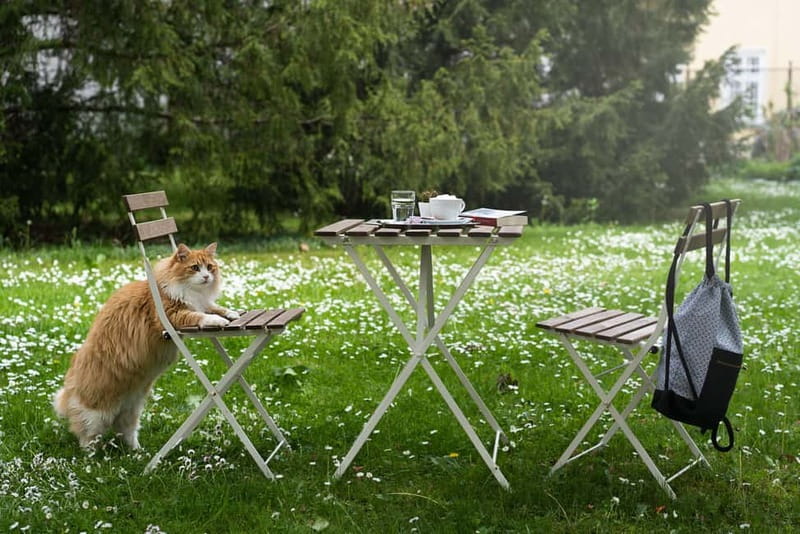
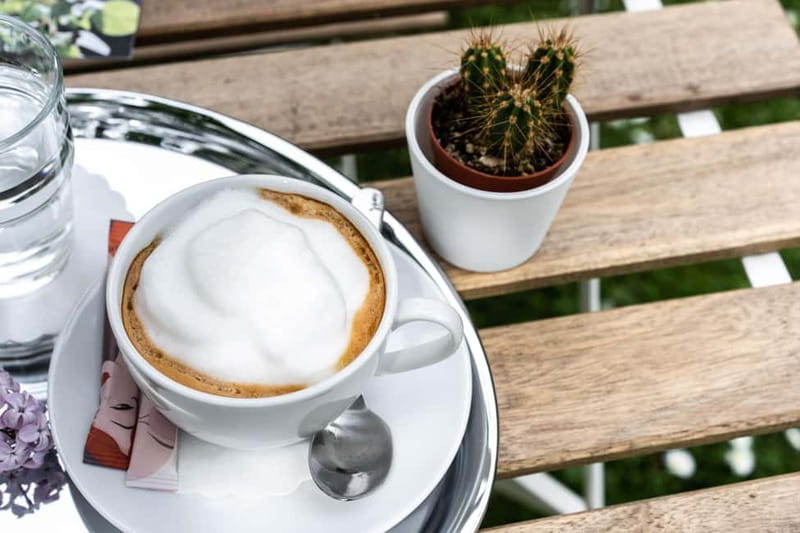
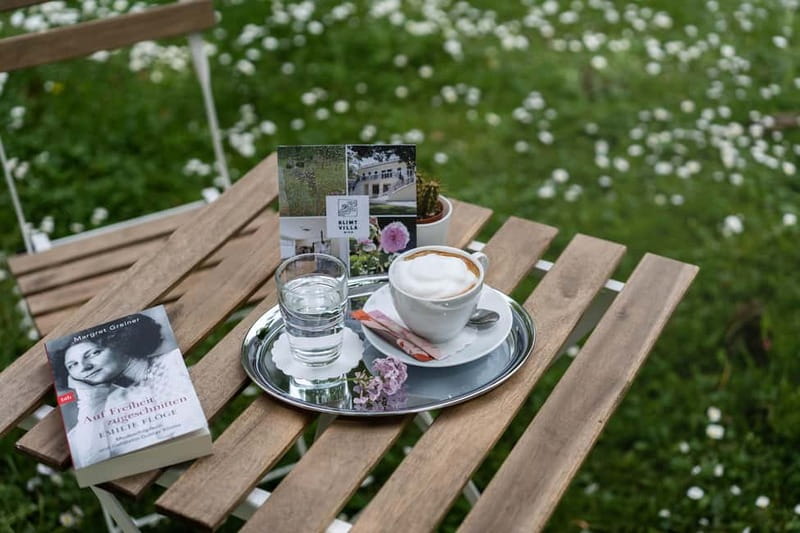
From May through September, the Garden Café opens on weekends in fair weather. This is a pleasant add-on if your schedule lines up, especially after visiting the studio and Klimt Lost.
The café is not guaranteed every day. Do not count on it during a weekday visit, in poor weather, or outside the May through September period. You also cannot bring food and drinks into the museum itself, so treat the café as a seasonal outdoor option rather than part of the admission experience.
A coffee and cake stop can make the villa feel less rushed. It gives you time to enjoy the garden instead of treating it as a quick photo stop. Still, if you are visiting in winter or on a rainy weekday, plan your visit around the museum rooms alone.
The upper-floor gallery of Viennese Modernism
The first-floor gallery presents high-quality light prints and art reproductions by Gustav Klimt, Egon Schiele, and Oskar Kokoschka. This section broadens the visit beyond Klimt’s final workplace and places his work alongside two other major figures of Viennese Modernism.
Because these are prints and reproductions rather than the original masterpieces, you should keep your expectations clear. Their purpose is to offer visual access to the artists’ work and to show the shared creative world of early twentieth-century Vienna.
The gallery can be useful if you have limited time elsewhere in the city or want a compact introduction to these three artists. It also gives you a chance to compare Klimt’s decorative language with the more sharply drawn and expressive work associated with Schiele and Kokoschka.
Access is not guaranteed. The gallery may be reserved for a private event, so do not make it the sole reason for buying a ticket. The studio, garden, and Klimt Lost exhibition remain the stronger foundations of the visit.
Is the $11 ticket good value?
At about $11 per person, the Klimt Villa is reasonably priced for Vienna. You are paying for access to a specific historic site, Klimt’s reconstructed final studio, the garden, and Klimt Lost rather than for a huge museum collection.
That distinction matters. If you want the widest possible display of Klimt paintings, compare this visit with Vienna’s larger art museums. If you want a focused experience that combines an artist’s workplace, a garden, and a serious account of stolen art, the villa offers good value.
The ticket is valid for one day, and the booking terms allow you to reserve now and pay later. Free cancellation is available up to 24 hours in advance for a full refund. Those options are useful if your Vienna schedule is still changing, though they do not make the visit longer or add access to the first-floor gallery when it is closed.
The strongest practical advantage is ease. Admission has been described as working smoothly, with no waiting and friendly, helpful staff. That makes the villa a good choice when you want a low-stress cultural stop rather than a complicated timed tour.
Who will enjoy this visit most?
I would recommend the Klimt Villa to you if you enjoy:
- Gustav Klimt and Viennese Modernism
- Historic artist studios rather than only large art collections
- Gardens, architecture, and small museums
- Museum exhibitions about Nazi looting and restitution
- Self-guided visits with flexible pacing
- Short cultural stops that do not require a full day
Art historians and serious Klimt followers may want to pair it with other Vienna museums, since the villa does not present a broad collection of original Klimt paintings. The optional guide and bilingual labels help, but the experience still depends on your willingness to read and reflect.
Families can appreciate the garden and compact layout, though the serious subject matter in Klimt Lost may suit older children and adults better. The site is wheelchair accessible, which makes it a practical choice for many visitors, but you should still check current access details if you need specific facilities beyond general wheelchair access.
How to plan your time at the villa
Check the available starting times when booking, even though the ticket is valid for one day. The activity begins and ends at the Klimt Villa ticket shop, so you do not need to arrange a separate meeting point or guided transfer.
A sensible order is:
- Start with the reconstructed studio and reception room.
- Read Klimt Lost while you are fresh, since its subject deserves attention.
- Visit the first-floor gallery if it is open.
- Finish in the garden, adding coffee and cake if it is a fair-weather weekend between May and September.
The order is flexible. You might prefer to walk through the garden first, particularly if the roses are in bloom. The main point is to avoid treating the visit as a quick look at one preserved room. The museum’s value comes from the combination of studio, difficult history, art reproductions, and garden.
Should you book the Klimt Villa?
Book it if you want a focused, affordable Klimt experience that connects his final working place with the people and events surrounding his art. The reconstructed studio and the Klimt Lost exhibition are the clearest reasons to come, while the garden adds its greatest appeal during the mid-May to late June rose season.
Skip it if your only goal is to see a large number of original Klimt paintings. Also think twice if you are visiting outside the garden season and have no interest in museum text or restitution history.
For most art-minded visitors with a spare hour or two, I like the balance here: personal studio, thoughtful history, seasonal garden, and a modest price. Just treat the café and first-floor gallery as extras, not guarantees.
FAQ
Where is the Klimt Villa located?
The Klimt Villa is in Vienna, Austria. The visit starts and ends at the Klimt Villa ticket shop.
What does the ticket include?
The ticket includes entrance to the Klimt Villa and its garden, access to Gustav Klimt’s final studio, and entry to the Klimt Lost exhibition.
How long is the ticket valid?
The ticket is valid for one day. You should check availability for the available starting times.
Is an audio guide available?
Yes. An optional smartphone guide is available in many languages, including English, French, German, Italian, Spanish, Polish, Korean, Chinese, Czech, Portuguese, Hungarian, Russian, Japanese, Greek, Romanian, Turkish, Danish, Dutch, and Hindi.
Are the exhibition texts available in English?
Yes. Exhibition labels and descriptions are available in German and English.
Can I visit the garden café?
The Garden Café is open on weekends from May through September in fair weather. Its opening is therefore seasonal and weather dependent.
Is the first-floor gallery always open?
No. The first-floor gallery may be reserved for a private event, so access cannot be guaranteed.
Is the Klimt Villa wheelchair accessible?
Yes. The activity is listed as wheelchair accessible. Food and drinks, luggage or large bags, and pets other than assistance dogs are not allowed inside.
Just added around Vienna
- Private Tour from Vienna to Melk and Dürnstein★ 4.5 · 3 reviews
- Vienna: Johann Strauss 200th birthday anniversary exhibition★ 4.7 · 3 reviews
- Vienna Private Full Day Tour – Tickets to Schönbrunn & Lunch★ 5.0 · 3 reviews
- Private Salzburg Day Trip from Vienna★ 4.0 · 3 reviews
- Vienna: Entry Ticket Belvedere 21 & Contemporary Art★ 4.3 · 3 reviews
- Full-Day Private Trip from Vienna to Budapest★ 4.5 · 3 reviews
- Vienna by Night: Private Evening Food and Drink Tour★ 5.0 · 3 reviews
- 1.5 Hour Cinematic Style Portrait Photoshoot and Tour in Vienna★ 4.5 · 3 reviews
Museums, compared.

Skip-the-Line Sisi Museum, Hofburg and Gardens Tour
Read our review →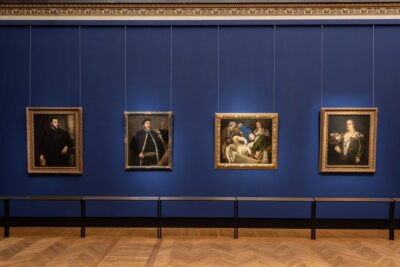
Vienna Kunsthistorisches Museum Day Admission Ticket
Read our review →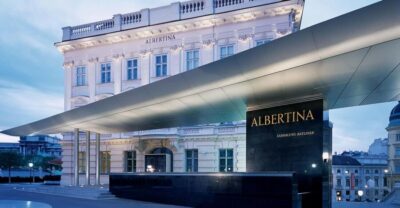

Chocolate Workshop in Chocolate Museum w/ Tasting
Read our review →
St. Stephen’s Cathedral & Dom Museum Wien Tickets
Read our review →

Browse the lists this tour appears in