
Reviewed · MUSEUMS
Vienna: Skip-The-Line Ticket to the Museum of Technology
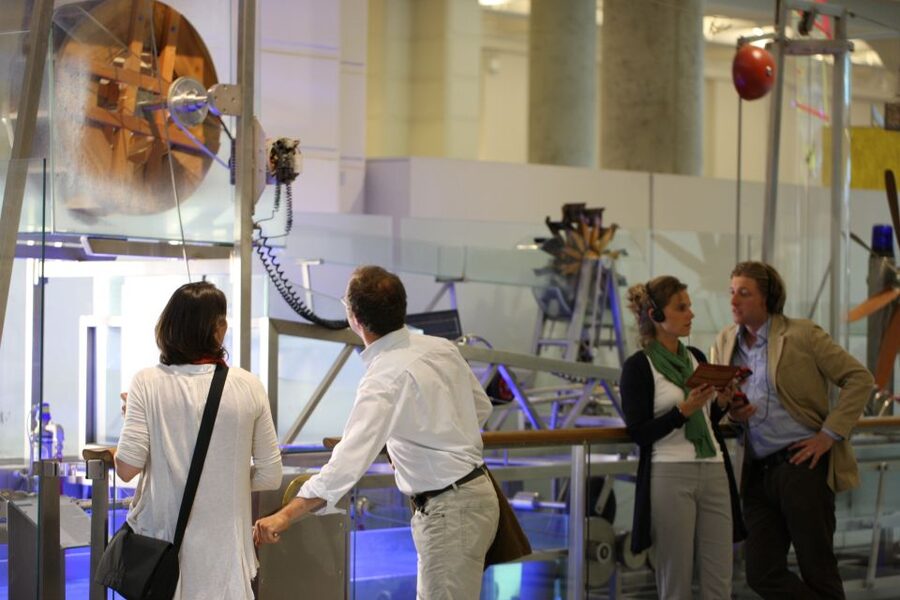
The most memorable part of Vienna’s Museum of Technology is that you do not just look at old machines behind glass. You can see a steam locomotive in action, try anchoring a news show, and examine the personal horse carriages of Empress Sisi. It turns technology from a school subject into something you can feel, hear, and question.
I like the hands-on approach and the way the museum links inventions to everyday life and major events. I also like the one-day validity, which gives you room to explore without rushing. The drawback is simple: this is a large subject covering more than a century of technology, so visitors who want a tightly guided route may find the experience broad and self-directed.
In This Review
- Key points to know before you go
- Why the Museum of Technology works for more than machine fans
- Entering with a skip-the-line ticket
- Seeing a steam locomotive in action
- Sisi’s carriages and the technology of status
- Taking a turn behind the news desk
- Learning through historical context, not isolated objects
- How long to spend inside
- Who will get the most from the $21 ticket
- Practical planning details
- Should you book the Museum of Technology?
- FAQ
- What does the Vienna Museum of Technology ticket include?
- How long is the ticket valid?
- Does the ticket include a guided tour?
- How much does admission cost?
- Can I cancel the booking?
- Can I reserve now and pay later?
- Is the museum wheelchair accessible?
- When is the museum closed?
- What can I see and do inside?
Key points to know before you go
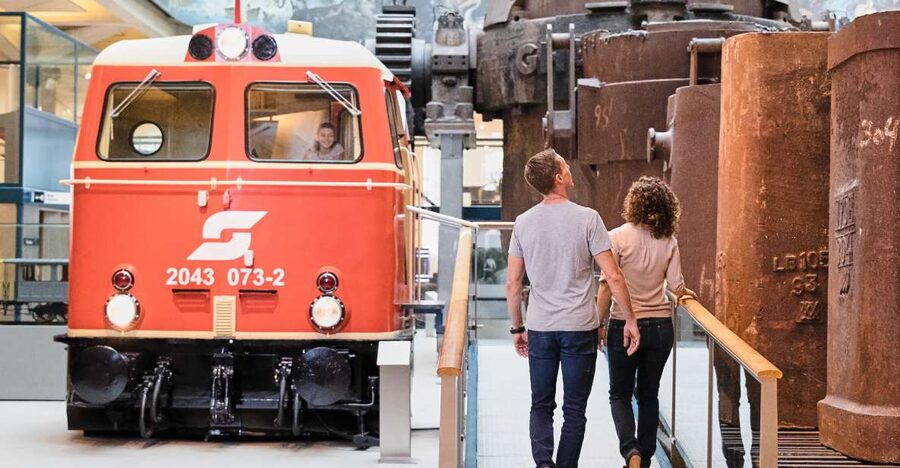
- A working steam locomotive provides the museum’s biggest live moment, turning transport history into a real mechanical show.
- Sisi’s personal horse carriages add a human link to Vienna’s imperial past and the technology of travel.
- A news-anchor activity makes media technology personal, especially for children and curious adults.
- Exhibits connect inventions with history, rather than presenting machines as isolated objects.
- The $21 ticket is valid for one day, useful if you want time for both major displays and smaller details.
- Wheelchair access and free cancellation up to 24 hours before the visit make planning easier.
Why the Museum of Technology works for more than machine fans
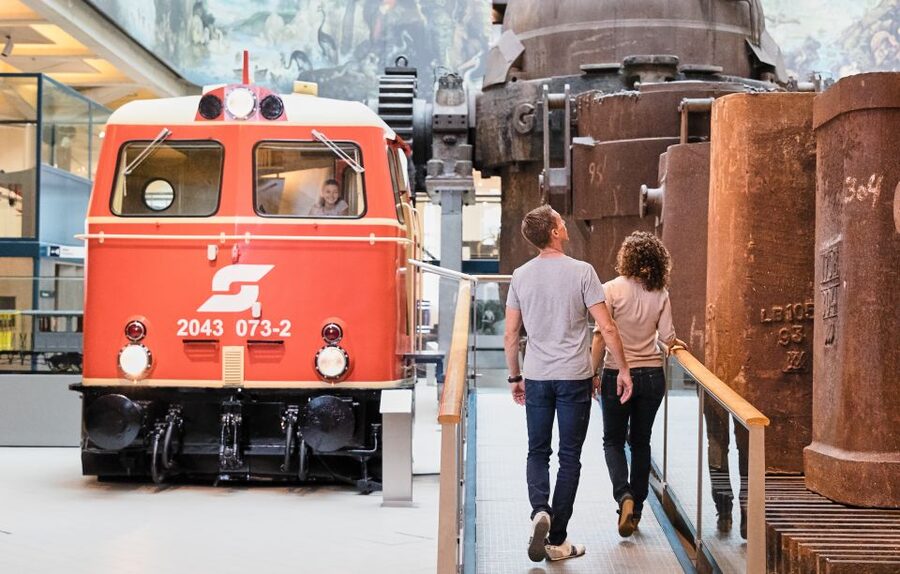
Vienna has no shortage of palaces, paintings, and grand churches. The Museum of Technology gives you a different way to understand the city and the modern world. It asks a plain question: how did tools, machines, transport, media, and science change the way people lived?
That question gives the visit more weight than a simple collection of gadgets. The museum has been dealing with technological history for more than 100 years, and its displays place machines in their cultural setting. You are not only looking at what an invention does. You are also considering how it changed work, travel, communication, and daily routines.
I find this especially useful in Vienna, where imperial history can sometimes feel grand but distant. A carriage used by Empress Sisi brings that past down to human scale. A locomotive shows how travel and industry depended on power, metal, fuel, and engineering. A news studio activity reminds you that modern technology is not only about engines and factories. It also shapes what people hear and believe.
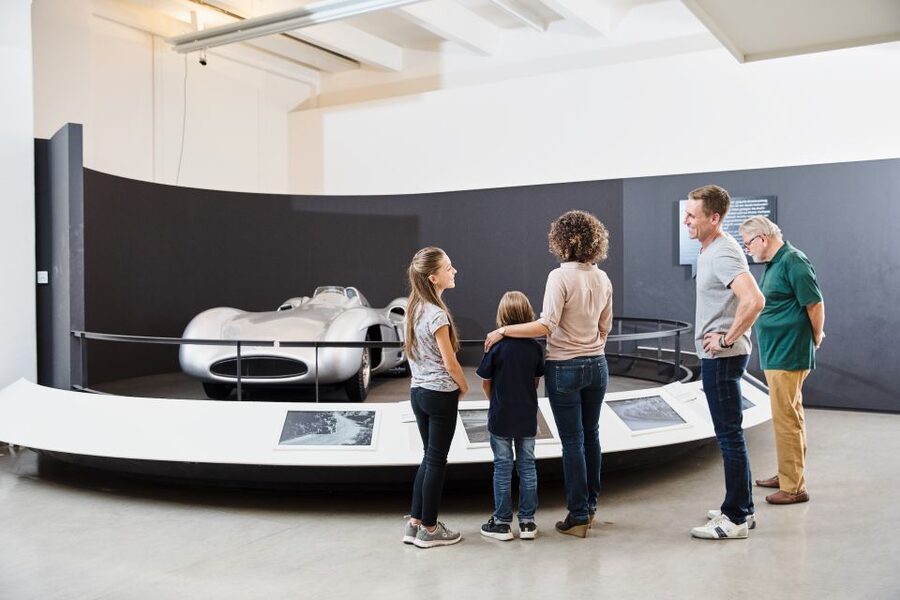
The museum suits families, but it is not limited to children. Adults who enjoy transport, engineering, science, or social history will find plenty to think about. The interactive elements simply make the subject easier to enter.
More museums in Vienna:
- Vienna: Skip-the-Line Sisi Museum, Hofburg and Gardens Tour
★ 4.8 · 5,918 reviews - Vienna Kunsthistorisches Museum Day Admission Ticket
★ 4.6 · 3,690 reviews - Tickets for the Albertina Exhibitions
★ 4.7 · 2,126 reviews
Entering with a skip-the-line ticket
The ticket provides skip-the-line admission to the museum. That matters most when you are trying to fit the visit into a busy Vienna day. You avoid spending part of your schedule waiting at the ticket counter and can get on with the actual museum visit.
Your admission is valid for one day, not for a short timed slot inside the building. That gives you useful freedom. You can plan the museum as a main activity, or use it as a flexible stop during a day focused on Vienna’s other sights.
The supplied price is $21 per person. I consider that fair if you intend to spend several hours with the exhibits, especially if you are visiting with children who need activities rather than long stretches of reading. It is less compelling if you plan to rush through in under an hour. The value comes from having time to try things, watch the locomotive, and return to displays that caught your attention.
Check the available starting times before booking. The ticket is described as valid for one day, but the activity still uses available entry times, so a quick look at the schedule helps you match it to the rest of your plans.
Seeing a steam locomotive in action
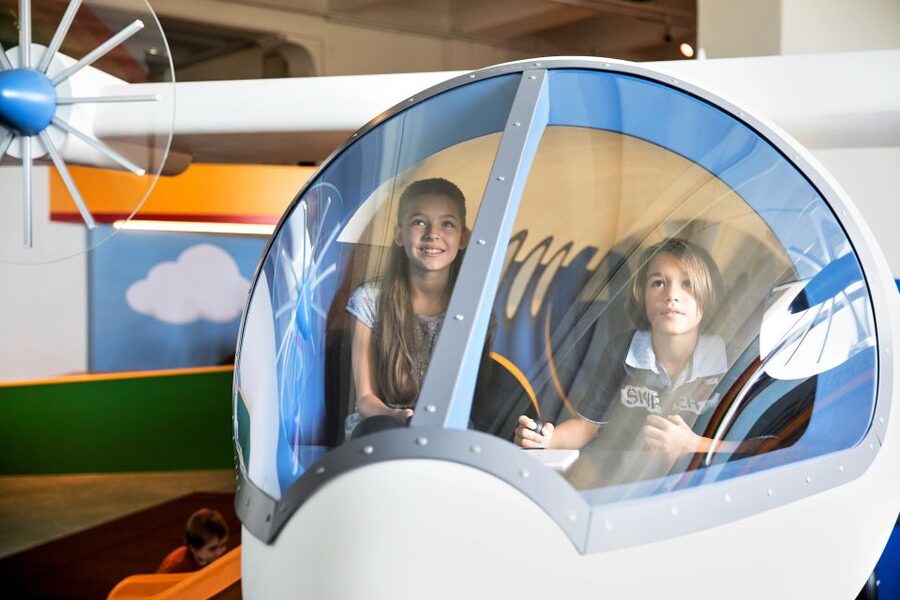
The steam locomotive is the museum’s clearest reason to make time for a visit. Static trains can be impressive, but a locomotive in action gives you a sense of movement, sound, and mechanical force that a label cannot provide.
Steam power also makes a good starting point for understanding technological change. You can see how heat becomes motion, and how that motion once supported transport and industry. Even without a technical background, the basic idea is easy to grasp when the machine is operating in front of you.
You should check the timing of the locomotive activity when you arrive, since the supplied details do not give a fixed operating schedule. If this is the moment you most want to see, do not leave it to the final minutes of your visit.
The locomotive is also a strong family feature. Younger children may not care about a long explanation of industrial development, but they can understand a machine that moves, makes noise, and performs a clear task. Older children can connect what they see to energy, engineering, and the growth of rail travel.
Sisi’s carriages and the technology of status
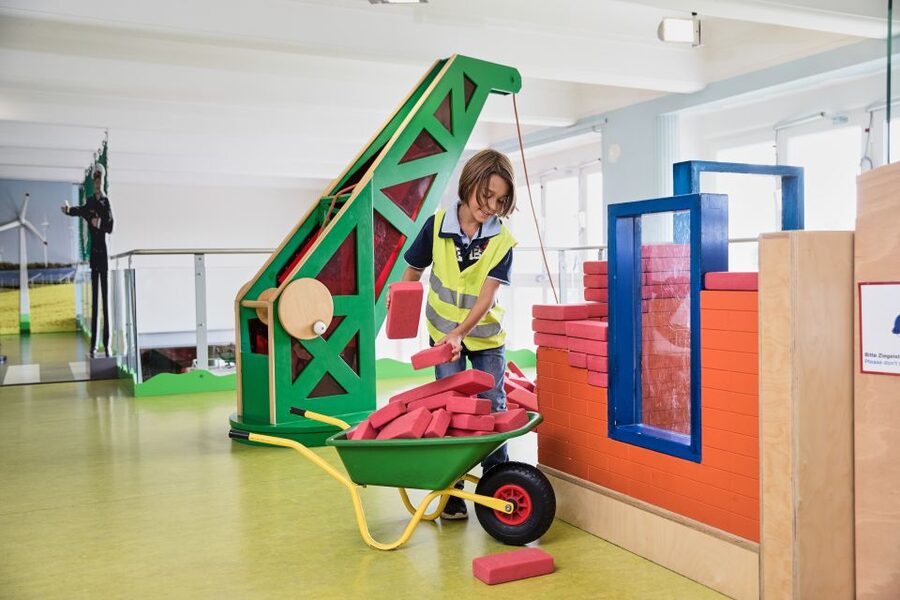
The display of Empress Sisi’s personal horse carriages adds an unexpected human story. These are not merely grand objects from the imperial era. They show how design, transport, comfort, ceremony, and social rank came together.
A carriage can tell you a great deal without a lecture. Its size, shape, finish, and purpose point to the needs of its passengers and the customs of its time. Sisi’s carriages also show that technology is not always about speed or industrial power. Sometimes it is about comfort, display, control, and the practical business of moving people.
This section may appeal most to visitors who came to Vienna for imperial history, but it also broadens the museum’s subject. Technology is present in everyday objects and elite objects alike. The carriage sits naturally beside the museum’s larger story about how people solved problems and expressed their place in society.
I like this kind of contrast. After seeing heavy machinery or technical equipment, you encounter an object tied to personality and ceremony. It keeps the visit from becoming a parade of anonymous machines.
A few more Vienna tours worth weighing up
- Vienna: Schönbrunn Palace & Gardens Skip-the-Line Tour
★ 4.7 · 7,739 reviews - Vienna: Skip-the-Line Schönbrunn Palace & Gardens Tour
★ 4.8 · 5,411 reviews - Vienna: Bus & Schönbrunn Palace Skip-the-Line Guided Tour
★ 4.3 · 2,802 reviews - Vienna: Skip-the-Line Entrance Ticket to the Danube Tower
★ 4.5 · 2,303 reviews
Taking a turn behind the news desk
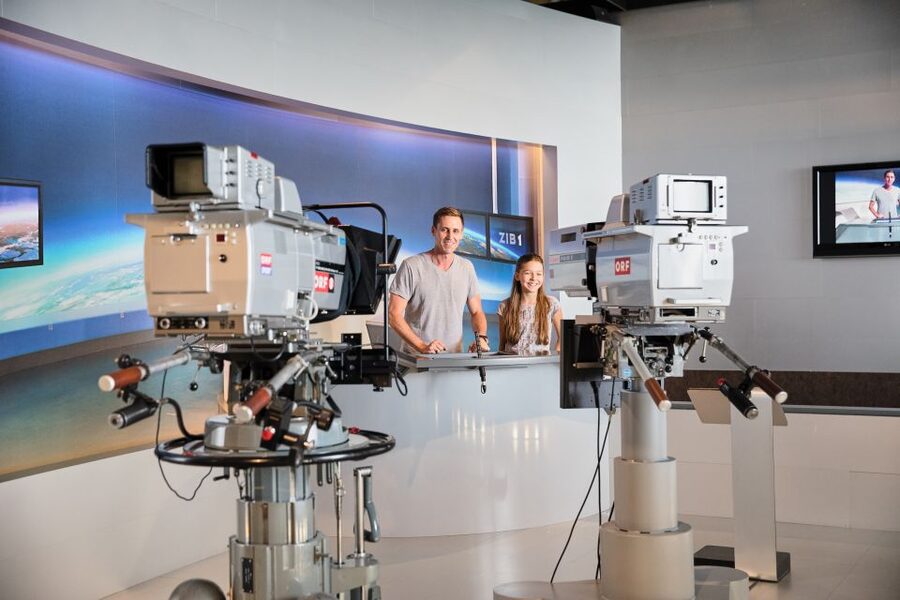
The chance to anchor your own news show is one of the museum’s most approachable activities. It gives you a direct way to think about broadcasting, presentation, and the technology used to deliver information.
You do not need to understand television production to enjoy this feature. The appeal is immediate: you step into a role, interact with the setup, and see how a familiar media format is made. For children, it is playful. For adults, it offers a reminder that the polished news programs we watch depend on a series of technical choices.
This stop also helps balance the older displays. A steam locomotive and horse carriage point to earlier periods, while the news activity connects the museum to modern communication. The museum’s story is not frozen in the past. It follows technology as it changes the way people receive information and take part in public life.
If you are visiting with family, this is a good place to let children lead. The activity gives them something active to do, while adults can consider the larger point about media and technology.
Learning through historical context, not isolated objects
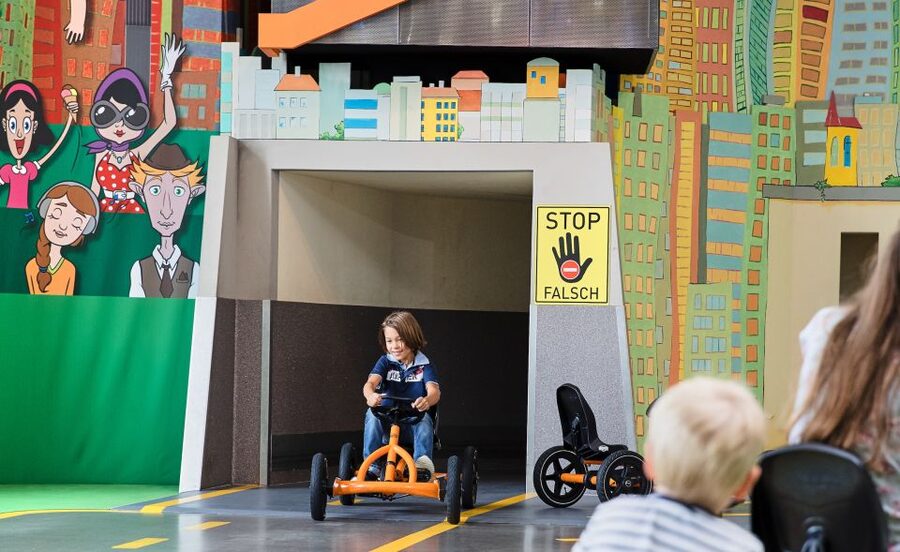
The museum’s central strength is the link between technology and human history. Science and technology help drive historical change, but they also create new problems. Faster development means people must keep adjusting to fresh tools, new systems, and unexpected effects.
That idea gives the collection a useful purpose. You can look at a machine and ask what it replaced, who used it, and how it changed work or daily life. You can also ask who benefited and what new challenges followed. The exhibits encourage that kind of reflection without requiring you to arrive as an engineer.
Many objects are described as unique historical exhibits, and they are shown in cultural context. That makes the museum more rewarding than a room full of impressive hardware. The point is not only to admire clever design. It is to understand why these inventions mattered.
I recommend taking your time with the explanations instead of treating the museum as a checklist. The most worthwhile moments may come from connecting two very different displays, such as imperial transport and broadcast media, and seeing both as parts of the same long story of human problem-solving.
How long to spend inside
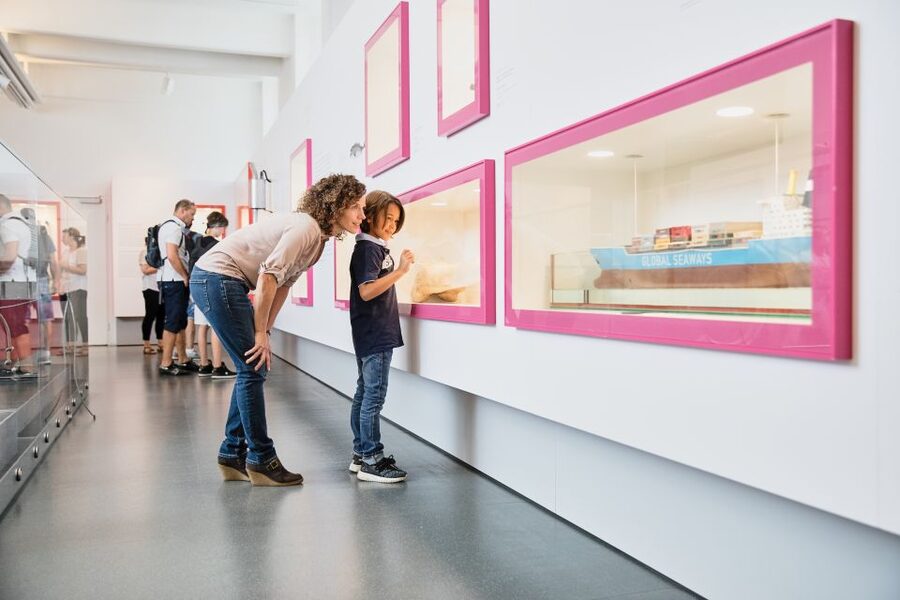
The activity is sold with one-day validity, but no fixed visit length is provided. You can therefore shape the visit around your own pace. A quick visit may cover the major highlights, while a longer stay gives you more time for interactive displays and historical context.
Families should allow extra time for hands-on features. Children may want to repeat an activity or spend longer with a machine that adults would pass quickly. The working locomotive may also affect your timing, especially if you want to arrange your route around its operation.
Adults with a strong interest in technology could easily want a full museum session. The subject reaches across transport, science, media, and the development of machines, so there is no single short path that covers everything equally well.
You do not need to force every exhibit into one visit. The one-day ticket is useful because you can take breaks in your wider Vienna schedule if needed. What matters is avoiding the mistake of treating the museum as a quick photo stop.
Who will get the most from the $21 ticket
I would recommend this experience most strongly to families, curious adults, and anyone who wants a break from palace interiors and art galleries. The interactive design gives children a reason to stay engaged, while the historical setting gives adults more than simple entertainment.
It is also a good choice for visitors who like museums with a clear subject. You will find technology presented through real objects and activities, not just general information about science. The locomotive, Sisi’s carriages, and news-anchor station give the visit memorable anchors.
The ticket is less suited to someone seeking a guided walking tour of Vienna or a tightly organized presentation with a named guide. No guide or guided commentary is included in the admission. You explore the museum yourself, choosing where to spend your attention.
At $21, the value depends on your time and interest. If you enjoy interactive displays and plan to stay for a good part of the day, the price is reasonable. If your Vienna schedule is packed and you can spare only a brief stop, you may prefer an attraction that delivers its main story faster.
Practical planning details
The museum is wheelchair accessible, which makes it a practical choice for visitors who need step-free access. The admission ticket is the included service, so do not expect transport, a meal, or a personal guide to be part of this activity.
You can cancel up to 24 hours before the visit for a full refund. You can also reserve now and pay later, which helps if your Vienna schedule is still changing.
The museum closes on January 1, May 1, December 25, and December 31. Check the calendar carefully around those dates, since a holiday closure can disrupt an otherwise well-planned day.
The overall rating is 4.6 from 303 reviews, and the available recent feedback specifically praises the museum’s suitability for children while noting that reservation is required. That fits the experience well: it is designed to be approachable for young visitors, but you should still arrange your entry before arriving.
Should you book the Museum of Technology?
Book this ticket if you want a practical, hands-on museum that explains how technology shaped history and daily life. The working steam locomotive, Sisi’s carriages, and news-anchor activity give you three very different ways into the subject.
I would be cautious only if you have little time or prefer a guided, tightly scripted experience. For everyone else, the $21 price is sensible when you use the one-day validity and allow enough time to explore. Families should give it serious consideration, and adults should not dismiss it as a children’s museum. Its best moments work because they make complicated changes in human history easy to see.
FAQ
What does the Vienna Museum of Technology ticket include?
The ticket includes skip-the-line admission to the Vienna Museum of Technology.
How long is the ticket valid?
The ticket is valid for one day.
Does the ticket include a guided tour?
No guided tour or guide is listed as included. The ticket provides admission to the museum.
How much does admission cost?
The listed price is $21 per person.
Can I cancel the booking?
Yes. You can cancel up to 24 hours in advance for a full refund.
Can I reserve now and pay later?
Yes. The activity allows you to reserve your place and pay later.
Is the museum wheelchair accessible?
Yes. The activity is wheelchair accessible.
When is the museum closed?
The museum is closed on January 1, May 1, December 25, and December 31.
What can I see and do inside?
You can explore historical technology exhibits, see a steam locomotive in action, view Empress Sisi’s personal horse carriages, and try anchoring your own news show.
Just added around Vienna
- Vienna: Johann Strauss 200th birthday anniversary exhibition★ 4.7 · 3 reviews
- Vienna Private Full Day Tour – Tickets to Schönbrunn & Lunch★ 5.0 · 3 reviews
- Private Tour from Vienna to Melk and Dürnstein★ 4.5 · 3 reviews
- Private Salzburg Day Trip from Vienna★ 4.0 · 3 reviews
- Vienna: Entry Ticket Belvedere 21 & Contemporary Art★ 4.3 · 3 reviews
- Full-Day Private Trip from Vienna to Budapest★ 4.5 · 3 reviews
- Vienna by Night: Private Evening Food and Drink Tour★ 5.0 · 3 reviews
- 1.5 Hour Cinematic Style Portrait Photoshoot and Tour in Vienna★ 4.5 · 3 reviews
Museums, compared.

Skip-the-Line Sisi Museum, Hofburg and Gardens Tour
Read our review →
Vienna Kunsthistorisches Museum Day Admission Ticket
Read our review →

Chocolate Workshop in Chocolate Museum w/ Tasting
Read our review →
St. Stephen’s Cathedral & Dom Museum Wien Tickets
Read our review →
Browse the lists this tour appears in