
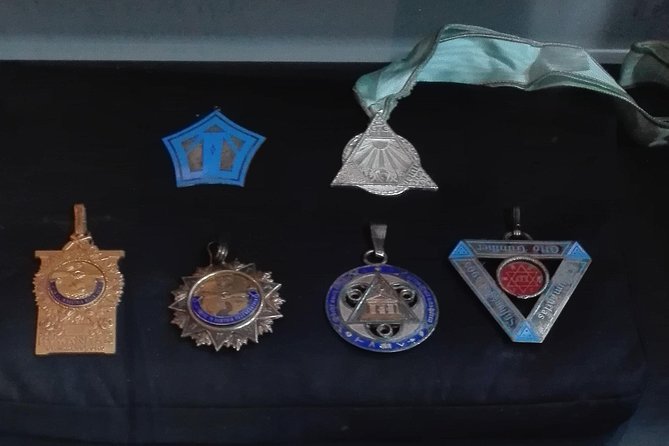
Reviewed · MOZART & STRAUSS CONCERTS
What do Mozart and Henry Ford have in common? – The freemason in Vienna
Vienna’s grand streets hide a less visible story: the city’s links to Freemasonry, its famous members, and the symbols that still invite questions. This private walk follows those clues from Judenplatz to Josefsplatz, bringing Mozart, Henry Ford, Goethe, George Washington, and other well-known names into the same conversation.
I like the focused route and the chance to see familiar Vienna sights from a different angle. I also like that Sandra Blum leads a private group, so you are not folded into a large crowd. The main drawback is that the tour is short, and the Albertina stop is an exterior visit only.
In This Review
- Key points to know before booking
- Why Freemasonry gives this Vienna walk a different angle
- Starting at Judenplatz and walking into central Vienna
- St. Stephen’s Cathedral and the Masonic emblem
- Rauhensteingasse and an important Masonic address
- St. Michael’s Church and another connection
- The Albertina stop is an outside view
- What the 1-hour-45-minute format means
- Is $49.78 a fair price?
- Who will get the most from this experience?
- Booking details and a sensible plan
- Should you book the Freemason walk in Vienna?
- FAQ
- How long does the Freemason tour in Vienna last?
- What is the price per person?
- Who leads the experience?
- Where does the tour start?
- Where does the tour end?
- Which places are included in the route?
- Is admission to the sights included?
- How many people can join the private tour?
- Can I cancel for a full refund?
Key points to know before booking
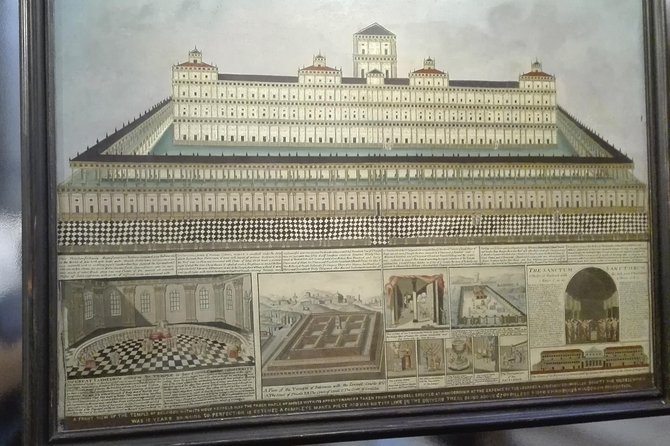
- A Freemasonry-themed route through central Vienna: The walk links four central stops with the organization and its members.
- Sandra Blum leads the experience: The provider is Sandra Blum, operating as Safu, exklusiv Wien entdecken.
- Private groups of 5 to 25 people: Only your own group takes part, though the minimum group size matters when booking.
- Four named stops in about 1 hour 45 minutes: St. Stephen’s Cathedral, Rauhensteingasse, St. Michael’s Church, and the Albertina exterior form the route.
- The sights are mainly viewed from outside: Admission is free at the first three listed stops, while the Albertina admission is not included.
- A useful cancellation cushion: You receive a full refund if you cancel at least 24 hours before the start time.
Why Freemasonry gives this Vienna walk a different angle
Most first walks through Vienna focus on emperors, palaces, musicians, and grand churches. This one asks you to look for another layer, the signs and connections tied to an old fraternity that has often been surrounded by suspicion and mystery.
The tour’s central question is simple: what connects Mozart and Henry Ford? The answer is presented through their reported association with Freemasonry, alongside figures such as Johann Wolfgang Goethe, George Washington, Henri Dunant, Giacomo Puccini, Gotthold Ephraim Lessing, and Fritz Muliar.
That list gives the walk a broad reach. You are not getting only a story about Mozart or only a story about Vienna. You are being shown how one organization has been linked, in different ways, to people from music, literature, politics, business, medicine, and the arts.
I would book this for the theme rather than for a standard sightseeing checklist. The churches and squares are familiar Vienna sights, but the guide’s task is to interpret them through a particular subject. That can make a repeat visit to the city feel fresh.
At the same time, you should not expect a museum tour packed with displayed objects. The supplied route describes outdoor stops and exterior explanations. Much of the value depends on how clearly the guide explains the symbols, people, and addresses connected with the subject.
More Mozart and Strauss evenings:
- Vienna: Mozart Concert at the Golden Hall
★ 4.6 · 3,986 reviews - Vienna: Classical Concert at Mozart’s First House
2,423 reviews - Vienna: Mozart and Strauss Concert at Schönbrunn
★ 4.5 · 2,364 reviews
Starting at Judenplatz and walking into central Vienna
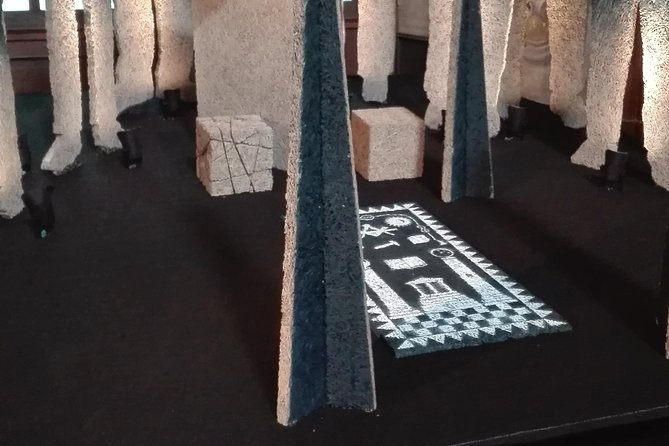
The meeting point is Judenplatz 5 in Vienna’s first district. That puts you in the historic center, close to public transportation and within the central area covered by the walk.
The tour ends at Josefsplatz. This is useful if you are planning the rest of your day around central Vienna, since you finish near another important square rather than returning to the starting point. The route is therefore a point-to-point walk, not a round trip.
The exact walking distance is not provided, so I would allow comfortable time before the start rather than arriving at the last second. A mobile ticket makes the booking easy to carry, but you still need to check the meeting instructions and confirmation before setting out.
The experience is listed for Monday through Friday, between 9:00 a.m. and 8:00 p.m., during the published operating period. Since availability is subject to confirmation, check the date and time carefully when you book.
St. Stephen’s Cathedral and the Masonic emblem
The first named stop is St. Stephen’s Cathedral, one of Vienna’s most recognizable landmarks. Here, the subject is not simply the cathedral itself. The guide looks at an emblem through the aspect of Freemasonry.
That approach changes the way you use the stop. Instead of only admiring the roof, towers, and Gothic form, you are asked to pay attention to a particular sign and consider how it may be read in a Masonic context.
The scheduled time is about 10 minutes. That is enough for a concise explanation, but not enough for an extended cathedral visit. The listed admission is free, so there is no extra ticket cost for this part of the experience.
If you want to go inside the cathedral on your own, ask the guide how much free time you will have after the tour or plan a separate visit. The tour description does not promise an interior tour, a reserved entry, or time to explore the cathedral independently.
For me, this is the kind of stop that works best when you enjoy looking at details other walking tours may pass by. The setting is famous, but the interpretation is less familiar.
Rauhensteingasse and an important Masonic address
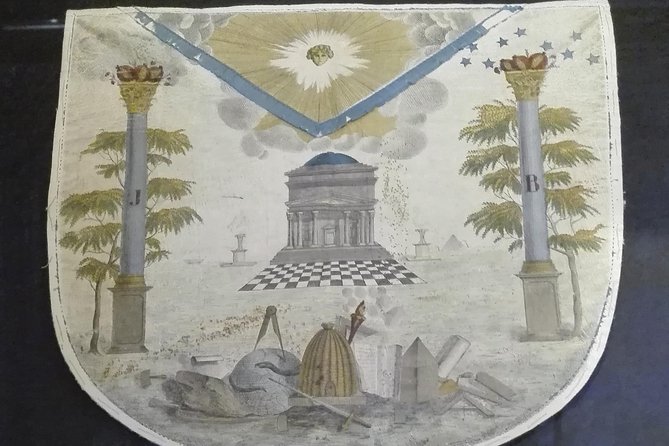
The second stop is Rauhensteingasse, with about 20 minutes devoted to an important address for the organization. This is the longest timed stop listed, which suggests that the address carries much of the tour’s central explanation.
An address can be more revealing than a grand monument. It gives the story a physical location, tying an abstract organization to an actual street in Vienna. You can expect the guide to explain why this place matters and how it fits into the city’s Masonic past and present.
The information supplied does not identify a specific building number, interior access, or current function. I would therefore treat this as a street-level explanation rather than an admission-based visit.
This stop may appeal most to you if you like city history that unfolds through locations rather than displays. It also gives Sandra Blum time to connect the individual names in the tour theme with the broader idea of a continuing union of men.
The wording of the experience stresses that Freemasonry still exists. That is an important distinction. The tour is not only about a vanished eighteenth-century society, and it is not presented solely as a story of famous dead members. It aims to trace an organization that remains present while explaining the speculation and mystery that have long surrounded it.
A different side of Vienna on the same trip:
- Vienna: Vivaldi’s Four Seasons Concert in Karlskirche
★ 4.7 · 14,951 reviews - Vienna: Spanish Riding School Training
★ 3.9 · 9,281 reviews - Vienna: Skip-the-cashier-desk-line Giant Ferris Wheel Ride
★ 4.5 · 7,859 reviews - Vienna: Schönbrunn Palace & Gardens Skip-the-Line Tour
★ 4.7 · 7,739 reviews
St. Michael’s Church and another connection
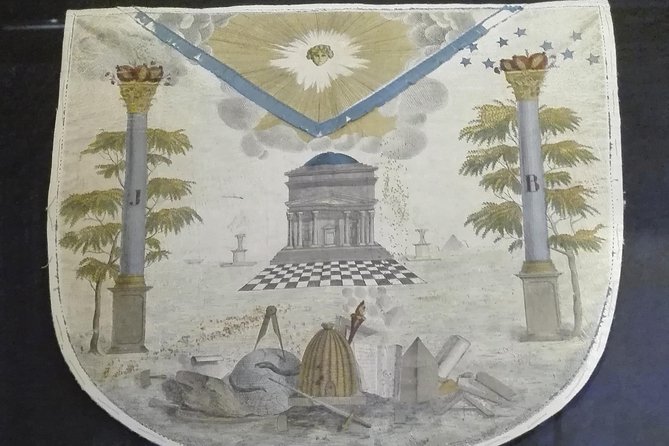
St. Michael’s Church is the third stop, with about 10 minutes listed. The church is described as another site related to Freemasonry, so the focus again is on the connection rather than on a full church tour.
This stop helps keep the route grounded in Vienna’s built environment. The subject is not discussed in an isolated classroom setting. It is connected to churches, streets, addresses, and public places that you can see as you walk through the center.
The available details do not specify which interior feature, emblem, person, or event the guide will discuss at St. Michael’s. That means you should expect the explanation to supply the context. If you are particularly interested in the church’s architecture or religious art, you may want to schedule a separate visit.
The short time here is practical for a compact city walk. It also means the guide will need to keep the explanation focused. You will likely get a pointed interpretation rather than a full guidebook treatment of the church.
The Albertina stop is an outside view
The final named stop is the Albertina, with 10 minutes allocated for an exterior description. This detail matters when you compare the tour with museum visits. Your booking does not include Albertina admission, and the route does not promise entry.
The Albertina is an impressive final setting for a central Vienna walk, but you should book this experience for the explanation outside, not for time inside the galleries. If you want to see the museum’s collections, arrange a separate ticket and visit.
Ending at Josefsplatz keeps you close to the Hofburg area and other central sights. The tour description does not provide a full schedule for additional sightseeing after the finish, but the location makes it easy to continue exploring independently.
A 10-minute exterior stop can work well as a conclusion because it leaves the theme in the city rather than ending with a formal presentation. Still, anyone seeking extensive art information may find this part too brief.
What the 1-hour-45-minute format means
The total duration is approximately 1 hour and 45 minutes. That is long enough to cover four stops at a steady pace, but short enough to fit before lunch, dinner, or another central Vienna booking.
The timed stops add up to 50 minutes. The remaining time is presumably used for walking between locations and explanations along the way. Since the walking distance between each point is not stated, I would wear comfortable shoes and avoid scheduling something immediately afterward.
The route is listed as suitable for most people, and it is near public transportation. No special fitness requirement is given. Even so, this is a walking tour through central streets, so anyone who needs frequent rests should confirm the route details before booking.
The private format is one of the strongest practical features. Your group alone participates, with a stated minimum of 5 and maximum of 25 people. A group of five can make the experience feel personal, while a group of 25 may feel more like a standard walking tour despite being private.
The minimum number is worth noting for small parties. If the required minimum is not met and the experience is canceled, you are offered another date or experience, or a full refund.
Is $49.78 a fair price?
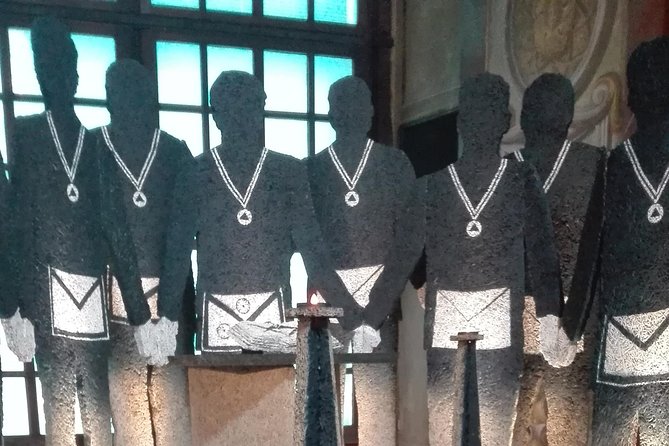
The listed price is $49.78 per person. That is not the cheapest way to spend 1 hour and 45 minutes in Vienna, especially since the route uses public streets and does not include museum admission.
The price makes more sense if you are booking as a group and value having the guide to yourselves. A private explanation of a specialized subject can be worthwhile when you already know the main sights and want a more unusual theme.
It is less convincing if you are mainly looking for entry into St. Stephen’s Cathedral, St. Michael’s Church, or the Albertina. The first three stops list free admission, and the Albertina is viewed from outside, so your payment is primarily for the guide’s time, research, interpretation, and route planning.
I would compare it with the cost of a general central Vienna walking tour. If your priority is broad city coverage, another tour may give you more landmarks. If your priority is Freemasonry and the people linked with it, this narrower subject is the reason to pay.
The private arrangement also works best when five or more people are already traveling together. For a couple or solo visitor, the minimum group requirement may make booking less straightforward.
Who will get the most from this experience?
I would recommend the walk to you if you enjoy historical puzzles, symbolic details, and stories that sit outside the usual palace-and-opera route. It suits repeat visitors who have already seen the main center and want a new reason to study familiar streets.
It may also suit families with older children or teenagers who respond to questions about secret societies, famous names, and hidden meanings. The subject has a built-in sense of mystery, although the practical value will depend on how much detail you want from the guide.
Music lovers may be interested because Mozart is one of the key names connected with the theme. Readers interested in Goethe, George Washington, Henry Ford, Puccini, Henri Dunant, Lessing, or Fritz Muliar may also find the broad list appealing.
I would be more cautious if you want a full architectural tour, a museum visit, or a detailed account of Vienna’s imperial history. Those subjects are not the stated focus. The route gives you selected connections, not a complete introduction to the city.
The tour is also a better fit for people comfortable with interpretation. The experience asks you to consider symbols and associations. It is not simply a sequence of confirmed objects with labels beside them.
Booking details and a sensible plan
You receive confirmation within 48 hours of booking, subject to availability. Since the experience requires a minimum of five participants, do not assume that a preferred time is final until confirmation arrives.
The mobile ticket is convenient for a city day when you do not want to print paperwork. Keep your phone charged, and make sure the meeting point at Judenplatz 5 is clear before you leave.
Free cancellation is available if you cancel at least 24 hours before the start time. Inside that 24-hour window, the amount paid is not refunded, and changes are not accepted. The cut-off uses Vienna local time.
I would pair the walk with a separate interior visit to whichever church or museum interests you most. Since the tour itself is short and mostly exterior, that combination gives you both the specialized Masonic explanation and time for the ordinary sightseeing that the walk does not cover.
Should you book the Freemason walk in Vienna?
Book it if you want a specialized private walk that connects Vienna’s streets with Mozart, Henry Ford, Goethe, George Washington, and other figures associated with Freemasonry. The route is compact, the meeting and finishing points are central, and Sandra Blum’s focused theme gives familiar landmarks a different purpose.
Skip it if you want included museum entry, a full church interior tour, or a broad introduction to Vienna. At $49.78 per person, the value rests on the guide’s interpretation, not on admissions or major attractions.
For a group of at least five people with a real interest in Freemasonry, this can be a useful 105-minute addition to a Vienna itinerary. For everyone else, it is a niche choice, and that is both its appeal and its limitation.
FAQ
How long does the Freemason tour in Vienna last?
The tour lasts approximately 1 hour and 45 minutes.
What is the price per person?
The listed price is $49.78 per person.
Who leads the experience?
The experience is provided by Sandra Blum, operating as Safu, exklusiv Wien entdecken.
Where does the tour start?
The tour starts at Judenplatz 5, 1010 Vienna, Austria.
Where does the tour end?
The tour ends at Josefsplatz in Vienna’s first district.
Which places are included in the route?
The named stops are St. Stephen’s Cathedral, Rauhensteingasse, St. Michael’s Church, and the outside of the Albertina.
Is admission to the sights included?
Admission is listed as free for St. Stephen’s Cathedral, Rauhensteingasse, and St. Michael’s Church. Albertina admission is not included, and the stop is an exterior description.
How many people can join the private tour?
The experience requires a minimum of 5 participants and allows a maximum of 25. Only your group participates.
Can I cancel for a full refund?
Yes. You can cancel at least 24 hours before the start time for a full refund. Cancellations or changes made less than 24 hours before the start time are not refunded or accepted.
Just added around Vienna
- Private Tour from Vienna to Melk and Dürnstein★ 4.5 · 3 reviews
- Vienna: Johann Strauss 200th birthday anniversary exhibition★ 4.7 · 3 reviews
- Vienna Private Full Day Tour – Tickets to Schönbrunn & Lunch★ 5.0 · 3 reviews
- Private Salzburg Day Trip from Vienna★ 4.0 · 3 reviews
- Vienna: Entry Ticket Belvedere 21 & Contemporary Art★ 4.3 · 3 reviews
- Full-Day Private Trip from Vienna to Budapest★ 4.5 · 3 reviews
- Vienna by Night: Private Evening Food and Drink Tour★ 5.0 · 3 reviews
- 1.5 Hour Cinematic Style Portrait Photoshoot and Tour in Vienna★ 4.5 · 3 reviews
Mozart & Strauss Concerts, compared.
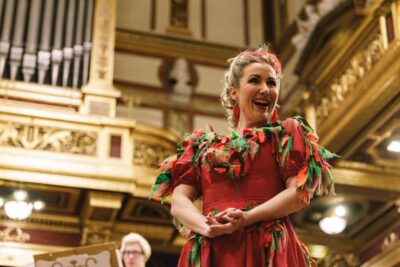
Vienna Mozart Concert in Historical Costumes at the Musikverein
Read our review →
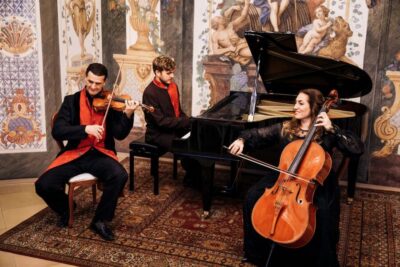
Mozart & Strauss Classical Concert at Börse Palace
Read our review →
Browse the lists this tour appears in