Reviewed · TICKETS
Eisenstadt: Esterhazy Palace Admission Ticket
Esterházy Palace gives you four very different visits under one roof: a grand Baroque residence, a Joseph Haydn music exhibit, a personal story about Princess Melinda Esterházy, and a 300-year-old wine cellar. That variety makes the €22 ticket more worthwhile than a quick palace walk-through.
I especially like the palace’s surviving silver collection, which includes the world’s largest complete set of Neoclassical silverware. I also like the way Haydn’s years in Eisenstadt and Eszterháza are treated as a working life, not just a famous name on a wall.
The main consideration is that this is an admission ticket, not automatically a private guided tour. If you want spoken explanations, add the €2 audio guide, or check the option you book carefully. A guide named Rebeca received particular praise for her clear explanations and affection for the palace, but guiding may depend on the selected option.
In This Review
- Key points
- Why Esterházy Palace is worth your time in Eisenstadt
- Walking through the palace’s grand bel étage
- Joseph Haydn as a working court musician
- Melinda Esterházy beyond the stage
- Down into the old palace cellars
- How to plan your one-day visit
- Is the $22 admission good value?
- Who should book Esterházy Palace?
- Final call: book it if you want more than palace rooms
- FAQ
- Where is Esterházy Palace?
- How much does admission cost?
- How long is the ticket valid?
- Is an audio guide included?
- Which languages are available for the audio guide?
- What can I see inside Esterházy Palace?
- Can I cancel the booking?
Key points
- Four subjects in one palace: See state rooms, Esterházy treasures, Haydn displays, and a wine museum.
- The silver collection is a major highlight: The palace holds the largest surviving complete ensemble of Neoclassical silverware.
- Haydn’s career is shown in context: Multimedia stations trace his work from Eisenstadt and Eszterháza to his late music.
- Melinda Esterházy adds a human story: Follow the princess’s life as a ballerina and as a woman facing personal highs and lows.
- The cellars are more than atmospheric: Over 700 objects explain winemaking under the Esterházy princes.
- The ticket lasts one day: You can set your own pace, with an optional €2 audio guide in English, German, or Hungarian.
Why Esterházy Palace is worth your time in Eisenstadt
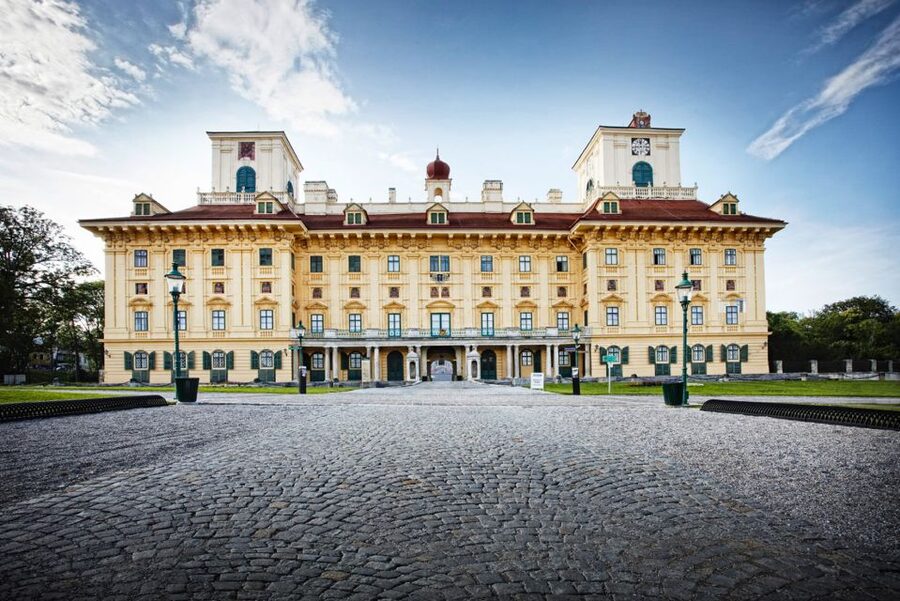
Eisenstadt is the capital of Burgenland, and Esterházy Palace sits at the center of the city’s story. The palace was once home to the Esterházy princes, one of the great magnate families of the region. Today, it gives you a close look at how power, music, art, ceremony, and wine fitted together in one household.
I like this visit because it does not rely only on polished rooms. You also see the objects and people that made the palace function. The silver points to formal dining and display. Haydn shows how music served court life. Melinda Esterházy brings the family story into the modern era. The wine cellar connects the princes to the land and local production.
At $22 per person, the ticket is a reasonable buy if you plan to examine all four sections. It is less convincing if you only want a fast glimpse of grand interiors. Give yourself enough time for the exhibits, since the palace rewards attention rather than a quick photo stop.
The ticket is valid for one day, and starting times depend on availability. That makes it easier to fit the palace around a day in Eisenstadt, though you should still check the time offered when booking.
A few more Vienna tours worth weighing up
- Vienna: Classic Ensemble Vienna in St. Peter’s Church Ticket
★ 4.7 · 4,819 reviews - Vienna Kunsthistorisches Museum Day Admission Ticket
★ 4.6 · 3,690 reviews - Vienna: Tickets for Mozarthaus Vienna with Audio Guide
★ 4.2 · 2,344 reviews
Walking through the palace’s grand bel étage
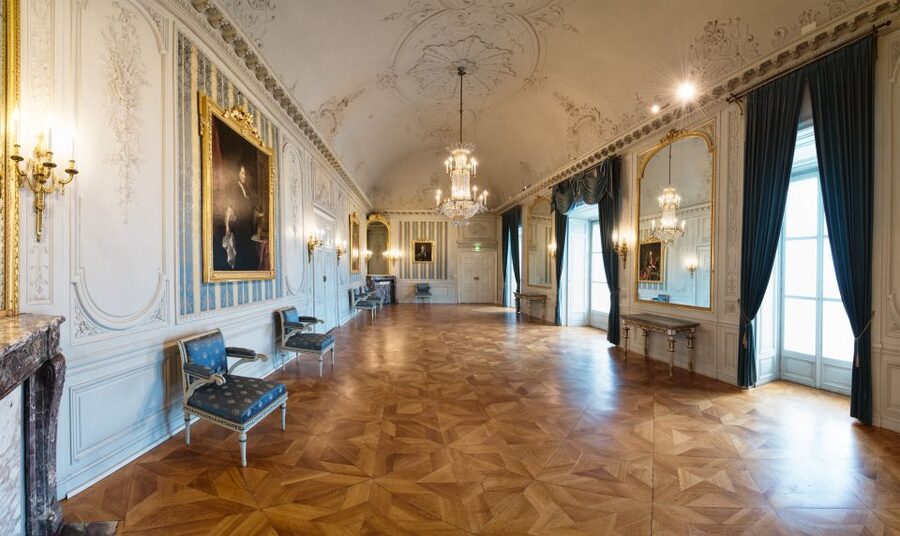
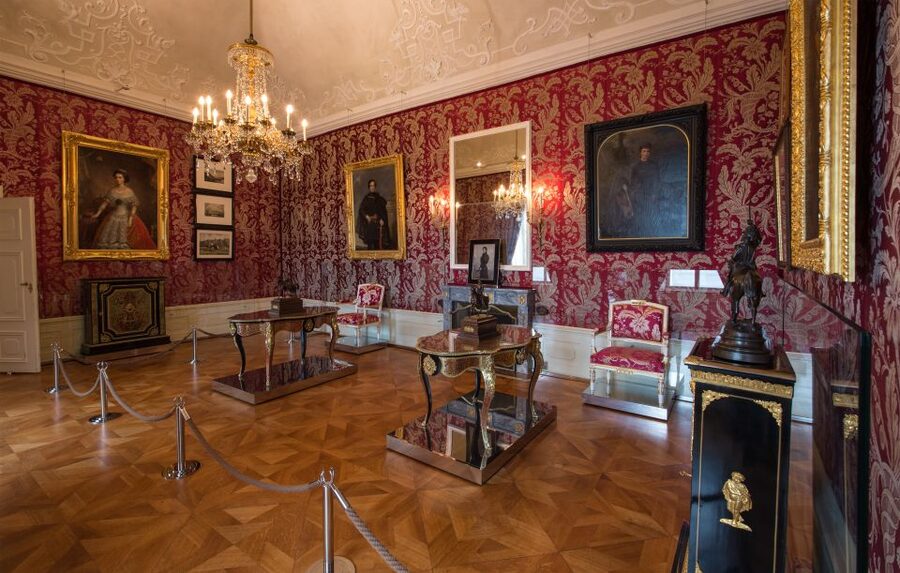
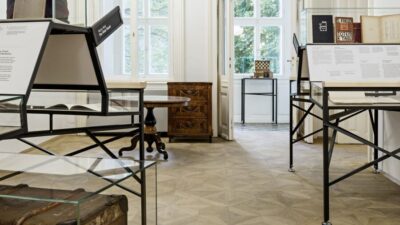
The bel étage, or main ceremonial floor, is where the palace makes its first strong impression. You move through magnificent rooms built to express the status of the Esterházy family. The setting helps you understand that this was not simply a private home. It was a place for formal life, public display, music, and courtly events.
Look beyond the size of the rooms. The details are what explain the palace’s purpose: the arrangement of the interiors, the sense of ceremony, and the objects selected for display. You get a feel for how a great family wanted its wealth and taste to be seen.
The palace’s collection includes art-historical treasures connected with the Esterházy family. One of the most striking groups is the family silver. The complete Neoclassical silver ensemble is especially important because it survives as a set, rather than as scattered individual pieces.
That distinction matters. A single silver dish can be beautiful, but a full service tells you more about how a formal table worked. You can picture the scale of a princely meal and the role that presentation played in palace life.
I would spend time with this section even if you are not normally drawn to decorative arts. Silver can seem cold or technical at first, but here it acts as evidence of rank, ceremony, and household organization. It also gives the palace a practical side. These were objects used in a working residence, not only pieces chosen for a modern display case.
The palace rooms also give you a basic account of the building itself. That context helps prevent the visit from becoming a parade of names and dates. You can follow how the residence developed and why its rooms look as grand as they do.
Joseph Haydn as a working court musician
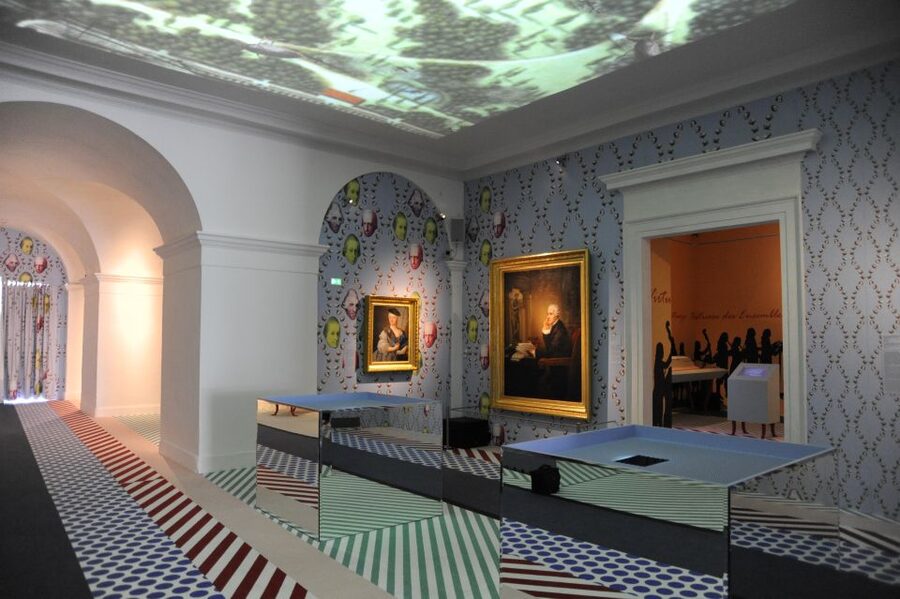
The Haydn exhibit is one of the strongest reasons to choose this palace if you care about music. Joseph Haydn served the Esterházy princes as director of music and composer. His connection to the family lasted across much of his career, and the palace presents that relationship as a job with duties, pressures, and creative rewards.
This is useful because Haydn is often reduced to a famous composer’s name. Here, you see his beginnings in Eisenstadt and Eszterháza, then follow his work through to his late music. The display places his compositions inside the setting where much of his professional life unfolded.
Multimedia stations and project installations help carry the story. They add sound and visual material to the exhibits, which can make this section easier to follow than a room filled only with written labels. You can expect displays that connect Haydn’s work with the Esterházy court and with the places where he lived and worked.
I like the focus on his role as director of music. It reminds you that a court composer had responsibilities beyond composing masterpieces. Haydn worked in service to a princely household, and that position shaped what he wrote, who performed it, and how his career developed.
You do not need to be a classical music expert to get something from this section. The basic story is clear: Eisenstadt and the Esterházy court were important parts of Haydn’s working life. If you already know his music, the palace setting adds useful context. If you do not, the multimedia format gives you a manageable introduction.
The optional audio guide may be worth the extra €2 here, especially if you want more explanation without reading every panel. It is available in English, German, and Hungarian. If you prefer to move quickly, you can use the exhibits on their own and spend more time with the displays that catch your attention.
Melinda Esterházy beyond the stage
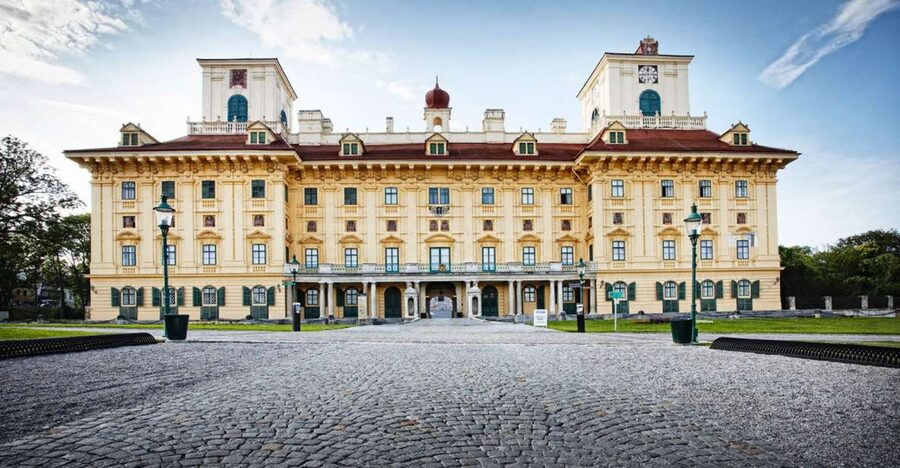
The first-floor exhibit about Melinda Esterházy changes the mood. Instead of focusing mainly on buildings, objects, and a celebrated composer, it follows one woman’s life.
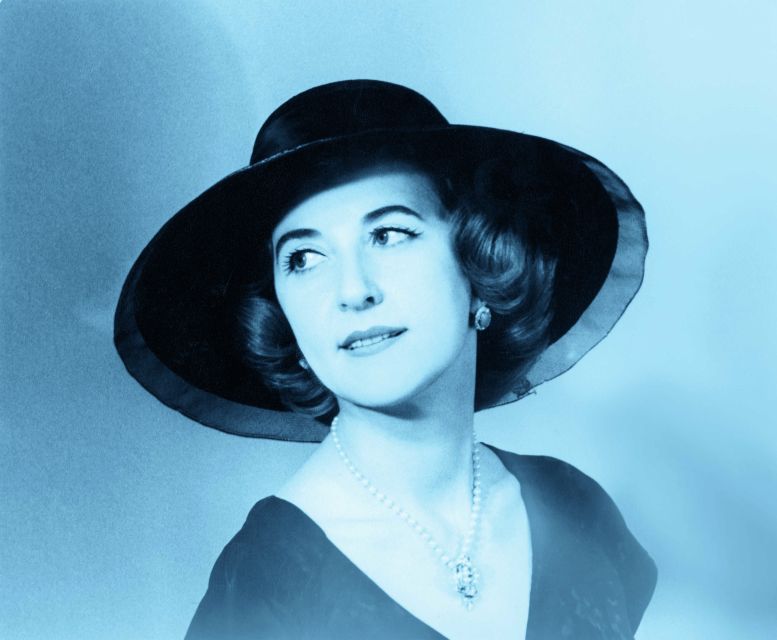
Melinda Esterházy was a ballerina and princess, but the exhibit does not treat those labels as the whole story. It presents her career, ambitions, personal difficulties, and the highs and lows of her life. That makes this section feel more personal than the formal state rooms.
I find this kind of exhibit valuable in a palace because it prevents the family from becoming a row of portraits and titles. Melinda’s story shows how a person connected with the Esterházy name had to manage both public expectations and private challenges.
Her career also gives you a different view of culture at the palace. Haydn represents eighteenth-century court music, while Melinda connects the family story to ballet and a later period. The result is a broader look at the people associated with Esterházy life.
Allow time for this section instead of treating it as an extra room on the way to the exit. The exhibit is about ambition and identity as much as genealogy. You get a sense of a woman trying to build a professional life while also carrying the demands of a famous family name.
This stop may appeal most to visitors who enjoy biography and performance history. It is also a good counterweight to the grand interiors. The rooms show power from the outside. Melinda’s story shows what life within that world could demand from an individual.
A different side of Vienna on the same trip:
- Vienna: Vivaldi’s Four Seasons Concert in Karlskirche
★ 4.7 · 14,951 reviews - Vienna: Spanish Riding School Training
★ 3.9 · 9,281 reviews - Vienna: Skip-the-cashier-desk-line Giant Ferris Wheel Ride
★ 4.5 · 7,859 reviews - Vienna: Schönbrunn Palace & Gardens Skip-the-Line Tour
★ 4.7 · 7,739 reviews
Down into the old palace cellars
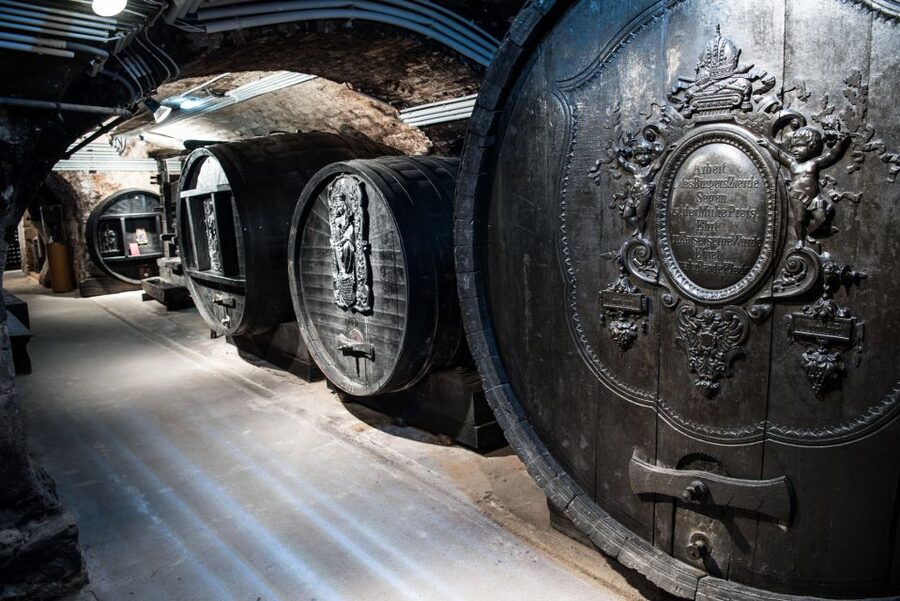
The Wine Museum takes you below the formal rooms and into the old palace cellars. The change in setting is part of the appeal. Upstairs, silver and music represent ceremony. Down here, the focus shifts to production, storage, and the Esterházy family’s long connection with wine.
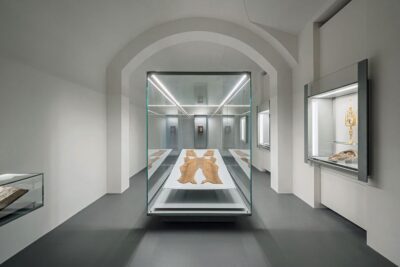
The cellars are more than a decorative finish to the visit. They trace the history of winemaking under the Esterházy princes and show the tools that supported it. You see more than 700 objects connected with wine and viticulture.
The collection includes historic barrels and Burgenland’s oldest Baumpresse, a type of basket press. These objects make the process easier to understand. They show the physical work behind the bottles and the scale of a wine operation before modern equipment.
I like this section because it brings the palace back to everyday labor. A great household depended on food, drink, storage, and skilled workers. The wine museum lets you see that practical side, including the tools used to press and handle wine.
The phrase bacchanalian side fits the subject, but the exhibit is not only about drinking. It is also about agriculture, technology, storage, and local tradition. You learn how wine formed part of the Esterházy household and the wider Burgenland setting.
If you have already visited several grand European palaces, the wine cellar can be the section that makes this one feel different. It has a strong local connection and gives you an experience you cannot get from state rooms alone. It also helps explain why the palace was tied to more than politics and court culture.
How to plan your one-day visit
The ticket is valid for one day, so you have room to create your own pace. Starting times vary, which means you should check availability before choosing your date. The meeting point can also vary depending on the option booked.
I would plan the visit in this order: begin with the bel étage, continue to the Melinda Esterházy exhibit, then spend time with Haydn’s story before finishing in the wine museum. This sequence moves from the palace’s public face to its people, music, and practical foundations.
You can also reverse the order if your available time or entry option suggests it. The important point is not to leave the cellars or the Haydn section until the last few rushed minutes. Both add much of the palace’s character.
An audio guide costs €2 extra and is offered in English, German, and Hungarian. It is a sensible add-on if you want help with names and background, particularly in the state rooms where the objects may not explain themselves fully. If you are comfortable reading exhibit panels, you may prefer to save the fee.
One guide, Rebeca, was singled out for excellent explanations, strong background knowledge, and a clear affection for the castle. That is useful information if you are booking an option that includes a live guide. Do not assume that every admission ticket includes one. Confirm the exact option before paying.
The reserve-now-and-pay-later feature can help if your Eisenstadt plans are still shifting. You can also cancel up to 24 hours in advance for a full refund. These terms are practical, but the real decision is how much time you have for the palace itself.
Is the $22 admission good value?
The price works best when you treat this as a full cultural visit rather than a single-room palace admission. You receive access to the palace rooms, the family collection, the Melinda Esterházy exhibit, the Haydn section, and the wine museum for one day.
The silver collection alone gives the ticket a clear art-history focus. Haydn adds music and local identity. Melinda adds biography and modern family history. The cellar gives you a regional subject rooted in Burgenland. Few palace visits offer such a broad mix in one ticket.
The value drops if you are short on time or mainly want photographs of grand rooms. The palace has several themes, and the ticket asks you to pay attention. You should not expect a short, single-track attraction.
The optional €2 audio guide is modestly priced. It may be particularly useful for international visitors who want explanations in English, though the ticket itself is the main purchase. If a live guide is important to you, check your selected option rather than assuming it comes with admission.
The overall rating of 4.8 from 40 ratings suggests strong satisfaction, and the most specific praise centers on the quality of explanation and the personal connection of the guide. That matches the palace’s strength: the objects become more interesting when you understand the people and work behind them.
Who should book Esterházy Palace?
I would recommend this visit to anyone spending time in Eisenstadt, especially if you enjoy music, aristocratic residences, decorative arts, or wine culture. Families with different interests can also find separate sections that appeal to them.
Classical music fans should make time for the Haydn displays. People who enjoy ballet or personal biography may prefer the Melinda Esterházy exhibit. Wine enthusiasts will appreciate the cellars and the 700-plus objects. Art and design lovers should not rush past the silver collection.
You should think twice if you want a fully guided tour and have not confirmed that your booking includes one. The optional audio guide solves part of that concern, but it costs extra. You should also allow enough time to see the different sections properly, since the attraction offers more than its exterior suggests.
Final call: book it if you want more than palace rooms
Book the $22 ticket if you want a well-rounded look at Eisenstadt’s most important princely residence. The best reason to go is the combination of grand rooms, Haydn, Melinda Esterházy, and the old wine cellars. Each section gives you a different way to understand the Esterházy world.
Skip it only if your schedule allows time for a very quick stop or if you want a live guided tour without checking the booking details. For most visitors with a day in Eisenstadt, the ticket offers solid value, and the wine museum and Haydn exhibits make it more distinctive than a standard palace visit.
FAQ
Where is Esterházy Palace?
Esterházy Palace is in Eisenstadt, the capital of Burgenland, Austria.
How much does admission cost?
The admission ticket costs $22 per person.
How long is the ticket valid?
The ticket is valid for one day.
Is an audio guide included?
No. An audio guide costs an additional €2.
Which languages are available for the audio guide?
The optional audio guide is available in German, Hungarian, and English.
What can I see inside Esterházy Palace?
You can see the palace rooms on the bel étage, art-historical objects including the Esterházy silver collection, an exhibit about Melinda Esterházy, a Joseph Haydn exhibit, and the Wine Museum in the old cellars.
Can I cancel the booking?
You can cancel up to 24 hours in advance for a full refund.
Just added around Vienna
- Private Tour from Vienna to Melk and Dürnstein★ 4.5 · 3 reviews
- Vienna: Johann Strauss 200th birthday anniversary exhibition★ 4.7 · 3 reviews
- Vienna Private Full Day Tour – Tickets to Schönbrunn & Lunch★ 5.0 · 3 reviews
- Private Salzburg Day Trip from Vienna★ 4.0 · 3 reviews
- Vienna: Entry Ticket Belvedere 21 & Contemporary Art★ 4.3 · 3 reviews
- Vienna by Night: Private Evening Food and Drink Tour★ 5.0 · 3 reviews
- Full-Day Private Trip from Vienna to Budapest★ 4.5 · 3 reviews
- 1.5 Hour Cinematic Style Portrait Photoshoot and Tour in Vienna★ 4.5 · 3 reviews
Tickets, compared.
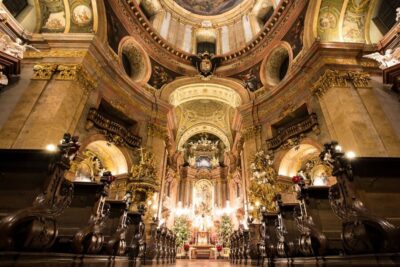
Classic Ensemble Vienna in St. Peter’s Church Ticket
Read our review →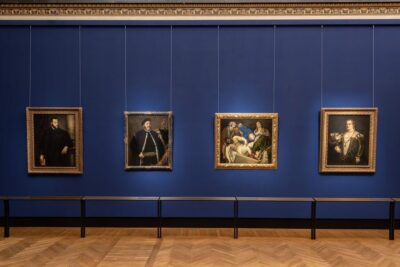
Vienna Kunsthistorisches Museum Day Admission Ticket
Read our review →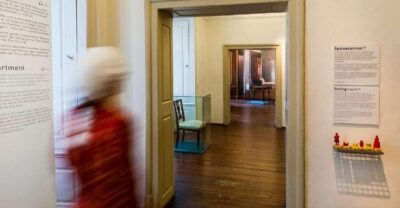
Tickets for Mozarthaus Vienna with Audio Guide
Read our review →
Skip-the-Line Entrance Ticket to the Danube Tower
Read our review →
St. Stephen’s Cathedral & Dom Museum Wien Tickets
Read our review →