Reviewed · TICKETS
Esterhazy Palace Entrance Ticket
Esterházy Palace gives you two experiences in one: grand princely rooms above ground and a hands-on look at Joseph Haydn’s long career below. The gilded Empiresaal, painted Chinese wallpaper, palace chapel, and historic cellar collection offer far more variety than a quick parade of royal rooms.
I like the freedom of an audio tour, since you can pause at exhibits and set your own pace. I also like the unusual mix of subjects, from Melinda Esterházy’s story to Haydn’s instruments and Burgenland winemaking. The main catch is that you must make your own way there, and the Haydnsaal can occasionally be closed for events.
In This Review
- Key points to know before you go
- Why Esterházy Palace is more than a formal palace tour
- Entering the bel étage and the grand Empiresaal
- The small and large Chinese salons
- The palace chapel and the reliquary of Saint Constantine
- Melinda Esterházy’s story on the first floor
- Joseph Haydn’s forty years with the Esterházy princes
- The Haydnsaal and the chance of event closures
- The 300-year-old cellar and the Wine Museum
- How the audio guide shapes your visit
- Price, timing, and practical value
- Who will enjoy this palace visit most?
- A few useful tips for your visit
- Should you book Esterházy Palace?
- FAQ
- What does the Esterházy Palace ticket include?
- Is an audio guide included?
- How long does the visit take?
- Is transportation included?
- Are food and drinks included?
- What are the opening hours?
- Can children visit?
- Can the Haydnsaal ever be closed?
- Can I cancel for a full refund?
Key points to know before you go
- Haydn is the star of the lower-level exhibits: Interactive displays, documents, personal objects, and instruments explain how he became a major composer.
- The Empiresaal is the grand visual stop: Expect a 19th-century Empire-style banquet hall with gilded decoration and chandeliers.
- The Chinese salons add a surprising change of mood: Hand-painted Chinese wallpaper gives these smaller rooms a very different character.
- The cellar adds local flavor: More than 700 objects trace wine and viticulture under the Esterházy princes.
- You tour independently: Admission and the audio guide are included, but food, drinks, and transportation are not.
- The visit usually takes one to two hours: Add extra time if you want to linger over the exhibits or see the palace grounds mentioned in the experience details.
Why Esterházy Palace is more than a formal palace tour
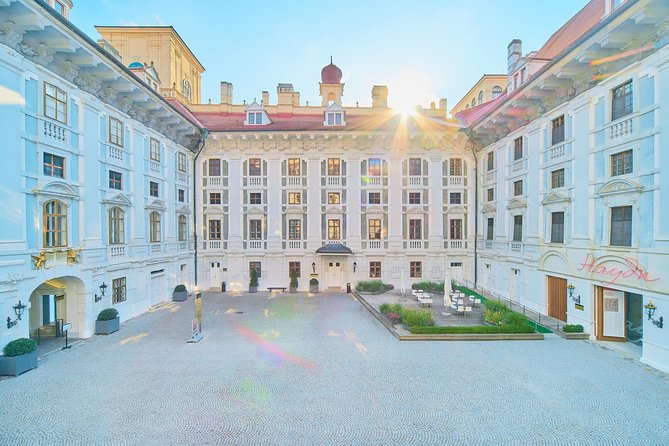
A palace visit can easily become a blur of chandeliers, portraits, and furniture. Esterházy Palace avoids that problem by dividing its story between the family’s rooms, Haydn’s work, and the region’s wine culture.
You begin with the palace interiors, where architecture and decoration set the tone. Then you move into exhibits about Melinda Esterházy and Joseph Haydn. Finally, the old cellars shift your attention from court life to the practical business of winemaking.
That variety makes this a good choice if you want history without spending an entire afternoon reading long wall panels. The audio guide supplies the basic story as you walk, while multimedia stations and unusual objects give you reasons to stop.
The visit is self-guided, so I would not treat the one to two hour estimate as a strict schedule. You can move quickly through familiar-looking rooms, or stay longer with Haydn’s instruments, the wine collection, and the palace details that catch your eye.
A few more Vienna tours worth weighing up
- Vienna: Classic Ensemble Vienna in St. Peter’s Church Ticket
★ 4.7 · 4,819 reviews - Vienna Kunsthistorisches Museum Day Admission Ticket
★ 4.6 · 3,690 reviews - Vienna: Tickets for Mozarthaus Vienna with Audio Guide
★ 4.2 · 2,344 reviews
Entering the bel étage and the grand Empiresaal
The main palace route takes you through the bel étage, the formal first-floor level where the most impressive rooms are found. This is where you get the strongest sense of aristocratic display.
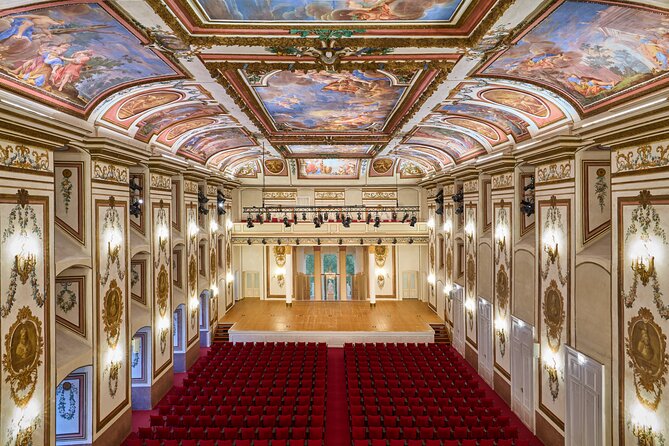
The Empiresaal is the obvious centerpiece. Once used as a palace banquet hall, it is decorated in the Empire style of the 19th century, with gilded surfaces and elegant chandeliers. The room was made to impress a crowd, and the audio commentary helps explain its purpose instead of leaving you to guess why the room is so grand.
I recommend looking upward as you move through the hall. Chandeliers and ceiling treatment often make the biggest visual difference in a palace, and here they help you understand the room as a performance space for formal gatherings.
The drawback is simple: a grand hall is easier to appreciate when you know what you are seeing. Without the audio narration, you might notice the decoration but miss the social role of the room. Use the included guide rather than rushing through the first few spaces.
The small and large Chinese salons
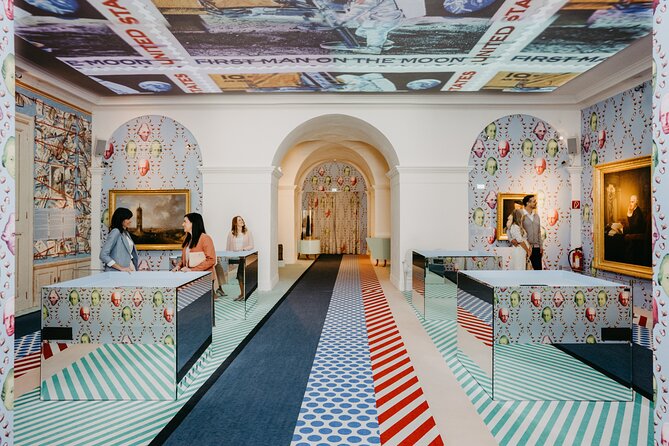
The Chinese salons bring a welcome change from the heavier European palace interiors. Their walls are covered with hand-painted Chinese wallpaper, giving the rooms a more intimate and decorative feel.
These salons are worth slowing down for. The smaller scale makes you look more closely at the wall coverings and room finishes, rather than simply taking in the size of the space. The audio commentary explains the story behind both the small and large salons, so you get context for why these rooms were included in a princely residence.
You should also expect differences in preservation and presentation from room to room. Some visitors come mainly for the big banquet hall, but the salons may be more rewarding if you enjoy design, wallpaper, and fine interior details.
The palace chapel and the reliquary of Saint Constantine
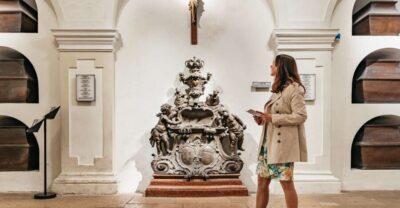
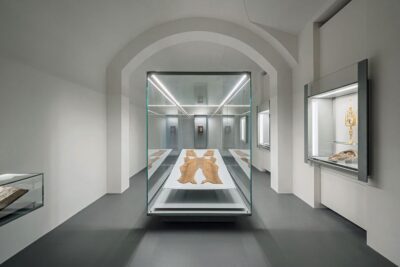
The palace chapel adds a religious layer to the tour. It contains the reliquary of Saint Constantine and shows several architectural and decorative styles within one space.
That variety makes the chapel a useful stop even for visitors who are not especially interested in church art. You can see how a private palace worship space carried its own visual language, separate from the entertaining and ceremonial rooms elsewhere in the building.
The audio guide is particularly useful here because a chapel can seem quiet and self-explanatory at first glance. The narration gives meaning to the objects and helps you understand why the reliquary matters.
A different side of Vienna on the same trip:
- Vienna: Vivaldi’s Four Seasons Concert in Karlskirche
★ 4.7 · 14,951 reviews - Vienna: Spanish Riding School Training
★ 3.9 · 9,281 reviews - Vienna: Skip-the-cashier-desk-line Giant Ferris Wheel Ride
★ 4.5 · 7,859 reviews - Vienna: Schönbrunn Palace & Gardens Skip-the-Line Tour
★ 4.7 · 7,739 reviews
Melinda Esterházy’s story on the first floor
The first-floor tour is not only about old furniture and noble rooms. It also follows the story of Melinda Esterházy, described as a strong and remarkable personality connected with the palace.
This focus gives the tour a human center. Instead of treating the Esterházy family as a list of titles and dates, the exhibits connect the building to a particular person and her life.
The supplied information does not provide a full biography, so you should expect the palace audio commentary and displays to carry the detail. If you like social history and personal stories, give this section time rather than racing toward the Haydn exhibits.
Joseph Haydn’s forty years with the Esterházy princes
The palace’s Haydn section is the most distinctive part of the visit. Haydn served the Esterházy princes for more than 40 years, first as a working musician and later as a composer whose talent reached far beyond the court.
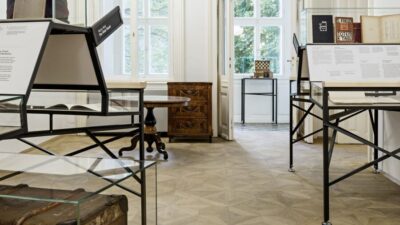
You learn about his early life and the way he developed into a musical genius. This is not just a room with a portrait and a paragraph. Multimedia stations, project installations, and unusual exhibits make the section more active and accessible.
You will see personal artifacts, documents, and instruments connected with Haydn. These objects matter because they show the practical side of a composer’s life. Music history can feel distant when it is presented only through famous titles. Personal belongings and working instruments bring the story closer to everyday life.
I especially like this part for families and for people who know Haydn only by name. The displays give you a way into his story without requiring a music degree. Children can also respond to the interactive elements more easily than to a silent room of framed paintings.
The experience does not provide a live musician or a named personal guide. The commentary is recorded, and the exhibits do the teaching. That means you get consistency and freedom, but not the chance to ask questions as you go.
The Haydnsaal and the chance of event closures
The Haydnsaal is one of the most important rooms on the route. This elegant salon is associated with the first performances of many of Haydn’s pieces, so it connects the physical palace with the music created there.
For a music lover, this may be the emotional high point. You are not simply looking at a composer’s belongings. You are entering a room tied to the performance of his work.
There is one practical warning: the Haydnsaal may occasionally be restricted because of ongoing events. You should keep that possibility in mind when deciding how much of the ticket’s value rests on seeing this one room.
Even if access is limited, the rest of the palace remains substantial. The Empiresaal, Chinese salons, chapel, Haydn exhibits, and wine museum give you several other reasons to visit. Still, if the Haydnsaal is your main goal, check current conditions before setting out.
The 300-year-old cellar and the Wine Museum
The palace cellar offers a different kind of history. More than 300 years old, it contains over 700 objects connected with wine and viticulture under the Esterházy princes.
You might see historic barrels, old tools, and Burgenland’s oldest Baumpresse, a traditional wine press. These objects show how wine production worked in practical terms, which is a useful contrast to the polished rooms upstairs.
I find cellar collections valuable because they explain how a residence functioned beyond ceremony. A palace was not only a place for banquets and music. It needed food, drink, workers, storage, and a system for producing or acquiring supplies.
The wine museum also gives the visit a local connection. You are not looking only at court culture imported from elsewhere. You are seeing an aspect of regional production tied to the Esterházy household.
If you have limited time, you may be tempted to skip the cellar for the decorated rooms. I would not do that. The cellar is one of the experience’s more unusual features, and it helps make the palace visit feel complete.
How the audio guide shapes your visit
The included audio guide is the main tool for understanding the palace. You present your mobile voucher for admission and the guide, then move through the rooms at your own pace.
This arrangement suits you if you dislike being locked into a group schedule. You can pause to look at wallpaper, replay a section, or spend more time with Haydn’s documents. It also works well for families, since adults and children can move at a comfortable speed.
The tradeoff is that recorded commentary cannot respond to your questions. If you want a conversation about architecture, music, or the Esterházy family, this is not the same as hiring a private specialist.
The commentary covers the rooms and exhibits, including Haydn’s life and work. I would listen closely in the first rooms, because the palace’s purpose and the family story give the later exhibits more meaning.
Price, timing, and practical value
At $22.83 per person, this ticket is priced as a mid-range cultural stop rather than a quick inexpensive add-on. The value depends on how much of the palace you see and whether you take time with the Haydn and wine displays.
For one to two hours of admission, the price is reasonable if you are interested in music, historic interiors, or local wine culture. You are paying for several connected sections, not just access to one grand room.
The ticket includes all fees and taxes, admission, and the audio guide. Food and drinks are not included, and transportation to and from the palace is your responsibility.
The experience is listed near public transportation, which helps, but you still need to plan the journey yourself. Do not assume the ticket includes a transfer from Vienna or any guided transport service.
The stated opening dates are Saturdays and Sundays from 10 a.m. to 4 p.m., from February 21 through March 31 in 2026, and again from February 21 through March 31 in 2027. Those limited seasonal hours make date checking important. A flexible cancellation policy helps: you can receive a full refund if you cancel at least 24 hours before the start time.
Who will enjoy this palace visit most?
I would recommend Esterházy Palace to you if you enjoy a mix of subjects rather than one narrow theme. The visit works especially well for:
- Music fans who want to connect Haydn’s work with the place where he served the Esterházy princes.
- Architecture and interior-design enthusiasts drawn to the Empiresaal and Chinese salons.
- Families who prefer interactive exhibits and the freedom to move at their own pace.
- History-minded visitors who want both princely life and the practical story of wine production.
- Independent sightseers who prefer an audio guide to a fixed group tour.
You may want to choose another activity if you need transportation included, a live guide, or a tightly structured tour with plenty of personal explanation.
The palace is family-friendly, and children must be accompanied by an adult. Most people can take part, and the attraction is near public transportation, but the available information does not give detailed accessibility specifications. If you have mobility concerns, contact the provider before booking.
A few useful tips for your visit
Plan for at least an hour, but allow closer to two if you want to listen to the commentary carefully and explore the cellar. Rushing will reduce the value of the audio guide and make the Haydn exhibits feel like a collection of objects instead of a story.
Start with the formal rooms, then pay attention to the shift in mood as you move toward the Haydn section and cellar. The route works best when you see the parts as connected: palace ceremony, court music, and the work that supported the household.
If gardens are part of your wider plan, the experience information points to a rose garden and hedge maze as places worth visiting. The ticket details do not clearly state whether those areas are included in this admission, so confirm before counting them as part of the ticket.
Finally, do not build your entire day around the Haydnsaal without checking for event restrictions. It is a special room, but the palace offers enough other material to make the visit worthwhile if access changes.
Should you book Esterházy Palace?
Book it if you want a self-guided cultural stop with genuine variety. The best reasons are the Haydn exhibits, the unusual wine museum, and the contrast between the ornate Empiresaal and the intimate Chinese salons.
At $22.83, I see good value for anyone who will use the full one to two hours. I would be less enthusiastic if you only want a quick photo of a grand room or if reaching the palace without included transport would be inconvenient.
Choose a weekend during the stated opening period, keep an eye on Haydnsaal access, and allow time for the cellar. Done that way, Esterházy Palace offers a useful look at how music, court life, architecture, and regional wine production fit together under one roof.
FAQ
What does the Esterházy Palace ticket include?
The ticket includes admission to Esterházy Palace, the audio guide, and all fees and taxes.
Is an audio guide included?
Yes. You receive a recorded audio guide covering the palace rooms and exhibits, including Haydn’s life and work.
How long does the visit take?
The visit takes approximately one to two hours.
Is transportation included?
No. You must make your own way to Esterházy Palace. Transportation to and from the attraction is not included.
Are food and drinks included?
No. Food and drinks are not included in the ticket.
What are the opening hours?
For the listed periods from February 21 through March 31 in 2026 and 2027, the palace is open Saturdays and Sundays from 10 a.m. to 4 p.m.
Can children visit?
Yes. The experience is family-friendly, but children must be accompanied by an adult.
Can the Haydnsaal ever be closed?
Yes. Access to the Haydnsaal may occasionally be restricted because of ongoing events.
Can I cancel for a full refund?
Yes. You can cancel for a full refund at least 24 hours before the experience start time. Changes or cancellations made less than 24 hours before the start time are not accepted for a refund.
Just added around Vienna
- Private Tour from Vienna to Melk and Dürnstein★ 4.5 · 3 reviews
- Vienna: Johann Strauss 200th birthday anniversary exhibition★ 4.7 · 3 reviews
- Vienna Private Full Day Tour – Tickets to Schönbrunn & Lunch★ 5.0 · 3 reviews
- Private Salzburg Day Trip from Vienna★ 4.0 · 3 reviews
- Vienna: Entry Ticket Belvedere 21 & Contemporary Art★ 4.3 · 3 reviews
- Full-Day Private Trip from Vienna to Budapest★ 4.5 · 3 reviews
- Vienna by Night: Private Evening Food and Drink Tour★ 5.0 · 3 reviews
- Semi-Private Tour: Central Europe &Balkans from Vienna to Athens★ 5.0 · 3 reviews
Tickets, compared.
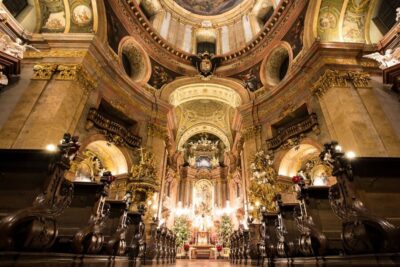
Classic Ensemble Vienna in St. Peter’s Church Ticket
Read our review →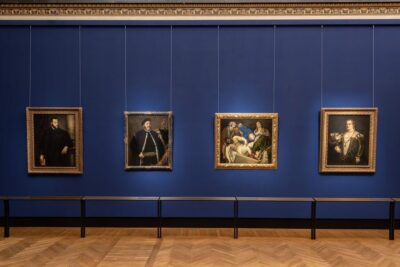
Vienna Kunsthistorisches Museum Day Admission Ticket
Read our review →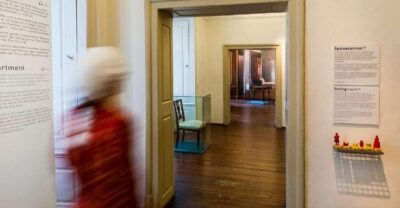
Tickets for Mozarthaus Vienna with Audio Guide
Read our review →
Skip-the-Line Entrance Ticket to the Danube Tower
Read our review →
St. Stephen’s Cathedral & Dom Museum Wien Tickets
Read our review →