Reviewed · TOURS
Small Group Tour; Europe &The Balkans – Vienna to Dubrovnik/Split
This is a 10-day overland journey through Austria, Slovakia, Hungary, Serbia, Bosnia and Herzegovina, and Croatia. The real appeal is the variety: wine country around Lake Neusiedl, Danube capitals, Austro-Hungarian towns, Serbian vineyards, Sarajevo, and Mostar all arrive in one compact trip.
I like the small maximum of 10 people, which should make border crossings, hotel check-ins, and walking tours easier than on a large coach. I also like the practical package: nine breakfasts, three-star hotels, fuel, road fees, tourist taxes, a tour leader, and final transfer help are included.
The main drawback is pace. You cover a great deal of ground in 10 days, and several famous cities receive only an hour or two. There is also a serious information mismatch: the overview describes a two-day Lake Koman and Shala River adventure from Tirana, including kayaking, while the detailed route begins in Vienna and ends at Dubrovnik or Split. Confirm the exact product and route before paying.
In This Review
- Key points to know before booking
- What this Vienna to Dubrovnik journey is really like
- Day 1: Lake Neusiedl, Rust, and the road to Bratislava
- Day 2: Bratislava from Michael’s Gate to the castle
- Day 3: Győr’s Baroque streets and local food
- Day 4: Budapest, Buda Castle, and an evening on your own
- Day 5: Subotica’s Austro-Hungarian character
- Day 6: Novi Sad and Petrovaradin Fortress
- Day 7: Sremski Karlovci and Serbian wine country
- Day 8: Belgrade and a pause beside the Drina
- Day 9: Sarajevo, the Latin Bridge, and Mostar
- Day 10: The Croatian border and two possible endings
- What is included, and what will cost extra
- The major detail you must verify
- Should you book this small-group Balkans tour?
- FAQ
- Where does the tour begin?
- Where does the tour end?
- How long is the tour?
- How large is the group?
- What accommodation is included?
- Are meals included?
- Is transportation included?
- What level of fitness is required?
- Is the tour refundable if I cancel?
Key points to know before booking
- A cross-border route through seven countries: You move from Vienna and Lake Neusiedl through Bratislava, Budapest, Serbia, Bosnia and Herzegovina, and into Croatia.
- Small-group travel with a maximum of 10 people: This suits you if you prefer a personal vehicle and a more flexible feel over a large bus.
- The best cultural contrasts come in Sarajevo and Mostar: Ottoman, Austro-Hungarian, Jewish, Catholic, Muslim, and Yugoslav-era stories appear within a short stretch.
- Nine breakfasts and three-star lodging are included: Lunches, dinners, drinks, and snacks are yours to arrange.
- The schedule favors breadth over long stays: Budapest gets about three hours of touring plus an evening, while Sarajevo and Mostar share one busy day.
- The departure and endpoint need careful checking: Pickup is in Vienna at 11:00 a.m., and the final transfer is described for either Dubrovnik or Split.
What this Vienna to Dubrovnik journey is really like
Think of this as a moving introduction to Central Europe and the western Balkans, not a slow city holiday. You spend much of the day on the road, then use short walks and guided visits to get a first look at each place.
That format can work very well if you want help with transport across several borders. Driving yourself through Serbia and Bosnia and Herzegovina takes planning, and a tour leader can handle route details, road fees, and the practical work of moving a small group along.
You should still set your expectations correctly. A short stop can show you the character of a city, but it rarely leaves time for major museums, long meals, or a second look at the sights. I would treat this as a sampler for a future return visit.
The price is listed at $3,450.94 per person. That is a substantial outlay, but it covers nine nights in three-star hotels, nine breakfasts, an international car insurance arrangement, fuel, road taxes, tourist taxes, listed entry tickets, hotel pickup in Vienna, and drop-off assistance in Dubrovnik or Split. The value improves if you want a guided route and do not want to arrange several hotels and border transfers yourself.
Room pricing is based on double, twin, triple, or quadruple occupancy. If you want a private room, ask about the supplement before booking. The provided details do not state the single-room price.
Other Vienna tours people book alongside this one:
- Vienna: Vivaldi’s Four Seasons Concert in Karlskirche
★ 4.7 · 14,951 reviews - Vienna: Spanish Riding School Training
★ 3.9 · 9,281 reviews - Vienna: Skip-the-cashier-desk-line Giant Ferris Wheel Ride
★ 4.5 · 7,859 reviews
Day 1: Lake Neusiedl, Rust, and the road to Bratislava
Pickup is scheduled from your Vienna hotel at 11:00 a.m. That late-morning start gives you time to explore Vienna independently first, but it also means the opening day is not especially long.
The first stop is Lake Neusiedl, a UNESCO World Heritage area shared by Austria and Hungary. The route passes through Burgenland, a wine-producing region marked by low hills and vineyards. The planned stop is about an hour, with no admission fee listed.
You then reach Rust for roughly two hours. This small town is known for a preserved old center, colorful houses, flower boxes, and traditional Austrian architecture. The relaxed scale should make Rust a pleasant counterpoint to Vienna.
Use the free time here for a walk and perhaps a meal near the vineyards. Regional wine is part of the attraction, though drinks and meals are not included. Small shops sell decorations made from natural materials, including wood from wine barrels and other local craft materials.
The onward drive to Bratislava is described as about 30 minutes after the Rust visit. Actual road time can vary, especially once border procedures and traffic enter the picture.
Day 2: Bratislava from Michael’s Gate to the castle
Bratislava is one of the most manageable capital cities on this route. The guided walk focuses on the medieval Old Town, churches, cultural institutions, and the Old Town Hall area.
Michael’s Gate is a useful landmark because it is the only surviving gate from the city’s medieval fortifications. The visit takes about 30 minutes, so you will get the story and the photo stop without a long museum visit.
Next comes Bratislava Castle, set above the Danube. The castle dates back to the ninth century, and its hilltop position gives you a broad view over the city. An entry ticket is included here.
You also get about an hour of free time for a coffee. Bratislava’s café tradition is part of the day’s charm, and this break matters because the schedule otherwise moves quickly from one historic site to the next.
The drawback is that Bratislava receives only about three and a half hours of listed sightseeing and free time. You can get a good orientation, but you will need to choose between lingering over coffee, shopping, and seeing additional sights.
Day 3: Győr’s Baroque streets and local food
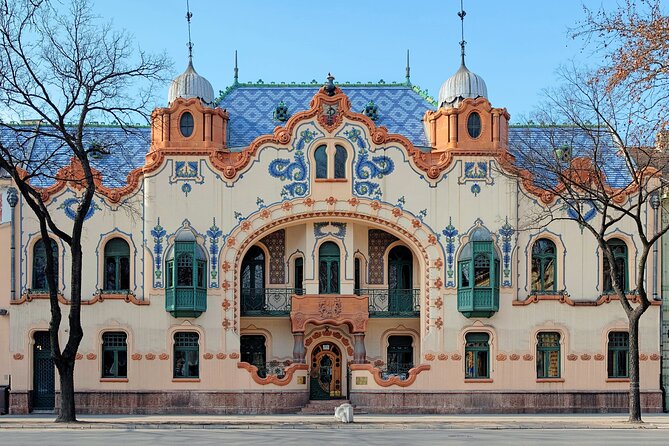
The route continues into Hungary with a stop in Győr, known as the City of Rivers. The center has multicolored houses, churches, and Baroque architecture, making it a good short stop between the larger capitals.
You will see the Town Hall, with its 59-meter tower and green roof, and hear about the Cathedral of the Virgin Mary. The cathedral has Roman-style origins dating to the 11th century. The Győr Synagogue is another notable sight, marked by its large gray dome and Central European design influence.
Baross Gábor Way is the practical place to use your free hour. This pedestrian street has cafés, shops, bars, and restaurants. The supplied plan suggests trying Hungarian food and blueberry beer, but neither is included in the tour price.
Győr is a pleasant day for you if you enjoy architecture and street life more than major-ticket attractions. The visit is light on formal admissions, so your spending here is mainly personal food and drink.
A different side of Vienna on the same trip:
- Vienna: Schönbrunn Palace & Gardens Skip-the-Line Tour
★ 4.7 · 7,739 reviews - Vienna: Light of Creation Votive Church Immersive Light Show
★ 4.8 · 6,779 reviews - Vienna Spanish Riding School Guided Tour
★ 4.7 · 6,765 reviews - Vienna: Classical Concert in the World-Famous Musikverein
★ 4.6 · 6,673 reviews
Day 4: Budapest, Buda Castle, and an evening on your own
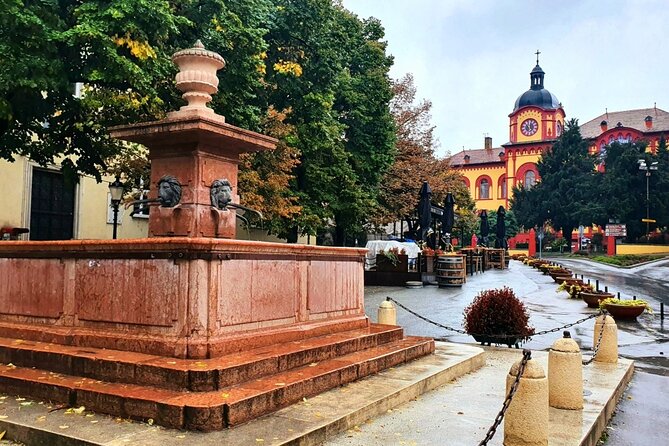
Budapest is the largest city on the route, and the tour gives you a broad introduction in about three hours of daytime sightseeing. You pass St. Stephen’s Basilica, the Opera, Parliament, Heroes’ Square, and Fisherman’s Bastion.
The city’s split personality is central to the experience. Buda rises on one side of the Danube, while Pest spreads across the flatter opposite bank. Bridges and riverside views help you understand the layout quickly.
Buda Castle is the main included admission of the day. It is a UNESCO World Heritage site and one of the city’s defining symbols. From the castle district, you can take in the city from above and connect the monuments with the wider story of the Hungarian capital.
The evening is free, which is a useful design choice. Budapest has enough atmosphere for you to choose your own dinner, walk across a bridge, or simply enjoy the city after the guided portion ends. Dinner, drinks, and evening activities are not included, so budget for them separately.
I would have liked more daytime time in Budapest. The plan gives you the major sights, but not much room for the Parliament interior, thermal baths, museums, or an unhurried meal. If Budapest is your priority, plan to return for a longer stay.
Day 5: Subotica’s Austro-Hungarian character
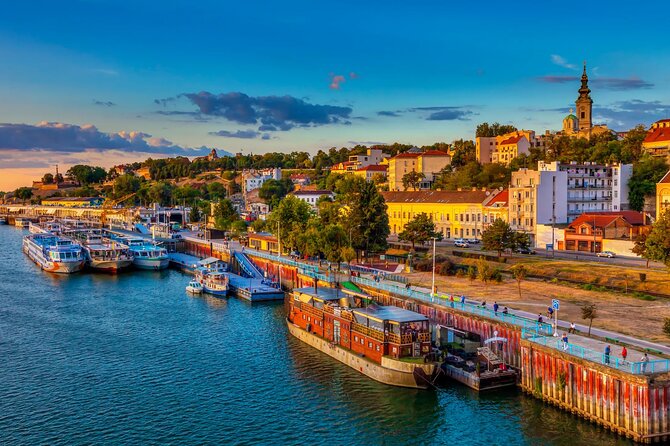
Subotica introduces you to northern Serbia and its mix of cultures. Its colorful buildings and elaborate design reflect the town’s importance during the Austro-Hungarian period.
The City Hall dominates the central square, surrounded by a park, fountains, and open public space. This is a good place to pause and take in the town’s easygoing mood before exploring on your own.
The day also includes the Cathedral of St. Teresa of Avila and the Subotica Synagogue. The synagogue admission is not included, so check whether it is open and what the current fee is if you want to go inside.
You have free time for food and coffee. Subotica is presented as a place for local dishes and regional wine, but the tour does not cover those costs.
The stop is only a few hours, so the value here is in seeing a less familiar Serbian city rather than checking off a long list of attractions. It is a welcome change from capital-city sightseeing.
Day 6: Novi Sad and Petrovaradin Fortress
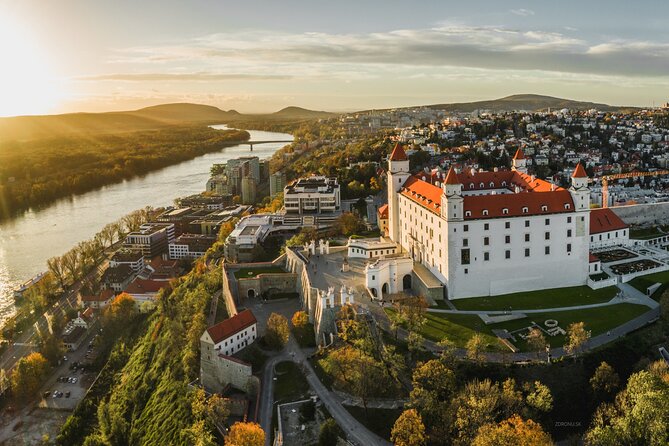
Novi Sad receives a longer visit, about three hours, and it is one of the better-balanced stops on the route. The city is often considered the cultural capital of northern Serbia, and its setting near the former border of the Austro-Hungarian and Ottoman worlds helps explain its mixed architectural character.
The walking route includes the pedestrian streets Zmaj Jovina and Dunavska. These are useful for getting a feel for the center, with time left for your own café stop or short exploration.
Petrovaradin Fortress is the major landmark. It is also called the Gibraltar on the Danube and gives the day a strong visual focus. You spend the night in Novi Sad, which is a practical improvement over rushing onward after the tour.
Because Novi Sad is less overwhelming than Budapest or Belgrade, the three-hour visit should feel more usable. You can walk, listen to the local stories, and still have a little time to explore independently.
Day 7: Sremski Karlovci and Serbian wine country
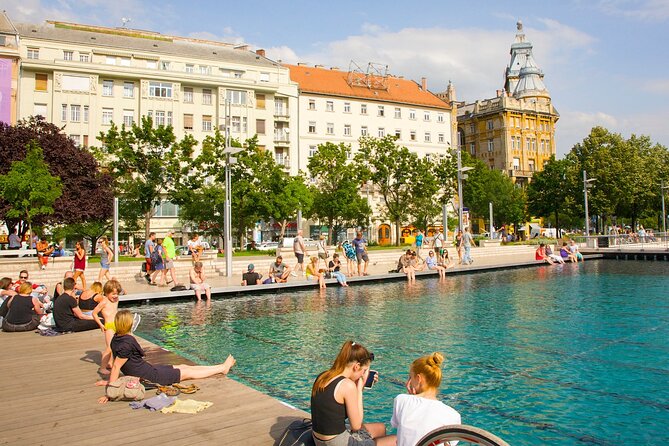
Sremski Karlovci is a small town with a Baroque center and an important place in Serbian cultural and religious life during the 18th century. The town feels compact enough to explore on foot, with buildings and streets that invite a slower look.
Wine is the focus here. The surrounding area is known for vineyards and wine cellars, and you have free time to taste regional wines while taking in the views over the vines. Tastings are not listed as included, so plan to pay separately.
The Four Lions fountain comes with a local legend: drink from it and you will supposedly return to Karlovci and marry there. You can decide how seriously to take the promise, but it gives the town a bit of personality.
Three hours is a fair amount of time for Sremski Karlovci. This is not a stop for major attractions. It is a chance to slow the pace, enjoy a small historic center, and try local wine.
Day 8: Belgrade and a pause beside the Drina
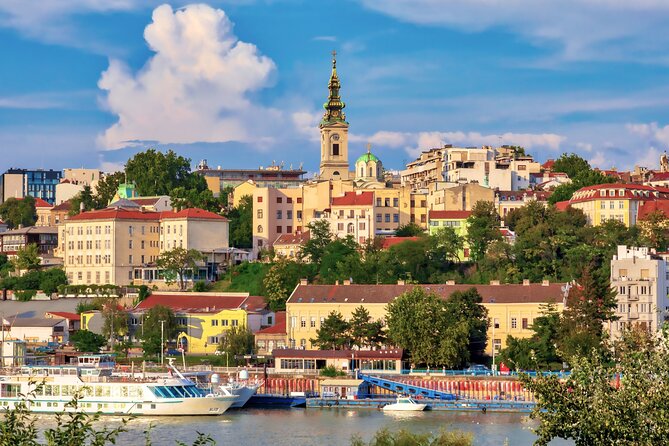
Belgrade begins with the fortress and Kalemegdan Park, located where the Sava and Danube meet. The elevated position gives you a strong first view of the city and explains the site’s long military importance.
The route continues through the Upper Town, including the Pobednik monument, then along Knez Mihailova to Republic Square. This is Belgrade’s central pedestrian and social corridor, and it gives you a quick sense of the capital’s urban energy.
The listed Belgrade visit lasts about an hour, which is short for a city of this size. You will see the essential central route, but you will not have time for a broad museum visit or many neighborhoods.
The next stop is Zvornik in Bosnia and Herzegovina, on the Drina River. You have about an hour for lunch or a walk through town. This break splits up a long transfer day and offers a look at a smaller riverside place rather than another capital.
Day 9: Sarajevo, the Latin Bridge, and Mostar
This is the most historically serious day of the journey. Sarajevo’s Ottoman and Austro-Hungarian quarters sit close together, with mosques, churches, synagogues, markets, and bazaars showing how several communities shaped the city.
The walking route includes uneven ground and areas where bullet holes and cannon marks remain visible. You should wear sturdy shoes and be ready for a city walk that is more physically demanding than the short stops earlier in the trip.
The Latin Bridge is tied to the 1914 assassination that helped trigger the First World War. The bridge itself is modest, but the surrounding story gives the stop real weight.
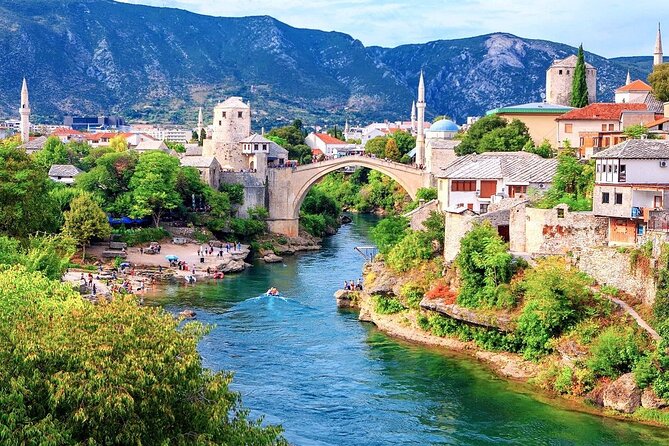
The route then continues to Mostar, where you see the Old Bridge, or Stari Most. The bridge is part of a UNESCO World Heritage site and was built in the 16th century in an Islamic architectural style.
Mostar’s Old Bazaar has cobbled lanes, shops, old mosques, and reminders of the city’s wartime past. Stones marked with Don’t Forget appear around town, a direct reminder that the beauty of Mostar and the pain of its recent history exist side by side.
The concern is time. Sarajevo and Mostar are both major stops, yet the schedule gives each only a limited window. You will see the central sights, but the day may feel full and hurried.
Day 10: The Croatian border and two possible endings
The final day is mainly a transfer. Your tour leader takes you to the Croatian border, where a local driver continues to your hotel in either Dubrovnik or Split.
That handoff is worth confirming in advance. The provided details describe both endpoints, but they do not explain how the destination is selected, how long the transfer takes, or whether the two options have different prices or arrangements.
The benefit is clear: you do not need to organize the final cross-border connection yourself. The limitation is that this is not a sightseeing day, so you should not expect a final Croatian city tour.
What is included, and what will cost extra
The package includes:
- Nine nights of bed-and-breakfast accommodation in three-star hotels
- Nine breakfasts
- Vienna hotel pickup
- Dubrovnik or Split hotel drop-off
- A professional tour leader
- Listed entry tickets
- Tourist taxes and road taxes
- Fuel and international car insurance
You pay for lunches, dinners, drinks, snacks, souvenirs, and personal expenses. The wine stops in Rust and Sremski Karlovci are especially likely to add to your daily budget if you want to taste local products.
The group is limited to 10 people, and a moderate fitness level is required. The Sarajevo walk includes uneven ground, while the broader trip involves repeated hotel changes, road travel, and getting in and out of the vehicle.
The tour can be changed by weather, strikes, bank holidays, temporary site closures, renovations, or other events beyond the operator’s control. Cancellation is non-refundable, except that a full refund or a different date or experience is offered if poor weather or insufficient numbers cause the operator to cancel.
The major detail you must verify
The supplied material contains two different experiences. One description refers to a two-day trip from Tirana to Lake Koman and the Shala River, with a boat crossing, kayaking equipment, and a local bed and breakfast. The day-by-day route, price, pickup point, and included services describe a separate 10-day journey from Vienna to Dubrovnik or Split.
Do not assume the Lake Koman kayaking is part of this Vienna route. Ask Choose Balkans to confirm the exact departure city, endpoint, day-by-day schedule, accommodation plan, and included activities before booking.
The company’s contact responses identify the Choose Balkans team, and one guide named Ani is praised by name in the supplied comments. That suggests you may receive personable local guidance, but the guide assigned to this specific departure is not guaranteed in the information provided.
Should you book this small-group Balkans tour?
Book it if you want a guided first look at a large part of Central Europe and the Balkans, prefer a small vehicle to a big coach, and value having hotels, breakfasts, fuel, and cross-border logistics arranged for you.
Skip it if you want long, relaxed stays in Budapest, Belgrade, Sarajevo, or Mostar. Independent explorers may also find the price high for a schedule that spends so much time on the road.
My advice is simple: confirm the route discrepancy and final destination in writing. If the Vienna to Dubrovnik or Split program is the one you want, this is a useful, ambitious introduction to the region. Just see it as a fast-moving overview, then choose your favorite cities for longer return visits.
FAQ
Where does the tour begin?
The tour begins in Vienna, Austria, with hotel pickup scheduled for 11:00 a.m.
Where does the tour end?
The tour ends with hotel drop-off in either Dubrovnik or Split, Croatia. The exact destination should be confirmed before booking.
How long is the tour?
The journey lasts approximately 10 days.
How large is the group?
The maximum group size is 10 people.
What accommodation is included?
Accommodation and breakfast are provided in three-star hotels. Pricing is based on double, twin, triple, or quadruple room occupancy.
Are meals included?
Nine breakfasts are included. Lunches, dinners, drinks, and snacks are not included.
Is transportation included?
Yes. Hotel pickup in Vienna, fuel, road taxes, international car insurance, and the final transfer to Dubrovnik or Split are included.
What level of fitness is required?
A moderate fitness level is required. The Sarajevo portion includes walking on uneven terrain, including areas with war damage.
Is the tour refundable if I cancel?
No. The experience is non-refundable and cannot be changed for personal cancellation or amendment. If the operator cancels because of poor weather or because the minimum number is not reached, you will be offered a different date or experience, or a full refund.
Just added around Vienna
- Vienna: Johann Strauss 200th birthday anniversary exhibition★ 4.7 · 3 reviews
- Vienna Private Full Day Tour – Tickets to Schönbrunn & Lunch★ 5.0 · 3 reviews
- Private Tour from Vienna to Melk and Dürnstein★ 4.5 · 3 reviews
- Private Salzburg Day Trip from Vienna★ 4.0 · 3 reviews
- Vienna: Entry Ticket Belvedere 21 & Contemporary Art★ 4.3 · 3 reviews
- Full-Day Private Trip from Vienna to Budapest★ 4.5 · 3 reviews
- Vienna by Night: Private Evening Food and Drink Tour★ 5.0 · 3 reviews
- 1.5 Hour Cinematic Style Portrait Photoshoot and Tour in Vienna★ 4.5 · 3 reviews
Tours, compared.
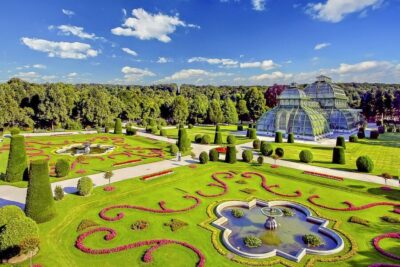
Schönbrunn Palace & Gardens Skip-the-Line Tour
Read our review →
Skip-the-Line Sisi Museum, Hofburg and Gardens Tour
Read our review →
Skip-the-Line Schönbrunn Palace & Gardens Tour
Read our review →
Guided Walking Tour of City Center Highlights
Read our review →
Bus & Schönbrunn Palace Skip-the-Line Guided Tour
Read our review →
Guided Walking Tour of City Highlights & Hidden Gems
Read our review →