Reviewed · TOURS
Vienna: Hop-On Hop-Off Sightseeing Bus Tour in 19 Languages
Vienna’s largest hop-on hop-off network gives you a useful first look at the city without forcing you into a fixed group tour. You can circle the grand Ringstrasse, ride out to Schönbrunn Palace, cross toward the Prater and Danube, or spend a summer afternoon in the hills around Grinzing.
I like the four-route coverage, which reaches places that are too far apart for a comfortable walk. I also like the clear audio commentary, free Wi-Fi, and frequent buses on the main routes. The main caution is timing: most buses stop running by late afternoon, and a one-day ticket can feel short if you try to get off at several major sights.
In This Review
- Key points to know before you board
- Why the bus works well in Vienna
- The Red Route and Vienna’s grand Ringstrasse
- The Yellow Route to Schönbrunn and Belvedere
- The Blue Route from Hundertwasser to the Danube
- The Green Route to Grinzing and Cobenzl
- What the audio guide adds
- Timing, comfort, and practical use
- Is $41 good value?
- Who should book this Vienna bus pass?
- FAQ
- How long can I use the Vienna hop-on hop-off ticket?
- How many bus routes are included?
- Which route goes to Schönbrunn Palace?
- Which route goes to the Prater and Danube district?
- What languages are available for the audio guide?
- Is Wi-Fi available on the buses?
- Are attraction entrance fees included?
Key points to know before you board
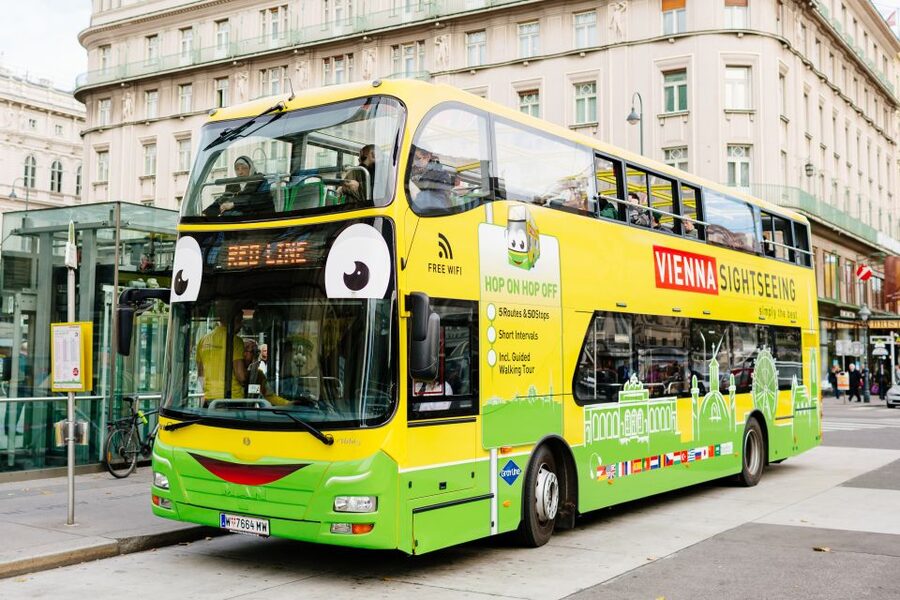
- The Red Route circles central Vienna: See the State Opera, Hofburg, Parliament, Burgtheater, City Hall, Votiv Church, and the Ringstrasse in about 60 minutes.
- The Yellow Route reaches the palaces: Ride to Schönbrunn and Belvedere, with the State Opera to Schönbrunn taking about 35 minutes.
- The Blue Route covers the widest area: It connects central Vienna with the Hundertwasser museum, Giant Ferris Wheel, Danube Tower, UNO City, Danube Island, and Praterstern.
- The Green Route is seasonal: It runs to Grinzing and Cobenzl, but only during the summer months and only with 24, 48, or 72-hour tickets.
- The audio guide supports 19 languages: English, German, Spanish, French, Italian, Portuguese, Dutch, Romanian, Czech, Hungarian, Turkish, Greek, Russian, Japanese, Chinese, Serbian, Korean, Polish, and Arabic.
- A self-guided walking app is included: Pick up headphones and a map, then follow a QuietVox route past the State Opera, Beethoven Statue, House of Music, and Beethoven Museum.
Why the bus works well in Vienna
Vienna is easy to explore on foot in the central district, but its major sights are spread out. Schönbrunn lies well beyond the Ringstrasse, Belvedere is south of the center, and the Prater and Danube district pull you in the opposite direction.
That is where this bus pass earns its keep. You can use it as sightseeing transport rather than simply sitting through one long circuit. Ride the Red Route for an introduction, get off at the Hofburg or Museum of Art History, then use the Yellow Route for the palace district later in the day.
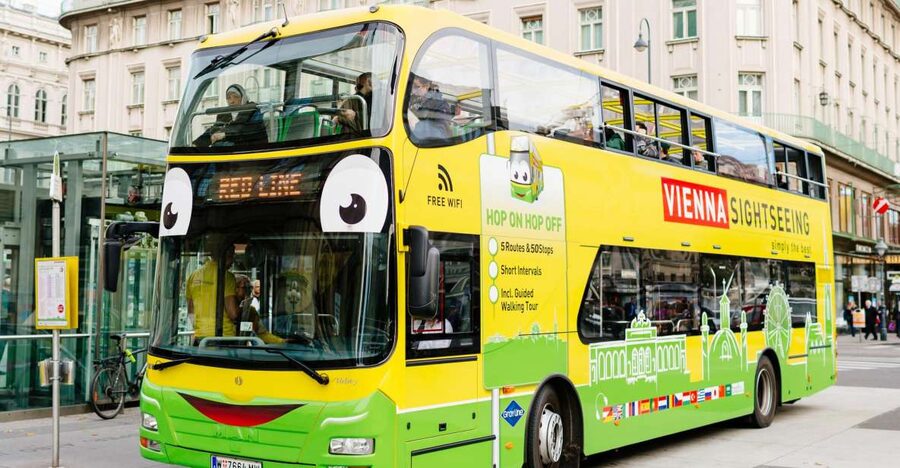
The buses are marked with Vienna Sightseeing Tours signs, and you can board at any stop on the Red, Yellow, Blue, or Green routes. The State Opera is the most useful transfer point because several lines meet there. Vienna Central Station is another practical starting point, especially if you have just arrived by train.
I would not treat this as a replacement for Vienna’s public transport. The bus follows sightseeing routes, not the fastest route between two ordinary neighborhoods. But for a first day, it lets you see the city while giving you a running introduction to the buildings outside your window.
Other Vienna tours people book alongside this one:
- Vienna: Vivaldi’s Four Seasons Concert in Karlskirche
★ 4.7 · 14,951 reviews - Vienna: Spanish Riding School Training
★ 3.9 · 9,281 reviews - Vienna: Skip-the-cashier-desk-line Giant Ferris Wheel Ride
★ 4.5 · 7,859 reviews
The Red Route and Vienna’s grand Ringstrasse
The Red Route is the best place to begin. Its full circuit takes about an hour, and buses arrive roughly every 30 minutes between 9:30 a.m. and 5:30 p.m.
The route follows sections of the Ringstrasse, Vienna’s grand boulevard of imperial buildings. From the State Opera, you pass the Hofburg area, the Museum of Art History, Heldenplatz, the Parliament, Burgtheater, City Hall, and the University.
The State Opera is a natural starting point. It sits at the center of several sightseeing routes and makes an easy landmark for finding your bus. From here, the audio commentary helps you place the buildings around the Ring rather than seeing them as a blur of grand facades.
Get off near the Museum of Art History and Heldenplatz if you want to explore Vienna’s imperial center. The Kunsthistorisches Museum has major art collections, while Heldenplatz opens toward the Hofburg complex. Entrance tickets are not included, so use the bus to decide which museums deserve your time before paying to go inside.
The Burgtheater and City Hall make another useful stop. The Burgtheater is one of Europe’s important German-language theaters, while the Rathaus adds another impressive view along the Ring. The University and Votiv Church continue the architectural tour, and the stop near the Sigmund Freud Museum gives you a reason to explore beyond the most famous imperial sights.
The Red Route is compact and central, but it is not the line for Schönbrunn or the Danube. Ride it for orientation, then get off when a building catches your eye. If you stay on for the full circuit, listen for the stop announcements so you can plan a second pass.
The Yellow Route to Schönbrunn and Belvedere
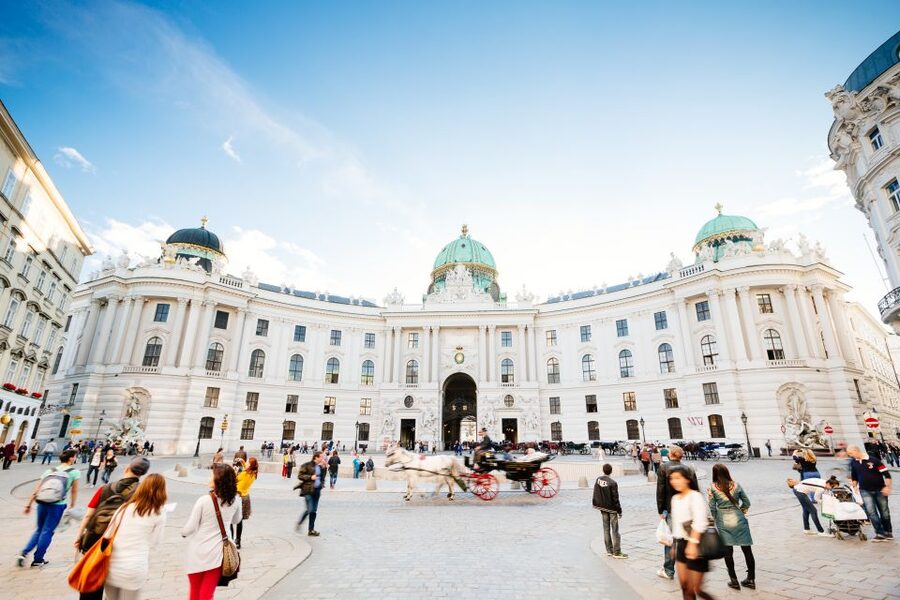
The Yellow Route is the palace route. It runs every 20 to 25 minutes, with a complete circuit taking about 90 minutes. Service is listed from about 9:15 a.m. to 5:15 p.m.
From the State Opera, the bus heads toward Westbahnhof and then Schönbrunn Palace. The ride from the opera to Schönbrunn takes around 35 minutes, so allow time if you have a timed palace visit or another plan later in the day.
Schönbrunn deserves a proper stop, not just a photograph through the bus window. The former imperial residence has extensive grounds, and the palace itself requires a separate entrance ticket. You can use the bus to reach the complex, then spend as much of your own time there as your ticket and schedule allow.
One useful detail comes from the practical experience of using this route: a mini tram may operate around the Schönbrunn gardens, depending on the service available. That can help if you want to see more of the grounds without walking the entire way, though you should not build your whole schedule around it.
The Yellow Route then serves Vienna Central Station, the Museum of Contemporary Art, Belvedere Palace, and Lower Belvedere before returning to the State Opera. Belvedere offers a different kind of palace visit from Schönbrunn. It is especially useful for art lovers, since the palace complex is tied to major collections rather than only royal rooms.
This route is the one most likely to test your patience if you try to see every stop in a single day. Schönbrunn alone can take several hours, and adding Belvedere and a central museum leaves little room for leisurely street exploration. I would choose one palace for a focused visit, then use the bus to see the other from the outside unless you have a 48 or 72-hour pass.
The Blue Route from Hundertwasser to the Danube
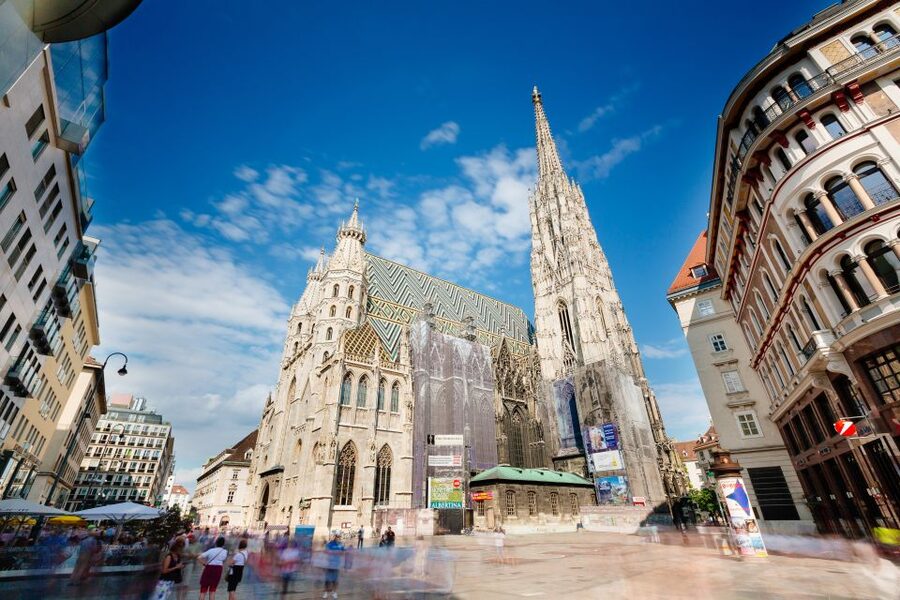
The Blue Route is the longest and most varied line. Its full trip takes about two hours, and buses arrive approximately every 20 minutes between 9:30 a.m. and 5 p.m.
It begins around the MAK Museum of Applied Arts and City Park, passes the Strauss Monument and State Opera, then follows much of the central sightseeing circuit. This makes it handy for changing from the Red Route to the eastern side of town without returning to ordinary city transport.
The first distinctive stop is Kunst Haus Wien, associated with Friedensreich Hundertwasser. The building itself is worth seeing for its unusual design, and the museum offers a different side of Vienna from the imperial collections around the Ring.
From there, the route moves toward the Giant Ferris Wheel and the Prater area. The Prater is one of Vienna’s best-known recreation districts, and the Ferris wheel is a city landmark. If you get off here, leave enough time to explore rather than treating it as a quick photo stop.
The Blue Route continues toward the Danube Tower, Old Danube, UNO City, and Danube Island. This is a useful contrast to central Vienna. The architecture becomes more modern, the setting opens up, and the route shows how much of the city lies beyond the historic center.
The final section serves Praterstern, the Museum of Crime, Taborstrasse, and the DDSG city cruise area before returning toward the MAK. The line can feel long if you only want central landmarks, but it is valuable when you want a broad look at Vienna in one ride.
I would reserve the Blue Route for a morning or afternoon when you can accept a slower pace. Its frequent buses help, but the route covers enough ground that traffic and stop times can affect your schedule.
A different side of Vienna on the same trip:
- Vienna: Schönbrunn Palace & Gardens Skip-the-Line Tour
★ 4.7 · 7,739 reviews - Vienna: Light of Creation Votive Church Immersive Light Show
★ 4.8 · 6,779 reviews - Vienna Spanish Riding School Guided Tour
★ 4.7 · 6,765 reviews - Vienna: Classical Concert in the World-Famous Musikverein
★ 4.6 · 6,673 reviews
The Green Route to Grinzing and Cobenzl
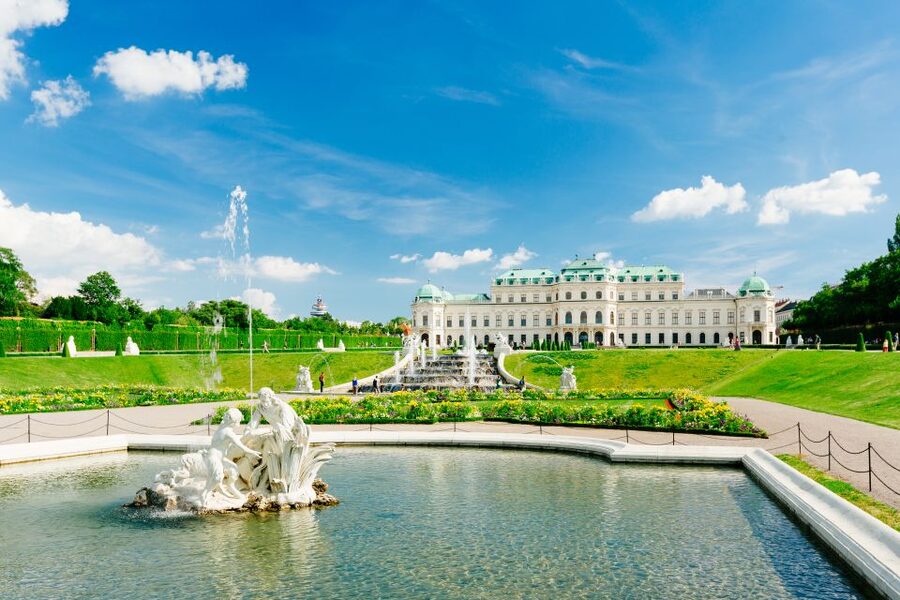
The Green Route is the scenic bonus line. It operates only in the summer months and is included with 24, 48, or 72-hour tickets. Buses run about every 60 minutes from roughly 10:45 a.m. to 4 p.m., with a complete ride taking about an hour.
It heads toward Grinzing and Cobenzl, areas known for views over Vienna and the surrounding countryside. The route gives you a break from museums, palaces, and formal boulevards.
The tradeoff is frequency. With only one bus per hour, missing a departure can cost you a large part of the afternoon. Check the schedule before getting off, especially at Cobenzl, where getting back to the central routes may require ordinary public transport if the next bus does not fit your plans.
I would choose the Green Route for a clear summer day, not as a must-do in every itinerary. It adds something genuinely different, but it requires more careful planning than the Red or Blue lines.
What the audio guide adds
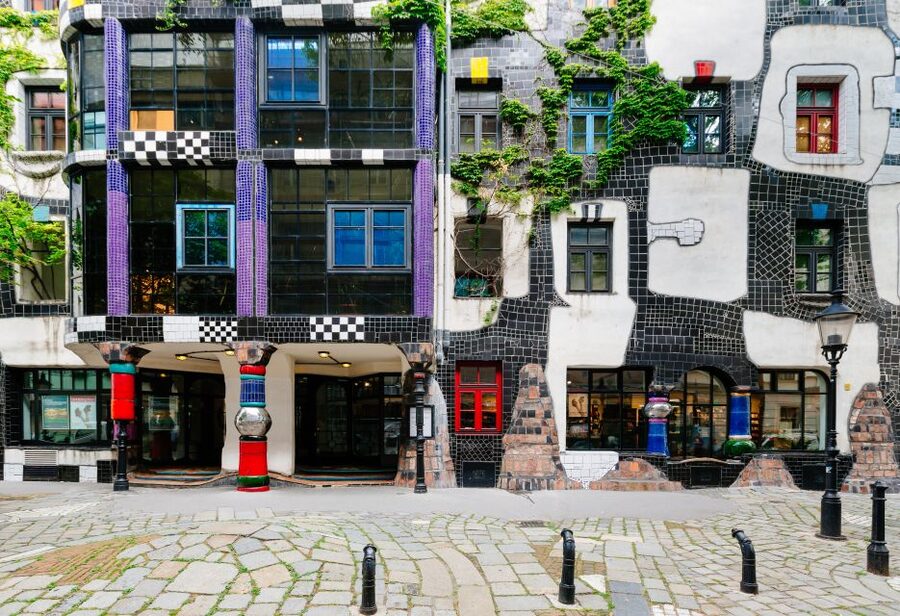
The recorded commentary is one of the strongest parts of the ride. You choose from 19 languages, including Polish, Korean, and Serbian, and there is also a children’s commentary channel in German and English.
The narration covers the buildings and districts as they appear, with stop announcements to help you get off at the right place. That matters on the Ringstrasse, where several grand buildings can look similar if you do not know what you are passing.
Classical music is included between sections of historical narration. The result is calmer than a nonstop spoken lecture, and the audio gives you enough context to decide where you want to spend more time.
You should still use the commentary as an introduction, not a substitute for visiting the museums and palaces. It tells you what you are seeing, but entrance fees are separate and the bus does not provide a guided visit inside each attraction.
The included QuietVox walking app adds another layer. Pick up headphones and a map at the local partner service center, then follow a self-guided route through central Vienna. The route includes the State Opera, Beethoven Statue, Vienna Concert House, House of Music, and Beethoven Museum.
This walking option is useful because a bus tour can leave you seeing Vienna only from the road. Get off, walk a few blocks, and let the city’s smaller details fill in what the bus cannot show.
Timing, comfort, and practical use
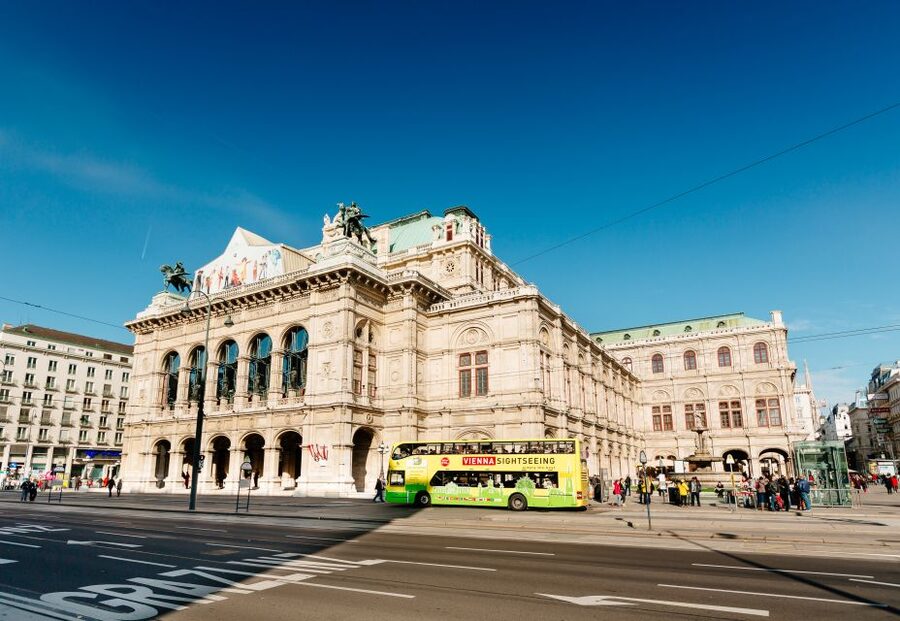
The buses offer free Wi-Fi, and the fleet is described as clean and comfortable. Some buses have windows that can be adjusted for changing weather, with covered areas available when conditions turn wet or windy.
The main routes are frequent enough to make hopping off practical. The Yellow Route runs every 20 to 25 minutes, the Blue Route about every 20 minutes, and the Red Route about every 30 minutes. The Green Route is the exception, with hourly service.
Service generally ends between 5 and 5:30 p.m., depending on the line. This is important because Vienna’s evenings can extend well beyond the bus schedule. Use the sightseeing pass during daylight, then switch to dinner, museums, or ordinary public transport later.
A 24-hour ticket does not simply mean one calendar day. If you board at 10:30 a.m., you may be able to use it the following morning until around 10:30 a.m., subject to the route operating hours. That makes an afternoon start more useful than the label first suggests.
The 48 or 72-hour options are better if you want to visit interiors. One day can cover the main circuits, but it becomes rushed once you add Schönbrunn, Belvedere, museums, and walking time. A longer pass lets you use one route each day and return to central sights without treating every stop like a timed mission.
Is $41 good value?
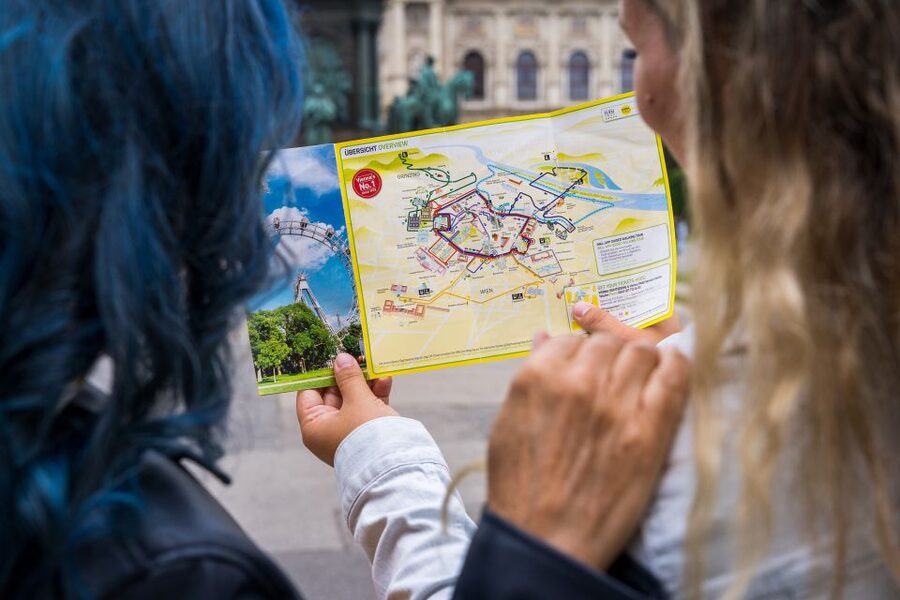
At about $41 per person, this is not the cheapest way to move around Vienna. A regular public transport pass may cost less if your only goal is getting from one address to another.
The value comes from combining transport, route planning, and commentary. You can reach Schönbrunn, Belvedere, Prater, the Ringstrasse, and the Danube district without working out each connection yourself. The audio guide also turns the ride into a city introduction rather than a silent transfer.
I find the pass strongest for a first visit, a short stay, or a day when you want to see the city before choosing which sights deserve admission fees. Families and solo visitors may also appreciate the easy format, since you can pause for photos, meals, or a museum and continue at your own pace.
The value drops if you plan to spend most of the day inside one palace or museum. It also drops if you expect late evening transport or want to move quickly between non-tourist neighborhoods.
Who should book this Vienna bus pass?
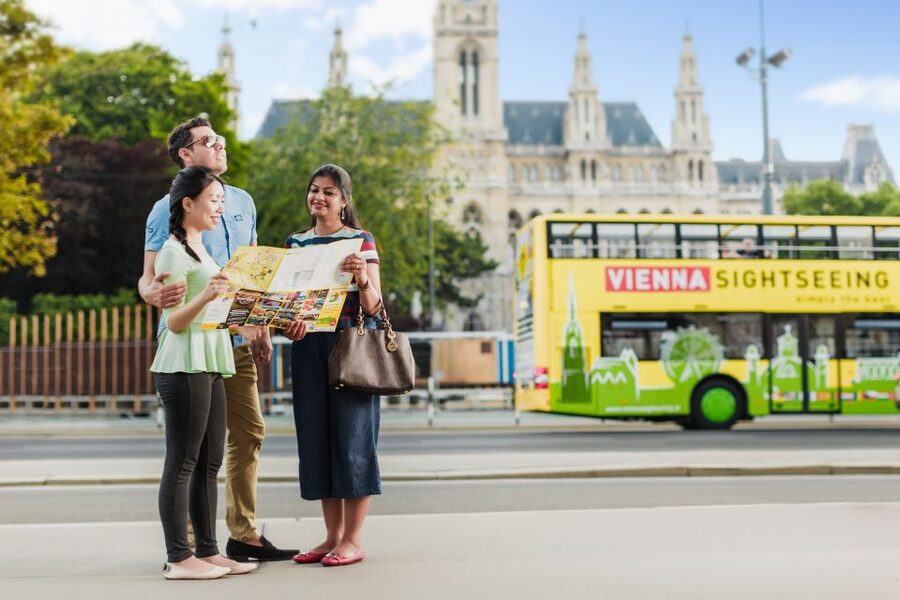
I recommend it most for first-time visitors, short stays, families, and anyone who wants a broad view without a demanding walking day. It is also useful if you arrive at Vienna Central Station and want to begin sightseeing quickly.
A 24-hour ticket works for a well-planned overview. Choose 48 or 72 hours if you want to combine several palace and museum visits with the bus routes. The Green Route makes the longer tickets more appealing in summer.
If you already know Vienna well, prefer public transport, or plan to explore mainly on foot, you may not use enough of the pass to justify the price. For everyone else, start with the Red Route, use the Yellow Route for one palace, and save the Blue Route for the Prater and Danube side of the city.
Free cancellation is available up to 24 hours before the activity, and you can reserve now and pay later. Smoking and pets are not allowed, though assistance dogs are permitted.
FAQ
How long can I use the Vienna hop-on hop-off ticket?
You can choose a 24-hour, 48-hour, or 72-hour ticket. The ticket is valid for the duration selected when booking.
How many bus routes are included?
The ticket provides access to up to four routes: Red, Yellow, Blue, and Green. The Green Route operates only during the summer months and is included with 24, 48, and 72-hour tickets.
Which route goes to Schönbrunn Palace?
The Yellow Route goes to Schönbrunn Palace. The ride from the State Opera to Schönbrunn takes about 35 minutes.
Which route goes to the Prater and Danube district?
The Blue Route serves the Giant Ferris Wheel, Praterstern, Danube Tower, Old Danube, UNO City, Danube Island, and nearby stops.
What languages are available for the audio guide?
Audio commentary is available in German, English, Italian, French, Spanish, Portuguese, Dutch, Romanian, Czech, Hungarian, Turkish, Greek, Russian, Japanese, Chinese, Serbian, Korean, Polish, and Arabic.
Is Wi-Fi available on the buses?
Yes. Free Wi-Fi is available on all buses.
Are attraction entrance fees included?
No. The bus ticket does not include admission to Schönbrunn Palace, Belvedere Palace, museums, or other attractions.
Just added around Vienna
- Private Tour from Vienna to Melk and Dürnstein★ 4.5 · 3 reviews
- Vienna: Johann Strauss 200th birthday anniversary exhibition★ 4.7 · 3 reviews
- Vienna Private Full Day Tour – Tickets to Schönbrunn & Lunch★ 5.0 · 3 reviews
- Private Salzburg Day Trip from Vienna★ 4.0 · 3 reviews
- Vienna: Entry Ticket Belvedere 21 & Contemporary Art★ 4.3 · 3 reviews
- Full-Day Private Trip from Vienna to Budapest★ 4.5 · 3 reviews
- Vienna by Night: Private Evening Food and Drink Tour★ 5.0 · 3 reviews
- 1.5 Hour Cinematic Style Portrait Photoshoot and Tour in Vienna★ 4.5 · 3 reviews
Tours, compared.
Schönbrunn Palace & Gardens Skip-the-Line Tour
Read our review →
Skip-the-Line Sisi Museum, Hofburg and Gardens Tour
Read our review →
Skip-the-Line Schönbrunn Palace & Gardens Tour
Read our review →
Guided Walking Tour of City Center Highlights
Read our review →
Bus & Schönbrunn Palace Skip-the-Line Guided Tour
Read our review →
Guided Walking Tour of City Highlights & Hidden Gems
Read our review →