Reviewed · TICKETS
Vienna: Ticket to the Weltmuseum
The most striking part of Vienna’s Weltmuseum is the contrast between its grand imperial setting and the far-reaching cultures represented inside. You can see the famous Mexican feather decoration called the Penacho, objects connected with James Cook, and treasures collected by the Habsburgs over roughly 500 years. I especially like the Penacho and the museum’s listed pillar hall, which gives the visit a strong sense of place.
I also like that this is an unguided ticket, so you can give one room five minutes or spend hours with it. The main drawback is scale: the museum is large, and the $18 admission may feel high if you only want to see one famous object or make a very short visit.
In This Review
- Key points at a glance
- Entering the Weltmuseum in the Neue Burg
- The Penacho and the problem of one famous object
- Habsburg treasures and Rudolf II’s Kunstkammerstücke
- James Cook’s collection brings travel into the galleries
- Why the pillar hall deserves its own time
- How long should you spend inside?
- Is the $18 ticket good value?
- Who will enjoy this museum most?
- Practical details before you go
- Should you book the Weltmuseum ticket?
- FAQ
- Where is the Weltmuseum in Vienna?
- What does the ticket include?
- How long is the ticket valid?
- Does the ticket include a guided tour?
- Can I see the Mexican Penacho?
- Does the museum have a James Cook collection?
- What other collections are in the museum?
- Can I visit the pillar hall?
- Is there a café?
- Is the museum wheelchair accessible?
Key points at a glance
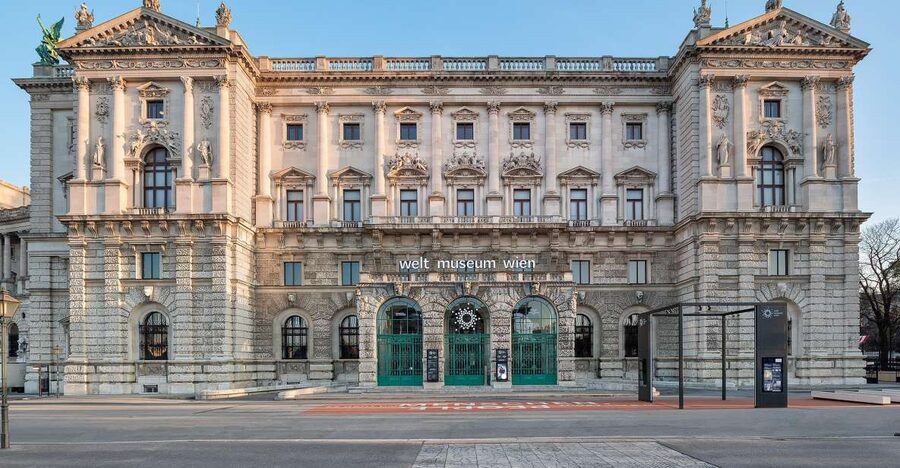
- See the Mexican Penacho: The antique feather decoration is the museum’s most famous single object and a clear reason to come.
- Explore 500 years of Habsburg collecting: The displays connect imperial collecting with cultures outside Europe.
- Find James Cook’s collection: The 19th-century material adds an unusual maritime and exploratory angle.
- Visit the Neue Burg pillar hall: This listed hall is both an architectural highlight and a public gathering space.
- Set your own pace: The ticket is valid for one day, with no fixed tour schedule or guide-led route.
- Plan for a substantial museum visit: The galleries are large enough that a detailed visit could take several hours.
Entering the Weltmuseum in the Neue Burg
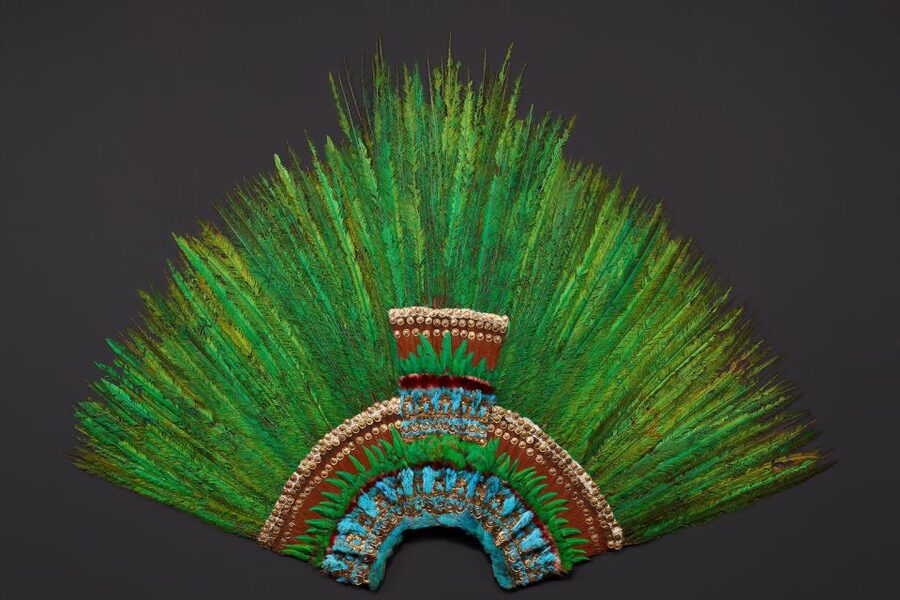
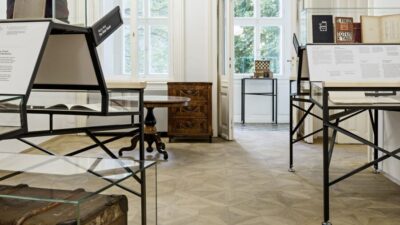
The Weltmuseum occupies part of the Neue Burg on Heldenplatz, at the address Neue Burg, 1010 Vienna. That location matters. You are not walking into a plain modern gallery. The museum forms part of Vienna’s grand Hofburg complex, so the building itself begins the story before you reach the collections.
Your admission is for the Weltmuseum, and you can use it during the museum’s available opening period on the day you choose. The activity is not a guided tour, and no guide name or scheduled commentary is included. That gives you freedom, but it also means you should arrive with a rough plan if you want to make the most of a large museum.
I would begin with the building and the main orientation areas rather than rushing straight to the Penacho. The displays cover objects, photographs, and books connected with non-European cultures, and the subjects can shift quickly from imperial collecting to art, travel, religion, daily life, and exploration.
The museum is wheelchair accessible, which makes the grand setting more practical than it may first appear. Still, the amount of material can be tiring, so you will get more from the visit if you treat it as a major cultural stop rather than a quick box to tick.
A few more Vienna tours worth weighing up
- Vienna: Classic Ensemble Vienna in St. Peter’s Church Ticket
★ 4.7 · 4,819 reviews - Vienna Kunsthistorisches Museum Day Admission Ticket
★ 4.6 · 3,690 reviews - Vienna: Tickets for Mozarthaus Vienna with Audio Guide
★ 4.2 · 2,344 reviews
The Penacho and the problem of one famous object
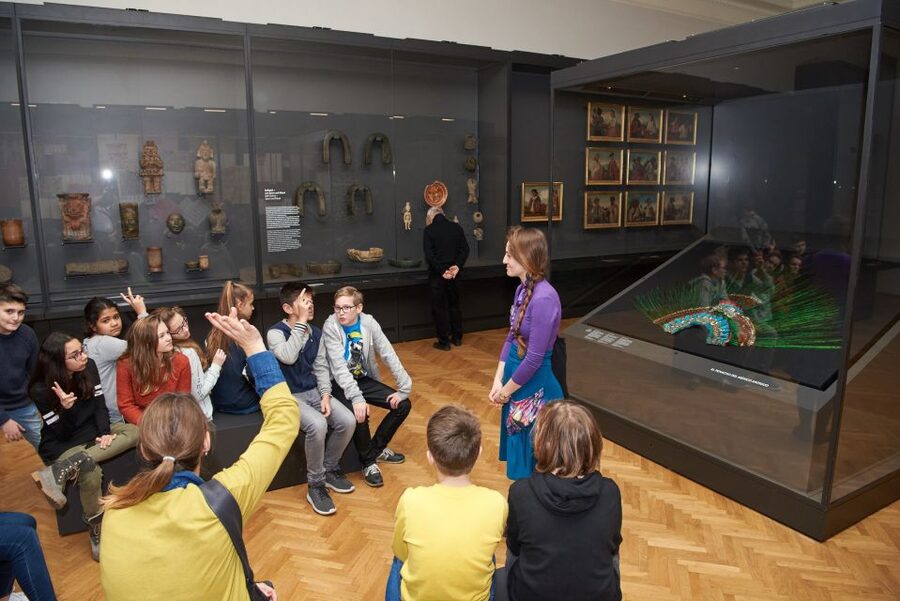
For many people, the Mexican Penacho is the main reason to buy this ticket. It is an antique feather decoration associated with Mexico and widely known as the Penacho of Moctezuma. The object has a powerful visual presence, but it also deserves more than a hurried photograph and a quick move to the next room.
I would allow time to look at its materials, design, and display setting. A visit centered on the Penacho can be worthwhile even if you have limited time in Vienna, especially if Mexican and Indigenous American culture is an important interest for you.
At the same time, this is not a museum built around only one object. The Penacho is the headline attraction, yet the surrounding material gives it a wider setting. You can compare it with objects from other parts of the world and think about how European royal collections gathered, classified, and displayed cultural material.
That wider context is useful, but it can also raise questions. The museum’s collections grew through Habsburg collecting over about five centuries, so the displays are tied to imperial power and European ideas about the wider world. You should expect an institution that presents objects of great beauty while also reflecting the complicated past of collecting outside Europe.
Habsburg treasures and Rudolf II’s Kunstkammerstücke
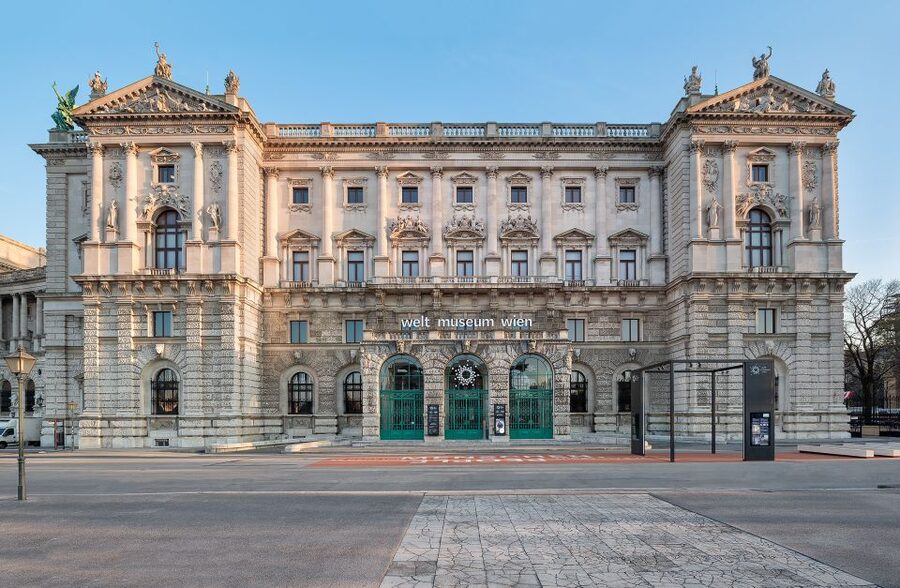
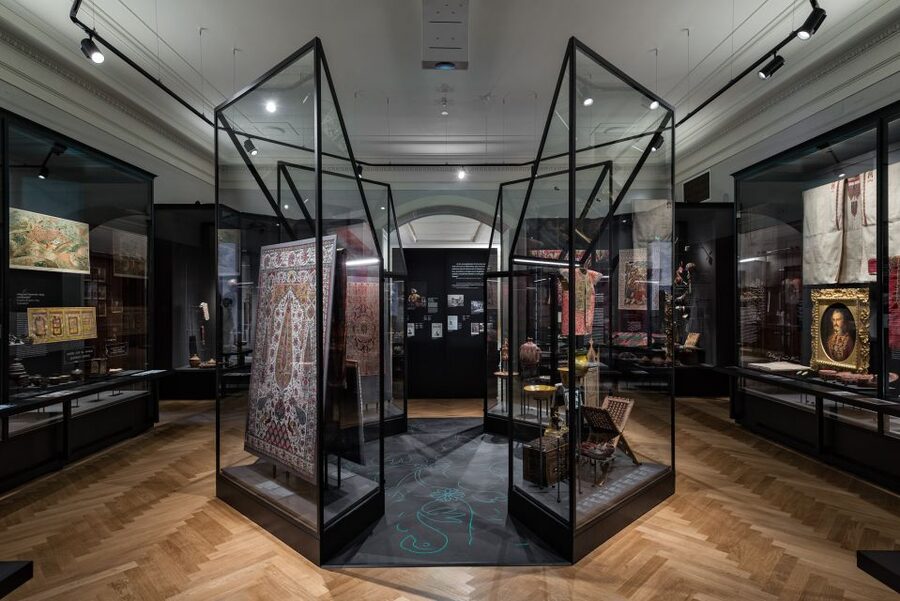
The Habsburg connection is one of the museum’s main threads. Objects collected over 500 years give the galleries a long time span, from the interests of emperors and court collectors to later efforts to study non-European cultures through objects, photographs, and books.
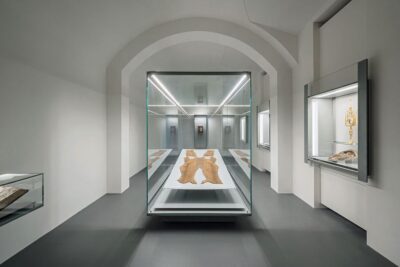
The Kunstkammerstücke associated with Emperor Rudolf II are especially important for understanding the courtly side of the collection. These pieces belong to the tradition of princely cabinets of art and curiosities, where unusual, rare, or finely made objects were gathered for study and display.
You do not need to be an expert in Habsburg history to appreciate this section. Look for the basic pattern: rulers collected objects to show taste, power, curiosity, and access to distant places. The museum lets you see how those interests shaped what survived and what later became part of a public institution.
I like this part because it prevents the visit from becoming a simple parade of attractive objects. You are also seeing the collecting habits of a major European dynasty. That makes the museum more useful for anyone interested in Vienna’s political and cultural past, not just world art.
James Cook’s collection brings travel into the galleries
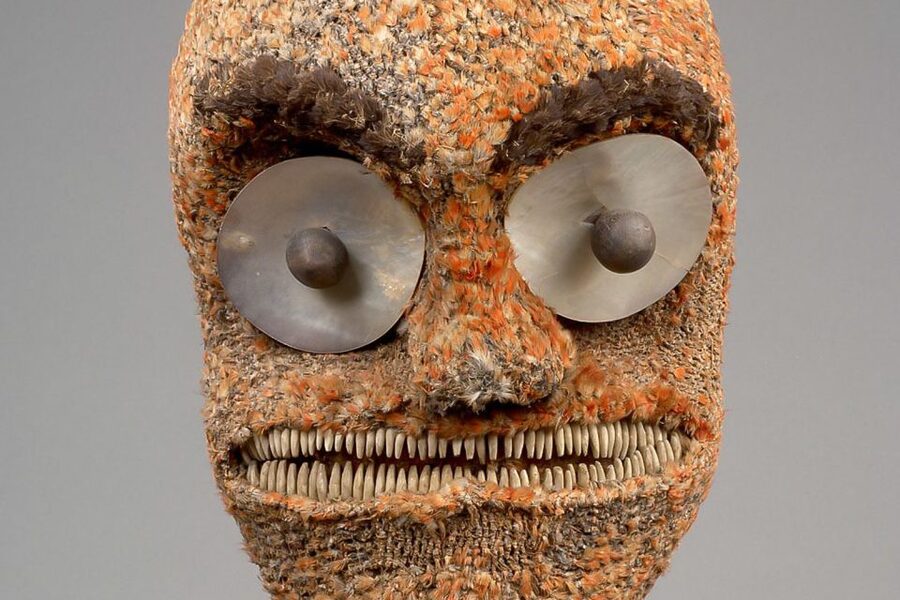
The collection associated with the well-known sailor James Cook adds another strong focus. It comes from the 19th century and brings exploration, seafaring, and encounters between Europe and other parts of the world into the museum.
This section can change the mood of your visit. Instead of looking only at court treasures, you begin to consider how objects moved through voyages and contact. The Cook material helps explain how distant cultures entered European collections, and why museums became places where those encounters were preserved and interpreted.
I would not treat this as a separate maritime museum hidden inside the Weltmuseum. It is one strand within a much larger group of displays. Its value comes from the connection between travel, collecting, and the ways Europeans recorded the world beyond their own borders.
If you have limited time, the Penacho and Cook collection make a sensible pair. One offers a single famous object with major cultural weight. The other gives you a broader look at exploration and collecting. Together, they provide a focused visit without requiring you to examine every gallery in detail.
A different side of Vienna on the same trip:
- Vienna: Vivaldi’s Four Seasons Concert in Karlskirche
★ 4.7 · 14,951 reviews - Vienna: Spanish Riding School Training
★ 3.9 · 9,281 reviews - Vienna: Skip-the-cashier-desk-line Giant Ferris Wheel Ride
★ 4.5 · 7,859 reviews - Vienna: Schönbrunn Palace & Gardens Skip-the-Line Tour
★ 4.7 · 7,739 reviews
Why the pillar hall deserves its own time
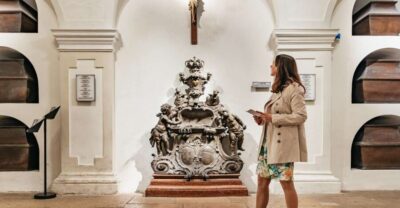
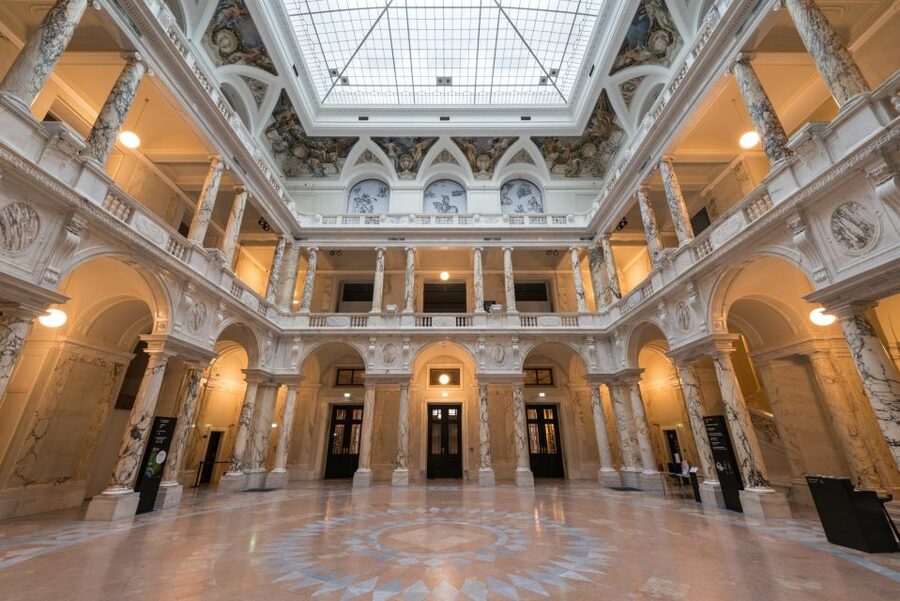
The listed pillar hall is the architectural heart of the museum. Its scale and formal design provide a sharp contrast to the objects in the cases, and it is one of the easiest features to miss if you concentrate only on the collections.
Make time to look up, take in the columns, and notice how the hall functions as part of the museum rather than just a passageway. It is open to the public and is also used for museum events and customer events, so it has a life beyond the display rooms.
The hall is also linked with the museum café. A small coffee break here gives you a chance to rest while still experiencing the architecture. That pause is practical, especially if you have been reading labels and moving through rooms for several hours.
I like this feature because it makes the visit feel less like a series of enclosed galleries. The hall gives you room to reset. In a city full of imperial interiors, it also shows how an old ceremonial space can be used as part of a modern public museum.
How long should you spend inside?
The ticket is valid for one day, but that does not mean you need an entire day. Your ideal visit depends on how closely you read labels and how many sections interest you.
For a quick visit, plan around the Penacho, the pillar hall, the Rudolf II material, and the James Cook collection. That gives you the museum’s main landmarks and a useful sense of its purpose.
If you enjoy ethnographic museums, historical photography, books, and objects from non-European cultures, you may want several hours. One German-language review describes the museum as large enough to occupy days if you inspect every room closely. That is a useful warning: do not schedule it between two tightly timed attractions and expect to see everything.
The museum’s size is both its strength and its weakness. You get more range than at a small specialist collection, but you must make choices. I would rather see four sections carefully than race through every room and remember only the Penacho.
A coffee break in the museum café can divide the visit into two manageable parts. You could begin with the most famous objects, pause in the pillar hall, then return to less familiar collections with fresh attention.
Is the $18 ticket good value?
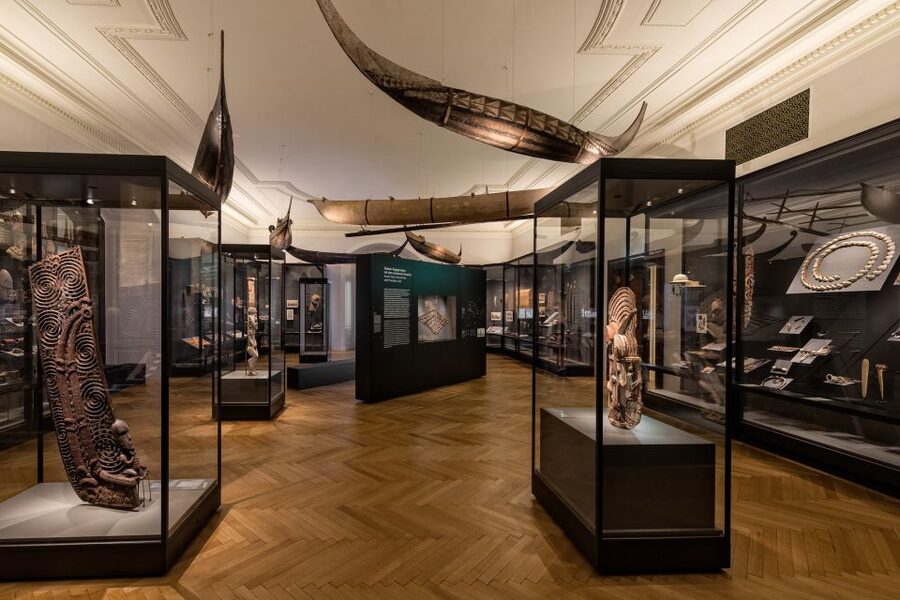
At $18 per person, the Weltmuseum is not a throwaway museum stop. You should consider how much time you can give it and whether its subjects match your interests.
The price makes better sense if you want a substantial museum visit focused on cultures outside Europe, imperial collecting, historical photographs, books, and architecture. It is also stronger value if you plan to spend several hours inside rather than making a brief stop for the Penacho alone.
The ticket includes admission to the Weltmuseum. It does not describe a guided tour, special workshop, meal, or transport, so you are paying for access to the museum and its permanent displays. The café is a useful extra stop, but you should expect to pay separately for anything you order there.
The museum can also work well on a rainy or cold Vienna day. You get culture, architecture, and a quiet place to spend time without crossing the city between each subject. For a visitor who likes museums but has a limited budget, compare this admission with your other planned sights before booking.
The main value question is simple: do you want breadth? If yes, the museum gives you a great deal to examine. If you want a small, tightly focused display centered only on Mexico or James Cook, the price may feel less attractive.
Who will enjoy this museum most?
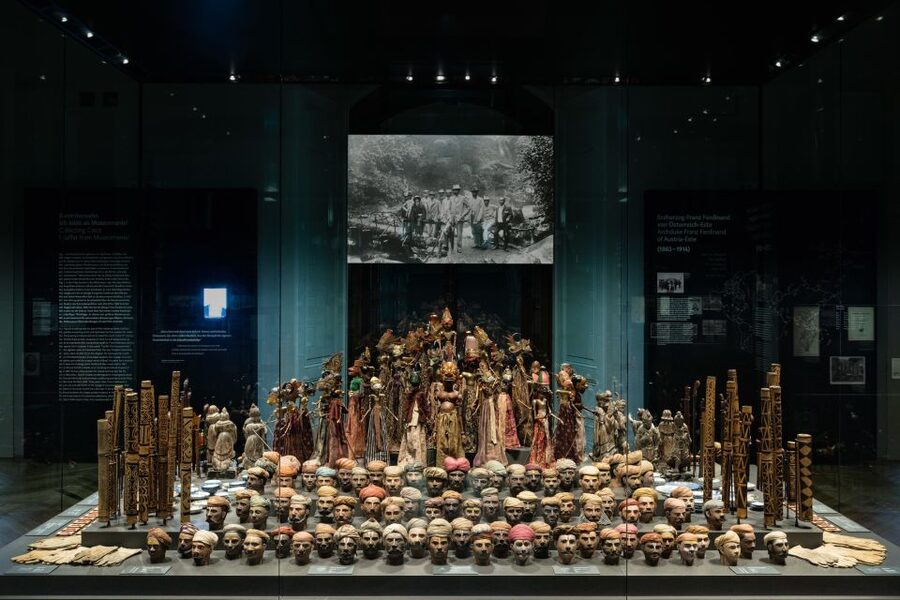
I would recommend the Weltmuseum to you if you enjoy objects with a story about travel, collecting, and cultural contact. It is a good match for anyone interested in Mexico, the Habsburgs, imperial Vienna, ethnographic collections, or the history of museums.
It also suits independent visitors. Since the ticket does not include a named guide or fixed route, you can move at your own speed and choose the displays that matter most to you.
Families with older children may find the Penacho and Cook material useful starting points, although the museum’s size and the amount of reading may be less appealing to very young children. The listed hall and café provide a natural break when attention begins to fade.
Art and architecture fans should not overlook the building. Even if you do not spend hours with every object, the Neue Burg setting and pillar hall give you a worthwhile architectural experience.
I would be more cautious about recommending it to someone with only 30 minutes in Vienna. In that case, the museum’s scale works against you. You might see the main highlight, but you would miss much of what makes the institution worth the admission.
Practical details before you go
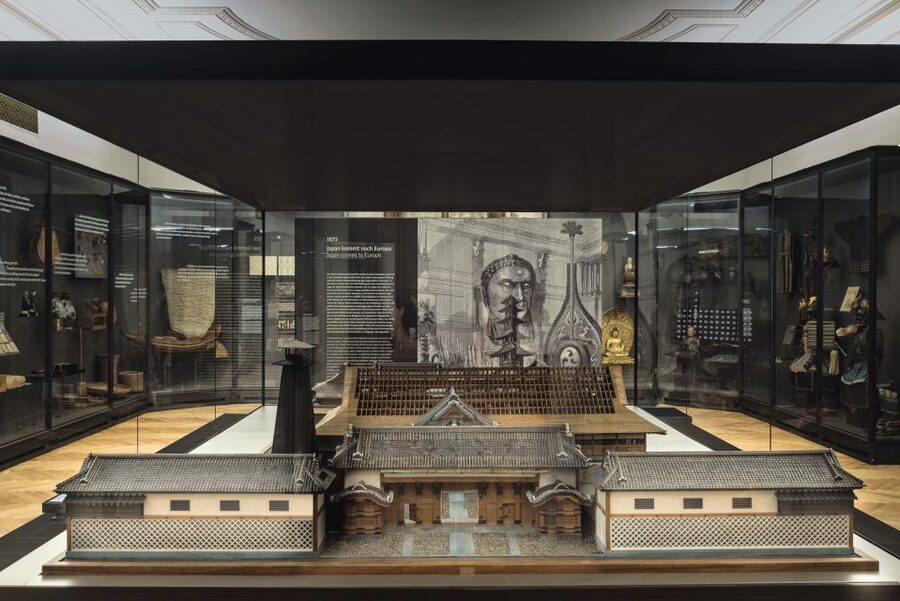
The meeting point is Heldenplatz, Neue Burg, 1010 Vienna. Check the available starting times and opening information for your chosen date, since the ticket is valid for one day rather than tied to a continuous multi-day period.
The experience is wheelchair accessible. That is important in a historic building, where the visual setting can suggest difficult access even when the public facilities are prepared for wheelchair users.
You can cancel up to 24 hours in advance for a full refund. The reserve-now-and-pay-later option also gives you some flexibility if your Vienna plans are still changing.
No transport is included, and no guided service is described. You should think of this as a self-directed museum admission. That is ideal if you dislike being hurried, but you may want to read the museum information in advance and choose your priority sections.
The overall rating is 4.7 from 363 bookings, and the strongest praise centers on the building, the large amount of culture and history, the Penacho, and the chance to spend serious time with the displays. The one recurring caution worth taking seriously is the price for a museum visit that can feel expensive if you stay only briefly.
Should you book the Weltmuseum ticket?
Book it if you want a large, thoughtful museum in a landmark Vienna setting, especially if the Penacho, James Cook, Habsburg collecting, or non-European cultures interest you. Give yourself several hours, and plan a coffee pause in the pillar hall.
Skip it if your schedule is packed, your only goal is a quick look at one object, or you prefer small museums with a short, tightly edited route. At $18, the ticket rewards time and curiosity.
For most independent museumgoers, I think the Weltmuseum is a worthwhile addition to a Vienna itinerary. Go with two or three priorities, then allow yourself to wander a little. That balance lets you see the famous pieces without missing the less obvious material that gives the museum its character.
FAQ
Where is the Weltmuseum in Vienna?
The meeting point is Heldenplatz, Neue Burg, 1010 Vienna.
What does the ticket include?
The ticket includes admission to the Weltmuseum in Vienna.
How long is the ticket valid?
The ticket is valid for one day.
Does the ticket include a guided tour?
No guided tour is specified. The experience is admission to the museum, allowing you to explore at your own pace.
Can I see the Mexican Penacho?
Yes. The museum displays the antique Mexican feather decoration known as the Penacho.
Does the museum have a James Cook collection?
Yes. You can see a well-known collection associated with James Cook from the 19th century.
What other collections are in the museum?
The museum includes ethnographic objects, historical photographs, and books about non-European cultures. It also presents Habsburg collections and Kunstkammerstücke associated with Emperor Rudolf II.
Can I visit the pillar hall?
Yes. The listed pillar hall is open to the public and forms the heart of the museum.
Is there a café?
Yes. The museum has a café where you can take a small coffee break and view the pillar hall.
Is the museum wheelchair accessible?
Yes. The activity is listed as wheelchair accessible.
Just added around Vienna
- Private Tour from Vienna to Melk and Dürnstein★ 4.5 · 3 reviews
- Vienna: Johann Strauss 200th birthday anniversary exhibition★ 4.7 · 3 reviews
- Vienna Private Full Day Tour – Tickets to Schönbrunn & Lunch★ 5.0 · 3 reviews
- Private Salzburg Day Trip from Vienna★ 4.0 · 3 reviews
- Vienna: Entry Ticket Belvedere 21 & Contemporary Art★ 4.3 · 3 reviews
- Full-Day Private Trip from Vienna to Budapest★ 4.5 · 3 reviews
- Vienna by Night: Private Evening Food and Drink Tour★ 5.0 · 3 reviews
- 1.5 Hour Cinematic Style Portrait Photoshoot and Tour in Vienna★ 4.5 · 3 reviews
Tickets, compared.
Classic Ensemble Vienna in St. Peter’s Church Ticket
Read our review →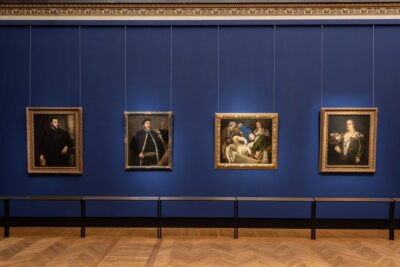
Vienna Kunsthistorisches Museum Day Admission Ticket
Read our review →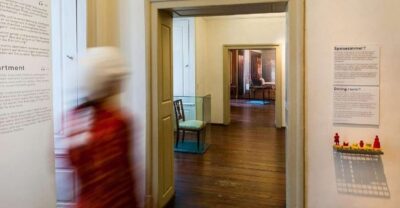
Tickets for Mozarthaus Vienna with Audio Guide
Read our review →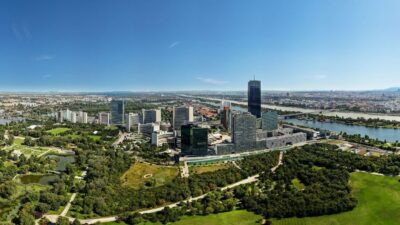
Skip-the-Line Entrance Ticket to the Danube Tower
Read our review →
St. Stephen’s Cathedral & Dom Museum Wien Tickets
Read our review →