Reviewed · TICKETS
Vienna: Underground WWII Bunker Ticket and Guided Tour
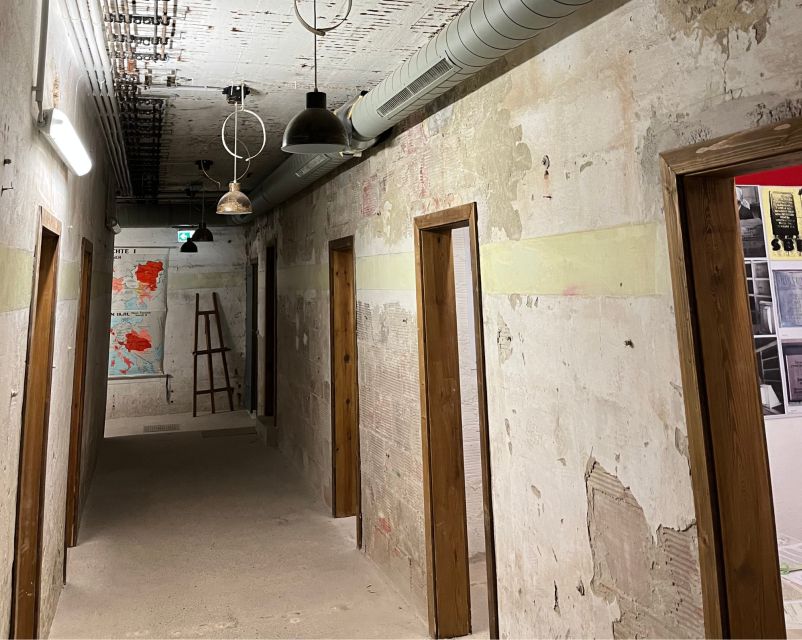
Vienna’s past is not only found in grand palaces and art museums. Beneath the city, this former World War II air-raid shelter offers a close, physical look at how civilians tried to survive bombing raids. You enter through an undisclosed site linked to the Museum of Liberation of Vienna 1945-1955, then follow a guide through a bunker that is not normally open to the public.
I like two things here. First, you get to see the shelter itself, not just photographs or displays behind glass. Second, the guide connects the bunker to larger events, including Austria’s annexation, wartime life, and the hard work of rebuilding Vienna. The main consideration is language: the tour is conducted in German, and one guide has been praised for personal anecdotes while another was described as less organized in his explanations.
In This Review
- Key points to know before you book
- Starting at the Museum of Liberation of Vienna
- Going underground into a hidden air-raid shelter
- What the artifacts reveal about daily life
- Linking the bunker to Austria’s wartime past
- A 90-minute visit with a serious mood
- Is $35 a fair price in Vienna?
- Who will get the most from this tour
- Handling the meeting point and tour conditions
- My verdict on the Vienna WWII bunker tour
- FAQ
- How long does the Vienna WWII bunker tour last?
- Where do I meet the guide?
- What language is the tour conducted in?
- Is entry to the museum included?
- Are cameras allowed?
- Is the tour accessible for people with mobility impairments?
- Can I cancel the booking?
Key points to know before you book
- A real underground shelter: You walk through a preserved WWII bunker rather than a standard museum gallery.
- Personal wartime stories: The guide shares anecdotes linked to people who lived through the period.
- Candlelit atmosphere: The bunker may be presented with candle lighting, adding mood while you consider the fear and uncertainty of shelter life.
- Museum entry included: Your ticket covers the Museum of Liberation of Vienna 1945-1955 as well as the guided visit.
- German only: The live tour guide speaks German, so plan accordingly if you do not understand the language.
- Not suitable for every visitor: The route is not barrier-free, and comfortable shoes are essential.
Starting at the Museum of Liberation of Vienna
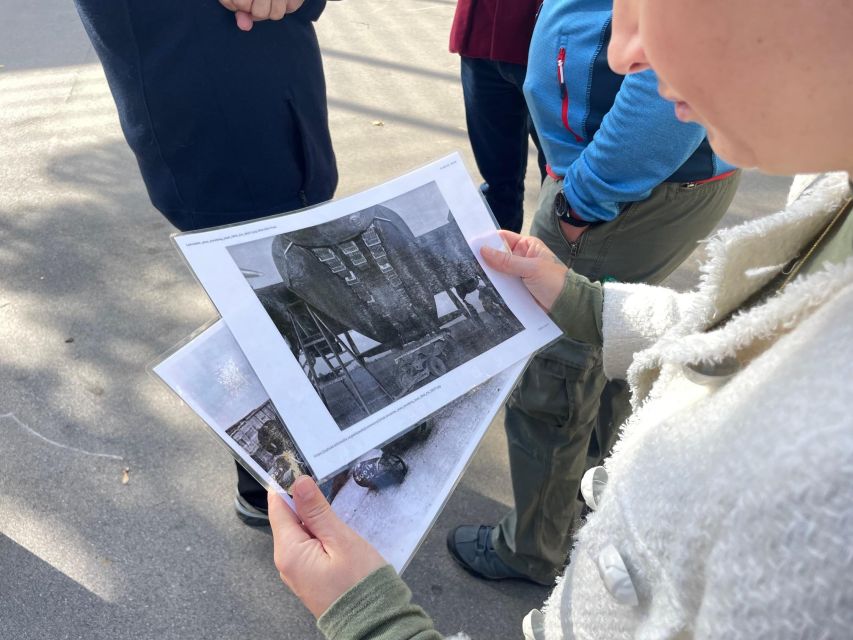
You meet your guide in front of the entrance to the Museum of Liberation of Vienna 1945-1955. This meeting point matters because the bunker entrance itself is described as difficult to find, with little or no helpful sign outside. Arrive with enough time to identify the museum before the tour begins.
The museum entry fee is included, giving you a useful starting point for understanding the period. The museum’s 1945-1955 focus places the bunker visit in a wider story of Vienna after the war, including liberation, occupation, and reconstruction. The underground shelter then adds the civilian side of that story.
The access point is intentionally discreet. That is part of the appeal, but it also means you should not expect a large tour sign or obvious street entrance. Keep the meeting instructions handy and ask for help at the museum if you are unsure where to wait.
A few more Vienna tours worth weighing up
- Vienna: Classic Ensemble Vienna in St. Peter’s Church Ticket
★ 4.7 · 4,819 reviews - Vienna Kunsthistorisches Museum Day Admission Ticket
★ 4.6 · 3,690 reviews - Vienna: Tickets for Mozarthaus Vienna with Audio Guide
★ 4.2 · 2,344 reviews
Going underground into a hidden air-raid shelter
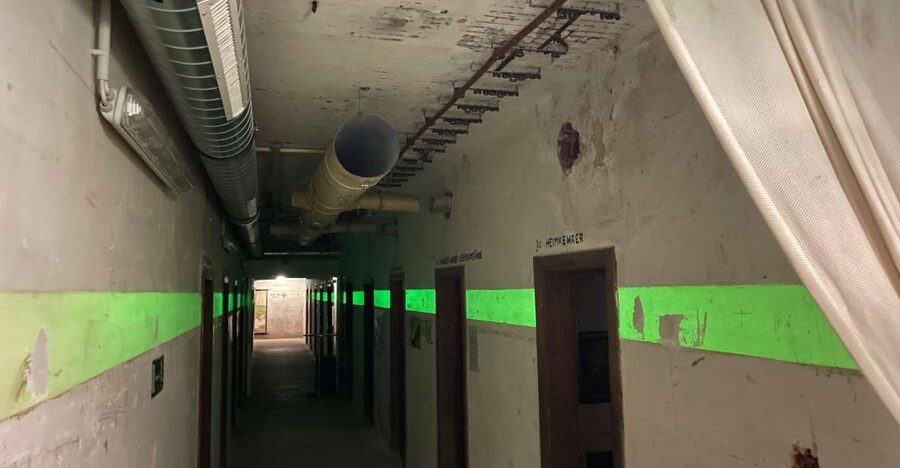
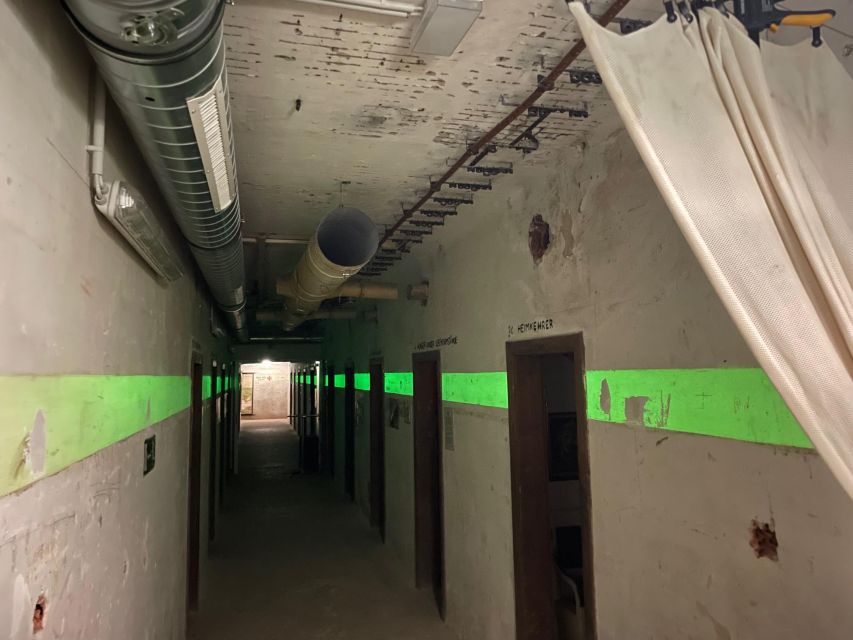
From the museum, your guide leads you down into a former air-raid shelter. This is the strongest part of the experience. A bunker makes wartime history physical: you see the confined setting where people sought protection, rather than simply hearing a timeline in a bright exhibition room.
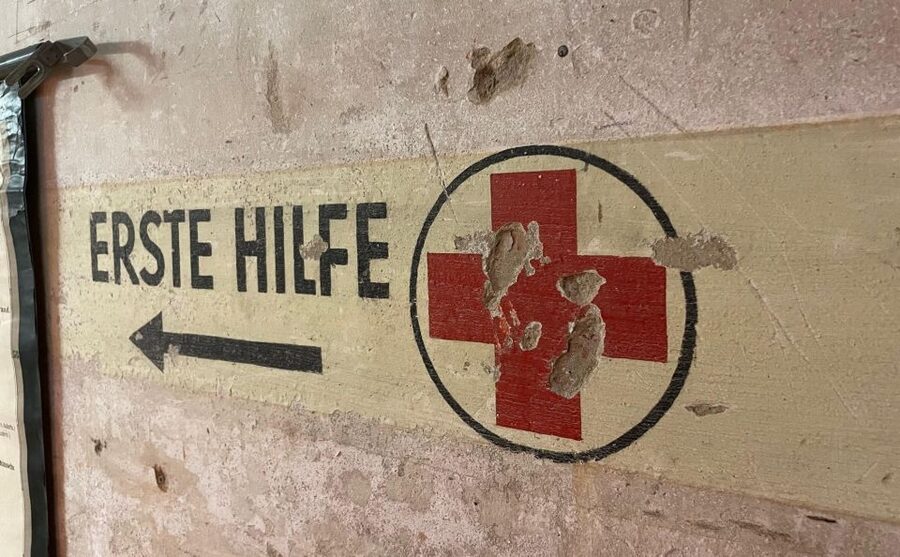
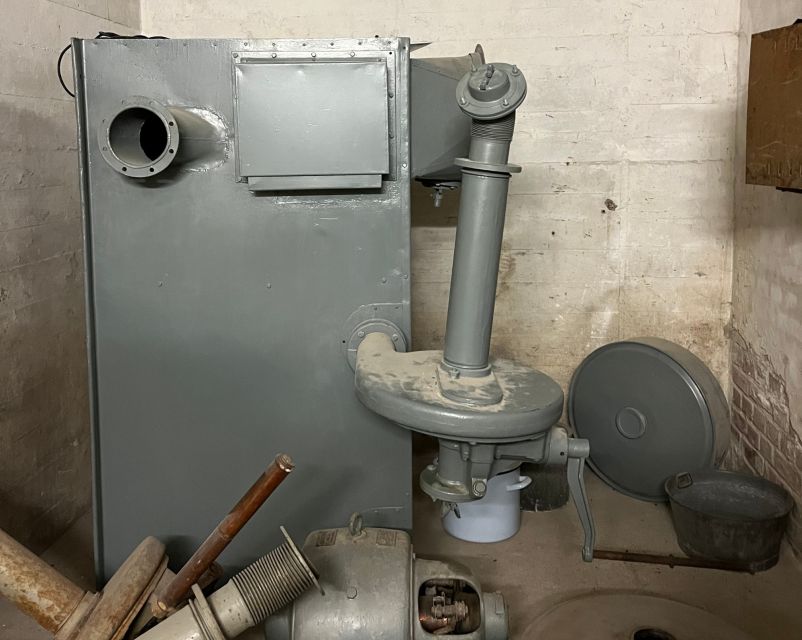
The shelter is described as well preserved and normally unavailable to the public. You can expect an underground route through the bunker’s spaces, with the guide explaining its design and purpose. The architecture shows how the city responded to allied bombing raids and the need to move civilians into protected areas.
The experience is not built around entertainment. Its impact comes from the plain fact of being below ground and imagining people waiting there for danger to pass. The setting can feel solemn, especially when candle lighting is used. That atmosphere has received strong praise, though it may not suit someone looking for a light or fast-paced city activity.
You should wear shoes that feel secure on an older underground route. The tour is not barrier-free and is not suitable for people with mobility impairments. The information also advises against booking for people over 95, so consider the physical demands before paying.
What the artifacts reveal about daily life
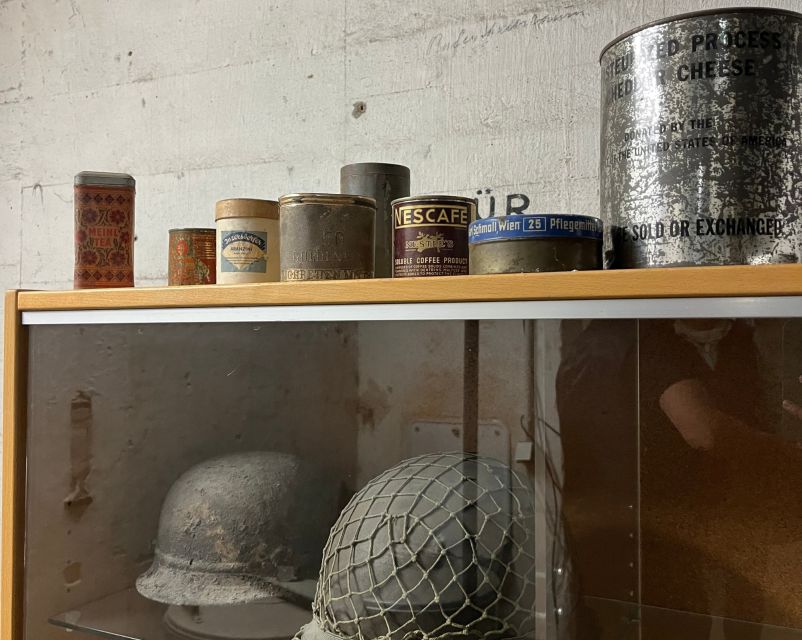
The guide points out historical artifacts and objects connected with the shelter and the wartime period. These details help turn a large subject into something easier to understand. You are not only learning that Vienna faced bombing. You are looking at objects linked to the practical reality of finding safety and getting through an uncertain day.
The available information does not give a complete item-by-item inventory, so you should not expect a fixed list of displays. Instead, the value comes from seeing what remains in place and hearing the guide explain its use and meaning. Well-preserved objects can show the difference between official plans for protection and the everyday experience of civilians crowded into a shelter.
The guide also shares stories and anecdotes connected to people who experienced the era. One German-speaking guide was especially praised for passing along stories heard from people of that generation. Those accounts can add a human scale that dates and political terms cannot provide on their own.
At the same time, the quality of the explanation depends heavily on the guide leading your group. The most positive feedback describes clear explanations and interesting personal stories. One less favorable account found the guide friendly but disorganized, with explanations that wandered and sometimes lost their place. That is worth keeping in mind if you want a tightly structured history lecture.
Linking the bunker to Austria’s wartime past
The tour does more than explain shelter construction. It places the bunker within Austria’s political and social upheaval during World War II. Your guide discusses the effects of the annexation and the challenges that followed the war, including reconstruction.
That broader context is important. A shelter can easily become a narrow military story about bombs, walls, and emergency planning. Here, the stated focus includes the changes imposed on Austrian society and the difficult period that followed. You get a clearer sense of how ordinary life was shaped by political decisions far beyond the bunker itself.
The 1945-1955 museum setting also helps frame the aftermath. Vienna did not simply return to normal when the fighting stopped. The city faced rebuilding and political change, and the museum’s theme connects the bunker’s wartime story with the years that came after.
You will get the most from this part if you already have a basic interest in European history. The guide speaks German, and the tour’s full meaning depends on following spoken explanations about political and social events. If you do not understand German, the shelter may still be visually striking, but the central educational benefit will be limited.
A different side of Vienna on the same trip:
- Vienna: Vivaldi’s Four Seasons Concert in Karlskirche
★ 4.7 · 14,951 reviews - Vienna: Spanish Riding School Training
★ 3.9 · 9,281 reviews - Vienna: Skip-the-cashier-desk-line Giant Ferris Wheel Ride
★ 4.5 · 7,859 reviews - Vienna: Schönbrunn Palace & Gardens Skip-the-Line Tour
★ 4.7 · 7,739 reviews
A 90-minute visit with a serious mood
The tour lasts 90 minutes. That is long enough to give the bunker proper attention without taking over an entire day in Vienna. I would place it between major city sights, especially if you want a quieter historical experience after spending time in busy central areas.
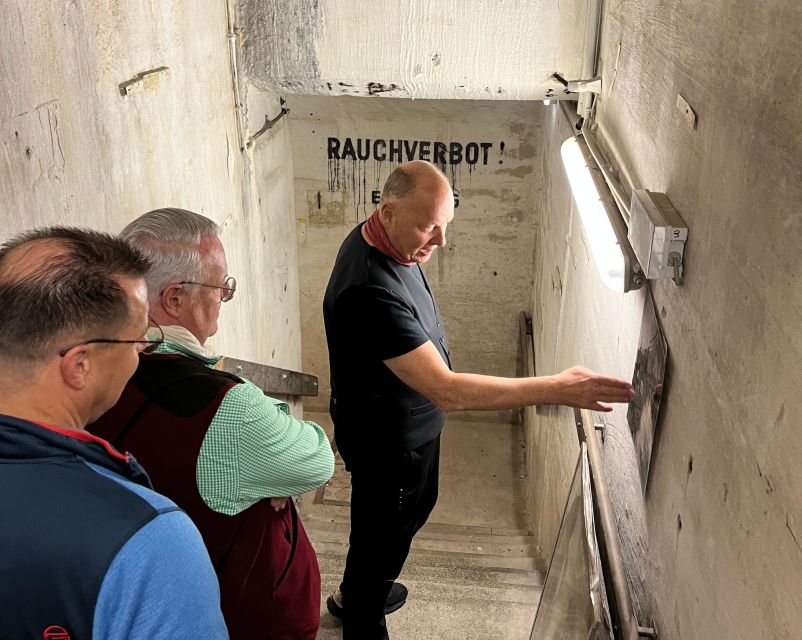
The pace is guided rather than self-directed. You follow the guide through the underground spaces, stop to examine objects, and listen to explanations about wartime Vienna. Since the bunker is not publicly accessible, you cannot simply wander through it at your own speed.
The candlelit presentation can make the visit feel more authentic and reflective. It also means you should expect a darker, more subdued setting than the museum above ground. This is a place to listen and think, not rush around taking pictures.
Cameras are not allowed. That rule may disappoint anyone hoping to document the bunker, but it keeps the visit focused on the place and the guide’s account. You should plan to leave your camera equipment behind and rely on memory rather than photographs.
Is $35 a fair price in Vienna?
At $35 per person, the cost is reasonable if you value access to a site you cannot visit independently. The price includes the guided tour and entry to the Museum of Liberation of Vienna 1945-1955, so you are paying for two connected parts of the experience rather than only a short walk through a bunker.
The value depends on your interests. If you enjoy military history, twentieth-century politics, or unusual museums, the private access and preserved setting make the ticket easier to justify. You are getting a guided explanation, historical objects, and a physical site that is not part of the usual Vienna sightseeing circuit.
If you are mainly interested in imperial Vienna, classical music, or art, the bunker may feel less essential. It does not offer grand interiors or famous masterpieces. Its reward is a serious look at civilian life during a destructive period, presented in an enclosed underground space.
Because food and drinks are not included, plan this as a stand-alone 90-minute activity. That is not a major issue in Vienna, where you can easily arrange a meal before or after, but the tour itself is not a combined food and history outing.
Who will get the most from this tour
I would recommend this experience to you if you want to see a less polished, less familiar side of Vienna. It suits people who like local museums, wartime sites, political history, and guided storytelling. The underground setting is also a good choice if you have already visited the city’s better-known palaces and want something with a different mood.
It works especially well for visitors who can follow German. The guide’s anecdotes and explanations are central, not optional extras. A German-speaking guide can explain the artifacts, connect the bunker to wider events, and give meaning to spaces that might otherwise seem plain.
You should think twice if you dislike confined spaces, cannot manage stairs or uneven access, or want to take photographs. The route is not barrier-free, cameras are forbidden, and the subject matter is grave. The tour takes place rain or shine, so poor weather will not cancel the underground visit.
Families and younger visitors may find the bunker memorable, but the material is serious and the tour is not presented as a playful attraction. Anyone with mobility concerns should choose a different activity. The age guidance specifically excludes people over 95, and the lack of barrier-free access is the more important practical warning for most people.
Handling the meeting point and tour conditions
The meeting point is in front of the museum entrance. Since the bunker location is undisclosed, you should not try to find the underground site on your own. Use the museum as your anchor and arrive ready to meet the guide there.
The tour runs in all weather. Rain will not matter much once you are underground, but you still need to reach the meeting point outdoors. Comfortable shoes are the only specific item requested, and they are sensible for any older bunker route.
The booking terms offer useful flexibility. You can cancel up to 24 hours before the start for a full refund, and you can reserve now and pay later. Check the available starting times for your date, since the 90-minute duration alone does not indicate when the tour operates.
The overall rating is 4.4 from 79 ratings, which fits the experience’s strengths and limits. The bunker, atmosphere, artifacts, and historical subject earn strong approval. The main variable is the guide’s delivery, with clear, engaging storytelling on some tours and less orderly explanations on another.
My verdict on the Vienna WWII bunker tour
Book this tour if you want a small, serious look at wartime Vienna and you are comfortable with German-language guiding. The preserved shelter, underground setting, museum admission, and personal anecdotes give the $35 ticket a fair value.
I would not book it simply because you have one spare hour in Vienna. The subject is heavy, the route is not accessible to everyone, and the guide’s clarity may vary. But if the city’s twentieth-century past interests you, this offers a direct way to picture civilian life during air raids and understand how annexation, war, liberation, and reconstruction affected Vienna.
Arrive early at the museum, wear comfortable shoes, leave your camera behind, and expect a quiet, candlelit setting rather than a conventional sightseeing stop. For the right visitor, that restraint is exactly what makes the bunker memorable.
FAQ
How long does the Vienna WWII bunker tour last?
The guided tour lasts 90 minutes.
Where do I meet the guide?
Meet your guide in front of the entrance to the Museum of Liberation of Vienna 1945-1955.
What language is the tour conducted in?
The live tour guide speaks German.
Is entry to the museum included?
Yes. The ticket includes entry to the Museum of Liberation of Vienna 1945-1955 and the guided bunker tour.
Are cameras allowed?
No. Cameras are not allowed during the activity.
Is the tour accessible for people with mobility impairments?
No. The tour is not barrier-free and is not suitable for people with mobility impairments.
Can I cancel the booking?
Yes. You can cancel up to 24 hours in advance for a full refund. You can also reserve now and pay later.
Just added around Vienna
- Private Tour from Vienna to Melk and Dürnstein★ 4.5 · 3 reviews
- Vienna: Johann Strauss 200th birthday anniversary exhibition★ 4.7 · 3 reviews
- Vienna Private Full Day Tour – Tickets to Schönbrunn & Lunch★ 5.0 · 3 reviews
- Private Salzburg Day Trip from Vienna★ 4.0 · 3 reviews
- Vienna: Entry Ticket Belvedere 21 & Contemporary Art★ 4.3 · 3 reviews
- Full-Day Private Trip from Vienna to Budapest★ 4.5 · 3 reviews
- Vienna by Night: Private Evening Food and Drink Tour★ 5.0 · 3 reviews
- 1.5 Hour Cinematic Style Portrait Photoshoot and Tour in Vienna★ 4.5 · 3 reviews
Tickets, compared.
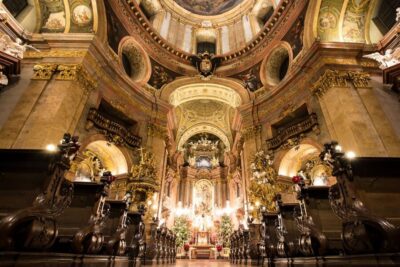
Classic Ensemble Vienna in St. Peter’s Church Ticket
Read our review →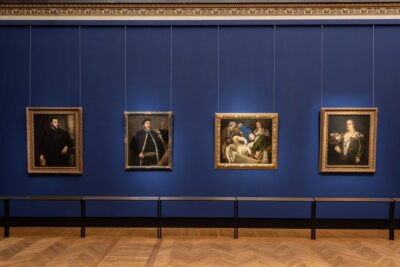
Vienna Kunsthistorisches Museum Day Admission Ticket
Read our review →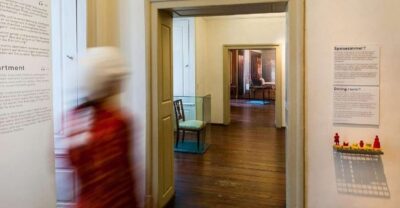
Tickets for Mozarthaus Vienna with Audio Guide
Read our review →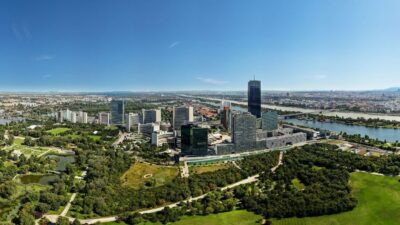
Skip-the-Line Entrance Ticket to the Danube Tower
Read our review →
St. Stephen’s Cathedral & Dom Museum Wien Tickets
Read our review →