
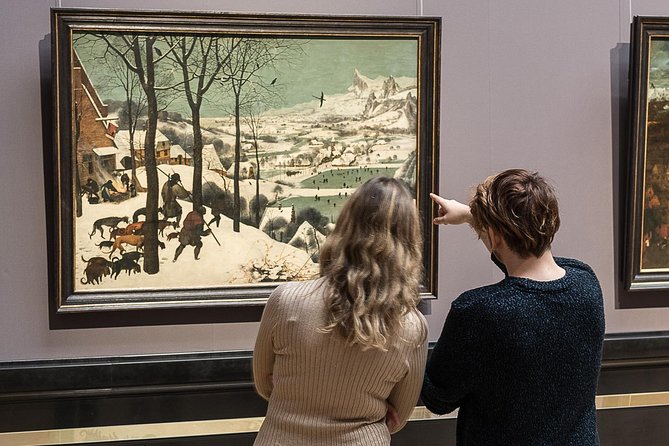
Reviewed · HOFBURG & IMPERIAL VIENNA TOURS
Kunsthistorisches Museum Vienna and Imperial Treasury of Vienna
Vienna’s grandest museum pairing brings together two very different sides of Habsburg power: world-famous European art at the Kunsthistorisches Museum and glittering royal regalia at the Imperial Treasury. The art museum alone can fill four hours, while the Treasury makes a focused one-hour visit.
I like the value of seeing both sites with one admission, and I like that you can set your own pace rather than follow a fixed group route. The main catch is ticket redemption: this is a voucher exchange, not a guaranteed walk straight through the entrance, and the instructions can be confusing.
In This Review
- Key points to know before you go
- Two sides of Vienna’s Habsburg story
- Kunsthistorisches Museum: start with the building
- Beyond painting: antiquities and Kunstkammer Vienna
- Imperial Treasury: crowns, robes, and imperial symbols
- The ticket system needs careful attention
- How long should you allow?
- Opening hours and transport
- Is this suitable for children and older visitors?
- Who gets the best value?
- Should you book it?
- FAQ
- What does this ticket include?
- How much does the experience cost?
- How long does the visit take?
- Can I visit both museums with the same ticket?
- Can I start at either museum?
- What is the best queue to use at the Kunsthistorisches Museum?
- Are children charged?
- What are the opening hours?
- Can I cancel for a refund?
Key points to know before you go
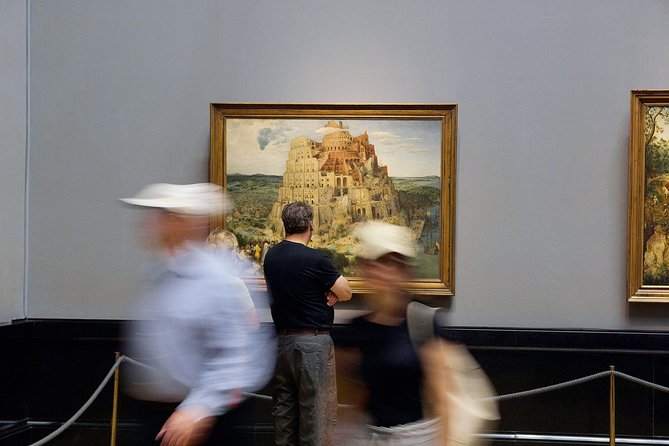
- Bruegel is the star: The Kunsthistorisches Museum holds the world’s most important collection of paintings by Pieter Bruegel the Elder.
- Two museums, two moods: Expect paintings, antiquities, sculpture, and ornate rooms at the Kunsthistorisches Museum, then crowns, robes, and imperial insignia at the Treasury.
- Plan a full day: Give the art museum several hours and the Imperial Treasury around one hour if you want more than a quick look.
- Use the correct queue: At the museum, look for the line marked Voucher or Group Priority, not the standard Ticket queue.
- The paper ticket is shared: Once exchanged, the combination ticket can be used at both museums, starting at either venue.
- Children enter free: Adult pricing applies to all visitors, but children under 19 are free of charge.
Two sides of Vienna’s Habsburg story
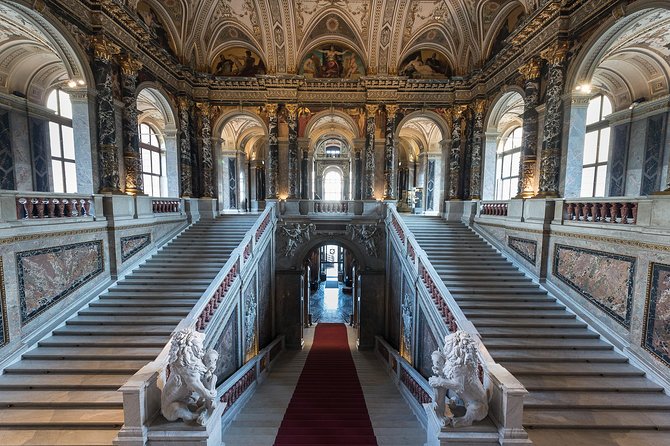
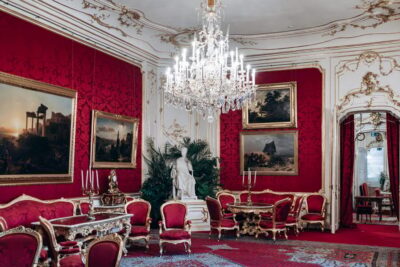
The Kunsthistorisches Museum is not simply a gallery full of famous names. It is a grand setting for the former imperial collections, with the building itself adding to the experience. Marble, columns, decorative ceilings, and wide halls create the feeling that you are walking through a palace designed to honor art.
The Imperial Treasury is smaller and more concentrated. Here, you are not looking at a broad survey of painting. You are looking at the objects used to express dynastic power: crowns, ceremonial robes, jewels, and sacred or political symbols tied to the House of Habsburg and the Holy Roman Empire.
That contrast makes the pairing work. At the first museum, you see the culture surrounding the court. At the second, you see the objects that made the court visible.
The combined price is $38.62 per person. I consider that reasonable if you have enough time to use both admissions properly. The Kunsthistorisches Museum has enough material for a half day by itself, and the Treasury adds another substantial stop in central Vienna.
If your schedule allows only a quick visit, the value becomes less convincing. You could spend an hour merely getting oriented in the art museum, especially if you stop for the building, the major galleries, and the famous Bruegel rooms.
More Hofburg and imperial Vienna:
- Vienna: Skip-the-Line Sisi Museum, Hofburg and Gardens Tour
★ 4.8 · 5,918 reviews - Vienna: Imperial Treasury in the Hofburg Palace
★ 4.4 · 1,791 reviews - Vienna: Hofburg and Empress Sisi Museum Guided Tour
★ 4.7 · 1,460 reviews
Kunsthistorisches Museum: start with the building
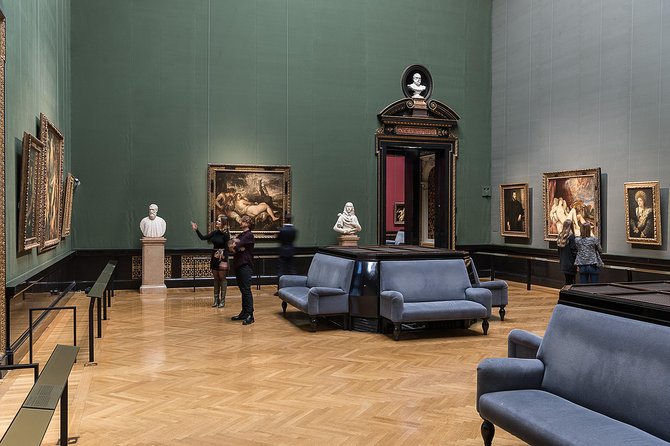
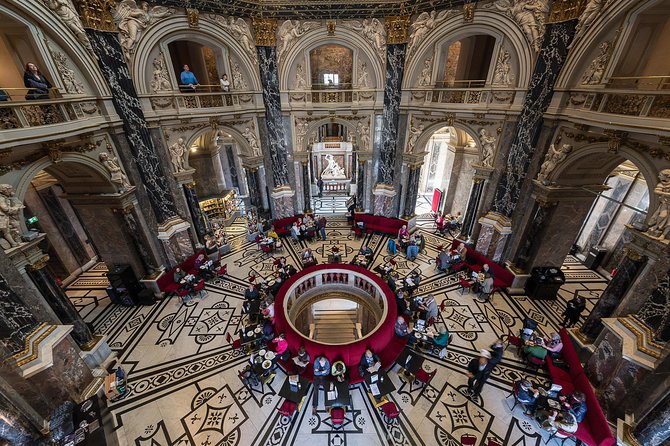
The Kunsthistorisches Museum is one of Vienna’s grand showpieces. Even before you focus on individual paintings, take a few minutes to look at the interior. The decorative design, spacious rooms, and imperial scale explain how the Habsburgs wanted their collections to be seen.
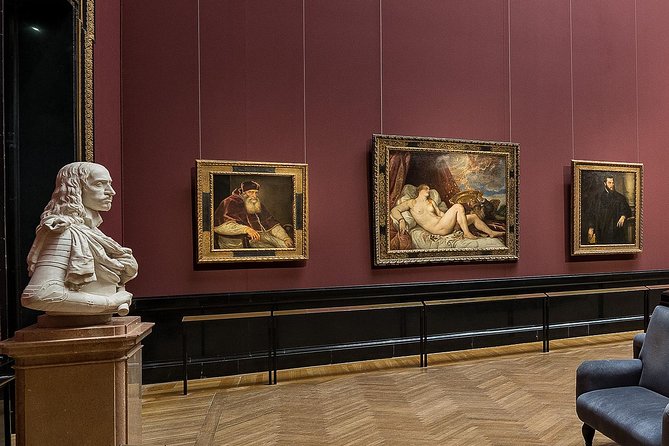
The museum’s art collection includes major works by Rubens, Rembrandt, Raphael, Velázquez, Titian, and Albrecht Dürer. These are not isolated highlights tucked into a small display. The collection is large enough that you need to choose your priorities.
For many people, Pieter Bruegel the Elder is the reason to come. The museum holds the world’s most important collection of his paintings, making this a rare chance to see several of his works together rather than one familiar image in isolation.
I would begin with Bruegel if he is high on your list. Then move toward the other major paintings, allowing time for rooms that may not have been part of your original plan. The scale can feel overwhelming, but that is also part of the pleasure. You are not short of things to see.
A useful feature is the seating placed in many rooms. You can sit in front of a painting and spend real time with it instead of shuffling past with the crowd. That matters in a museum where the best experience comes from looking carefully, not simply collecting famous names.
Beyond painting: antiquities and Kunstkammer Vienna
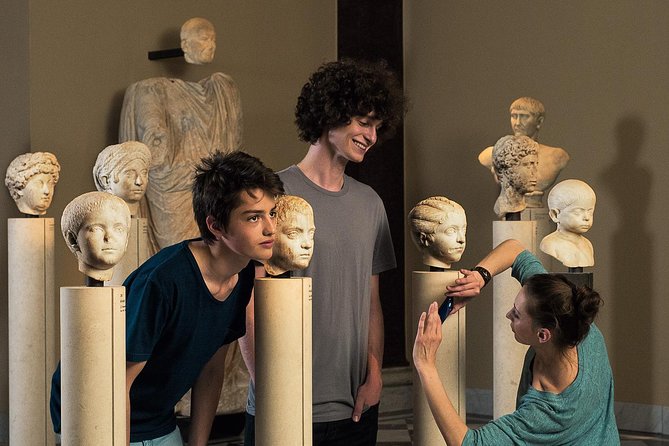
The museum is not only a picture gallery. You can also see Egyptian, Greek, Roman, and other antiquities, along with sculpture and decorative objects. If you enjoy objects made from precious materials, the Kunstkammer Vienna is especially important.
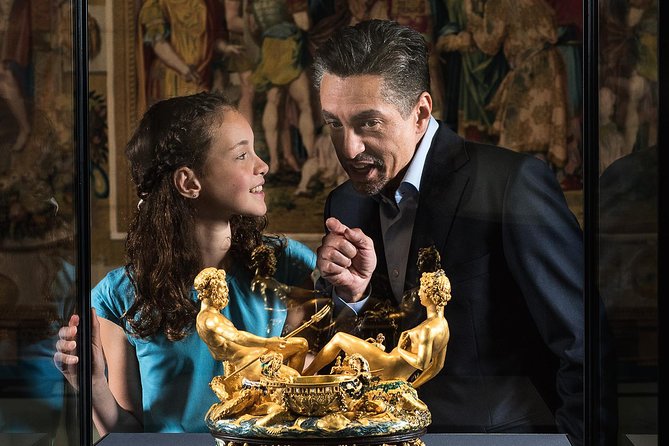
The Kunstkammer contains imperial masterpieces, including elaborate sculptures, ornaments, and objects made with materials such as gold and ivory. These pieces show a different kind of artistic skill from the paintings. They were designed to surprise, impress, and display the wealth and taste of the court.
The Neue Burg portion of the museum adds to the range of the imperial collections. You may find that the variety is one of the museum’s strengths, but it also means you cannot see everything in one casual visit.
If you have only two or three hours, pick a short list before entering. Bruegel, the major European paintings, and the Kunstkammer make a solid core. Add the Egyptian and classical sections if those subjects interest you.
If you have four hours or more, you can move at a gentler pace. The café is another practical feature. It is known for elaborate drinks and cakes, and its attractive setting makes it a useful break when your attention starts to fade. Seating can be limited, so do not count on walking straight in at a busy time.
Imperial Treasury: crowns, robes, and imperial symbols
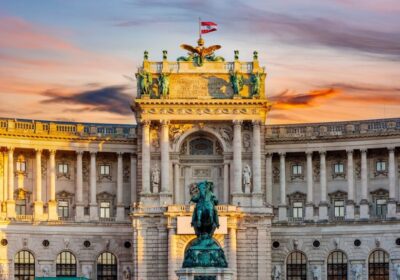
The Imperial Treasury of Vienna is a smaller venue, but its objects carry enormous political weight. The collection includes the Austrian imperial crown, the German imperial crown, and insignia connected with the Holy Roman Empire.
The crowns are the headline display. They are not just expensive decorations. They were tools of ceremony and authority, designed to make the ruler’s position visible and permanent. Seeing them in person helps explain why the Habsburg court placed such importance on ritual and symbols.
You will also find ceremonial robes, coronation regalia, jewels, and other objects tied to the imperial family. The robes are especially useful for understanding how power was presented in public. Their materials and decoration were meant to communicate rank before a ruler even spoke.
One unusual highlight is the largest cut emerald in the world. It is the kind of object that can sound like a novelty, but it also fits the Treasury’s larger theme: rare materials became part of the language of power.
The Treasury is easier to handle in about an hour. You can see the main regalia without the mental fatigue that often arrives halfway through a large art museum. If royal history interests you, plan extra time for the labels and the connections between the objects.
The entrance can be easy to miss. If you walk from the Kunsthistorisches Museum toward the Spanish Riding School, look for the red and gold archway on the right before reaching it. That visual clue is more useful than relying only on a street address.
More of the Kunsthistorisches Museum:
- Vienna Kunsthistorisches Museum Day Admission Ticket
★ 4.6 · 3,690 reviews - Combo Ticket: Kunsthistorisches Museum & Imperial Treasury
★ 4.7 · 785 reviews - Skip the Line: Kunsthistorisches Museum Vienna Entrance Ticket
★ 4.5 · 466 reviews - Vienna: Kunsthistorisches and Leopold Museum Combo Ticket
★ 4.6 · 352 reviews
The ticket system needs careful attention
The biggest practical issue is the difference between a voucher and an entry ticket. You receive a paper ticket arrangement, but in some cases you must first exchange the voucher at the venue.
At the Kunsthistorisches Museum, look for the queue marked Voucher or Group Priority. Do not automatically join the line marked Ticket. The regular ticket line can be much slower, and joining it may force you to start over after reaching the front.
The voucher exchange may still involve waiting, so do not treat this as a full skip-the-line product. It is better understood as a shorter or separate redemption line. Once you receive the combination ticket, it should be valid at both the Kunsthistorisches Museum and the Imperial Treasury.
The same ticket can be used at either venue, so you can begin with the Treasury if that fits your day better. This flexibility is helpful, particularly if you are already near the Hofburg area.
I would take a moment to read the signs carefully when you arrive. If the paper instructions are unclear, ask the museum staff specifically where to exchange a voucher. Several problems can be avoided by using the exact words Voucher or Group Priority rather than simply asking for the ticket line.
Because there have been cases where a printed or downloaded voucher was not accepted immediately by staff, build a time cushion into your schedule. Keep your confirmation available, and do not plan a tight train departure after museum entry. The vast majority of the experience may be straightforward, but a ticket problem can cost precious time.
How long should you allow?
The advertised duration of one to three minutes refers to the booking or admission format, not the amount of time needed to see the museums. Do not use that figure to plan your sightseeing day.
For the Kunsthistorisches Museum, allow at least two hours for a brisk visit. Four hours is more realistic if you want the major paintings, Bruegel, the Kunstkammer, and some antiquities without racing.
The Imperial Treasury works well as a one-hour visit. You can make it shorter, but the crowns, robes, regalia, and jewels deserve more than a quick walk through.
Together, the two venues can easily fill most of a day. I would not schedule them after an exhausting morning if you want to appreciate the art. One practical approach is to visit the Kunsthistorisches Museum first, take a break, then go to the Treasury. Another is to visit the Treasury in the morning and save the larger museum for a longer afternoon block.
The museums are close enough to combine with other central Vienna sights, but avoid packing too many major stops around them. The art museum has the kind of scale that can quietly consume your schedule.
Opening hours and transport
The Kunsthistorisches Museum is near public transportation and sits in Vienna’s historic center. Its hours vary by season. From June through August, it is open daily from 10 a.m. to 6 p.m., with Thursday hours until 9 p.m. From September through May, it is open Tuesday through Sunday from 10 a.m. to 6 p.m., again with Thursday hours until 9 p.m.
The Imperial Treasury is open daily except Tuesday, from 9 a.m. to 5:30 p.m. These schedules create a useful option: you can visit the Treasury earlier, then spend the afternoon at the art museum.
The supplied 2026 schedule also lists Wednesday through Sunday from 10 a.m. to 5 p.m., so I would verify the exact date-specific hours before setting out. Museum hours can vary by venue notices, season, or special arrangements.
No hotel pickup, guide transport, meals, or drinks are included. You make your own way to both locations, which is easy enough in central Vienna but important to remember if you are comparing this with a guided sightseeing package.
Is this suitable for children and older visitors?
Children under 19 are free, which makes the ticket more useful for families. The large building, decorative rooms, and eye-catching crowns can work well for younger visitors, especially if you keep the art portion focused rather than trying to cover every gallery.
The café and coffee bar offer a natural rest point, and benches in the galleries make it easier to pause. Still, the museum is large. Comfortable shoes and water are sensible, particularly if you plan to stay several hours.
Older visitors may prefer to split the day between the two sites, though the ticket terms provided do not promise two-day use. If you need a slower schedule, confirm how long the combination ticket remains valid before booking.
Most people can participate, and the venues are near public transportation. The experience is self-guided unless you arrange something separate. A few comments refer to guided tours and friendly guides, but this admission does not include a named guide or guided commentary.
Who gets the best value?
This ticket suits you if art, court culture, and European history are high on your Vienna list. It is especially strong for anyone who wants to see Bruegel alongside other major painters, then connect that cultural world with the actual regalia of the Habsburg rulers.
It also works well for a first visit when you want two important central sights with one purchase. You can choose your own route and spend five minutes or half an hour on a particular object.
The ticket is less suited to you if you have only a narrow window in Vienna, dislike large museums, or want a guide to explain every room. You can buy admission directly at the museum, and prebooking is not necessarily essential if queues are light. The main advantage here is planning the two sites together, not a dramatic skip-the-line benefit.
Free cancellation is available up to 24 hours before the scheduled start time. Changes or cancellations made less than 24 hours ahead are not accepted for a refund.
Should you book it?
Book this combination if you can give the Kunsthistorisches Museum at least half a day and the Imperial Treasury another hour. The strongest reasons are the Bruegel collection, the imperial paintings, the Kunstkammer objects, and the crowns and coronation regalia at the Treasury.
I would skip it if you are squeezing Vienna into a few hours or if the thought of a huge art museum feels tiring. If you do book, arrive with a clear plan, join the Voucher or Group Priority queue, and leave room for ticket redemption delays. Used at the right pace, this is one of the better ways to connect Vienna’s art with the ceremony and power of the Habsburg court.
FAQ
What does this ticket include?
It includes entrance fees for the Kunsthistorisches Museum Vienna and the Imperial Treasury of Vienna.
How much does the experience cost?
The listed price is $38.62 per person.
How long does the visit take?
The booking duration is shown as approximately one to three minutes, but that refers to the admission format. Plan several hours for the Kunsthistorisches Museum and about one hour for the Imperial Treasury.
Can I visit both museums with the same ticket?
Yes. Once the voucher is exchanged for the combination ticket, it can be used at both venues.
Can I start at either museum?
Yes. The combination ticket can be used at the Imperial Treasury or the Kunsthistorisches Museum first.
What is the best queue to use at the Kunsthistorisches Museum?
Look for the queue marked Voucher or Group Priority. Do not join the regular Ticket queue if you need to exchange a voucher.
Are children charged?
Children under 19 years of age are free of charge. Adult pricing applies to all other travelers.
What are the opening hours?
The Kunsthistorisches Museum is open June through August daily from 10 a.m. to 6 p.m., with Thursday hours until 9 p.m. From September through May, it is open Tuesday through Sunday from 10 a.m. to 6 p.m., with Thursday hours until 9 p.m. The Imperial Treasury is open daily except Tuesday from 9 a.m. to 5:30 p.m. The exact 2026 schedule should be checked before visiting.
Can I cancel for a refund?
Yes. You can cancel at least 24 hours before the experience start time for a full refund. Cancellations or changes made less than 24 hours in advance are not accepted.
More Museums in Vienna
- Tickets for the Albertina Exhibitions
★ 4.7 · 2,126 reviews - Vienna: Chocolate Workshop in Chocolate Museum w/ Tasting
★ 4.5 · 1,802 reviews - Sigmund Freud Museum Ticket
★ 4.6 · 1,668 reviews - Vienna: St. Stephen’s Cathedral & Dom Museum Wien Tickets
★ 4.5 · 1,652 reviews
Just added around Vienna
- Private Tour from Vienna to Melk and Dürnstein★ 4.5 · 3 reviews
- Vienna: Johann Strauss 200th birthday anniversary exhibition★ 4.7 · 3 reviews
- Vienna Private Full Day Tour – Tickets to Schönbrunn & Lunch★ 5.0 · 3 reviews
- Private Salzburg Day Trip from Vienna★ 4.0 · 3 reviews
- Vienna: Entry Ticket Belvedere 21 & Contemporary Art★ 4.3 · 3 reviews
- Full-Day Private Trip from Vienna to Budapest★ 4.5 · 3 reviews
- Vienna by Night: Private Evening Food and Drink Tour★ 5.0 · 3 reviews
- 1.5 Hour Cinematic Style Portrait Photoshoot and Tour in Vienna★ 4.5 · 3 reviews
Hofburg & Imperial Vienna Tours, compared.
Skip-the-Line Sisi Museum, Hofburg and Gardens Tour
Read our review →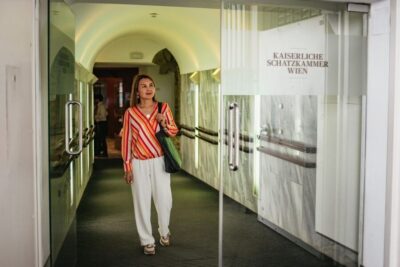
Skip-the-Line Hofburg and Empress Sisi Museum Tour
Read our review →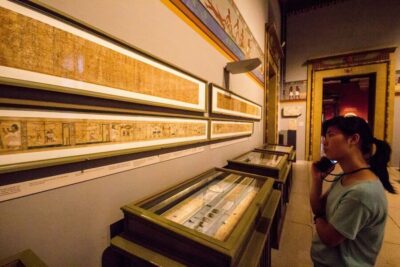
Combo Ticket: Kunsthistorisches Museum & Imperial Treasury
Read our review →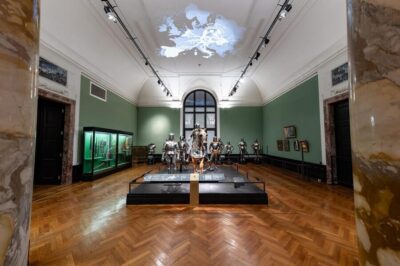
Imperial Treasury & New Hofburg Palace Combo Ticket
Read our review →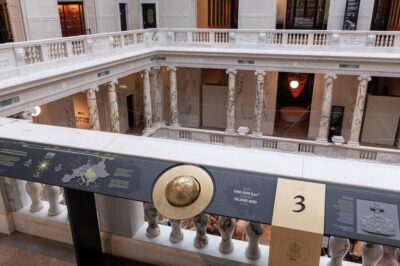
New Hofburg Palace Audio-Guided Tour & Entry Ticket
Read our review →
Skip-the-Line Sisi Museum, Hofburg and Gardens Tour Vienna
Read our review →Browse the lists this tour appears in