
Reviewed · KUNSTHISTORISCHES MUSEUM TOURS
Kunsthistorisches Museum Wien Guided Tour including admission
Peter Bruegel the Elder’s Tower of Babel is reason enough to visit Vienna’s Kunsthistorisches Museum, but finding the best rooms in this enormous palace of art can take time. This small-group tour of no more than 15 people gives you a clear route through the Picture Gallery and Kunstkammer, with priority admission included.
I like two things right away: the guide turns famous paintings into understandable stories, and you can stay inside after the tour to see the museum’s Greek, Roman, and Egyptian collections. The main consideration is price: at $119.09 per person, this makes the most sense if you want expert commentary rather than a quick, independent look.
I also like the care shown in the best guiding moments. Dieter has used earpieces and allowed older participants to sit while he spoke, while Cornelia and Brenda have been praised for lively explanations and personal attention. The tour is not suitable for wheelchair users or people with walking disabilities, and the 10:15 a.m. start requires a firm morning commitment.
In This Review
- Key Points Before You Book
- Why This Museum Deserves Your Morning
- Entering at Maria-Theresien-Platz
- Bruegel’s Tower of Babel and the Picture Gallery
- The Kunstkammer’s Strange and Beautiful Treasures
- A Guide Makes the Difference
- Pacing, Seating, and Physical Demands
- What the $119.09 Price Really Buys
- Who Should Choose This Tour
- Should You Book the Kunsthistorisches Museum Tour?
- FAQ
- How long does the Kunsthistorisches Museum guided tour last?
- What time does the tour start?
- Where does the tour meet?
- Is museum admission included?
- How large is the tour group?
- Is the tour offered in English?
- Can I stay in the museum after the guided portion?
- Are temporary exhibitions included?
Key Points Before You Book
- Bruegel and Vermeer lead the art lineup: See The Tower of Babel and Vermeer’s The Art of Painting in the Picture Gallery.
- Two major sections in one visit: The route covers the Old Masters and the unusual treasures of the Kunstkammer.
- Priority admission saves time: Entrance fees are included, and the group avoids the standard ticket line.
- Small groups improve the experience: The maximum is 15 people, enough for questions without the feel of a huge lecture.
- You can continue after the guide leaves: Use your included admission to explore ancient Greek, Roman, and Egyptian art independently.
- Family groups can fit well: Guides have kept children ages 5 to 9 involved with questions and creative art ideas.
Why This Museum Deserves Your Morning
The Kunsthistorisches Museum is not simply a container for paintings. The building itself is part of the visit, with the grand scale and formal design you would expect from a former Habsburg collection. The museum grew from the art holdings of the House of Habsburg, and that royal background helps explain the unusual range of objects gathered under one roof.
You come for the paintings, but you also get sculpture, decorative arts, ancient objects, and an impressive sense of how rulers collected art across centuries. If you try to see everything without a plan, the museum can feel like too much. A guided route gives you an anchor.
This tour focuses on two key exhibitions rather than attempting every gallery. That is a sensible choice. Two hours to two and a half hours is long enough to build a useful picture of the collection, but short enough to leave energy for more sightseeing in Vienna.
I would not treat this as a substitute for a full day at the museum. Think of it as an intelligent first pass. You see the headline works, learn the museum’s layout, and then decide where to spend your remaining time.
More of the Kunsthistorisches Museum:
- Vienna Kunsthistorisches Museum Day Admission Ticket
★ 4.6 · 3,690 reviews - Combo Ticket: Kunsthistorisches Museum & Imperial Treasury
★ 4.7 · 785 reviews - Skip the Line: Kunsthistorisches Museum Vienna Entrance Ticket
★ 4.5 · 466 reviews
Entering at Maria-Theresien-Platz
The tour begins at Maria-Theresien-Platz 1, 1010 Vienna, at 10:15 a.m. The museum is near public transportation, but hotel pickup and drop-off are not included, so you need to make your own way there.
The ticket includes entrance to the museum and priority entry. That matters most when the regular admission line is long or when your Vienna schedule is tight. You are not paying for transport or a private vehicle. You are paying for access, structure, and a guide who can make choices for you inside.
The group limit of 15 is one of the stronger practical features. A small group lets you stay close to the guide and ask questions without constantly losing sight of the commentary. Some guides provide earpieces, which can help you hear clearly in large galleries.
The tour ends back at the meeting point, at the museum. You can then remain inside and continue looking around, making the morning more flexible than a tour that sends you immediately back onto the street.
Bruegel’s Tower of Babel and the Picture Gallery
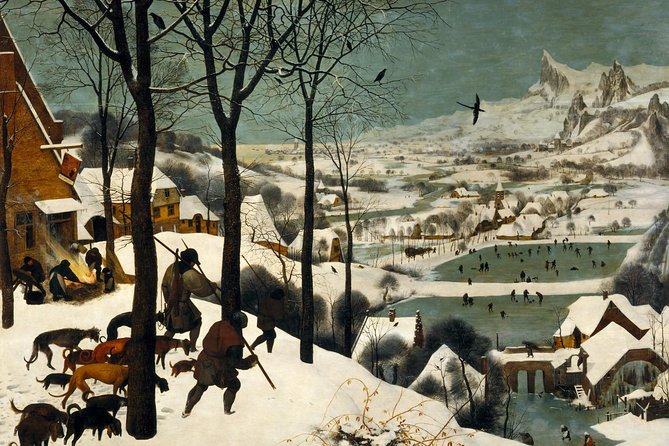
The Picture Gallery is the artistic heart of this visit. You will see major works by artists including Raphael, Rembrandt, Vermeer, Rubens, Titian, Caravaggio, and Peter Bruegel the Elder.
Bruegel’s The Tower of Babel is the clear star for many people. Its crowded construction scene rewards time and close looking. A guide can point out the details and connect the painting to the ideas behind it, rather than leaving you with only its famous title.
Vermeer’s The Art of Painting gives the tour a different mood. Its quiet interior and careful treatment of light invite a slower kind of attention. Seeing Bruegel and Vermeer in the same guided route gives you a useful comparison between busy narrative painting and controlled domestic calm.
The guide’s role here is not just to identify names and dates. The strongest commentary connects artistic technique, biography, and history. One highly praised guide was described as able to explain media and technique as well as historical context. That mix is valuable because it helps you understand not only what you are seeing, but how the artist made it work.
You should expect selected works rather than a room-by-room account of every painting. That is a benefit if you have limited time. It can be a limitation if you already know the collection well and want to choose your own obscure favorites.
The Kunstkammer’s Strange and Beautiful Treasures
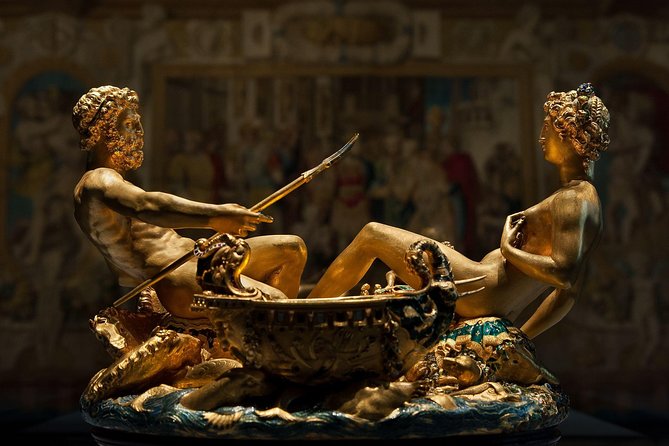
The second major stop is the Kunstkammer, where the mood shifts from large paintings to rare and unusual objects. The collection includes the golden Saliera by Cellini and the Madonna of Krumau.
The Saliera is especially memorable because it is both a precious object and a piece of sculpture. It reflects the Habsburg taste for objects that combined craftsmanship, symbolism, and luxury. The Madonna of Krumau offers another kind of encounter, with its religious subject and distinctive form.
This section helps prevent the tour from becoming only a parade of famous paintings. You see how art collecting once included metalwork, sculpture, and objects made for display and prestige. I find that contrast useful. It shows the collection as a record of power and taste, not merely a list of celebrated artists.
The Kunstkammer may be less familiar to you than the Picture Gallery, which is exactly why a guide helps. Without explanation, unusual objects can be easy to pass by. With context, they become part of the museum’s larger story.
More museums in Vienna:
- Vienna: Skip-the-Line Sisi Museum, Hofburg and Gardens Tour
★ 4.8 · 5,918 reviews - Tickets for the Albertina Exhibitions
★ 4.7 · 2,126 reviews - Vienna: Chocolate Workshop in Chocolate Museum w/ Tasting
★ 4.5 · 1,802 reviews - Sigmund Freud Museum Ticket
★ 4.6 · 1,668 reviews
A Guide Makes the Difference
The strongest part of this experience is the human element. The guide names highlighted in the feedback include Dieter, Cornelia, and Brenda, though the specific person assigned to your tour is not guaranteed.
Dieter has been praised for his clear delivery, lively anecdotes, and strong command of both the museum and its artists. He has also supplied earpieces and made room for older participants to sit while he discussed the works. That is a small detail, but it tells you something important about pacing.
Cornelia has been described as enthusiastic about both Vienna and the art. Brenda has been praised for linking the works to history while keeping different interests in the same group engaged. These details point to the kind of guide this experience aims to provide: informed, warm, flexible, and able to answer questions.
The tour also seems to work well for families. One guide included children ages 5 to 9 with questions and interactive activities without cutting the art discussion short. Suggestions for creative projects at home added a useful way for children to keep thinking about what they saw.
Still, a group tour cannot respond perfectly to every interest. If you want to spend 20 minutes on one painting, or focus only on a particular period, a private guide upgrade would give your group more control. The private option is worth considering for families, art students, or anyone with a strong personal agenda.
Pacing, Seating, and Physical Demands
The advertised duration is two to two and a half hours. That is enough time for a serious introduction, but you will be on your feet for much of it. Seats are available in several galleries, and it is reasonable to ask to sit during longer explanations.
One piece of practical feedback deserves attention: guides should encourage participants to use those seats. If standing is difficult, tell the guide early rather than waiting until you are tired. The experience is not available to people with walking disabilities or those using a wheelchair, so accessibility is a firm limitation, not a minor detail.
The tour is offered in English. Most people can participate, but the format requires attention and movement through the galleries. Parents should know that the family-friendly approach can help children stay involved, though two hours in an art museum remains a substantial stretch for young children.
Bring as little as possible. Umbrellas, backpacks, and rain coats must go into the cloakroom and cannot be carried through the museum. You may take photographs without flash, which is useful if you want a visual reminder of favorite works.
What the $119.09 Price Really Buys
At $119.09 per person, this is not a budget museum visit. The museum admission is included, as is priority entry and a professional English-speaking guide. The group discount feature may improve the price for larger bookings, and you can upgrade to a private guide if that better suits your group.
The value depends on how you normally visit museums. If you enjoy reading labels, choosing your own route, and spending several hours alone with art, buying an ordinary admission ticket may be better. You can still see the masterpieces without paying for commentary.
I would consider this tour good value for a first visit when your time is limited. The museum is extensive, and the guide helps you locate the major rooms and works quickly. You also receive a basic map of the collection in your head, which makes your independent time afterward more productive.
The price is easier to justify if you care about context. A painting by Bruegel, Vermeer, or Caravaggio can be impressive at a glance, but a clear explanation of technique, subject, and period gives you more to notice. The best guides have made the two hours pass quickly without rushing the art.
Gratuities are not included and are optional. Temporary exhibitions are also not included, so check that point if a special show is a major reason for your visit.
Who Should Choose This Tour
I would recommend it for a first-time Vienna visitor who wants the museum’s main works without spending all day finding them. It is also a good fit for couples with different levels of art interest, since a lively guide can connect the paintings to history, biography, and visual details.
Families may benefit from the small group and interactive approach. The museum’s scale can overwhelm children, but questions and simple creative tasks can give them a reason to look closely.
It is less suitable for independent museum experts, visitors with mobility limitations, or anyone arriving later in the morning. The 10:15 start is fixed, and the tour does not include hotel transport.
Free cancellation is available if you cancel at least 24 hours before the start time. Changes made less than 24 hours before the start are not accepted, and there is a minimum group requirement. If the operator cancels because that minimum is not reached, you are offered another date or experience, or a full refund.
Should You Book the Kunsthistorisches Museum Tour?
Book it if you want a well-paced introduction to Vienna’s greatest Old Master collection, priority admission, and a guide who can make Bruegel, Vermeer, the Saliera, and other works easier to understand. The maximum group size of 15 keeps the experience personal enough for questions.
Skip it if you prefer complete freedom, need step-free access, or already know exactly which galleries you want to visit. At $119.09, the cost is significant. For a first museum visit, though, the combination of headline masterpieces, unusual Habsburg treasures, and free time afterward gives you a practical way to get your bearings fast.
FAQ
How long does the Kunsthistorisches Museum guided tour last?
The tour lasts approximately two to two and a half hours.
What time does the tour start?
The tour starts at 10:15 a.m.
Where does the tour meet?
The meeting point is Maria-Theresien-Platz 1, 1010 Vienna, Austria.
Is museum admission included?
Yes. All entrance fees for the included museum visit are covered.
How large is the tour group?
The group has a maximum of 15 participants.
Is the tour offered in English?
Yes. The tour is offered in English.
Can I stay in the museum after the guided portion?
Yes. After the tour, you are free to continue exploring the remaining museum sections, including ancient Greek, Roman, and Egyptian art.
Are temporary exhibitions included?
No. Temporary exhibitions are not included in the tour price.
Just added around Vienna
- Private Tour from Vienna to Melk and Dürnstein★ 4.5 · 3 reviews
- Vienna: Johann Strauss 200th birthday anniversary exhibition★ 4.7 · 3 reviews
- Vienna Private Full Day Tour – Tickets to Schönbrunn & Lunch★ 5.0 · 3 reviews
- Private Salzburg Day Trip from Vienna★ 4.0 · 3 reviews
- Vienna: Entry Ticket Belvedere 21 & Contemporary Art★ 4.3 · 3 reviews
- Full-Day Private Trip from Vienna to Budapest★ 4.5 · 3 reviews
- Vienna by Night: Private Evening Food and Drink Tour★ 5.0 · 3 reviews
- Private Tour of Viennese Art in the Leopold Museum: Klimt, Schiele, Kokoschka★ 5.0 · 3 reviews
Kunsthistorisches Museum Tours, compared.
Vienna Kunsthistorisches Museum Day Admission Ticket
Read our review →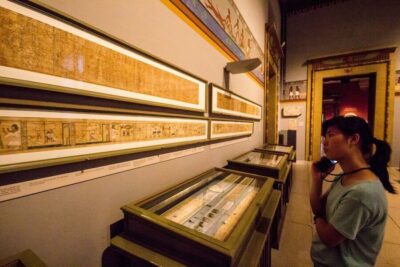
Combo Ticket: Kunsthistorisches Museum & Imperial Treasury
Read our review →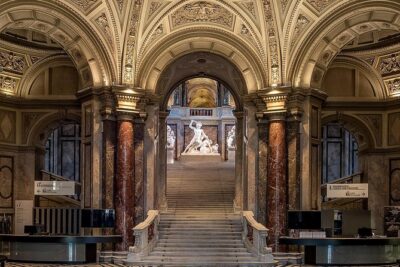
Skip the Line: Kunsthistorisches Museum Vienna Entrance Ticket
Read our review →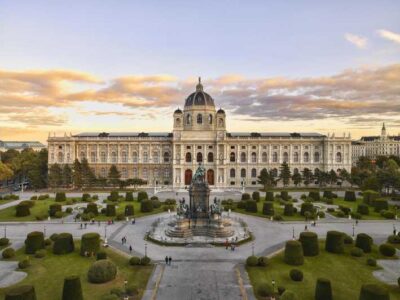
Kunsthistorisches and Leopold Museum Combo Ticket
Read our review →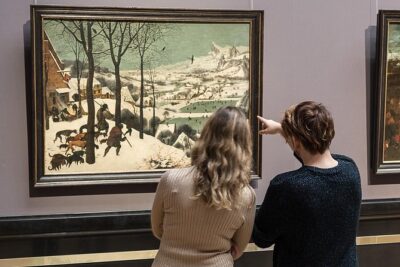
Kunsthistorisches Museum Vienna and Imperial Treasury of Vienna
Read our review →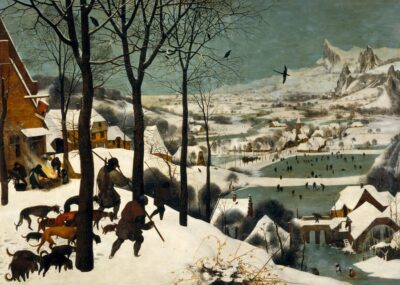
Kunsthistorisches Museum Guided Tour incl. admission
Read our review →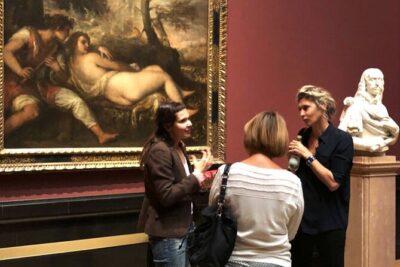
Private Tour of the Kunsthistorisches Museum: Secrets of Masterpieces | Tickets included
Read our review →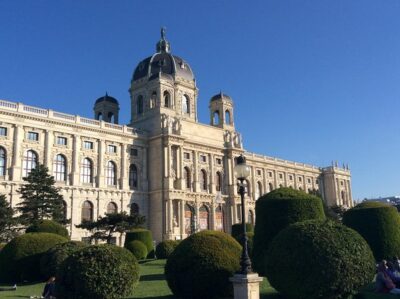
Private Tour of the Picture Gallery of the Fine Arts Museum VIenna (Kunsthistorisches Museum) with an Art Historian
Read our review →Browse the lists this tour appears in