
Reviewed · KUNSTHISTORISCHES MUSEUM TOURS
Vienna: Kunsthistorisches Museum Guided Tour incl. admission
Vienna’s Kunsthistorisches Museum is more than a place to tick off famous paintings. Its grand building holds Habsburg treasures, old-master masterpieces, and wonderfully strange objects such as Cellini’s golden Saliera. A small-group tour helps you make sense of it all without wandering past the best rooms.
I like the 15-person maximum, which keeps the guide close enough for questions, and I like the smart pairing of the Picture Gallery with the Kunstkammer. Guides such as Dieter, Cornelia, Brenda, Tolga, and Achim have been praised for clear stories, strong art knowledge, and well-chosen highlights.
The main consideration is the $116 price, which is a serious outlay for 135 minutes. It makes the most sense if you want context and a planned route, not if you prefer to study every room at your own pace.
In This Review
- Key points at a glance
- Why the Kunsthistorisches Museum deserves your time
- The first 135 minutes: a focused route through two collections
- Bruegel, Vermeer, and the Picture Gallery
- The Kunstkammer and its unusual treasures
- The guides make the difference
- How much value do you get for $116?
- Who should book this museum tour?
- What to see after the guided route
- Booking details worth knowing
- FAQ
- How long does the Kunsthistorisches Museum tour last?
- Is admission included in the price?
- What language is the tour conducted in?
- How large is the group?
- Where do I meet the guide?
- Can I stay in the museum after the guided tour?
- Are backpacks and umbrellas allowed inside?
- Should you book it?
Key points at a glance
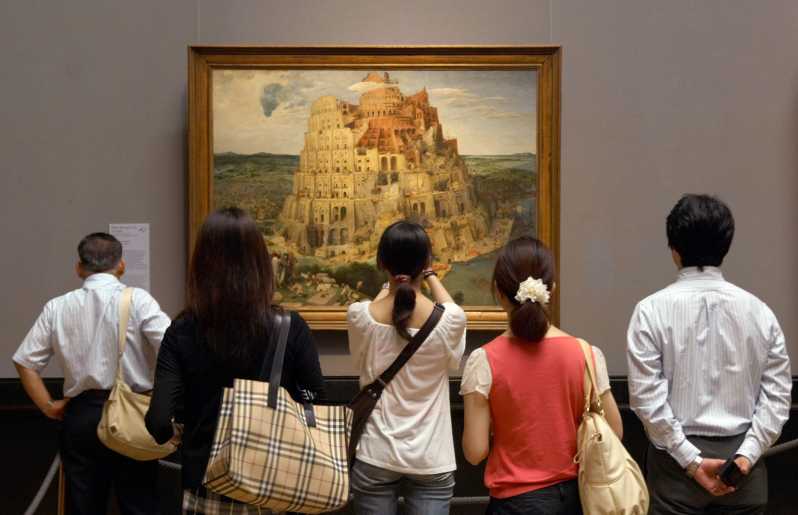
- See Bruegel and Vermeer together: The Picture Gallery includes The Tower of Babel and The Art of Painting, two major reasons to visit.
- Enter the Kunstkammer: This collection adds unusual Habsburg objects, including Cellini’s golden Saliera and the Madonna of Krumau.
- Keep the group small: No more than 15 participants join the English-language tour, and a very small booking may become a private visit.
- Focus on major names: The route can include Rubens, Caravaggio, Dürer, Raphael, and Rembrandt, depending on loans or restoration.
- Stay after the tour: Your admission lets you continue through the Greek, Roman, and Egyptian collections.
- Allow extra time for security and the cloakroom: Backpacks, umbrellas, and raincoats must be stored before entering the galleries.
Why the Kunsthistorisches Museum deserves your time
The Kunsthistorisches Museum grew from the art collections of the Habsburg rulers, and that origin explains its unusual breadth. You are not visiting a single artist’s museum or a narrow period display. You get grand European paintings, decorative objects, and ancient art under one ornate roof.
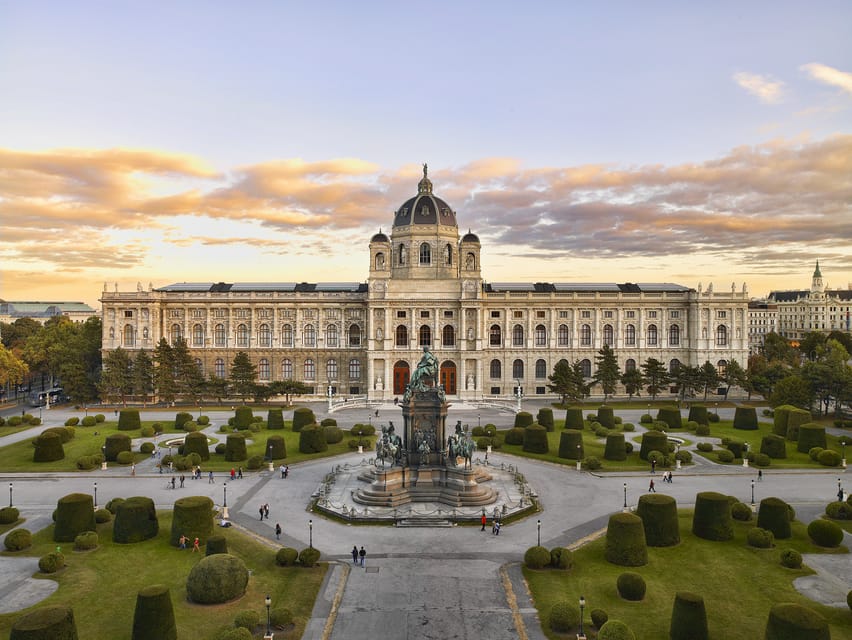
The building itself is part of the visit. You meet at Maria-Theresien-Platz, outside the museum at the right end of the stairs leading to the entrance. The meeting point is next to the group ticket counter, marked as Container 2. Look for the guide wearing a red-white-red badge labeled Austria Guide.
Arrive at least 15 minutes early. That buffer matters because the museum has a security check and a cloakroom. Umbrellas, backpacks, and raincoats cannot go into the galleries, so avoid arriving with a bulky day bag if you can. Photos are allowed without flash.
The museum can feel imposing at first. A guide gives you a route through the important rooms and explains why the works matter, rather than leaving you to decode a long list of names and dates. That is the central value of this experience.
More of the Kunsthistorisches Museum:
- Vienna Kunsthistorisches Museum Day Admission Ticket
★ 4.6 · 3,690 reviews - Combo Ticket: Kunsthistorisches Museum & Imperial Treasury
★ 4.7 · 785 reviews - Skip the Line: Kunsthistorisches Museum Vienna Entrance Ticket
★ 4.5 · 466 reviews
The first 135 minutes: a focused route through two collections
The advertised duration is 135 minutes, or two hours and 15 minutes. The description also refers to a two to two-and-a-half-hour visit, so you should plan on roughly that amount of time rather than expecting a quick one-hour introduction.
The guided route centers on two key areas: the Picture Gallery and the Kunstkammer. This is a good division. The Picture Gallery gives you major paintings by celebrated European artists, while the Kunstkammer changes the pace with objects that are rare, curious, and often easier to remember than another wall of paintings.
A small group is especially useful in a museum like this. The guide can point out details without shouting across a large crowd, and you have a better chance of asking why a work matters or how a particular technique works. The experience may become even more personal if only a few people book. One participant described ending up alone with the guide, while another small party was able to shape the route around its own interests.
That cannot be guaranteed, since the group may reach the full limit of 15. Still, the cap is far more manageable than a large coach group moving through crowded rooms.
Bruegel, Vermeer, and the Picture Gallery
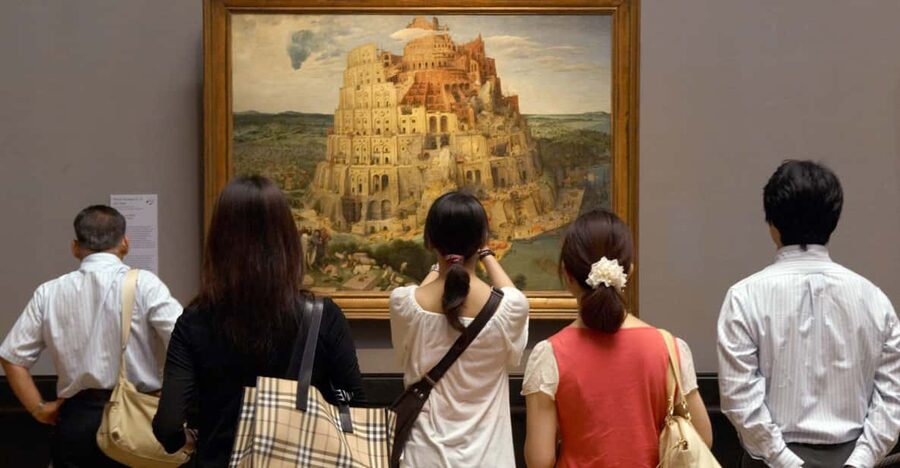
The Picture Gallery is the artistic heart of the tour. The exact stops can change if a work is on loan or under restoration, but the planned highlights include some of the museum’s most important paintings.
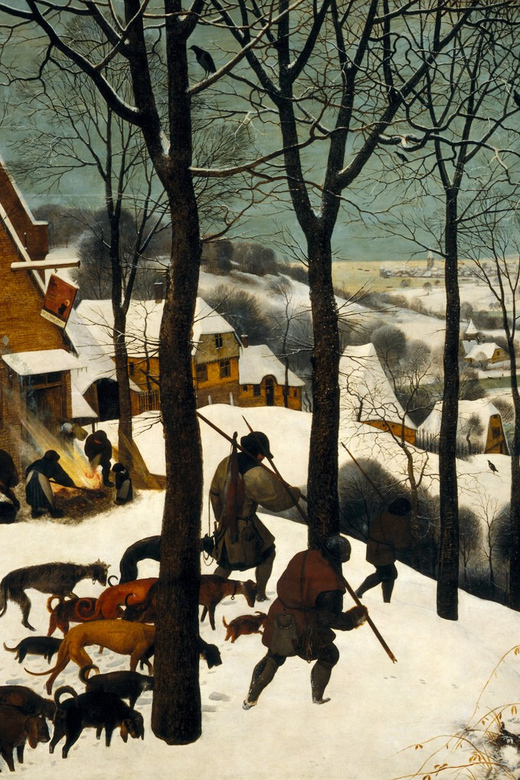
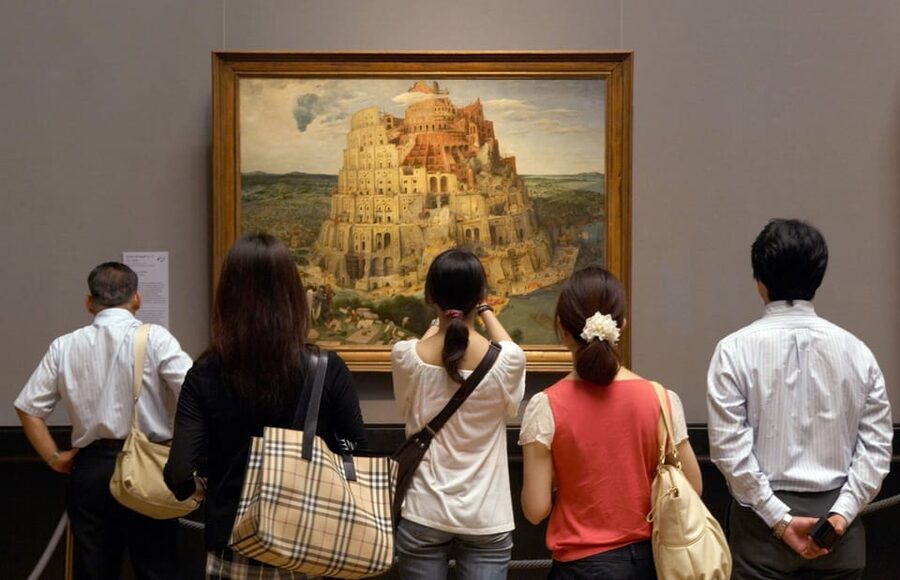
Peter Bruegel the Elder’s The Tower of Babel is one of the key stops. The painting gives a guide plenty to discuss, from its busy construction scene to the story behind the tower itself. You will have a better chance of appreciating its small details when someone directs your eye to them instead of leaving you to view it as a large, crowded picture from a few steps away.
Vermeer’s The Art of Painting offers a very different experience. Its quiet interior and careful handling of light reward a slower look. A guide can help you compare Vermeer’s approach with the grander scale and stronger movement found in Rubens or Bruegel.
The tour may also include:
- Rubens’ Assumption
- Caravaggio’s Crowning with the Thorns
- Albrecht Dürer’s Avarice
- Raphael’s Madonna of the Meadow
- Rembrandt’s Self Portrait
These works cover different moods and methods. Rubens brings theatrical movement. Caravaggio gives you stark drama and strong light. Raphael offers balance and calm. Dürer shows the sharp observation associated with his work, while Rembrandt’s self-portrait brings the focus back to the artist’s face and presence.
I appreciate this kind of selection because it gives you a broad introduction rather than a lecture devoted to one painter. You move through several centuries and countries, seeing how artists handled religious subjects, portraiture, symbolism, space, and light.
There is one practical limit. The museum is too large to understand fully in 135 minutes. The guide has to make choices, and you will not receive a room-by-room tour of every painting. That is a benefit if you want the major works explained, but a drawback if you already know the collection well and want to spend long periods with less famous pieces.
The Kunstkammer and its unusual treasures
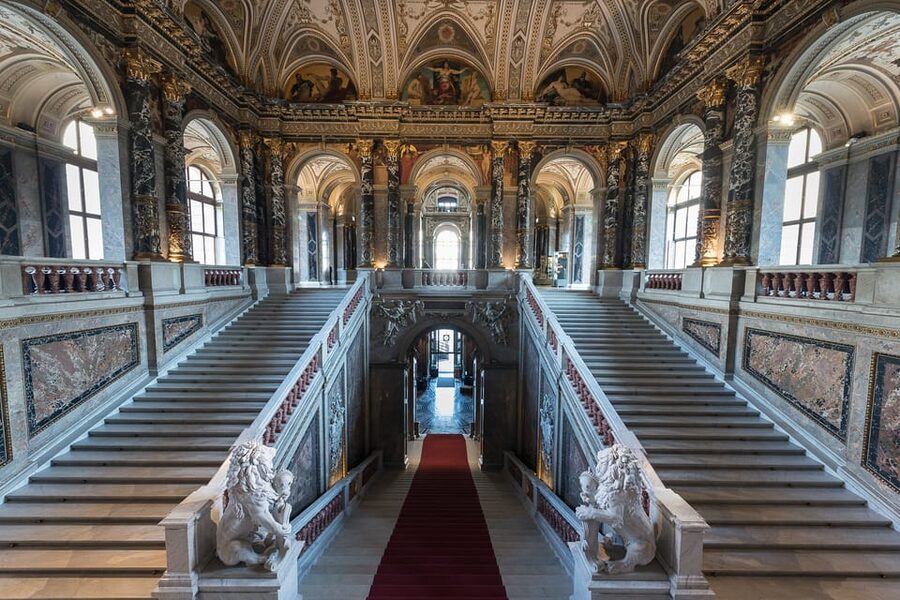
The Kunstkammer is where this tour becomes more distinctive. The collection holds objects gathered by Habsburg rulers, including works made from precious materials and items prized for their craftsmanship, rarity, or oddity.
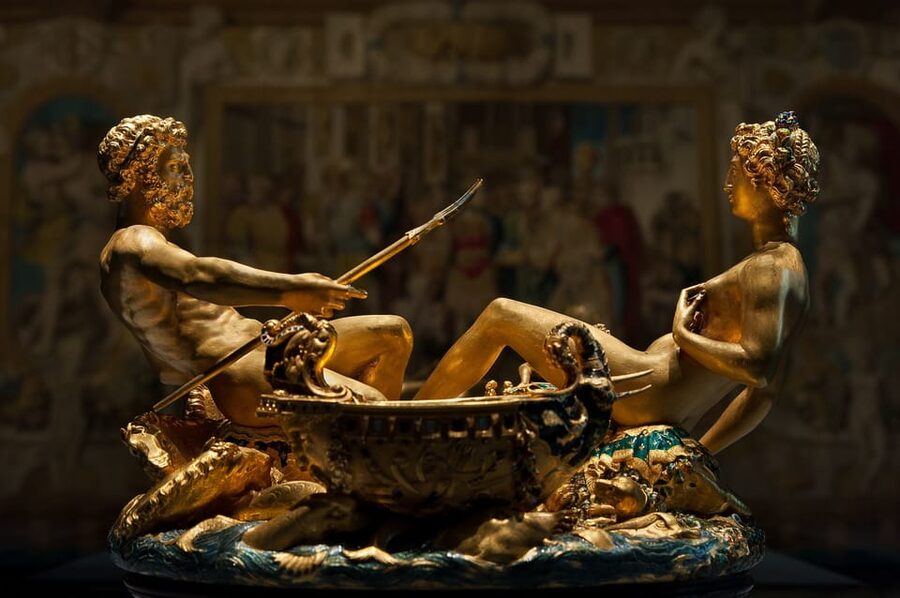
Cellini’s golden Saliera is the best-known object on the route. It is small compared with the museum’s grand paintings, but its material and design make it a natural focal point. A guide can explain why an object like this belonged in a royal collection and how it differs from a painting made for a church or palace wall.
The Madonna of Krumau is another listed highlight. Seeing it alongside the Saliera gives you a useful contrast between devotional art and the collecting culture of a ruling dynasty. The Kunstkammer is not simply a room of expensive things. It shows how European courts gathered objects to display power, taste, technical skill, and curiosity.
This part of the visit may appeal to you even if you are not an art specialist. The objects are often more intimate in scale, and their unusual forms help break up the long sequence of paintings. If you have already visited major museums in Paris or Madrid, the Kunstkammer also gives this Vienna museum its own character.
The collection is a strong reason to choose this guided visit over a general sightseeing walk. You are not only seeing famous names. You are also getting a look at the strange and precious objects that do not always receive much attention from independent visitors.
More museums in Vienna:
- Vienna: Skip-the-Line Sisi Museum, Hofburg and Gardens Tour
★ 4.8 · 5,918 reviews - Tickets for the Albertina Exhibitions
★ 4.7 · 2,126 reviews - Vienna: Chocolate Workshop in Chocolate Museum w/ Tasting
★ 4.5 · 1,802 reviews - Sigmund Freud Museum Ticket
★ 4.6 · 1,668 reviews
The guides make the difference
The tour is conducted in English by a professional Austria Guide. The individual guide can vary, but several names associated with especially strong experiences include Dieter, Cornelia, Brenda, Tolga, and Achim.
Dieter has been praised for explaining both art history and the technical side of the works. That distinction matters. A good museum guide should tell you what a painting depicts, but also help you notice how the artist achieved the effect.
Cornelia is described as lively and thorough, with a talent for making the museum’s major works approachable. Brenda is noted for humor, stories, and careful answers to questions. Tolga’s route was appreciated for choosing works that were entertaining as well as educational.
Achim brings an artist’s perspective, according to the information available about his tour. That may appeal to you if you want more attention to the making of the paintings, not only the political or religious background.
You should not book based on a promise that one particular guide will lead every departure. Guide assignments can vary. The useful point is that the strongest experiences have come from guides who select the important works wisely, explain them clearly, and adjust when a small group shows interest in a particular painting or object.
How much value do you get for $116?
At $116 per person, this is not a budget museum visit. You are paying for admission, a professional guide, skip-the-line access, and a small group capped at 15 people.
The value depends on how you like to visit museums. If you can walk into a large collection, identify the essential works, and enjoy reading labels on your own, the price may feel high. You could prefer standard admission and spend several hours exploring independently.
If you want a clear route through a vast museum, the cost is easier to defend. You avoid the ticket line, gain an English-language explanation of the major paintings, and still have the freedom to remain inside afterward. The post-tour access is important because the guided portion cannot cover everything.
The private-tour possibility is another value point, but it is not guaranteed. Some departures have had only one or two participants, allowing the guide to respond to personal interests. The advertised maximum is 15, so plan for a small group rather than a private visit.
Temporary exhibitions are not included. If a special show is important to you, budget separately and confirm its arrangements before booking.
Who should book this museum tour?
I would choose this tour for a first visit to the Kunsthistorisches Museum, especially if you have limited time in Vienna or feel unsure about old-master painting. You will get a reliable introduction to famous works without spending your first hour figuring out the floor plan.
It also suits people who enjoy asking questions. The small format gives you a better setting for discussion than a large group, and several guides have shown an ability to adapt when participants take interest in a less obvious work.
Families with older children and teenagers may also find the mixture of paintings and unusual objects easier to enjoy than a visit focused only on formal art analysis. Anyone aged 0 to 18 must bring valid photo identification for the security check.
This tour is less suitable for you if you use a wheelchair or have mobility impairments. The activity is not suitable for wheelchair users or people with mobility impairments. You should also skip it if you want to move at your own pace, sit with one painting for half an hour, or cover every collection in detail.
What to see after the guided route
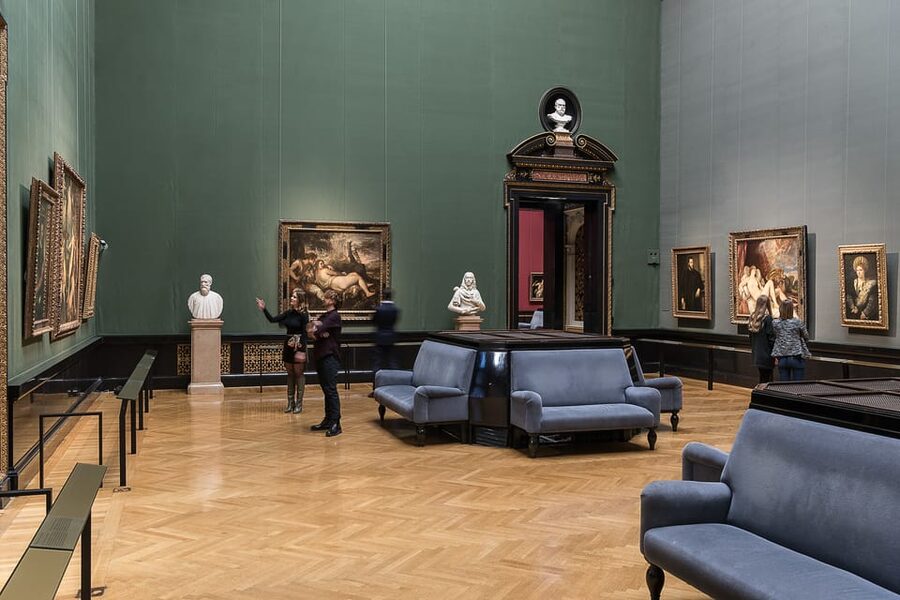
Do not rush out when the guided portion ends. You are free to remain in the museum and explore the collections not covered by the route.
The ancient Greek, Roman, and Egyptian sections are specifically included among the areas you can visit afterward. This is one of the best practical features of the booking. You can use the guided tour to understand the Picture Gallery and Kunstkammer, then continue alone while the museum’s layout and main collections are still fresh in your mind.
You might want to decide in advance whether you prefer to stay for another hour or simply see a few additional rooms. After two hours of concentrated looking, your attention may be fading. A short independent visit can be more rewarding than trying to inspect everything.
The museum’s size also means you should not plan another tightly scheduled attraction immediately afterward. The tour itself lasts 135 minutes, and the meeting procedure, security, cloakroom, and final independent visit all take time.
Booking details worth knowing
The meeting point is the Kunsthistorisches Museum Wien at Maria-Theresien-Platz, 1010 Vienna. Meet outside at the right end of the stairs, beside the group ticket counter at Container 2, and arrive 15 minutes before departure.
The activity requires at least four participants. If that minimum is not reached, you will be offered another date or a full refund. The tour is in English, and skip-the-line admission is included.
You can cancel up to 24 hours before the start for a full refund. A reserve-now, pay-later option is also available, which helps if your Vienna plans are still shifting.
Remember the practical restrictions: no flash photography, and umbrellas, backpacks, and raincoats must stay in the cloakroom. The ticket does not include hotel pickup or drop-off, and temporary exhibitions cost extra.
FAQ
How long does the Kunsthistorisches Museum tour last?
The stated duration is 135 minutes, or two hours and 15 minutes. The tour description also allows for roughly two to two-and-a-half hours.
Is admission included in the price?
Yes. The experience includes museum entrance fees and a small-group guided tour.
What language is the tour conducted in?
The live tour guide speaks English.
How large is the group?
The group is limited to a maximum of 15 participants. If only a few people book, the visit may be much smaller, but a private tour is not guaranteed.
Where do I meet the guide?
Meet outside the Kunsthistorisches Museum Wien at Maria-Theresien-Platz, at the right end of the stairs leading to the entrance. The meeting point is beside the group ticket counter, marked Container 2. The guide wears a red-white-red Austria Guide badge.
Can I stay in the museum after the guided tour?
Yes. After the guided portion, you may continue exploring the museum, including the ancient Greek, Roman, and Egyptian collections.
Are backpacks and umbrellas allowed inside?
No. Umbrellas, backpacks, and raincoats must be left in the cloakroom. Non-flash photography is permitted.
Should you book it?
Book this tour if you want the major paintings explained by a strong English-speaking guide and you value a small group over the lowest possible admission price. The combination of Bruegel, Vermeer, Caravaggio, Raphael, Rembrandt, and the unusual Kunstkammer objects gives you a well-shaped introduction to Vienna’s great museum.
At $116, it is best for a first visit, a short stay, or anyone who wants help seeing the collection intelligently. Independent museum regulars may find the price steep and the fixed route limiting. For everyone else, the chance to focus on the essential rooms, ask questions, and continue exploring afterward makes this a sensible splurge.
Just added around Vienna
- Vienna: Johann Strauss 200th birthday anniversary exhibition★ 4.7 · 3 reviews
- Vienna Private Full Day Tour – Tickets to Schönbrunn & Lunch★ 5.0 · 3 reviews
- Private Tour from Vienna to Melk and Dürnstein★ 4.5 · 3 reviews
- Private Salzburg Day Trip from Vienna★ 4.0 · 3 reviews
- Vienna: Entry Ticket Belvedere 21 & Contemporary Art★ 4.3 · 3 reviews
- Full-Day Private Trip from Vienna to Budapest★ 4.5 · 3 reviews
- Vienna by Night: Private Evening Food and Drink Tour★ 5.0 · 3 reviews
- 1.5 Hour Cinematic Style Portrait Photoshoot and Tour in Vienna★ 4.5 · 3 reviews
Kunsthistorisches Museum Tours, compared.
Vienna Kunsthistorisches Museum Day Admission Ticket
Read our review →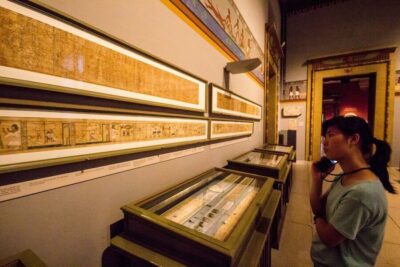
Combo Ticket: Kunsthistorisches Museum & Imperial Treasury
Read our review →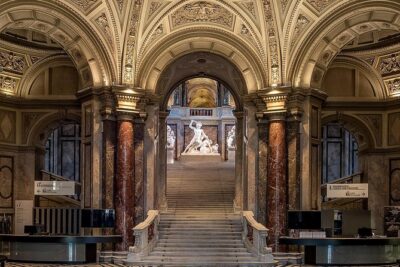
Skip the Line: Kunsthistorisches Museum Vienna Entrance Ticket
Read our review →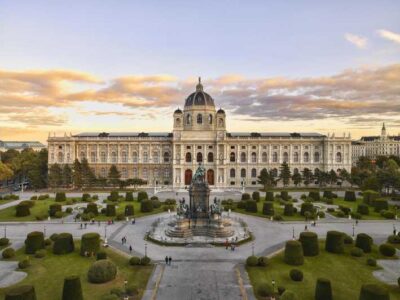
Kunsthistorisches and Leopold Museum Combo Ticket
Read our review →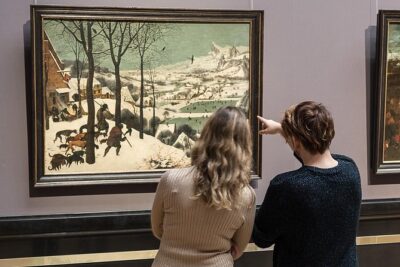
Kunsthistorisches Museum Vienna and Imperial Treasury of Vienna
Read our review →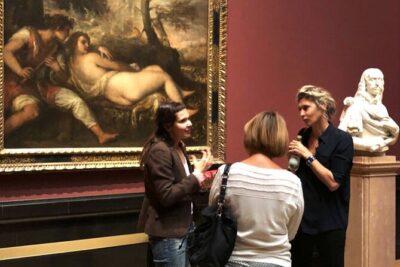
Private Tour of the Kunsthistorisches Museum: Secrets of Masterpieces | Tickets included
Read our review →
Kunsthistorisches Museum Wien Guided Tour including admission
Read our review →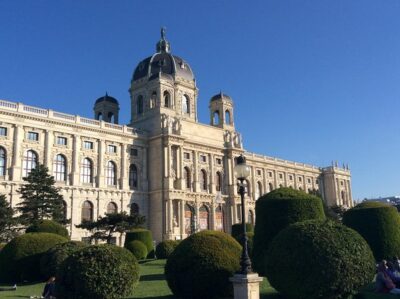
Private Tour of the Picture Gallery of the Fine Arts Museum VIenna (Kunsthistorisches Museum) with an Art Historian
Read our review →Browse the lists this tour appears in