
Reviewed · HISTORICAL TOURS
Time Travel-Magic Vienna History Tour Ticket
Roman soldiers, Habsburg emperors, plague victims, famous composers and a World War II air raid all appear in about an hour at Time Travel Vienna. The show takes place in the 400-year-old Michaelerkloster vaults, where 5D cinema, virtual reality, animatronics, projections and theatrical sets turn Vienna’s past into a fast-moving ride.
I like the mix of history and technology, especially the 5D cinema and virtual reality sections. I also like how the show covers several eras without asking you to read long panels or follow a serious lecture. The main drawback is that the history is broad and simplified, so you should not book this expecting a detailed historical study or a fully realistic reconstruction.
In This Review
- Key things to know before booking
- Entering the Michaelerkloster vaults
- Roman Vindobona and Vienna’s earliest chapter
- Plague, fear and Vienna’s darker side
- Habsburg emperors in fast motion
- Mozart, Strauss and the waltz car
- The 5D cinema and virtual reality ride
- WWII, the air raid shelter and postwar Austria
- A fun format with real limits
- Is $27.76 a fair price?
- Who should book Time Travel Vienna?
- My verdict on the one-hour history show
- FAQ
- How long does Time Travel Vienna last?
- What language options are available?
- What historical periods are covered?
- Does the ticket include admission?
- Is hotel transportation included?
- Are children allowed to participate?
- Can I cancel for a refund?
Key things to know before booking
- Roman Vienna and Vindobona: Travel back to the Roman camp that helped shape Vienna’s early story.
- Several types of special effects: Expect video, 5D cinema, VR, animatronics, hologram-style displays and small simulated rides.
- A quick Habsburg overview: The show introduces imperial Vienna and its famous rulers in a lively, easy-to-follow way.
- Dark chapters are included: You enter a plague setting and an original air raid shelter linked to WWII.
- English audio is available: German live commentary is translated through headphones into 10 languages, including English.
- Best for a short, family-friendly history lesson: The tone is playful and the technology is a major part of the appeal.
Entering the Michaelerkloster vaults
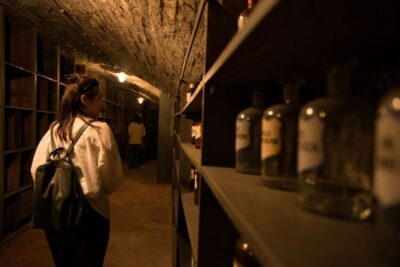
Time Travel Vienna is not a walking tour through the city streets. You stay inside the historic Michaelerkloster, in old underground vaults, and move through a series of staged rooms and media presentations.
That setting gives the experience a useful sense of place. You are not looking at Vienna from a modern classroom. You are below one of the city’s central historic areas, surrounded by old masonry and theatrical lighting, while the show jumps through centuries above and around you.
The format is guided. German commentary is presented live, while you can listen in English, Spanish, Italian, French, Japanese, Chinese, Russian, Hungarian, Polish or Czech through an audio guide. If English is your language, the headset makes the experience easy to follow, though the show also depends on sound effects and spoken narration, so a noisy group nearby can affect the mood.
The group size can reach 32 people. That is not enormous, but the experience is made up of several stations, screenings and interactive moments. Staying close to the guide matters. If you are visiting with children, it is worth reminding everyone to listen during the audio sections so the narration does not get lost.
More history walks in Vienna:
- Vienna: Time Travel and Magic Vienna History Tour
★ 4.6 · 3,879 reviews - Vienna: World War II Historical Walking Tour
★ 4.8 · 1,772 reviews - Vienna Historic Center Small Group Walking Tour
★ 5.0 · 1,746 reviews
Roman Vindobona and Vienna’s earliest chapter
The first major historical stop takes you to Roman Vienna, known as Vindobona. This part gives you a basic sense of how Vienna began as a Roman military settlement and how the city’s earliest story fits into the larger sweep of European history.
You should think of this as an introduction, not an archaeological lesson. The show uses visual effects and staged presentation to make the Roman period understandable in a few minutes. That works well if you are new to Vienna, especially if you want a quick framework before visiting the city’s museums, churches and imperial sights.
I like this opening because it gives the rest of the show a starting point. Later sections about rulers, music and war make more sense when you have first seen Vienna as a Roman outpost. The tradeoff is brevity. The experience cannot spend much time on daily Roman life, military organization or the physical remains of Vindobona.
Plague, fear and Vienna’s darker side
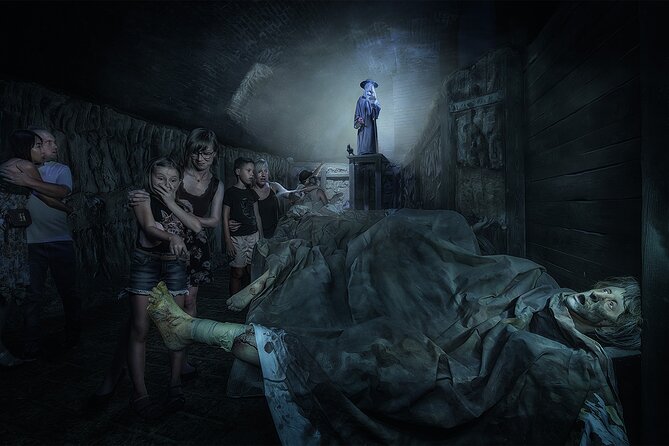
The show then shifts into the medieval city and its plague-ridden streets. A plague pit forms part of the presentation, giving the history a darker edge than the lighter musical and imperial sections.
This is one of the places where the special effects matter. You are not simply told that disease changed Vienna. The staged setting and sound help you picture what fear and loss meant in a crowded medieval city.
The scene may be too theatrical for anyone seeking a sober historical account, and younger children may find the darker sections uncomfortable. The experience is generally designed as entertainment, but it does not skip every unpleasant part of Vienna’s past. That balance is useful. A city tour that only presents palaces and music leaves out much of what shaped Vienna.
Habsburg emperors in fast motion
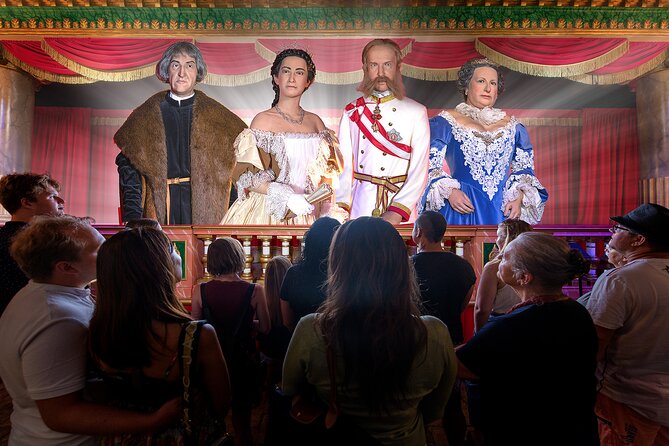
The Habsburg era receives a major section, as you would expect in Vienna. The show introduces the emperors and the imperial world through projections, figures and visual scenes rather than a long spoken explanation.
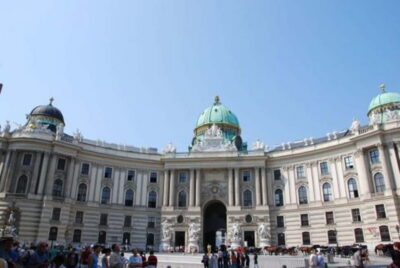
This is a good way to get your bearings before visiting Schönbrunn Palace, the Hofburg or the Imperial Treasury. You will not come away knowing every succession, marriage or political crisis, but you will have a clearer idea of why the Habsburgs dominate Vienna’s historic identity.
I find this section most useful for first-time visitors who want context without committing to a full museum tour. It also suits families. Children may not remember every emperor’s name, but they can grasp the scale and ceremony of imperial Vienna through the presentation.
The limitation is that the imperial story can feel compressed. If the Habsburgs are your main interest, use this show as a preview, then visit one of Vienna’s actual palaces or museums for the details and original objects.
A few more Vienna tours worth weighing up
- Vienna: Classic Ensemble Vienna in St. Peter’s Church Ticket
★ 4.7 · 4,819 reviews - Vienna Kunsthistorisches Museum Day Admission Ticket
★ 4.6 · 3,690 reviews - Vienna: Tickets for Mozarthaus Vienna with Audio Guide
★ 4.2 · 2,344 reviews - Vienna: Skip-the-Line Entrance Ticket to the Danube Tower
★ 4.5 · 2,303 reviews
Mozart, Strauss and the waltz car
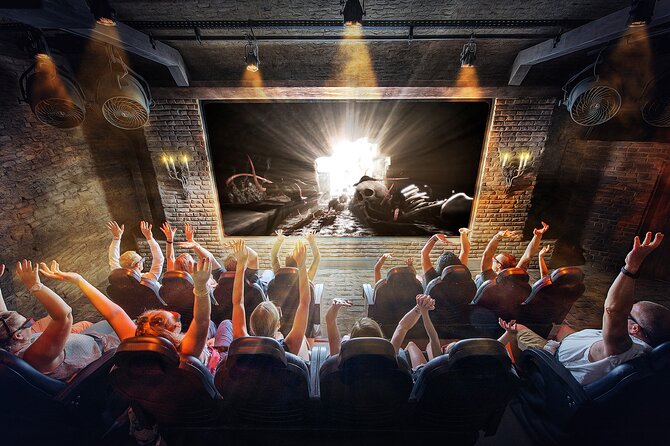
Vienna’s musical past gets a more playful treatment. You meet representations of Mozart and Johann Strauss, then take part in a spinning waltz-themed car ride.
This section is one of the show’s most accessible ideas. Vienna’s music history can seem intimidating if you do not already know the composers, but a short theatrical sequence gives you a quick introduction. The simulated ride adds movement and humor, which helps younger visitors stay engaged.
The music section also shows why this experience works best as a city orientation. You will not hear a full concert or study the composers’ work in depth. Instead, you get a memorable reminder that music is central to Vienna’s public image and cultural life.
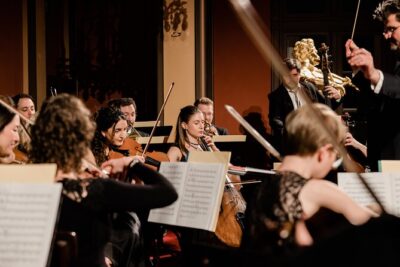
If you are choosing between this attraction and a concert, they serve different purposes. Time Travel Vienna gives you a brisk visual history lesson. A concert gives you the music itself. Many visitors could reasonably enjoy both, but this show should not be treated as a substitute for live classical music.
The 5D cinema and virtual reality ride
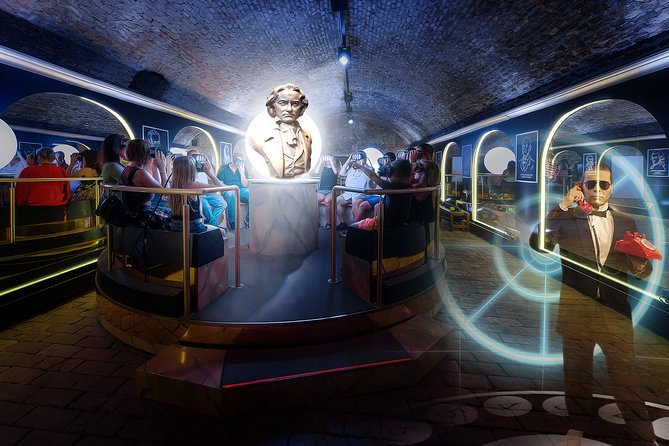
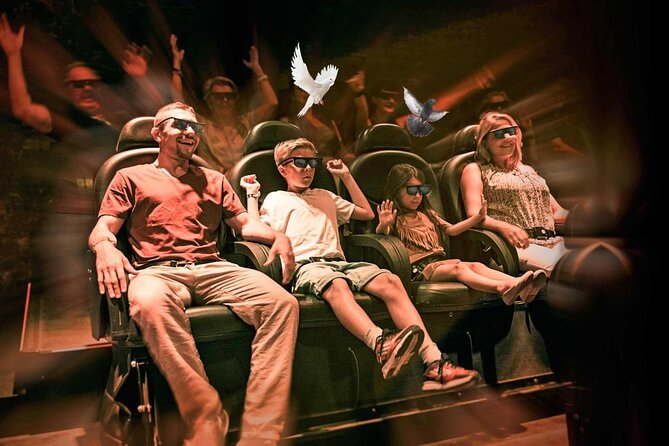
The 5D cinema is one of the strongest reasons to book. The format adds physical movement and effects to the film, making historical scenes feel more immediate than a standard documentary.
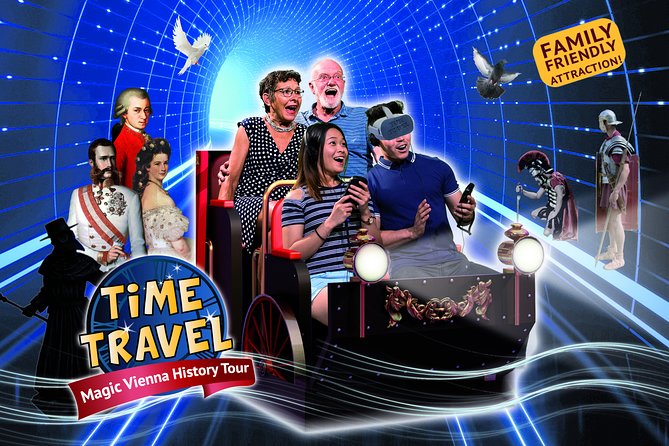
The virtual reality portion offers another view of Vienna. You see landmarks in a way that a normal street walk cannot provide, including a virtual fiaker ride over the city. This is especially useful when you have limited time or when weather makes a longer outdoor visit less appealing.
The VR technology is also a major draw for teenagers and children. It gives the show a clear sense of variety. You are not standing in one room watching a single film for an hour. The experience changes from room to room, with wax figures, robotics, screens, special effects and simulated rides all contributing to the pace.
The technology has a practical weakness: it can become the main attraction. You may remember the spinning ride or the headset more clearly than the historical facts. That is not a serious problem for a family activity, but it matters if your priority is detailed history.
WWII, the air raid shelter and postwar Austria
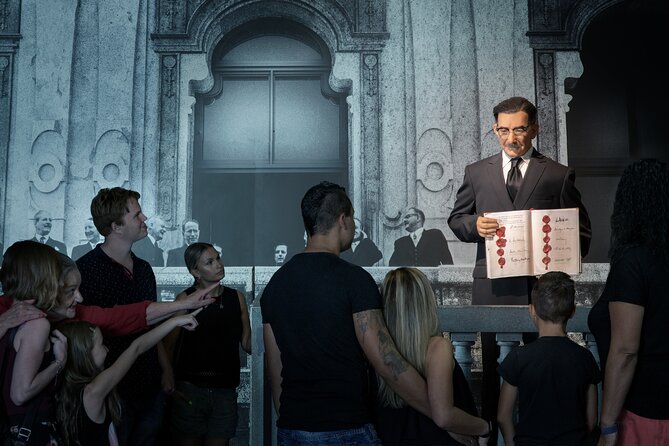
The modern sections include a WWII bombing raid and a refuge in an original air raid shelter. This is among the most serious moments in the show, and the shelter setting gives it extra force.
The scene is designed to make you consider what wartime Vienna felt like, rather than simply placing dates on a timeline. The air raid experience can be realistic and thought-provoking, though its brevity means it cannot explain the full political and human history of Austria during the period.
The show also includes Leopold Figl’s famous declaration that Austria is free. That moment moves the story into the postwar era and reminds you that Vienna’s history did not end with the imperial period.
One useful point is that the WWII material is present but not extensive. If you want a detailed account of the war, Nazi rule, postwar occupation or Austria’s political development, choose a museum or dedicated historical site. Here, the war is one chapter in a much larger production.
A fun format with real limits
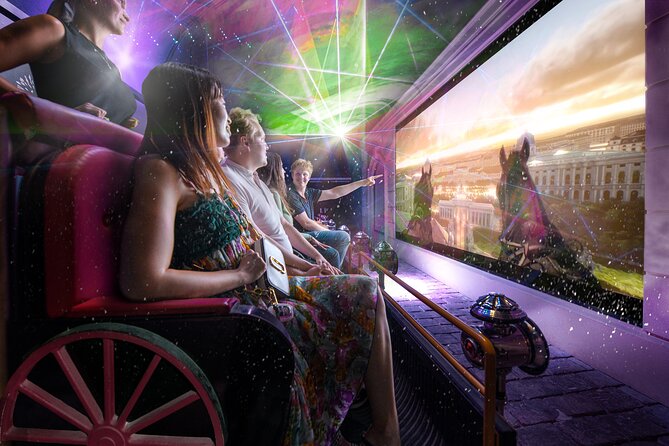
The best way to understand Time Travel Vienna is as a theatrical overview. It uses history as the framework for a sequence of media effects, short scenes and rides.
That makes it easy to recommend for families, first-time visitors and anyone looking for an indoor break from sightseeing. It is also useful at the beginning of a Vienna trip, since the overview can point you toward subjects you may want to explore later.
I would be more cautious about recommending it to history specialists. The story is intentionally simple, and the rapid pace leaves little room for debate, nuance or competing interpretations. If you already know Vienna well, the technology may be more interesting than the content.
The tone is light even when the subject is serious. That helps keep the hour moving, but it can also feel less realistic than some people expect. You should book it for an entertaining presentation of Vienna’s past, not for a historically exact reconstruction.
Is $27.76 a fair price?
At $27.76 per person, the value depends on what you want from a history experience. For an hour of guided entertainment using 5D cinema, VR, animatronics, projections and simulated rides, the price is reasonable, particularly for a family that wants one activity everyone can enjoy.
The value is also stronger if you are visiting Vienna briefly. You can absorb a broad outline of the city’s history in one compact stop, then decide which real places deserve more of your time. A family may find this easier than taking children through several formal museums.
The price is less attractive if you want original art, historic rooms or extensive historical detail. Much of what you see is created for the show. You are paying for presentation, atmosphere and convenience rather than access to a large collection.
The tour is often booked around 10 days ahead, so reserve early if you have a tight schedule. Confirmation arrives when you book, and free cancellation is available up to 24 hours before the start time. Changes or cancellations made inside that 24-hour window are not accepted for a refund, so check your date and time carefully.
Who should book Time Travel Vienna?
I would put this near the top of the list for:
- Families with school-age children or teenagers
- First-time visitors who want a quick city overview
- Anyone needing an indoor activity near central Vienna
- Visitors who enjoy VR, film effects and theatrical presentations
- People with limited time who want several historical periods in one stop
- Adults who prefer a light, playful introduction to history
I would look elsewhere if you want a serious treatment of Vienna’s wartime past, detailed Habsburg scholarship or a quiet museum experience. The show is also less suitable for anyone who dislikes simulated rides, theatrical effects or a fast sequence of presentations.
The attraction is near public transportation, and most people can participate. Animals are not allowed. Since the tour can include up to 32 people, families should keep children close and make sure audio commentary can be heard.
My verdict on the one-hour history show
Time Travel Vienna offers a smart way to get a first outline of the city. The strongest parts are the changing formats, the 5D cinema, the VR views, the musical ride and the chance to move from Roman Vienna to the Habsburgs, plague, WWII and postwar Austria without leaving the historic vaults.
I like it most as a family activity or a first-day orientation. It gives you enough context to make later visits to the Hofburg, Schönbrunn, museums and concert halls more meaningful. The experience is fun, informative and generally good value at $27.76, but keep your expectations in check.
Book it if you want history presented with motion, sound and special effects. Skip it if your ideal Vienna experience involves original objects, long explanations and a more exact account of the past.
FAQ
How long does Time Travel Vienna last?
The experience lasts approximately one hour.
What language options are available?
The tour includes audio guides in English, Spanish, Italian, French, Japanese, Chinese, Russian, Hungarian, Polish and Czech. German commentary is provided live and translated through headphones.
What historical periods are covered?
The experience includes Roman Vienna and Vindobona, medieval Vienna during the plague, the Habsburg period, Vienna’s musical heritage, WWII and postwar Austria.
Does the ticket include admission?
Yes. Admission to Time Travel: The Vienna History Show is included.
Is hotel transportation included?
No. Hotel pickup and drop-off are not included. The attraction is near public transportation.
Are children allowed to participate?
Most people can participate, and the presentation is suitable for families. The experience includes VR, simulated rides and other effects that appeal to children and teenagers.
Can I cancel for a refund?
You can cancel up to 24 hours before the start time for a full refund. Cancellations or changes made less than 24 hours before the experience are not accepted for a refund.
Just added around Vienna
- Private Tour from Vienna to Melk and Dürnstein★ 4.5 · 3 reviews
- Vienna: Johann Strauss 200th birthday anniversary exhibition★ 4.7 · 3 reviews
- Vienna Private Full Day Tour – Tickets to Schönbrunn & Lunch★ 5.0 · 3 reviews
- Private Salzburg Day Trip from Vienna★ 4.0 · 3 reviews
- Vienna: Entry Ticket Belvedere 21 & Contemporary Art★ 4.3 · 3 reviews
- Full-Day Private Trip from Vienna to Budapest★ 4.5 · 3 reviews
- Vienna by Night: Private Evening Food and Drink Tour★ 5.0 · 3 reviews
- 1.5 Hour Cinematic Style Portrait Photoshoot and Tour in Vienna★ 4.5 · 3 reviews
Historical Tours, compared.
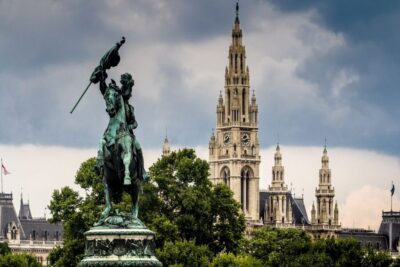
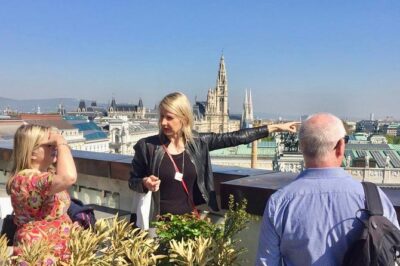
Vienna Historic Center Small Group Walking Tour
Read our review →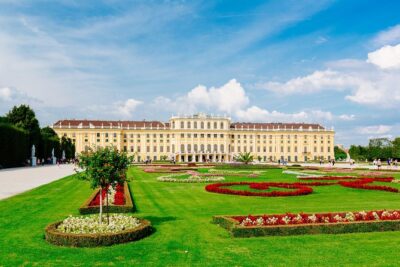
Skip-the-Line Schonbrunn Palace Guided Tour and Vienna Historical City Tour
Read our review →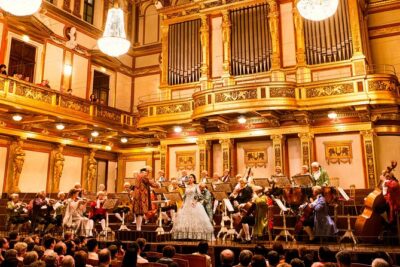
Vienna Mozart Concert in Historical Costumes at the Musikverein
Read our review →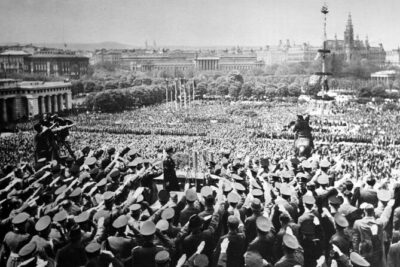
Vienna Classical Concert – Strauss in Historic 1837 Hall
Read our review →Browse the lists this tour appears in