
Reviewed · WALKING TOURS
An Introduction to Vienna Walking Tour
Vienna reveals itself best on foot, and this tour gives you a strong first look at the city’s imperial power, grand architecture, music, art, and everyday café culture. You move from the Hofburg and Stephansdom to the Secession, Ringstraße, Naschmarkt, and the elegant streets of Graben and Kohlmarkt.
I like the small group, capped at eight people, and the way guides such as Katarina, Ilse, Annelie, and Wolfgang turn buildings into stories rather than simply pointing them out. I also like the practical local advice, including suggestions for schnitzel, sausages, coffeehouses, and alternatives to waiting at the Sacher Hotel.
The main caution is price. At $181.02 per person, this is a costly walking tour, especially when compared with large group options. You are paying for a highly personal guide-led experience, not entry tickets or food.
In This Review
- Key Points at a Glance
- Starting at Café Hawelka and Michaelerplatz
- From the Hofburg to the Loos House
- Stephansdom and the Heart of the City
- Kohlmarkt, Graben, and the Plague Column
- The Ringstraße and Vienna’s Imperial Ambition
- Maria-Theresien-Platz and Vienna’s Museum District
- The Secession and Vienna Around 1900
- Naschmarkt and the Taste of Everyday Vienna
- Guides Who Make the Difference
- Does the Small Group Justify $181.02?
- How to Use This Tour in Your Vienna Plans
- Who Should Book It?
- Final Recommendation
- FAQ
- How long is the Vienna walking tour?
- Where does the tour begin?
- Where does the tour end?
- What sights are included on the walk?
- How many people can join the tour?
- Is food or drink included?
- What is the cancellation policy?
Key Points at a Glance

- Imperial Vienna in one walk: Begin at Michaelerplatz beside the Hofburg and trace the city’s long Habsburg story.
- A compact group: Bookings can include up to six people, with a maximum tour size of eight.
- Architecture across the centuries: See medieval Stephansdom, imperial palaces, the Ringstraße, Loos House, and the Secession.
- Strong guide-led storytelling: Guides including Katarina, Ilse, Annelie, Wolfgang, and Christina are praised for history, humor, and local insight.
- Useful first-day orientation: The route helps you decide which museums, palaces, cafés, and restaurants to visit later.
- A premium walking tour: The cost is high, but the small size can make it feel close to a private tour.
Starting at Café Hawelka and Michaelerplatz
The meeting point is Café Hawelka, at Dorotheergasse 6 in Vienna’s first district. From there, the walk begins at Michaelerplatz, one of the city’s best places to understand Vienna at a glance.
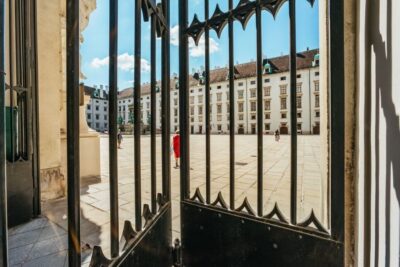
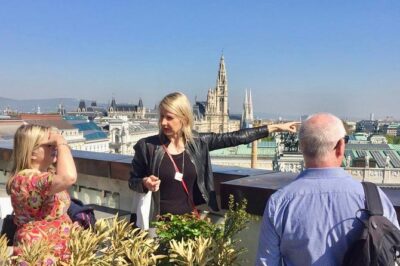
The Hofburg dominates the square. This was the Habsburg imperial palace and the seat of power from the 13th century onward. Your guide uses the palace as a doorway into Austria’s political story, including the long Habsburg rule and the people who shaped Vienna.
This opening works well because the Hofburg is not just a grand building to admire. It represents a system of rule that influenced architecture, music, religion, warfare, court ceremony, and daily life. A strong guide can help you see those links before you start visiting individual museums and palaces.
The square also gives your guide room to explain how Vienna changed over time. You may hear about the medieval city, the imperial court, and the later transformation of Vienna into a modern European capital. The focus is historical, but the best guides keep the talk grounded in the buildings around you.
More walking tours in Vienna:
- Vienna: Guided Walking Tour of City Center Highlights
★ 4.7 · 4,989 reviews - Vienna: Vienna Central Cemetery Guided Walking Tour
★ 4.8 · 3,307 reviews - Vienna: Guided Walking Tour of City Highlights & Hidden Gems
★ 4.9 · 2,180 reviews
From the Hofburg to the Loos House
Clockwise from the Hofburg, the route takes in the green and gray Loos House, designed by Austrian architect Adolf Loos. It is an important change of mood from the palace’s imperial decoration.
Loos House is associated with the modern architectural ideas that challenged Vienna’s older taste at the turn of the 20th century. The building gives the walk a useful architectural contrast: imperial grandeur on one side, stripped-back modernism on the other.
This is one of the tour’s better features. You are not only looking at famous monuments. You are also seeing how Vienna argued with itself about style, tradition, and modern life. That makes the city easier to read when you later walk through other neighborhoods on your own.
The precise amount of time spent at each stop can vary. If you want long interior visits, this is not the right tour. The experience is an outdoor overview, with buildings and public spaces serving as the main classroom.
Stephansdom and the Heart of the City
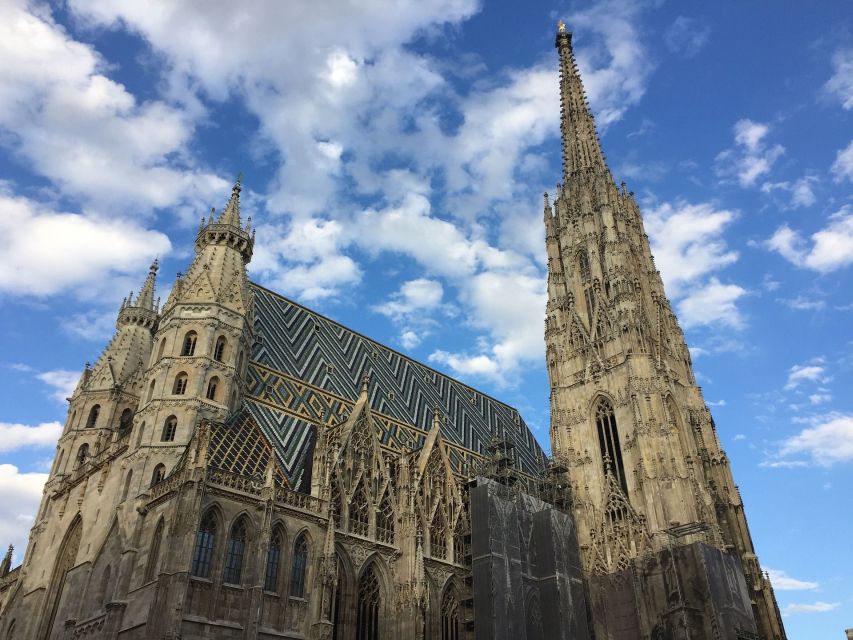
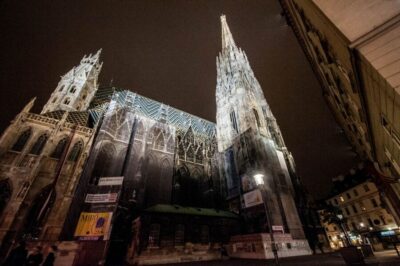
Stephansdom, or St. Stephen’s Cathedral, is Austria’s national architectural icon and one of the essential sights in central Vienna. The tour includes a look at the cathedral as part of the larger city walk.
Its importance is both religious and civic. Stephansdom has long been tied to Vienna’s identity, and its location places you in the center of the old city. Your guide can connect the cathedral to the Habsburgs, the city’s religious life, and the growth of Vienna around its central streets.
The cathedral is also a useful orientation point. From here, you are close to major shopping streets, cafés, historic squares, and several of Vienna’s best-known attractions. I would schedule this tour early in your stay, then use the route to mark places you want to revisit.
Keep your expectations clear: this is not presented as an extended cathedral visit. Food, drinks, and admission fees are not included. The value comes from the explanation and the wider route, not from spending a long period inside any one site.
Kohlmarkt, Graben, and the Plague Column
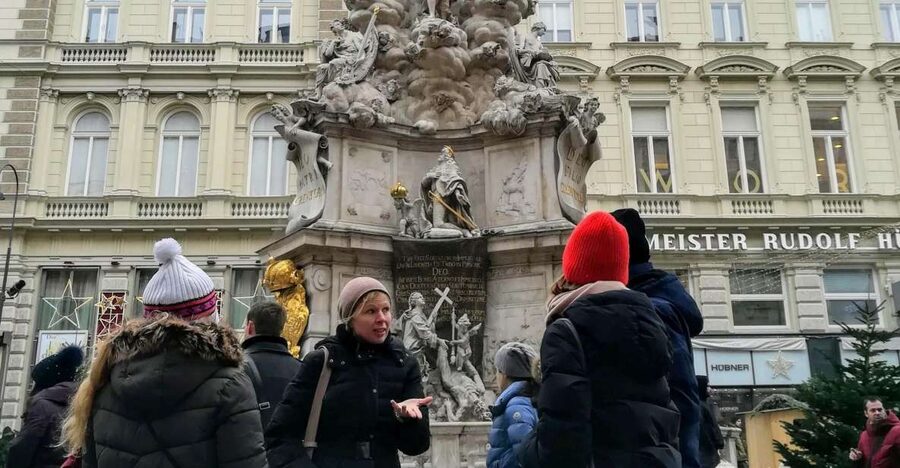
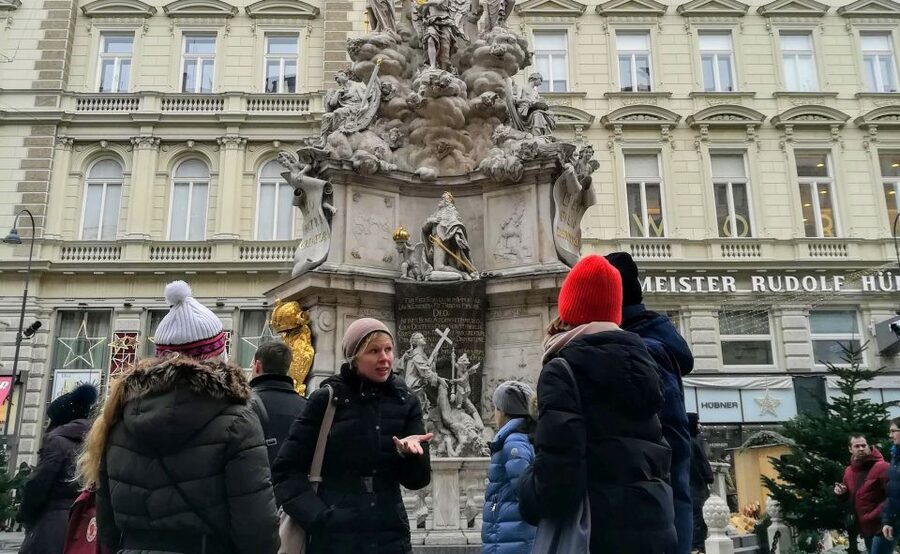
Kohlmarkt and the Graben form one of Vienna’s most fashionable shopping districts. The streets are polished and central, but they also carry layers of older history beneath the luxury shops and grand façades.
The Graben’s plague column commemorates the 17th-century outbreak of bubonic plague. It is an example of how Vienna’s public monuments often mix religion, politics, fear, and civic memory. A guide can explain more than the date on a plaque, showing you why such a monument was built and how it fits into the city’s story.
This part of the route is especially useful if you plan to explore central Vienna independently. You learn where the major pedestrian streets lead, how the old center is arranged, and which spots deserve a second visit at a quieter hour.
The drawback is that the area can feel more commercial than personal. If your main interest is local neighborhood life, this section may seem polished and tourist-oriented. The historical context helps balance that impression.
A different side of Vienna on the same trip:
- Vienna: Vivaldi’s Four Seasons Concert in Karlskirche
★ 4.7 · 14,951 reviews - Vienna: Spanish Riding School Training
★ 3.9 · 9,281 reviews - Vienna: Skip-the-cashier-desk-line Giant Ferris Wheel Ride
★ 4.5 · 7,859 reviews - Vienna: Schönbrunn Palace & Gardens Skip-the-Line Tour
★ 4.7 · 7,739 reviews
The Ringstraße and Vienna’s Imperial Ambition
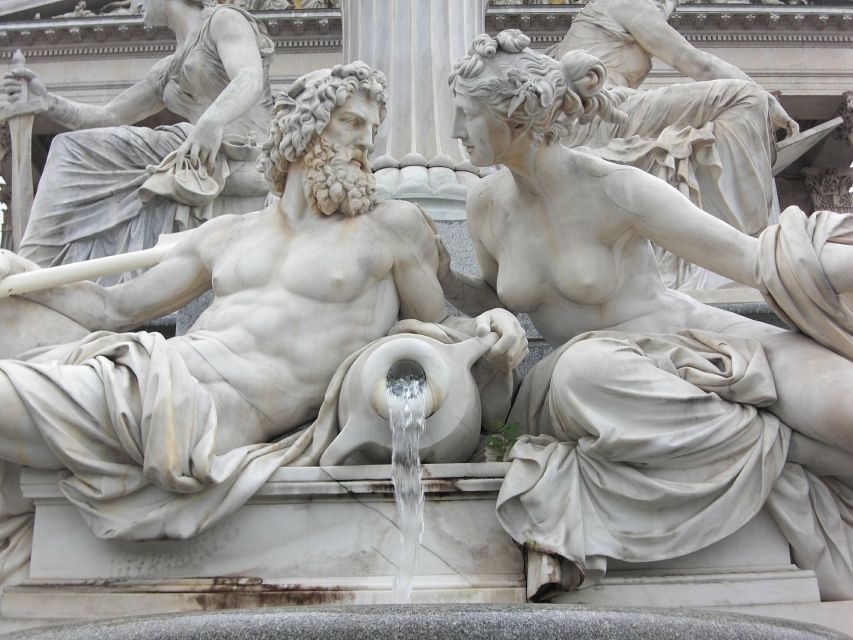
The Ringstraße is a grand boulevard built in the middle of the 19th century. The tour strolls along part of this important avenue, where many luxury hotels occupy former palace buildings.
The Ringstraße tells the story of Vienna’s expansion beyond its older defensive walls. Its public buildings and former palaces reflect a period when the city wanted to present itself as a major imperial capital.
A guide-led walk is helpful here because the scale can be confusing. You see broad streets, formal façades, and large civic buildings, but the meaning behind them is not always obvious. The guide explains how the boulevard was planned and how its architecture projected power and status.
This is also where the tour moves beyond the medieval and imperial center into the city’s 19th-century identity. You get a clearer sense of how Vienna became a city of opera, museums, government, grand hotels, and public ceremony.
The walk does not promise interior access to the Ringstraße buildings. If you want to tour a specific museum, palace, or government building, plan that separately.
Maria-Theresien-Platz and Vienna’s Museum District
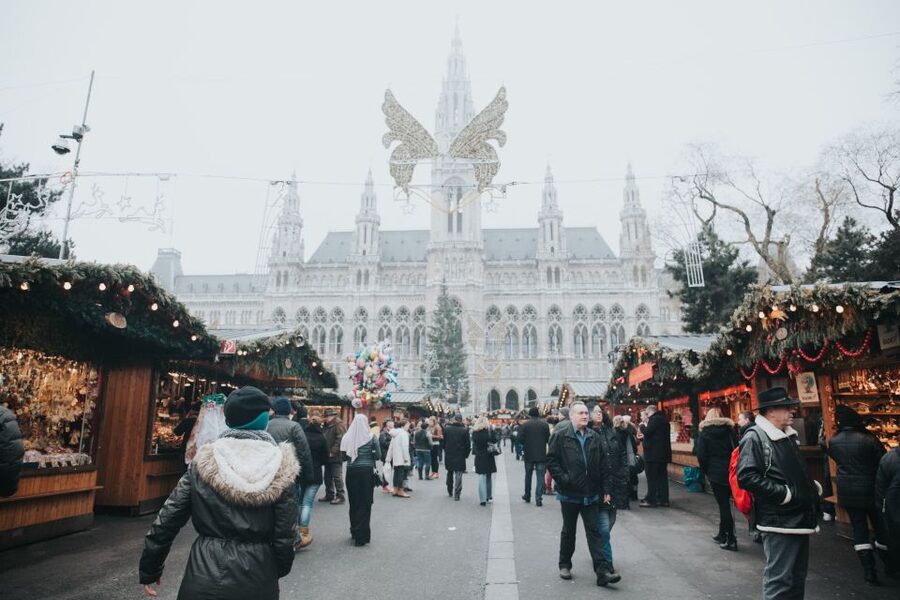
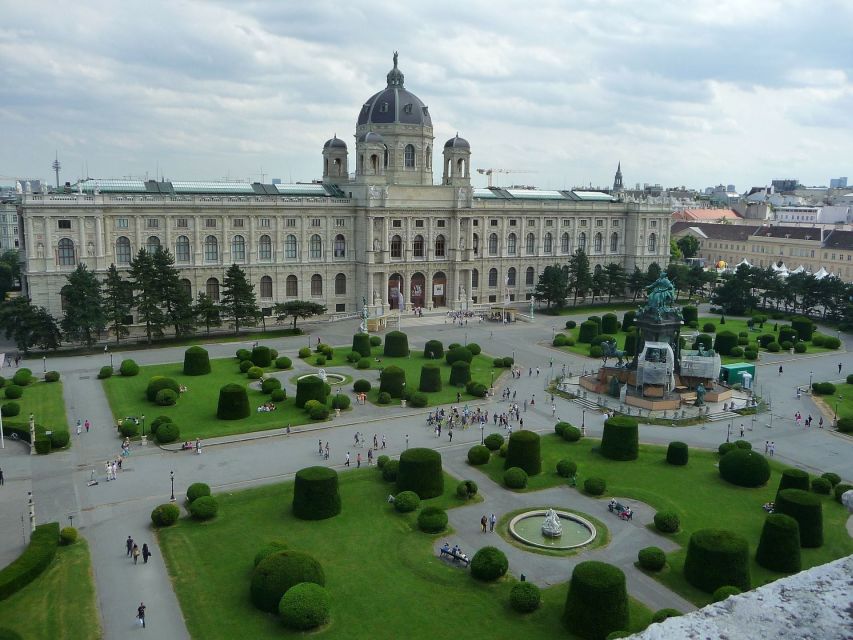
Maria-Theresien-Platz is home to Vienna’s largest concentration of museums. It is one of the route’s most useful stops for planning the rest of your visit.
The square gives you a quick sense of Vienna’s cultural scale. Instead of choosing museums at random, you can ask your guide which ones fit your interests and how to organize your time. The walk is especially useful for a short stay, when every museum visit needs to count.
The square also connects imperial planning with the city’s artistic life. Vienna’s museums are not scattered without purpose. They form part of a grand civic setting, and the buildings themselves are worth seeing even before you go inside.
Again, this is an orientation rather than a museum tour. Entry is not included, and the 2.5-hour schedule does not allow for detailed interior exploration.
The Secession and Vienna Around 1900
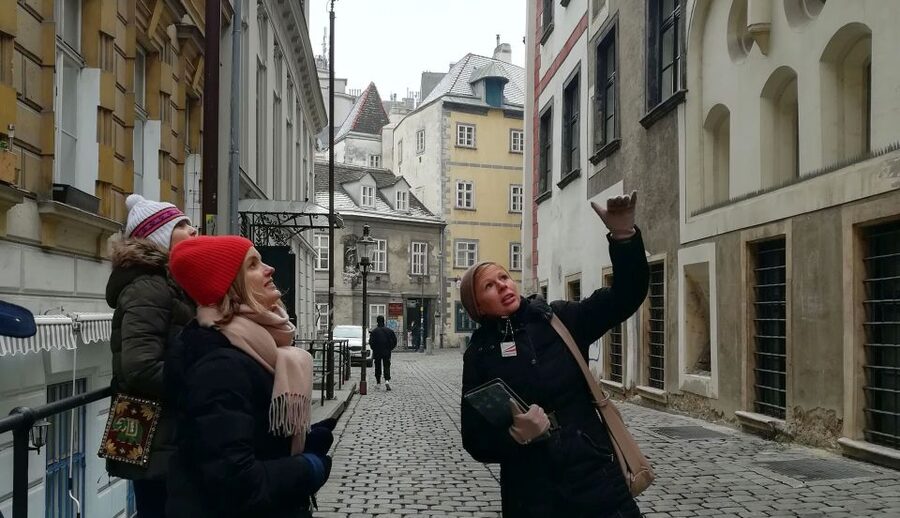
The Secession building brings the walk into Vienna’s turn-of-the-century avant-garde. Here, the conversation shifts to figures such as Gustav Klimt and Gustav Mahler, along with the artistic changes that made Vienna around 1900 so important.
This stop adds needed variety to a route otherwise weighted toward emperors, palaces, and churches. Vienna was not only a Habsburg capital. It was also a place of experimentation in art, music, architecture, and public ideas.
The Secession helps you understand the tension between old Vienna and modern Vienna. That tension appears in the building itself and in the work of the artists connected with the movement.
If your interests lean toward Klimt, Mahler, or early modern architecture, this may be one of the most rewarding parts of the walk. If you want a detailed art lecture, you should ask at booking what level of emphasis your guide is likely to provide, since the tour covers many subjects in a limited time.
Naschmarkt and the Taste of Everyday Vienna
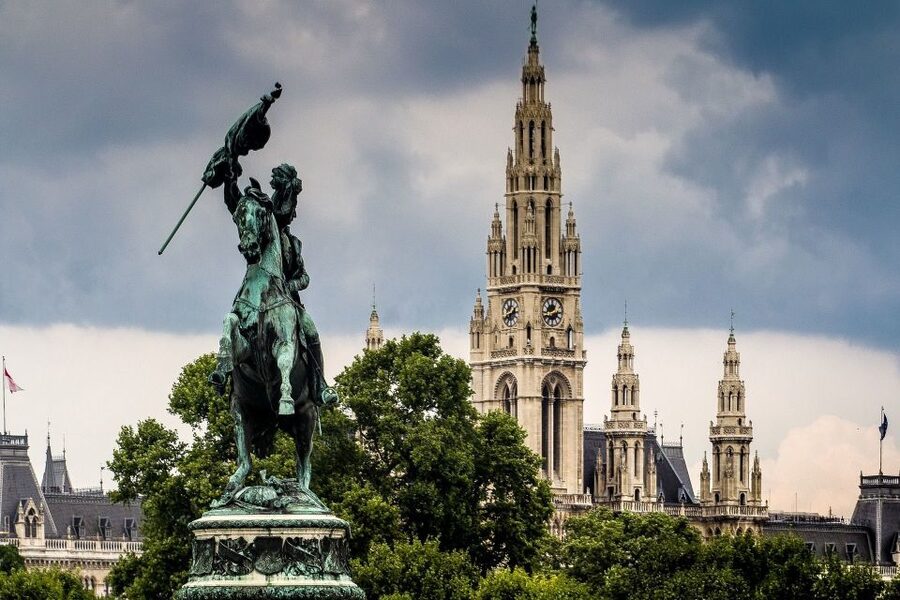
The route passes by Naschmarkt, Vienna’s colorful traditional food market. It is a place where local food, shopping, and social life come together.
You should not expect food or drinks to be included. Still, the market is a useful stop because it adds a more ordinary side of Vienna after the palaces and formal boulevards. It helps you see where the city eats, shops, and meets outside its grand historic center.
The tour’s practical advice is one of its strongest extras. Guides have suggested coffeehouses, good places for schnitzel and sausages, and Viennese snacks that do not always appear in standard guidebooks. One guide even added music by Mozart and Haydn, Sisi’s favorite candies, and a local snack to the experience. Those touches are not guaranteed, but they show the kind of personal detail this format can allow.
I would take notes during this section. Restaurant advice is most useful when you can remember the name later, especially if you are visiting Vienna for only a few days.
Guides Who Make the Difference
The guide is the central reason to choose this tour. Named guides connected with the experience include Katarina, Ilse, Annelie, Wolfgang, Christina, Billie, Angelika, and Elisabeth.
The strongest guide qualities are clear English, academic-level command of history, warmth, humor, and flexibility. Katarina is described as an animated storyteller who welcomes questions and explains small historical details. Ilse is praised for combining strong academic skills with a friendly manner. Annelie is noted for her understanding of Vienna both as a historian and as someone who has lived there.
Wolfgang’s approach centers on architecture and less-touristic walking paths, while Christina is praised for adjusting the route to suit the group. Elisabeth is remembered for covering both good and painful chapters of Austria’s past, including wartime history.
You cannot assume you will receive a particular guide, so it is best to book for the format and subject matter rather than one individual. Still, the repeated praise for the guide team suggests that the company’s main strength is its people.
Does the Small Group Justify $181.02?
At $181.02 per person, this is expensive for a 2.5-hour walking tour. There are no included meals, transport, or admissions, and you cover the city on foot.
The argument for the price is intimacy. The booking limit is six people, and the tour itself can have no more than eight. In practice, some departures have ended up with only one couple or even one participant, creating something close to a private walk.
That small size allows you to ask questions, slow down for a subject that interests you, and receive restaurant or museum suggestions suited to your plans. It also means the guide can speak clearly to the group instead of delivering short headlines to a crowd.
Still, the price will not suit every budget. One person found the experience enjoyable but thought a less expensive large-group tour would offer better value for a purely outdoor walk. I agree that you should book this only if personal attention and serious history matter more to you than saving money.
The tour is recommended by 97 percent of customers and carries a 4.9 rating from 67 reviews. Those figures point to a consistently strong experience, but they do not change the basic price calculation.
How to Use This Tour in Your Vienna Plans
Book it for your first day, or at least early in your stay. The route covers enough of central Vienna to give you a useful map in your head, and the guide can point you toward places to explore afterward.
Wear comfortable shoes. You will walk for about two and a half hours, with stops at outdoor landmarks. Bring protection from rain, wind, or cold, since the walk continues outdoors in poor weather unless conditions make it impossible.
The tour is offered in English and includes a mobile ticket. It starts at Café Hawelka and ends in Vienna, rather than at a hotel. Hotel pickup and drop-off are not included, so you need to make your own way to the café and arrange transport afterward if needed.
Most people can participate, and the meeting point is near public transportation. Free cancellation is available up to 24 hours before the start time. Changes or cancellations inside that window are not accepted for a refund.
Who Should Book It?
I would choose this for a first visit, a short stay, or anyone who wants Vienna explained through history and architecture rather than collected as a series of photo stops.
It suits couples, families, and small groups who value conversation. It is also a good fit if you want help choosing restaurants, cafés, museums, and later sightseeing.
You may want a cheaper large-group tour if your main goal is a quick checklist of sights. You may also prefer a private tour with guaranteed customization if you have very specific priorities, such as the city hall, parliament, the Holy Lance, or extensive interior visits. Those subjects were not consistently part of this route.
Final Recommendation
Book this tour if you want an intelligent introduction to Vienna and are comfortable paying a premium for a small group and a strong historian guide. The best parts are the range of subjects, the practical local tips, and the chance to ask questions along the way.
Skip it if $181.02 feels too high for an outdoor walk or if you want included admissions and food. For most first-time visitors who want to get their bearings fast and understand why Vienna looks the way it does, this is a worthwhile, focused start.
FAQ
How long is the Vienna walking tour?
The guided walk lasts approximately 2 hours and 30 minutes.
Where does the tour begin?
The meeting point is Café Hawelka at Dorotheergasse 6, 1010 Wien, Austria. The route then begins at Michaelerplatz near the Hofburg.
Where does the tour end?
The listed ending point is Vienna, Austria. Hotel drop-off is not included.
What sights are included on the walk?
The route includes the Hofburg, Stephansdom, the Ringstraße, Loos House, Maria-Theresien-Platz, the Secession building, Naschmarkt, Kohlmarkt, and the Graben with its plague column.
How many people can join the tour?
A booking can include a maximum of six people, and the tour has a maximum capacity of eight travelers.
Is food or drink included?
No. Food and drinks are not included unless specifically stated. Guides may offer suggestions for cafés, snacks, schnitzel, and sausages during the walk.
What is the cancellation policy?
You can cancel up to 24 hours before the experience begins for a full refund. Cancellations or changes made less than 24 hours before the start time are not accepted for a refund.
Just added around Vienna
- Private Tour from Vienna to Melk and Dürnstein★ 4.5 · 3 reviews
- Vienna: Johann Strauss 200th birthday anniversary exhibition★ 4.7 · 3 reviews
- Vienna Private Full Day Tour – Tickets to Schönbrunn & Lunch★ 5.0 · 3 reviews
- Private Salzburg Day Trip from Vienna★ 4.0 · 3 reviews
- Vienna: Entry Ticket Belvedere 21 & Contemporary Art★ 4.3 · 3 reviews
- Full-Day Private Trip from Vienna to Budapest★ 4.5 · 3 reviews
- Vienna by Night: Private Evening Food and Drink Tour★ 5.0 · 3 reviews
- 1.5 Hour Cinematic Style Portrait Photoshoot and Tour in Vienna★ 4.5 · 3 reviews
Walking Tours, compared.
Guided Walking Tour of City Center Highlights
Read our review →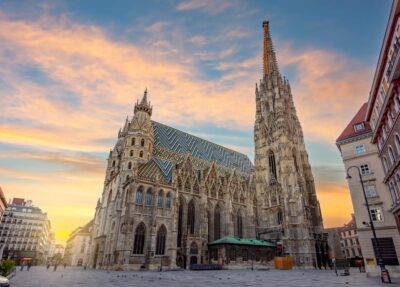
Guided Walking Tour of City Highlights & Hidden Gems
Read our review →
Vienna Historic Center Small Group Walking Tour
Read our review →
Ghosts and Legends Guided Nighttime Walking Tour
Read our review →Browse the lists this tour appears in