
Reviewed · WALKING TOURS
Vienna: City Center Guided Walking Tour
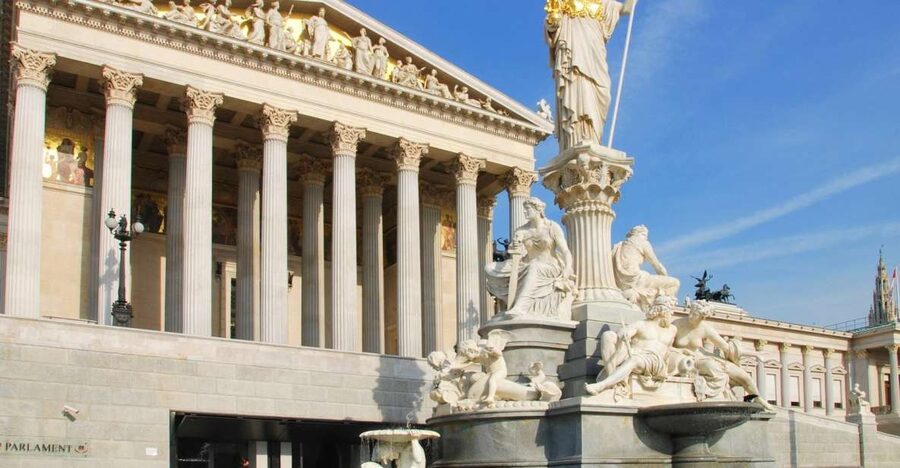
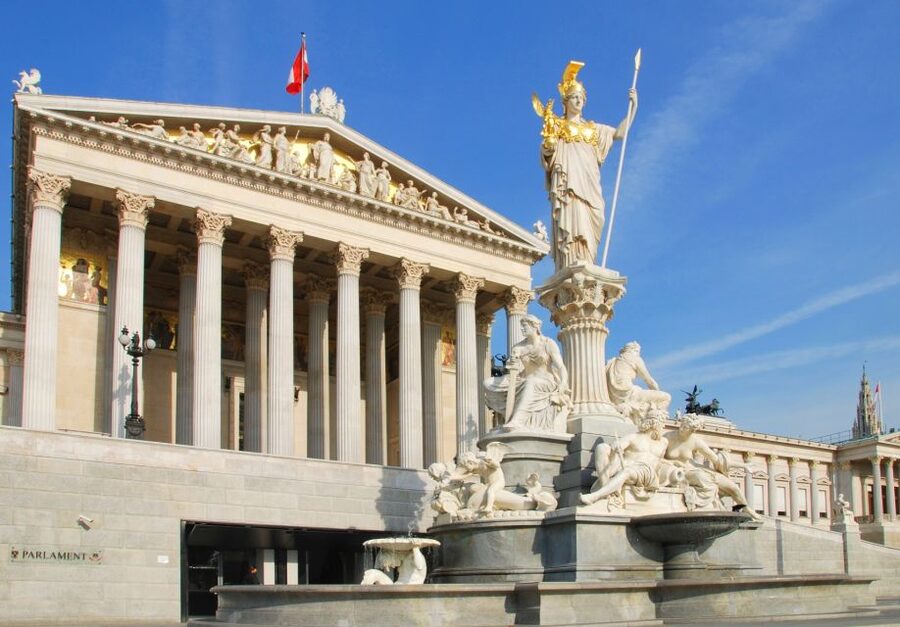
Vienna’s grand center makes the most sense on foot, where imperial courtyards, rose gardens, coffee houses, and concert history fit into one compact route. This 150-minute guided walk takes you from Maria-Theresien-Platz to St. Stephen’s Cathedral, with the Hofburg, Spanish Riding School, and Vienna State Opera along the way.
I like the small group of no more than 15 people, which gives you a better chance to hear the guide and ask questions. I also like the headsets, a practical touch when you are standing beside busy streets or spread around a large square. Guides such as Dace and Alex have been especially good at adding humor, local suggestions, and thoughtful pacing.
The main drawback is the amount of ground covered. You will see many major sights from the outside, but entrance fees are not included, and the steady walking can feel rushed if you want long visits at each monument. Anyone with mobility limits should choose a slower, more accessible option.
In This Review
- Key points at a glance
- Starting at Maria-Theresien-Platz
- Walking the Ring Road and Volksgarten
- Heroes Square and the Hofburg Palace
- Burggarten and the imperial private side
- Augustinerkirche and imperial weddings
- The Spanish Riding School and Lipizzaner horses
- Vienna State Opera and Beethoven at Lobkowitz Palace
- Hotel Sacher and Vienna’s sweet side
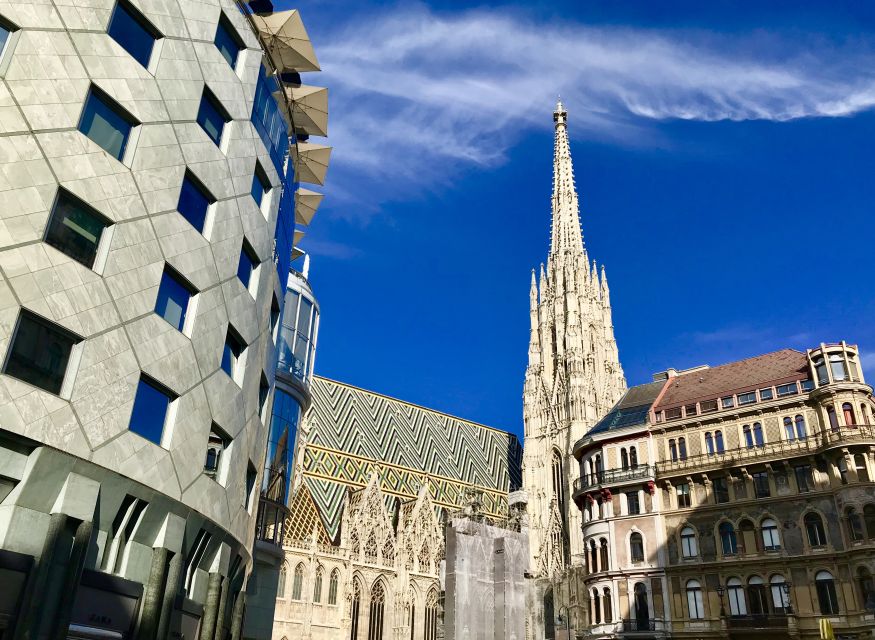
- Graben and the final view of St. Stephen’s Cathedral
- What the 150-minute pace feels like
- Price, weather, and practical limits
- Who should book this Vienna walk?
- Should you book it?
- FAQ
- How long is the Vienna City Center Guided Walking Tour?
- What language is the tour conducted in?
- How large is the tour group?
- Where does the tour meet?
- Which public transportation stops are near the meeting point?
- Are entrance fees included?
- Does the tour run in bad weather?
- Is the tour suitable for people with mobility impairments?
Key points at a glance
- Imperial Vienna in one walk: Follow the Ring Road, Volksgarten, Heroes Square, Hofburg Palace, Burggarten, and Augustinerkirche.
- A useful first-day orientation: The route ends near St. Stephen’s Cathedral and covers the central areas you are most likely to explore afterward.
- Beethoven’s Eroica connection: See Lobkowitz Palace, where Beethoven first conducted his Eroica symphony.
- Coffee-house landmarks: Pass Hotel Sacher, famous for sachertorte, along with other elegant cafés in the inner city.
- Small-group listening: A maximum of 15 people and provided headsets make the guide easier to follow.
- Plan for the weather: The tour runs in all conditions, and large bags or luggage are not allowed.
Starting at Maria-Theresien-Platz
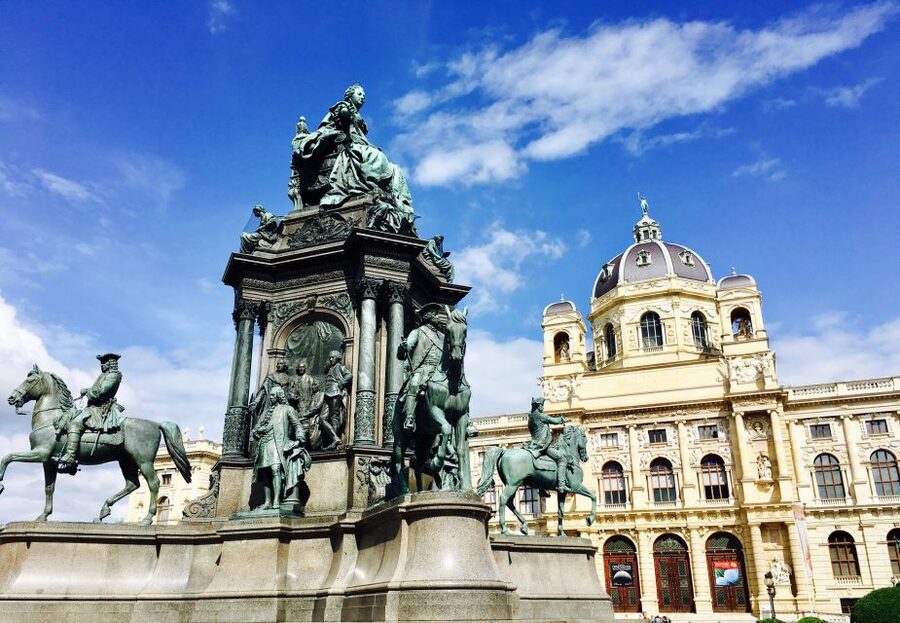
Meet beside the statue of Empress Maria Theresa on Maria-Theresien-Platz. Stand on the side facing the statue, between the Kunsthistorisches Museum and the Naturhistorisches Museum, and look for the guide holding a green Vienna City Walking Tour sign.
The meeting point is easy to reach. Volkstheater on the U3 metro line is the closest listed station, while trams D, 1, 2, and 71 stop at Burgring. Give yourself time to find the correct side of the statue. A grand square with two monumental museums is not the place to arrive at the last second while scanning every face in the crowd.
This opening location sets the tone. Vienna’s imperial center is not a collection of isolated sights. The museums, Ring Road, palace grounds, churches, and public gardens were planned as part of one grand urban display. A guide helps connect those pieces instead of leaving you with a string of impressive façades and no clear idea of how they fit together.
The group is capped at 15 people. That is still large enough to include a mix of ages and interests, but small enough to keep the walk personal. You receive a headset, which matters more than it may sound. Vienna’s broad squares and traffic-heavy streets can make ordinary commentary hard to catch, especially if you are standing at the back.
More walking tours in Vienna:
- Vienna: Guided Walking Tour of City Center Highlights
★ 4.7 · 4,989 reviews - Vienna: Vienna Central Cemetery Guided Walking Tour
★ 4.8 · 3,307 reviews - Vienna: Guided Walking Tour of City Highlights & Hidden Gems
★ 4.9 · 2,180 reviews
Walking the Ring Road and Volksgarten
The walk follows Vienna’s famous Ring Road around the historic center. The route gives you a quick look at the city’s public face: grand buildings, ceremonial spaces, and the broad avenues created during the imperial period.
Then comes the Volksgarten, one of the most pleasant changes of pace on the route. Its rose garden softens the formal city around it, giving you a chance to step away from traffic and look at Vienna as a place where daily life continues among imperial monuments.
This is also where a guide can make the city feel less like a museum. The walk alternates between open squares, green space, palace grounds, and narrow central streets. That variety helps keep the tour moving during the two and a half hours, though you should not expect a long pause in every garden or plaza.
If you are visiting Vienna for the first time, this route is useful early in your stay. It gives you a rough mental map of the center, so you can return later to the museums, churches, cafés, and shops that catch your eye.
Heroes Square and the Hofburg Palace
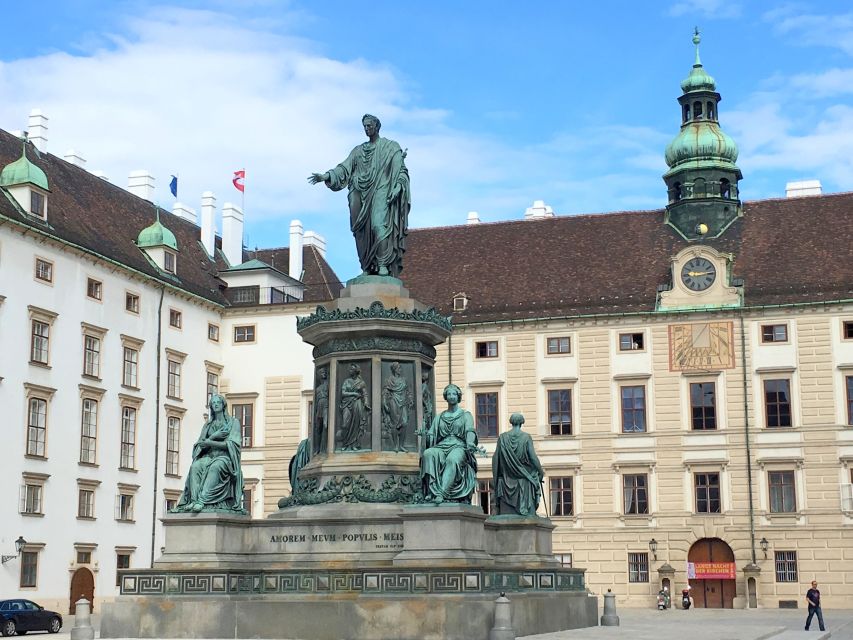
From the Volksgarten, you continue to Heroes Square, or Heldenplatz, one of Vienna’s most important ceremonial spaces. The square opens toward the Hofburg Palace, the former seat of Habsburg power.
The Hofburg is less a single palace than a large complex built and expanded over centuries. Here, the guide explains the Habsburg rulers and the imperial system that shaped Vienna. The value of this stop is not only the architecture. It gives you the political background for the rest of the walk, from court churches to royal gardens and the institutions that still give central Vienna its formal character.
You should expect exterior viewing rather than a palace tour. Entrance fees are not included, and the walk does not promise entry into the Hofburg’s museums or state rooms. That is a fair trade if your goal is orientation, but less satisfying if you want detailed interiors or time with individual exhibits.
I would use this stop to note what you want to visit later. The Hofburg area contains enough to fill several hours on its own, and a quick introduction can help you decide which part deserves your ticket and your limited time.
Burggarten and the imperial private side
The route continues into Burggarten, the former private garden of the emperor. You will also see the old butterfly house, a small but unusual detail among the formal palace buildings.
This section offers a more intimate view of court life. Heroes Square presents imperial Vienna in public, ceremonial form. Burggarten suggests how the ruling family used the palace grounds away from official appearances.
The garden also provides another break from the hard stone of the central streets. On a hot day, that matters. Alex was praised for seeking shade and allowing time to refill water bottles during a warm walk, a good reminder that the experience depends partly on the conditions of the day and the guide’s judgment.
The pace is generally relaxed, but the route covers a lot. One useful approach is to treat the tour as a guided survey rather than a series of long stops. Listen for the places you want to revisit instead of trying to absorb every date and name on the spot.
A few more Vienna tours worth weighing up
- Vienna Spanish Riding School Guided Tour
★ 4.7 · 6,765 reviews - Vienna: Bus & Schönbrunn Palace Skip-the-Line Guided Tour
★ 4.3 · 2,802 reviews - Vienna: Tickets for Mozarthaus Vienna with Audio Guide
★ 4.2 · 2,344 reviews - Vienna: Viennese Underworld Guided Walking Tour
★ 4.7 · 1,865 reviews
Augustinerkirche and imperial weddings
Augustinerkirche brings the story indoors in spirit, even if the tour does not include an entrance fee. The church was the setting for many imperial weddings, including Napoleon’s marriage to Princess Marie Louise.
That connection adds a human scale to the Habsburg story. Palace politics can feel remote, but a wedding links the dynastic system to recognizable events, personalities, and alliances. It also shows how religious buildings served court life as well as worship.
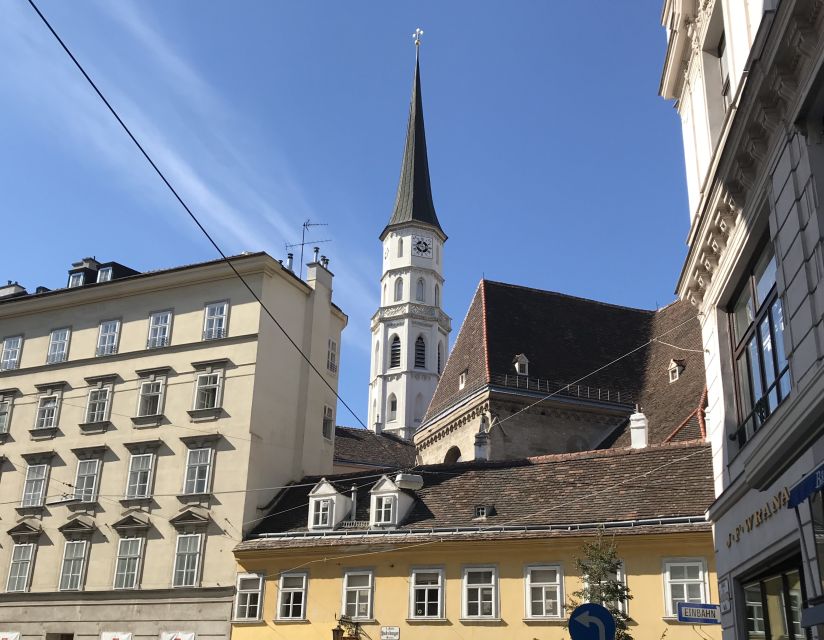
The church is one of the stops where a guide’s storytelling makes a real difference. A short explanation can turn a façade into a place connected with power, marriage, and European politics. You will not get a full church visit during this walking tour, so return later if you want to study the interior at leisure.
The Spanish Riding School and Lipizzaner horses
Next comes the Spanish Riding School, home of Vienna’s famous Lipizzaner horses. The school is one of the city’s best-known symbols, but it is easy to miss the significance of the surrounding buildings when you are moving through the center on your own.
The guide places the school within the imperial setting, explaining its connection to court tradition and the Habsburg world. You should think of this as an outside introduction, not a performance or stable visit. No show, training session, or entrance is included in the tour details.
That distinction matters when you compare this walk with a dedicated Spanish Riding School experience. If the horses are your main reason for visiting Vienna, you will need a separate ticketed activity. If you want to understand where the school fits into the city’s story, this stop gives you a useful starting point without taking over the whole morning or afternoon.
Vienna State Opera and Beethoven at Lobkowitz Palace
The walk then reaches the Vienna State Opera House, one of the city’s major music landmarks. Vienna’s musical reputation can feel almost too large to take in, so the route narrows it to specific buildings and events.
At Lobkowitz Palace, you learn where Beethoven first conducted his Eroica symphony. That is one of the tour’s most rewarding details because it ties a famous composition to an actual place you can see. Instead of hearing only that Vienna was important to classical music, you get a precise address within the city’s social and musical world.
The stop also gives you a useful sense of how music, aristocratic patronage, and palace life overlapped. Beethoven’s Vienna was not just concert halls and public performances. Private palaces played a major role in the city’s musical culture.
Again, the emphasis is on seeing and understanding the site from the route. Entrance to the palace is not included. If you want a music-focused visit, use this moment to mark the building and then consider a separate concert or museum plan.
Hotel Sacher and Vienna’s sweet side
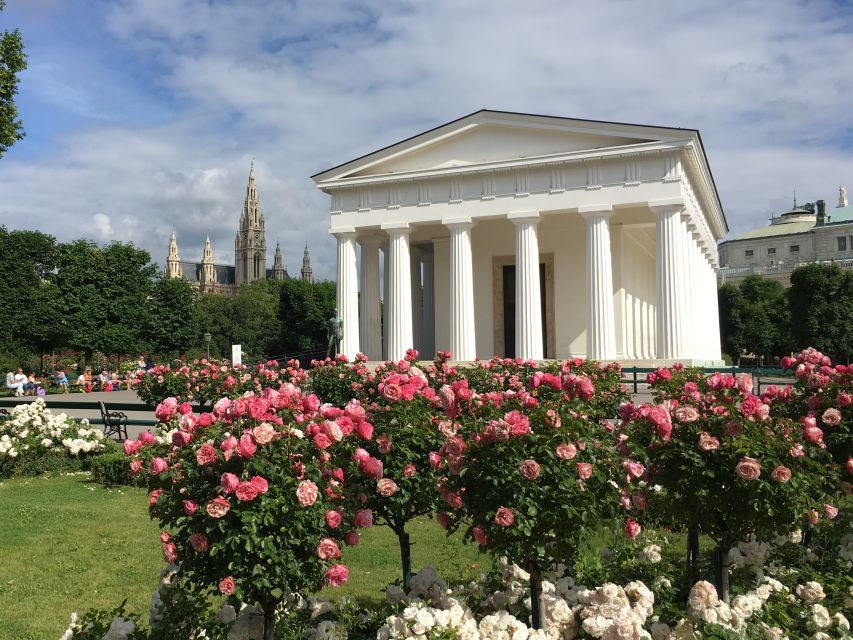
The walk turns from imperial power and music to Vienna’s café culture. You pass Hotel Sacher, the home of the famous sachertorte, along with other elegant coffee houses.
This is more than a dessert stop. Vienna’s cafés are part of the city’s social life, places associated with lingering over coffee, reading, conversation, and cakes. The tour does not include food, so you will not automatically receive a slice of sachertorte. Still, learning where the famous cake is served helps you make a more informed choice later.
I like having this part near the end of the route. After several hours of monuments and palace history, the cafés show a softer, more everyday side of central Vienna. You can also ask the guide for suggestions for the rest of your visit. Dace has been particularly good at offering café and restaurant ideas, while Alex gave practical recommendations that helped shape a solo visitor’s later plans.
Keep in mind that the tour is not a food walk. If you want tastings, a reserved table, or a detailed café history, choose a dedicated culinary experience instead. Here, the coffee houses are landmarks within a broader city tour.
Graben and the final view of St. Stephen’s Cathedral
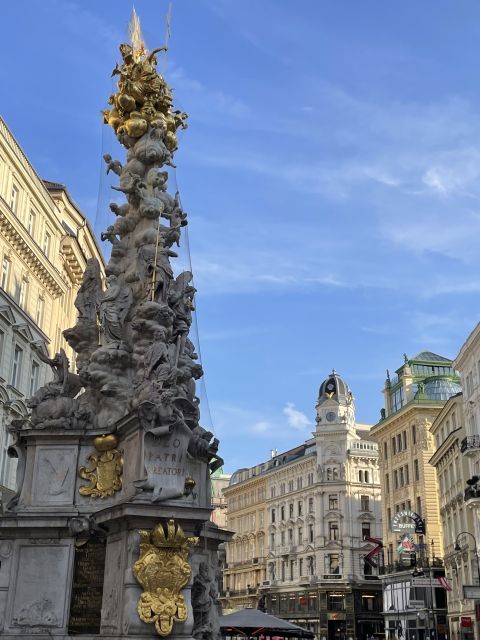
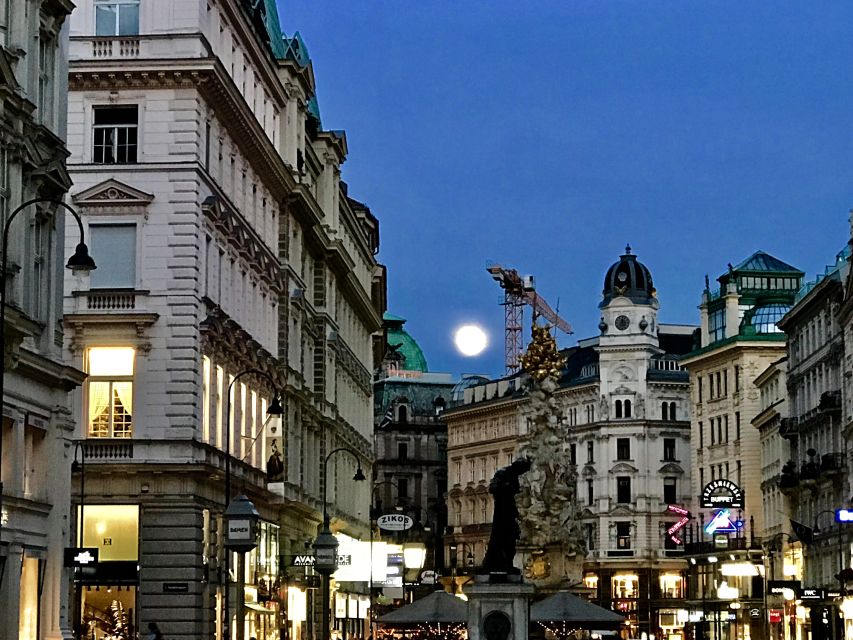
The final stretch leads along Graben, Vienna’s elegant shopping street. The broad pedestrian area is lined with grand buildings, shops, and historic details that reward a slower look after the formal palace district.
Graben works well as a closing section because it brings you into the heart of the modern city. Vienna’s center is not preserved only for monuments. It is also a place to shop, meet, eat, and move through the day.
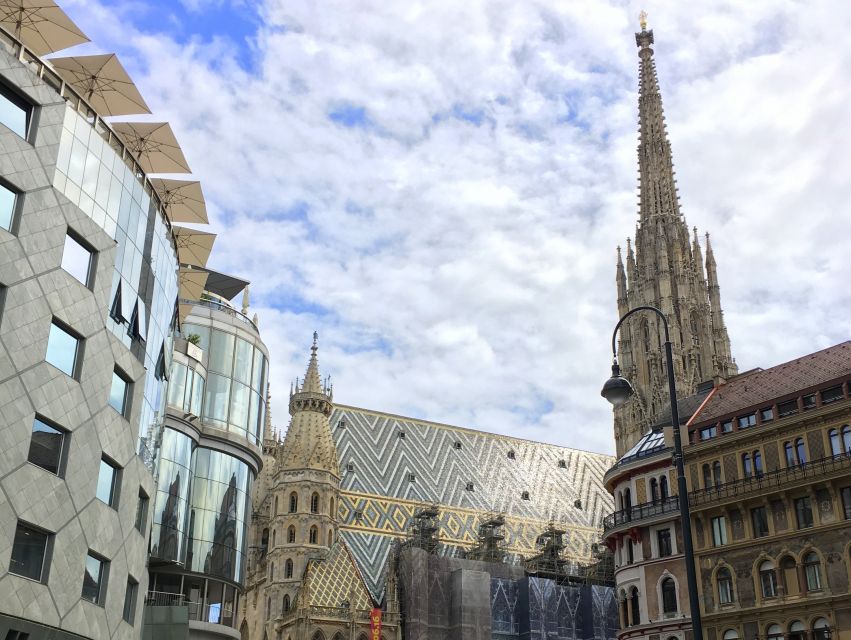
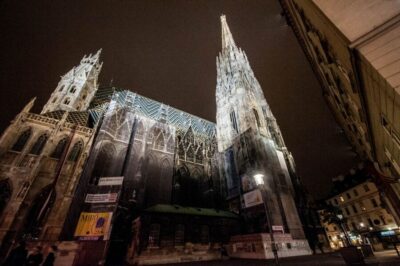
The tour ends near St. Stephen’s Cathedral, one of the clearest landmarks in the inner city. Finishing here is practical. You are in a central area with plenty of options for a meal, a café stop, further sightseeing, or a return walk toward the Hofburg.
The cathedral itself is not an included interior visit. Plan extra time if you want to go inside, and remember that the walking tour has already provided only a first look at many of its stops.
What the 150-minute pace feels like
Two and a half hours is a sensible length for a first look at Vienna. It is long enough to cover a substantial route, but short enough to fit into a busy arrival day or the first morning of a city break.
The pace is described as relaxed, though the itinerary is ambitious. You move through many major areas, and one account found that the amount of material occasionally felt rushed. That is the natural compromise: you see a lot, but you do not study each building in detail.
I would book this as an orientation walk, not as a substitute for museum visits. It works best when you want context before exploring on your own. The guide can point out where to return, explain what you are looking at, and help you avoid spending your limited time in Vienna without a plan.
The small group and headsets improve the experience. You can listen while walking instead of crowding around the guide at each stop. The guides also appear comfortable adjusting to conditions, with shade and water pauses especially useful in summer.
Price, weather, and practical limits
At $74 per person, this is not the cheapest way to wander around Vienna. The price pays for a licensed local guide, a small group, and a carefully arranged route through the central sights. It does not cover palace, church, museum, or performance admission, so your total cost rises if you add several interior visits afterward.
For me, the value is strongest if you are new to Vienna, short on time, or interested in connecting architecture with imperial and musical history. If you already know the center well, or prefer to read at your own pace, you may find the price harder to justify.
Wear shoes suitable for a moderate amount of walking. The tour runs in every type of weather, so bring protection from rain, cold, or strong sun. Winter can feel colder than expected among the tall buildings, while summer heat can make the paved streets tiring.
Do not bring luggage or a large bag. Children must be accompanied by an adult, and unaccompanied minors are not allowed. The tour is not suitable for people with mobility impairments, so check your comfort with continuous walking before booking.
English is the listed tour language. Cancellation is flexible up to 24 hours before the start for a full refund, and you can reserve now and pay later, which helps if your Vienna plans are still changing.
Who should book this Vienna walk?
I would choose this tour for a first visit, especially if you have only a short stay or want help getting your bearings fast. Solo visitors can benefit from the structure and the chance to ask a local guide about cafés, restaurants, and areas worth returning to.
It also suits history and music fans who want specific connections, such as Napoleon’s wedding at Augustinerkirche and Beethoven’s Eroica at Lobkowitz Palace. Families with older children may enjoy the mix of palace stories, horses, gardens, and cake, provided everyone can manage the walking.
I would skip it if your main goal is entering the Hofburg, attending a Spanish Riding School performance, tasting Viennese food, or spending a long time inside churches. Those interests call for separate visits. This walk shows you where the important places are and explains why they matter, then leaves the deeper exploration to you.
Should you book it?
Book this tour if you want a well-paced introduction to Vienna’s central sights, a small group, and a guide who can tie imperial buildings, music, gardens, and café culture into one clear route. The 4.8 rating from 99 reviews reflects particularly strong praise for guides such as Dace and Alex, the easy-to-hear headsets, and the amount covered in a little over two hours.
Skip it if you dislike walking in poor weather or prefer a slow, interior-focused sightseeing day. For most first-time visitors who want a useful starting point, the route offers solid value, especially when taken early in your stay and followed by your own return visits.
FAQ
How long is the Vienna City Center Guided Walking Tour?
The tour lasts 150 minutes, or two and a half hours.
What language is the tour conducted in?
The live tour guide speaks English.
How large is the tour group?
The group has no more than 15 people.
Where does the tour meet?
Meet by the statue of Empress Maria Theresa on Maria-Theresien-Platz, on the side facing the statue. The meeting point is between the Kunsthistorisches Museum and the Naturhistorisches Museum, and the guide holds a green Vienna City Walking Tour sign.
Which public transportation stops are near the meeting point?
The nearest metro station is Volkstheater on line U3. Nearby tram stops include Burgring, served by trams D, 1, 2, and 71.
Are entrance fees included?
No. Entrance fees are not included in the tour price.
Does the tour run in bad weather?
Yes. The tour takes place in every weather condition, so dress appropriately.
Is the tour suitable for people with mobility impairments?
No. The activity is not suitable for people with mobility impairments and involves a moderate amount of walking.
Just added around Vienna
- Private Tour from Vienna to Melk and Dürnstein★ 4.5 · 3 reviews
- Vienna: Johann Strauss 200th birthday anniversary exhibition★ 4.7 · 3 reviews
- Vienna Private Full Day Tour – Tickets to Schönbrunn & Lunch★ 5.0 · 3 reviews
- Private Salzburg Day Trip from Vienna★ 4.0 · 3 reviews
- Vienna: Entry Ticket Belvedere 21 & Contemporary Art★ 4.3 · 3 reviews
- Full-Day Private Trip from Vienna to Budapest★ 4.5 · 3 reviews
- Vienna by Night: Private Evening Food and Drink Tour★ 5.0 · 3 reviews
- 1.5 Hour Cinematic Style Portrait Photoshoot and Tour in Vienna★ 4.5 · 3 reviews
Walking Tours, compared.
Guided Walking Tour of City Center Highlights
Read our review →
Guided Walking Tour of City Highlights & Hidden Gems
Read our review →
Vienna Historic Center Small Group Walking Tour
Read our review →
Ghosts and Legends Guided Nighttime Walking Tour
Read our review →Browse the lists this tour appears in