
Reviewed · WALKING TOURS
Vienna: Private Walking Tour
Vienna’s historic center packs a remarkable amount into a walk of just 150 minutes. This private tour links Mozart and Beethoven with the Habsburg court, grand palaces, old squares, and the coffeehouse traditions that still shape the city.
I like the flexible private format, especially if you want to ask questions or request a focus on music, imperial Vienna, or Jewish history. I also like the hotel pickup in the inner city, which makes the start easy. The main drawback is time: two and a half hours is enough for an excellent introduction, but not enough to explore the interiors of every major building.
In This Review
- Key points at a glance
- A smart first walk through Vienna’s old center
- Starting in Vienna’s central district
- St. Stephen’s Cathedral and Vienna’s medieval core
- The Graben and the Plague Column
- The Hofburg, Heldenplatz, and the Habsburg story
- The Ringstrasse and Vienna’s grand public buildings
- The Vienna State Opera and the music of the city
- Burggarten and Volksgarten: imperial spaces with a softer side
- Jewish Square and the city’s layered past
- Coffeehouses, Sacher torte, and Vienna’s everyday culture
- What the private format really adds
- Timing, comfort, and accessibility
- Who should book this Vienna walk?
- Should you book it?
- FAQ
- How long does the private walking tour last?
- How much does the tour cost?
- Which languages are available?
- Where does the tour start?
- Where does the tour finish?
- Are food and drinks included?
- Is the tour wheelchair and stroller accessible?
- Can I cancel for a full refund?
Key points at a glance
- Mozart’s Vienna: Follow the story of Vienna’s famous composers and the city’s long classical music tradition.
- Imperial center: See the Hofburg, Heldenplatz, Burggarten, Volksgarten, and other places tied to the Habsburg family.
- Major landmarks: Visit St. Stephen’s Cathedral, the Vienna State Opera, the Graben, the Plague Column, and Jewish Square.
- Private attention: Your group has its own guide, with room to ask questions and request specific sights in advance.
- Local flavor: Learn how Vienna’s coffeehouses became social institutions, including the story of Sacher torte.
- Easy access: Hotel pickup and drop-off are included for inner-city hotels, and the route is wheelchair and stroller accessible.
A smart first walk through Vienna’s old center
This is the sort of tour I would consider for my first morning or afternoon in Vienna. It gives you a clear map of the city center while explaining why the grand buildings, musical names, and coffeehouses matter.
You are not simply ticking off monuments. The guide connects Vienna’s early Celtic and Roman roots with its time as the center of Habsburg power, then brings the story forward to the city you see today. That broader timeline helps the streets make sense instead of leaving you with a collection of pretty facades.
The private setup matters here. A large public group can make it hard to hear or ask a follow-up question, while a private guide can spend more time on the subjects your group cares about. If Mozart is your priority, say so before the walk. The same applies if you want more attention to imperial life, Jewish history, architecture, or coffeehouse customs.
More walking tours in Vienna:
- Vienna: Guided Walking Tour of City Center Highlights
★ 4.7 · 4,989 reviews - Vienna: Vienna Central Cemetery Guided Walking Tour
★ 4.8 · 3,307 reviews - Vienna: Guided Walking Tour of City Highlights & Hidden Gems
★ 4.9 · 2,180 reviews
Starting in Vienna’s central district
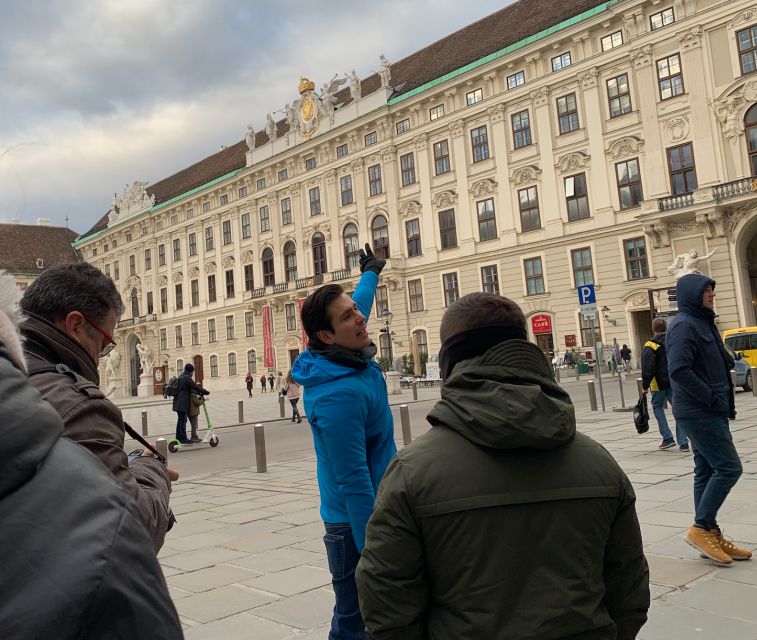
The tour begins in central Vienna, with pickup from your hotel if it is in the inner city. If not, the meeting point is arranged in advance at Helmut Zilk Platz. Hotel pickup and drop-off remove one small but useful piece of city planning, especially if you are still learning Vienna’s street layout.
The exact route can respond to your interests, but the main walk takes place around the historic center. Wear comfortable shoes. This is a walking tour rather than a drive-by overview, and the value comes from seeing how one square leads into another.
The tour is listed at $530 for a private group of up to 20 people. That is a serious price for one or two people, but the calculation changes for a family or larger party. At the full group limit, the cost works out to $26.50 per person. For a small group, you are paying for privacy, a dedicated guide, and the chance to shape the conversation rather than for a low-cost sightseeing ticket.
St. Stephen’s Cathedral and Vienna’s medieval core
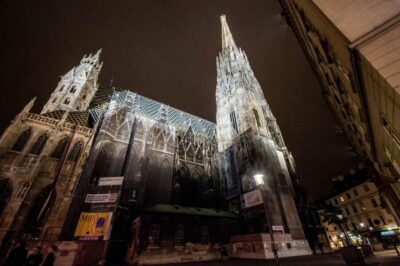
St. Stephen’s Cathedral is one of the natural anchors of a Vienna walking route. It introduces the city’s religious and civic importance and gives the walk a strong sense of place early on.
You should expect to see and discuss the cathedral as part of the guided route, but the supplied details do not promise an interior visit or a separate admission. That distinction matters. If entering the cathedral is essential to you, ask the local partner before the tour so your expectations are clear.
From here, the walk moves through the central streets toward the Graben. These streets are useful for understanding Vienna as a living city, not just a collection of royal buildings. The guide can explain how the center developed and how older layers of the city remain part of everyday life.
The Graben and the Plague Column
The Graben is one of Vienna’s best-known central avenues, and the Plague Column gives the route a striking historical marker. The column recalls the plague that affected Vienna and reflects the religious response of the period.
This is a good place to listen for the connections between public monuments and political power. Vienna’s rulers used major buildings, churches, and memorials to express faith, authority, and civic identity. A guide adds the context that a quick photograph cannot provide.
The Graben also helps break up the larger imperial story. You get a sense of how central Vienna works at street level, with landmark architecture mixed into an active urban setting.
A few more Vienna tours worth weighing up
- Vienna: Private Walking Tour with a Local Guide
★ 4.6 · 1,420 reviews - Vienna: Private Walking Tour with a Guide
★ 4.7 · 962 reviews - Vienna: Wine Tasting Experience in a Private Wine Cellar
★ 4.8 · 413 reviews - Private Day Tour Trip Salzburg Hallstatt and Melk from Vienna
★ 5.0 · 388 reviews
The Hofburg, Heldenplatz, and the Habsburg story
The Hofburg Imperial Palace is the clearest setting for the Habsburg section of the tour. The family ruled a large part of Europe for centuries, and its former residence is not a single isolated palace. It is a broad group of buildings and spaces that grew as the dynasty’s power expanded.
At Heldenplatz, the scale of imperial Vienna becomes easier to read. The open square and monumental buildings give you a sense of the public face of the monarchy. Your guide will explain the lives and roles of different Habsburg family members, rather than treating them as one long line of names.
I find this part most useful when you want to understand why Vienna feels so grand. The palace, ceremonial spaces, and surrounding architecture were designed to project power. The drawback is that a short walking tour can only introduce the subject. If you want detailed dynastic history, military history, or a full palace visit, you will need more time elsewhere.
The Ringstrasse and Vienna’s grand public buildings
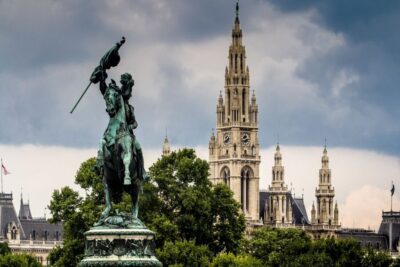
The Ringstrasse is one of Vienna’s signature sights. Its broad route is lined with major public buildings and gives the city a polished imperial scale. On this walk, you will see the street and its architecture as part of the larger story of modern Vienna.
The tour description does not promise a full circuit of the Ringstrasse or entry into each building. Instead, think of it as a guided look at its most relevant sections and buildings near the center. That is the sensible approach in 150 minutes. A complete Ringstrasse study would take much longer.
The guide’s interpretation is especially helpful here because the buildings can blur together if you see them without context. Ask about the relationship between the imperial court, public institutions, and Vienna’s cultural life. A private tour gives you the chance to stop on a topic rather than simply follow a fixed script.
The Vienna State Opera and the music of the city
Vienna’s connection to classical music is not a small side note. Mozart, Beethoven, and other major composers helped shape the city’s public identity, and the Vienna State Opera remains a powerful symbol of that tradition.
The walk lets you hear about Mozart’s life and follow his connection to Vienna. The phrase footsteps of Mozart should be understood as a historical theme rather than a promise to visit every Mozart site or enter a specific residence. If you have a particular Mozart location in mind, tell the guide before the tour.
Beethoven also belongs in the story. Comparing the two composers helps show that Vienna’s musical importance did not depend on one famous prodigy. The guide can place them within the city’s wider tradition of performance, patronage, and court culture.
This section suits anyone with a serious interest in music, but you do not need to be a classical music expert. The private format lets you ask basic questions without holding up a large group. Guides named in the feedback include Lisa, Catherine, Long, and Marko, with particularly strong praise for engaging stories, clear explanations, and attention to personal interests.
Burggarten and Volksgarten: imperial spaces with a softer side
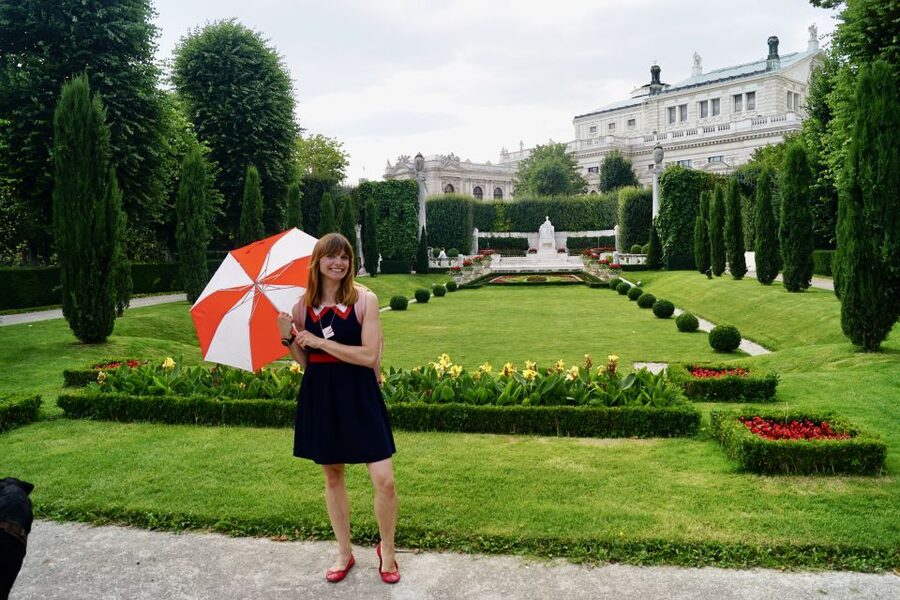
Burggarten and Volksgarten offer a change from palaces and formal avenues. Both are tied to the central imperial district, yet they give the walk a more relaxed rhythm.
Burggarten is linked with the former court area, while Volksgarten adds another green public space near the Hofburg. The tour uses these locations to show that Vienna’s center is not only about stone, ceremony, and royal power. The gardens help you see how the imperial setting meets ordinary city life.
Do not expect a long rest stop or a garden-focused visit. They are part of a larger walking route, and the guide’s attention may shift toward history, architecture, or the Habsburg family. Still, these spaces provide welcome variety during a fairly dense sightseeing walk.
Jewish Square and the city’s layered past
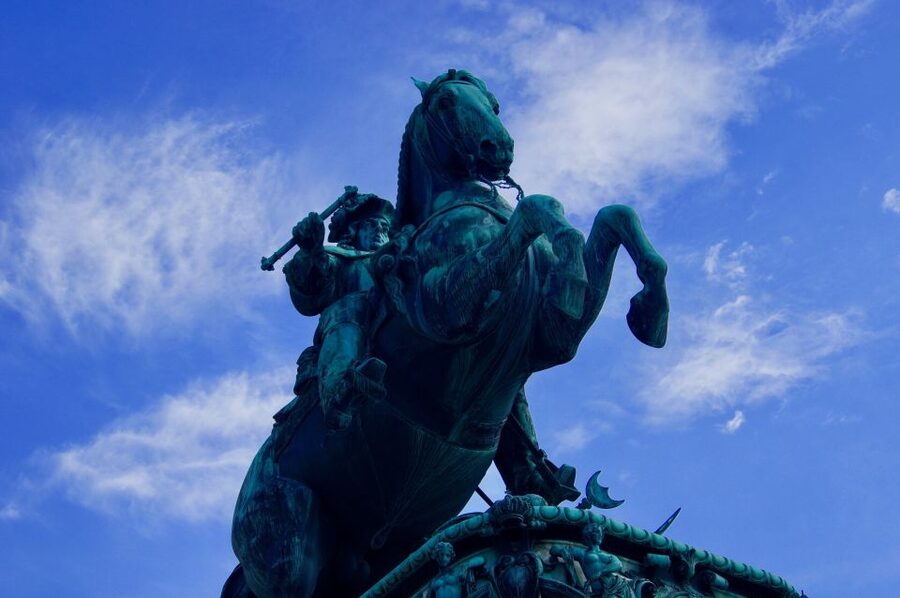
Jewish Square adds an important part of Vienna’s story that should not be treated as an afterthought. Its inclusion broadens the tour beyond Mozart, palaces, and grand avenues.
The square gives the guide a place to discuss Jewish life and the historical changes that shaped Vienna. Since the tour covers a long period, from early settlement through the modern city, this stop helps show that Vienna’s identity was formed by many communities and experiences.
The amount of time spent here will depend on your group and your interests. If this subject matters to you, mention it in advance and ask for more attention. The private format makes that request practical.
Coffeehouses, Sacher torte, and Vienna’s everyday culture
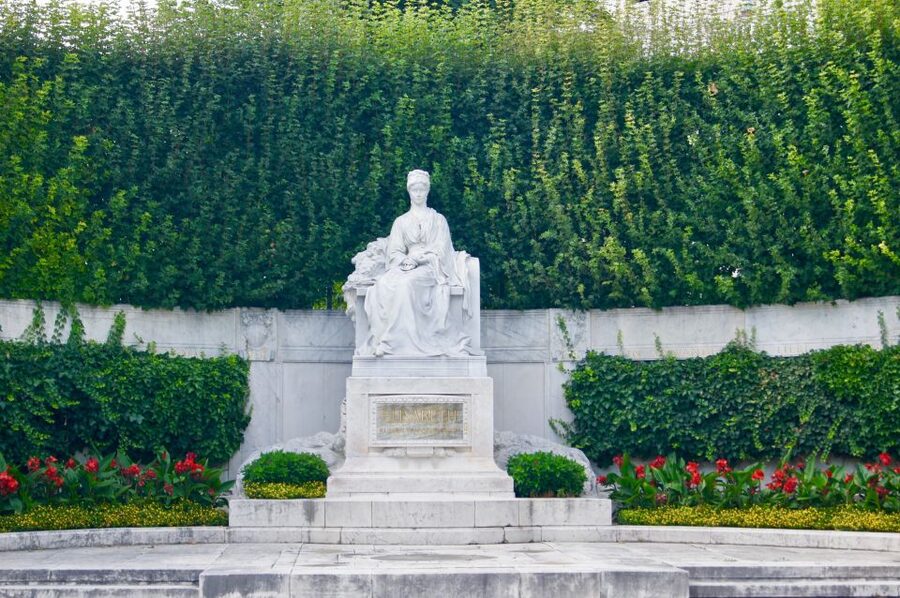
Vienna’s coffeehouse culture is one of the most appealing parts of the experience because it moves the tour away from rulers and monuments. Coffeehouses have long been places to read, talk, write, and spend time, not merely places to drink a quick cup.
You will learn about that tradition and about Sacher torte, Vienna’s famous chocolate cake. Food and drinks are not included, so do not expect a tasting or a café bill covered by the tour. Instead, treat this as useful background for choosing your own coffeehouse stop later.
I like this feature because it gives you something practical to do after the walk. Once you understand the role of coffeehouses, sitting down for coffee and cake feels connected to the city’s culture rather than like a random tourist break.
What the private format really adds
A private tour is most valuable when you use the flexibility. Before the start, tell the local partner if you want to see or discuss something specific. The route can then take your interests into account, within the limits of the time and the central location.
The feedback attached to this experience points to several useful guide qualities. Lisa was praised for keeping the walk engaging with good stories. Catherine was described as warm and generous with historical detail. Long received special praise for explaining connections between events and for continuing beyond the planned time to visit additional places. Marko was noted for responding to the group’s expectations and interests.
Those details suggest a tour that depends heavily on the individual guide, as any private walking tour does. You should still arrive with two or three questions ready. Ask about Mozart, the Habsburgs, the Jewish Square, or coffeehouse customs, and you are more likely to get the kind of personal exchange that makes the higher price worthwhile.
Timing, comfort, and accessibility
At 150 minutes, this is a compact city introduction. You will cover several major sights, but many stops will be exterior explanations rather than long visits inside. The pace should suit most people who are comfortable walking through the central district, though you may want to ask about the exact route if mobility is a concern.
The experience is wheelchair and stroller accessible. That is a meaningful advantage in a historic center where older streets and crowded public spaces can sometimes complicate movement. The available information does not specify the surface conditions or restroom stops, so ask the partner if your group has particular mobility needs.
English and German are the listed tour languages. A French-speaking guide received praise in the feedback, but French is not listed as a standard language, so you should confirm language availability before booking if French service is important.
Free cancellation is available up to 24 hours before the start for a full refund, and you can reserve now and pay later. Those terms help if your Vienna schedule is still shifting. Food and drinks are not included, so plan your own café stop after the tour.
Who should book this Vienna walk?
I would recommend it to families, couples, and small private groups who want a clear first look at Vienna without joining a large public group. It also suits people who want to ask plenty of questions or adjust the emphasis toward music, imperial history, Jewish history, or local café culture.
The tour is a particularly good fit for a group of several people. At $530 for up to 20, the per-person value improves quickly as your party grows. For only one or two people, compare that cost with a standard group walk or a shorter private option.
You should think twice if your main goal is entering major buildings, sampling food, or spending a long time at each monument. The tour includes no food or drinks, and the supplied details do not promise interior admission. It is best understood as a guided orientation through central Vienna, not a full museum-and-palace day.
Should you book it?
Book this tour if you want Vienna’s major sights explained by a dedicated guide, with hotel pickup, a flexible private route, and a strong focus on Mozart, Beethoven, the Habsburgs, and city history. The high 4.9 rating from 15 bookings aligns with the strongest features: engaging storytelling, careful attention to interests, and excellent communication around pickup.
I would book it early in your stay, then use the guide’s recommendations to plan later visits. Just keep your expectations realistic. In two and a half hours, you will gain a useful framework for Vienna, not complete every palace, cathedral, and museum. For a first orientation, especially with a family or larger group, that can be very good value.
FAQ
How long does the private walking tour last?
The tour lasts 150 minutes, or two and a half hours.
How much does the tour cost?
The price is $530 per private group of up to 20 people.
Which languages are available?
The listed tour languages are English and German.
Where does the tour start?
Pickup is available from your hotel if it is in Vienna’s inner city. Otherwise, the meeting location is arranged in advance at Helmut Zilk Platz.
Where does the tour finish?
The tour finishes in central Vienna at 1010 Vienna, Austria.
Are food and drinks included?
No. Food and drinks are not included in the tour price.
Is the tour wheelchair and stroller accessible?
Yes. The tour is listed as wheelchair and stroller accessible.
Can I cancel for a full refund?
Yes. You can cancel up to 24 hours before the tour for a full refund. You can also reserve now and pay later.
Just added around Vienna
- Private Tour from Vienna to Melk and Dürnstein★ 4.5 · 3 reviews
- Vienna: Johann Strauss 200th birthday anniversary exhibition★ 4.7 · 3 reviews
- Vienna Private Full Day Tour – Tickets to Schönbrunn & Lunch★ 5.0 · 3 reviews
- Private Salzburg Day Trip from Vienna★ 4.0 · 3 reviews
- Vienna: Entry Ticket Belvedere 21 & Contemporary Art★ 4.3 · 3 reviews
- Full-Day Private Trip from Vienna to Budapest★ 4.5 · 3 reviews
- Vienna by Night: Private Evening Food and Drink Tour★ 5.0 · 3 reviews
- 1.5 Hour Cinematic Style Portrait Photoshoot and Tour in Vienna★ 4.5 · 3 reviews
Walking Tours, compared.
Guided Walking Tour of City Center Highlights
Read our review →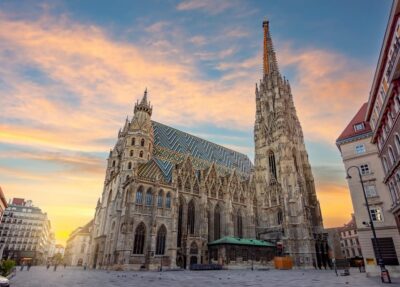
Guided Walking Tour of City Highlights & Hidden Gems
Read our review →
Vienna Historic Center Small Group Walking Tour
Read our review →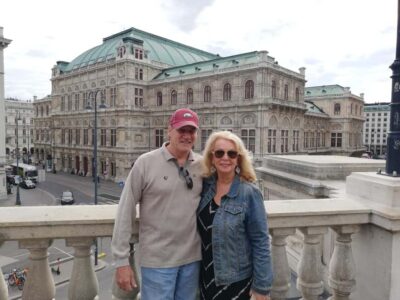
Ghosts and Legends Guided Nighttime Walking Tour
Read our review →Browse the lists this tour appears in