
Reviewed · HISTORICAL TOURS
Private tour of historical Vienna with Jan
Vienna’s past comes alive through Jan Kepinski’s storytelling, which links grand palaces, baroque churches, shopping streets, and everyday city life. I like the private format, which lets you ask questions and shape the walk around your group, and I like the coffee-and-cake pause at Conditorei SLUKA. One consideration: this is mainly an outdoor walking tour, so you will see several major sights from the outside rather than tour their interiors.
I also like how the walk helps you get your bearings on day one. Jan can point you toward places to eat, show you how Vienna changed over time, and even help with practical matters such as finding the subway and buying a weekly pass. The tour ends at Naschmarkt, but the listed start is Stephansplatz, so confirm pickup details if you want to begin at your hotel.
In This Review
- Key things to know before booking
- Why this private Vienna walk works so well
- The old town gives you a quick map of Vienna
- Hofburg courtyards reveal the Habsburg story
- Heldenplatz puts imperial Vienna on a grand scale
- Maria Theresien Square explains reform through a powerful ruler
- Coffee and cake at Conditorei SLUKA
- St. Stephen’s Cathedral is the city’s anchor
- The Jesuit Church offers a burst of baroque drama
- Stadtpark provides a green pause beside the Ringstrasse
- Graben and Kohlmarkt mix shopping with painful history
- Ending at Naschmarkt adds a practical finish
- Price, timing, and group value
- Who should book this Vienna experience
- Should you book Private Tour of Historical Vienna with Jan?
- FAQ
- How long is the private Vienna tour?
- How many people can join the private tour?
- What language is the tour offered in?
- Where does the tour start and end?
- Are admission tickets included?
- Can I cancel for a full refund?
Key things to know before booking
- Jan Kepinski is a state-licensed guide who focuses on Vienna’s history, architecture, and daily life.
- The private group format fits up to 10 people, with no strangers joining your party.
- The route covers the old town, Hofburg, museum district, Ringstrasse, and Naschmarkt.
- A Viennese coffeehouse stop adds cake, coffee, and a welcome pause during the walk.
- The tour is strongest as a first-day orientation, with food, shopping, transport, and sightseeing advice.
- The price is $432.53 per group, making it far better value for a larger party than for one or two people.
Why this private Vienna walk works so well
A first walk through Vienna can feel like a parade of grand façades with no clear order. One palace leads to another, an enormous square opens up, and a church tower points you down a side street. Jan’s route gives those sights a sequence and a reason.
You begin at Stephansplatz, the city’s central meeting point, and finish at Naschmarkt. In between, you cross much of the historic core on foot. That makes this more than a monument checklist. You learn where the old city sits, how the Habsburg center spread outward, and where to return for food, coffee, shopping, or further sightseeing.
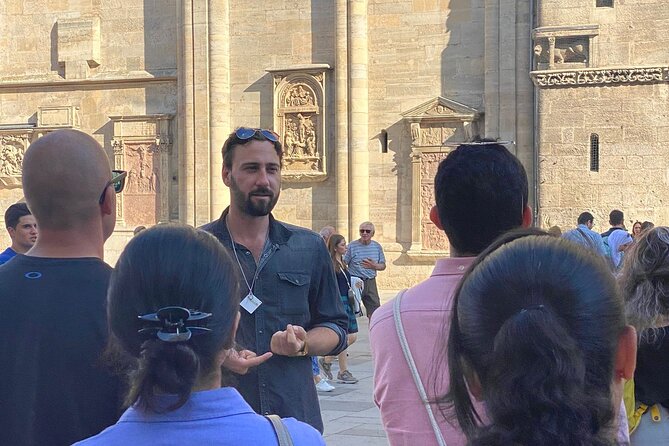
The private setup matters. With only your group, you can ask why a building looks the way it does, pause when a child needs a break, or shift the talk toward art, architecture, politics, or food. Several past groups found Jan especially good at adjusting the pace and subject to their interests.
The planned duration is two to three hours, and the stops add up to roughly three hours. That is long enough to get a useful overview without turning your first afternoon into an endurance test. You should still expect regular walking and time on city streets, with the coffee stop providing a welcome rest.
More history walks in Vienna:
- Vienna: Time Travel and Magic Vienna History Tour
★ 4.6 · 3,879 reviews - Vienna: World War II Historical Walking Tour
★ 4.8 · 1,772 reviews - Vienna Historic Center Small Group Walking Tour
★ 5.0 · 1,746 reviews
The old town gives you a quick map of Vienna
The first 45 minutes focus on Vienna’s historic center. This is the right place to begin because it connects the city’s major themes: imperial rule, Catholic ceremony, trade, music, architecture, food, and modern urban life.
Jan uses the old town to explain what shaped Vienna and Austria. The value here is not just a list of dates. You get a sense of how the city functions now, including where to eat and shop and what contributes to Vienna’s reputation as a highly livable city.
I would treat this section as your orientation lesson. Pay attention to the streets and landmarks Jan identifies, since they can make the rest of your stay easier. The drawback is that a broad opening overview cannot give every site a long visit. If you want lengthy time inside museums or detailed art commentary, you will need separate visits.
Hofburg courtyards reveal the Habsburg story
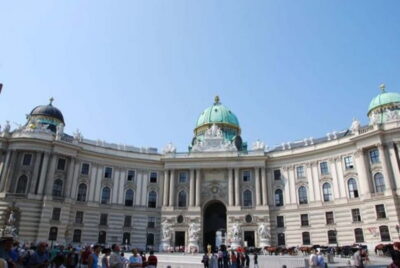
The Hofburg was the former palace of Austria’s rulers. It is not one neat building, but a collection of wings and palace structures added in different periods by different rulers.
The tour takes you through the outer courtyards, where Jan explains the Habsburg dynasty and its place in Austrian life. This outdoor approach is useful because you can see the palace as a working complex rather than a single grand front. The changing styles also make more sense when you connect them to different stages of imperial power.
Do not expect admission to the palace museums as part of this walk. The Hofburg stop is listed as free, and the focus is on the courtyards and explanation from your guide. That keeps the tour moving, but you may want to return later for the imperial apartments, museum collections, or other paid interiors if those are priorities.
Heldenplatz puts imperial Vienna on a grand scale
Heldenplatz, or Heroes’ Square, offers one of the clearest views of Vienna’s monumental architecture. The open space gives the Hofburg area room to show its full scale, while the nearby National Library palace adds another impressive architectural frame.
This is also where stories about heroes of the Austrian Empire give the buildings a human and political side. The square is not only about pretty façades. It reflects how rulers used architecture and public space to express authority.
The scheduled stop lasts about 15 minutes. That is enough for an explanation and photographs, but not enough for a slow architectural study. If you enjoy grand civic spaces, ask Jan about the details that interest you most while you are there.
A few more Vienna tours worth weighing up
- Vienna: Private Walking Tour with a Local Guide
★ 4.6 · 1,420 reviews - Vienna: Private Walking Tour with a Guide
★ 4.7 · 962 reviews - Vienna: Wine Tasting Experience in a Private Wine Cellar
★ 4.8 · 413 reviews - Private Day Tour Trip Salzburg Hallstatt and Melk from Vienna
★ 5.0 · 388 reviews
Maria Theresien Square explains reform through a powerful ruler
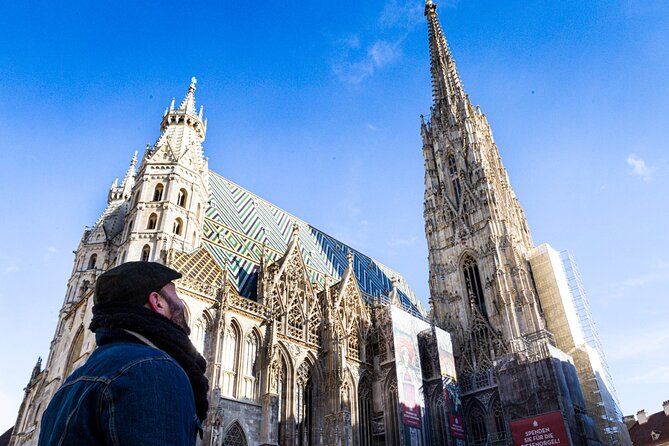
Maria Theresien Square is flanked by Vienna’s Natural History Museum and Art History Museum. Between them is the large memorial to Maria Theresia, one of the most important Habsburg rulers.
Jan presents her rule as a period of major change. Austria began a long process of modernization, with a more centralized state and a growing class of bureaucrats. That context helps you see Vienna as more than an imperial backdrop. It shows how government, education, administration, and social change affected the city.
You spend about 15 minutes here. The museums themselves are not included, so plan another visit if you want to see their collections. Still, the square is a strong outdoor introduction to Vienna’s museum district, and Jan’s explanation can help you decide which museum deserves your time.
Coffee and cake at Conditorei SLUKA
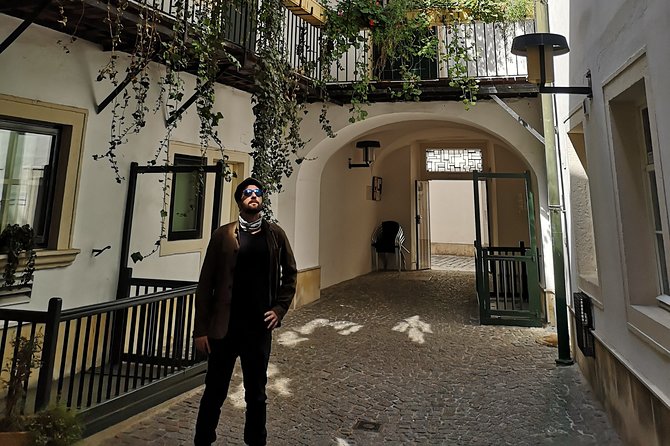
After several large squares and palace courtyards, a pause at Conditorei SLUKA makes good sense. This traditional Viennese coffeehouse has an attractive late-19th-century Art Nouveau interior, and the stop gives you a taste of the city’s café culture.
The break is listed at about 30 minutes. It is not simply a practical rest. Coffeehouses are part of Vienna’s social identity, and sitting down with cake gives you a chance to absorb the earlier material without rushing to the next monument.
The supplied details do not say that food or drinks are included in the tour price, so budget to pay for your own order. The exact café plan may also depend on opening hours and the pace of your group. Still, this is one of the tour’s most useful touches, especially if you have just arrived after a long journey or are traveling with children.
One family found Jan especially helpful when a child became hungry. He took the group to a bakery, later helped them find a café, and kept the historical talk light when the subject turned dark. That suggests a guide who pays attention to real needs, not just the printed route.
St. Stephen’s Cathedral is the city’s anchor
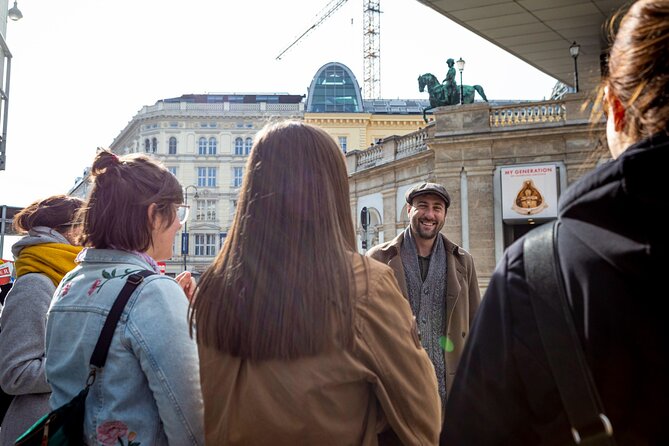
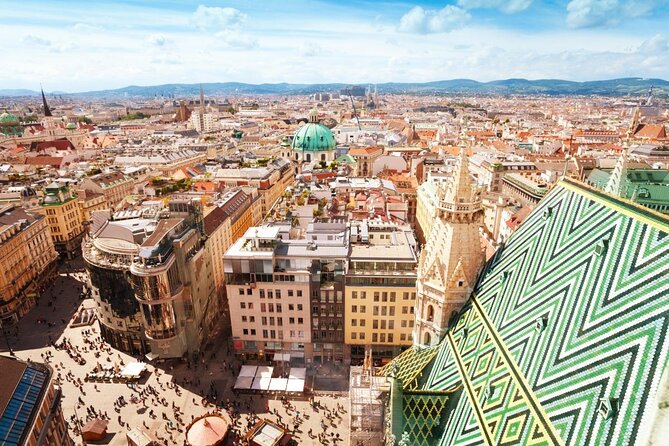
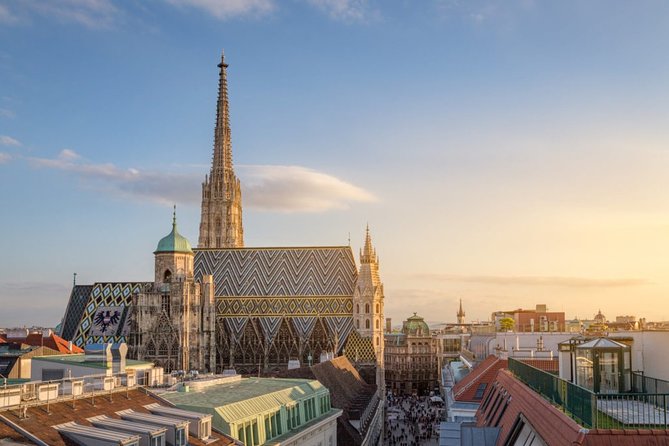
St. Stephen’s Cathedral is the spiritual and geographic heart of Vienna. Its construction lasted across many decades, which explains the mix of architectural styles you can see in the building.
The tour also covers the cathedral’s postwar reconstruction. That story gives the site a modern human meaning: Vienna had to rebuild after conflict, and the process reflected cooperation and a desire to create a future together.
The scheduled cathedral stop is about 10 minutes. That is brief, so think of it as an introduction rather than a full cathedral visit. Jan can help you notice details and point out things you might otherwise miss, but you will need more time on your own if you want to study the interior, climb a tower, or explore every corner.
One particularly useful detail from the tour is Jan’s habit of turning the cathedral into a small puzzle. He can point you toward lesser-noticed features and offer little things to look for, which may make a later independent visit more rewarding.
The Jesuit Church offers a burst of baroque drama
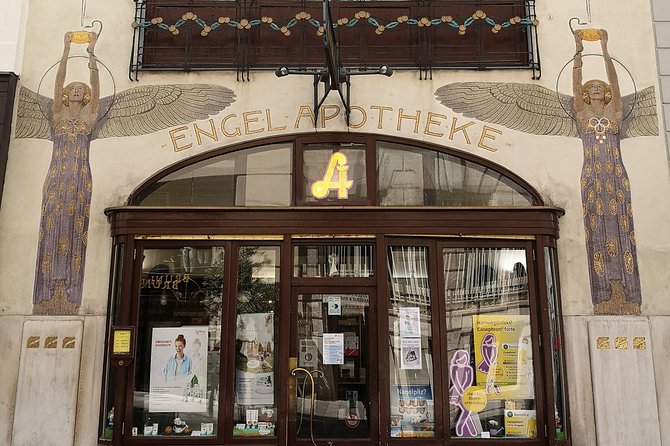
The Church of the Jesuits is one of Vienna’s finest baroque churches and one of its less visited ones. The 10-minute stop gives you a compact look at the ornate style associated with Austrian baroque.
This is a good example of why a private guide can improve a city walk. You might pass a church without entering or knowing why it matters. Jan puts the building into the larger story of Vienna’s religious and artistic culture, then keeps the visit short enough to preserve the rhythm of the route.
The church is not presented as a long interior tour. If ornate decoration is your main interest, you may want to return at a slower pace after the walk.
Stadtpark provides a green pause beside the Ringstrasse
Stadtpark follows the southern part of Vienna’s Ringstrasse. The park honors painters, musicians, and politicians linked to the city’s golden age.
After narrow old-town streets, the open greenery changes the mood. You get a breath of fresh air and a look at another side of Vienna, one tied to public parks, music, and the grand boulevard that replaced the city’s old fortifications.
The stop lasts about 15 minutes. It is not a garden tour, but a short break and a way to understand how Vienna combines formal imperial architecture with public green space. If you are traveling with children or simply need a quieter stretch, this part of the route should help.
Graben and Kohlmarkt mix shopping with painful history
Graben and Kohlmarkt are Vienna’s high-end shopping streets. Luxury brands and coffeehouses line these central routes, but Graben also carries a serious historical marker: the baroque Plague Column.
The column commemorates survival after a devastating plague at the end of the 17th century. That contrast is worth noticing. You can browse elegant storefronts while standing beside a monument born from fear, death, and public gratitude.
This is a short stop of about 10 minutes, with no shopping required. Jan’s local suggestions may help you find cafés and less obvious places beyond the luxury storefronts. The walk gives you a useful sense of the city’s commercial center, though serious shoppers may want to return later with more time.
Ending at Naschmarkt adds a practical finish
The listed endpoint is Naschmarkt, Vienna’s famous open-air food market. This is a smart place to finish because you can continue with lunch, snacks, or a look around after the formal tour ends.
The route begins at Stephansplatz and ends at Naschmarkt, so you finish in a different part of central Vienna. That is helpful if you want to keep exploring, but it also means you should plan your onward route. The tour is not a loop back to your hotel.
Pickup is offered, and one group was met at its hotel, but the stated start point is Stephansplatz. Confirm the arrangement before booking if hotel pickup is important to you. The experience is offered in English, and a past group specifically valued Jan’s clear English explanations.
Price, timing, and group value
The price is $432.53 for a private group of up to 10 people. For a full group, that works out to about $43 per person. For four people, it is roughly $108 per person, while two people would pay about $216 each.
That makes the tour strongest for families and small groups who want a private guide. A solo traveler or couple may find the total high compared with a large group walk, but the private format buys flexibility, direct questions, and a pace suited to your party.
The tour is commonly booked about 62 days ahead, so it is wise to reserve early if your dates are fixed. Confirmation arrives within 48 hours, subject to availability. Free cancellation is available up to 24 hours before the start time, but changes or cancellations inside that window are not refunded.
Most people can take part, the tour is near public transportation, and service animals are allowed. No entrance tickets are included, and gratuity is not included, so keep those points in your budget.
Who should book this Vienna experience
I would book this for a first visit, especially on your first full day. You get a city map, a history lesson, practical food advice, and a gentle introduction to Vienna’s major sights without committing to a full-day activity.
It also suits families. Jan has shown flexibility with hungry children, tired arrivals, and changing interests. The private setting means you can ask for a pause without holding up a large group.
History, architecture, and urban design fans should find plenty to enjoy. Jan explains not only what a building is, but why Vienna changed over time. His talks cover the Habsburgs, reform under Maria Theresia, baroque art, wartime rebuilding, and the city’s golden age.
I would be more cautious if your main goal is interior access. The walk visits several important buildings, but many stops are outside or brief. Book it for context and orientation, then arrange separate museum and cathedral visits for a closer look.
Should you book Private Tour of Historical Vienna with Jan?
Book it if you want Vienna to make sense quickly, prefer a private walk, and enjoy history told through stories rather than a string of facts. Jan’s strongest qualities are his clear English, lively explanations, flexibility, and ability to connect famous sights with small practical tips.
The main tradeoff is price for a very small group and the limited time inside major attractions. For four to 10 people, the cost becomes easier to justify. For one or two, compare it with a group tour before deciding.
My practical choice would be to schedule Jan near the start of your stay, wear comfortable shoes, and leave time afterward at Naschmarkt or for a return visit to the Hofburg, museums, or St. Stephen’s Cathedral.
FAQ
How long is the private Vienna tour?
The tour lasts approximately two to three hours. The listed stops together amount to about three hours, including the coffeehouse break.
How many people can join the private tour?
Up to 10 people can participate in one private group. Only your group takes part.
What language is the tour offered in?
The tour is offered in English. Jan Kepinski is the guide.
Where does the tour start and end?
The listed starting point is Stephansplatz in Vienna’s 1010 district. The tour ends at Naschmarkt in the 1060 district.
Are admission tickets included?
The tour includes guided visits to the listed outdoor and public areas, with no admission charge stated for the stops. Entrance tickets to paid attractions are not included.
Can I cancel for a full refund?
Yes. You can cancel at least 24 hours before the local start time for a full refund. Cancellations or changes made less than 24 hours before the start are not accepted or refunded.
Just added around Vienna
- Private Tour from Vienna to Melk and Dürnstein★ 4.5 · 3 reviews
- Vienna: Johann Strauss 200th birthday anniversary exhibition★ 4.7 · 3 reviews
- Vienna Private Full Day Tour – Tickets to Schönbrunn & Lunch★ 5.0 · 3 reviews
- Private Salzburg Day Trip from Vienna★ 4.0 · 3 reviews
- Vienna: Entry Ticket Belvedere 21 & Contemporary Art★ 4.3 · 3 reviews
- Full-Day Private Trip from Vienna to Budapest★ 4.5 · 3 reviews
- Vienna by Night: Private Evening Food and Drink Tour★ 5.0 · 3 reviews
- 1.5 Hour Cinematic Style Portrait Photoshoot and Tour in Vienna★ 4.5 · 3 reviews
Historical Tours, compared.
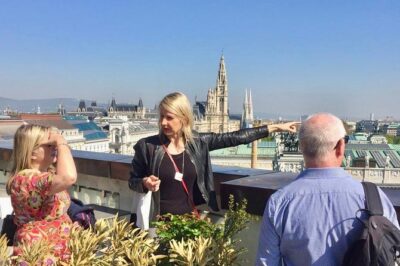
Vienna Historic Center Small Group Walking Tour
Read our review →
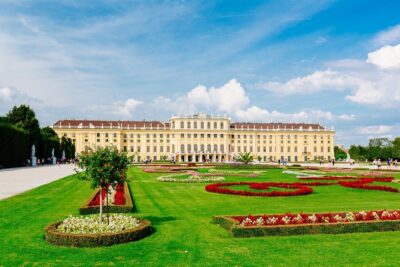
Skip-the-Line Schonbrunn Palace Guided Tour and Vienna Historical City Tour
Read our review →
Vienna Mozart Concert in Historical Costumes at the Musikverein
Read our review →
Browse the lists this tour appears in