
Reviewed · HISTORICAL TOURS
Vienna: Historical Walking Tour – Hitler and the 1900s
Vienna’s early 1900s were full of sharp contrasts: imperial ceremony beside new art, grand avenues beside political unrest, and a young Adolf Hitler trying to find his place in the city. This two-hour walking tour links those threads without treating the past as a museum piece.
I like the focus on less familiar stories and the way the route connects Karlsplatz, Museumsquartier, art, politics, and architecture. I also like the guide-led format. Joseph and Cristina are among the guides associated with especially strong feedback for clear stories and lively anecdotes.
The main drawback is its subject matter. This is not a light introduction to Vienna, and the tour may feel intense if you want only palaces, coffeehouses, and pretty streets. You will also spend the full two hours outdoors, with no museum entry or food included.
In This Review
- Key points to know before you book
- Vienna before the First World War
- Following Hitler’s early footsteps
- Karlsplatz and the city’s changing face
- Museumsquartier and Vienna’s artistic revolution
- Imperial Vienna becomes a modern metropolis
- The guide makes the difference
- What two hours can and cannot cover
- Value at $22 per person
- Who should take this walk
- Booking flexibility and meeting details
- Should you book Vienna: Historical Walking Tour, Hitler and the 1900s?
- FAQ
- How long does the tour last?
- What language is the tour offered in?
- How much does the tour cost?
- Where does the tour begin?
- Where does the tour end?
- Is museum admission included?
- Are food and drinks included?
- Is transportation to the meeting point included?
- Can I cancel for a full refund?
Key points to know before you book
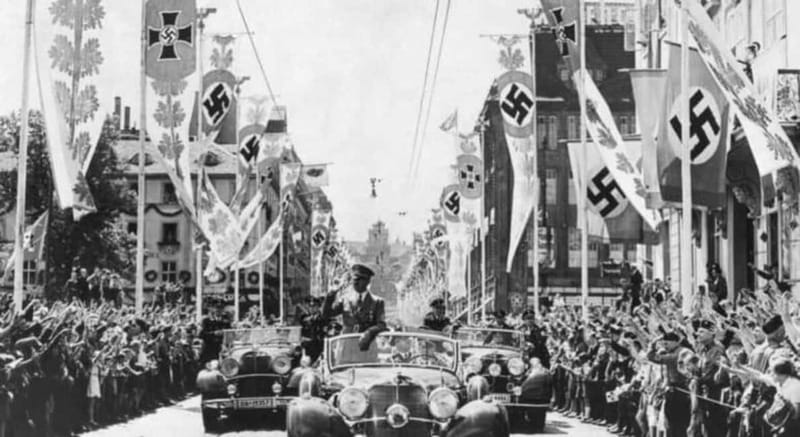
- Hitler’s Vienna: Follow the early years of Adolf Hitler and consider how the city shaped his thinking and later path.
- Klimt to Wagner: Connect Vienna’s artistic changes with the architecture and politics of the early 1900s.
- Karlsplatz and Museumsquartier: Visit major city landmarks that help explain Vienna’s move beyond imperial tradition.
- Local storytelling: Guides such as Joseph and Cristina bring anecdotes and personal context to the walk.
- A focused two hours: The route gives you a useful historical frame without taking up half your day.
- Good practical value: At $22 per person, the tour costs less than many museum-based experiences and includes an English-speaking guide.
Vienna before the First World War
This tour works best when you see it as a story about change. At the start of the 20th century, Vienna was still the center of the Habsburg Empire, but the old order was under pressure. New ideas were appearing in art, architecture, politics, and social life.
Your guide uses the city streets to show that change rather than presenting a string of disconnected dates. You move through places where imperial design, modern art, and political memory overlap. That makes the route useful early in your stay, especially if you want more context before visiting Vienna’s major museums and palaces.
The tour also asks you to look at Vienna through an uncomfortable lens. Hitler’s years in the city are part of the story, but they are not the whole story. The better aim is to understand the setting around him: a major cultural capital with sharp social tensions and competing ideas about the future.
You should not expect a full biography of Hitler or a complete course on Habsburg politics in two hours. Instead, you get a compact introduction to the people, places, and changes that shaped Vienna during a troubled period.
More walking tours in Vienna:
- Vienna: Guided Walking Tour of City Center Highlights
★ 4.7 · 4,989 reviews - Vienna: Vienna Central Cemetery Guided Walking Tour
★ 4.8 · 3,307 reviews - Vienna: Guided Walking Tour of City Highlights & Hidden Gems
★ 4.9 · 2,180 reviews
Following Hitler’s early footsteps
The Hitler portion gives the tour its strongest point of difference. Many first-time walks through Vienna focus on the Hofburg, St. Stephen’s Cathedral, or the Ringstrasse. This route looks at the city connected to Hitler’s early life and considers how his time there influenced his later development.
The subject needs care, and a good guide has to separate documented context from speculation. The supplied information promises stories about his early years and the city’s effect on him, not sensational claims. That is a sensible approach for a short public walking tour.
You can expect this section to be more about place and background than about surviving personal landmarks. The value lies in seeing Vienna as the setting for a young man’s ambitions, failures, and political formation. It also reminds you that cities can shape people in ways that are difficult to see while simply admiring their buildings.
This part may be especially useful if you have already seen Vienna’s imperial center and want a different angle. It does not turn the subject into a spectacle. Instead, it places Hitler within the wider culture and politics of early 20th-century Vienna.
Karlsplatz and the city’s changing face
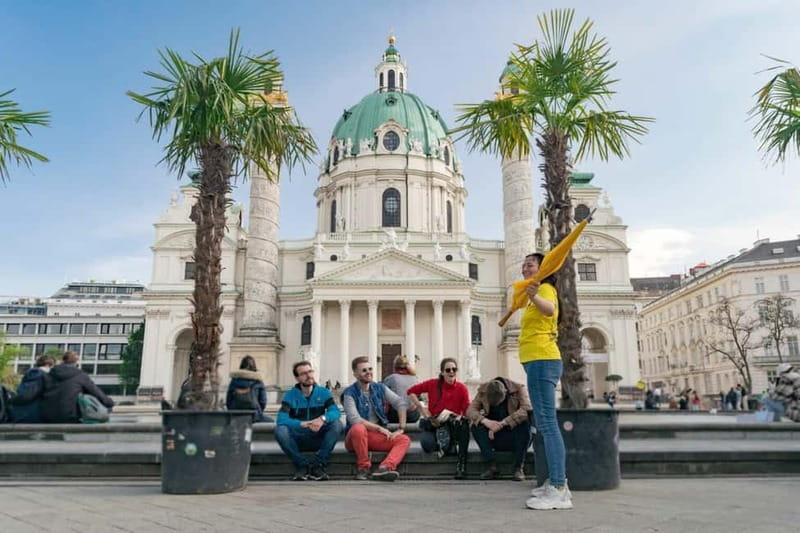
Karlsplatz is one of the most useful stops for understanding the city’s visual change. It links old Vienna with the newer artistic and architectural movements that appeared around the turn of the century.
The square gives a guide room to discuss grand planning, public buildings, and the shift from imperial display toward more experimental design. The tour description also points to the artistic revolution connected with Gustav Klimt and Otto Wagner, so Karlsplatz helps bring those names out of the museum and into the city itself.
You will not be entering attractions as part of the tour. That keeps the pace moving and the price low, but it means you should treat the stop as an outdoor introduction. If a building catches your eye, note it for a later visit. Museum and attraction admission is not part of the $22 cost.
Karlsplatz can also help you get your bearings. The route begins and ends at the meeting point, and the walk is designed to show how several parts of central Vienna fit together. That makes it practical on a first or second day, provided you are comfortable walking for two hours.
Museumsquartier and Vienna’s artistic revolution
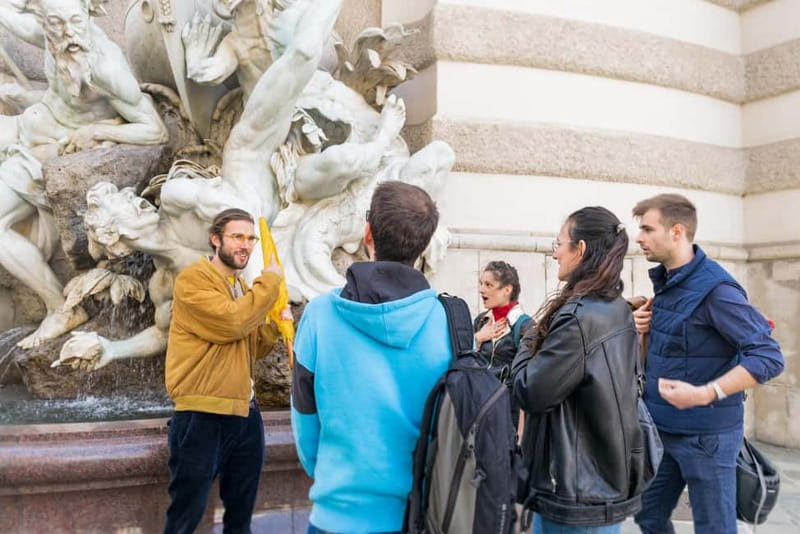
Museumsquartier provides another clear link between Vienna’s past and present. The area is now associated with museums, public space, and contemporary city life, but the tour uses it to discuss the wider cultural shift that took place around the early 1900s.
Klimt and Wagner are central names here. Klimt represents the new artistic energy that challenged older academic habits. Wagner represents the architectural side of the change, with buildings and planning ideas that helped Vienna look toward the modern age.
The tour does not include museum entry, so you will not be stopping for a gallery visit. That is both a limit and an advantage. You keep moving through the city instead of spending the entire walk inside one institution, and you can decide later which museum deserves your time and admission fee.
I like this part of the route because it prevents the Hitler story from swallowing everything else. Vienna’s early 1900s were not only about political extremism. They were also about art, design, urban planning, and arguments over what a modern city should be.
More history walks in Vienna:
- Vienna: Time Travel and Magic Vienna History Tour
★ 4.6 · 3,879 reviews - Vienna: World War II Historical Walking Tour
★ 4.8 · 1,772 reviews - Vienna Historic Center Small Group Walking Tour
★ 5.0 · 1,746 reviews - Time Travel-Magic Vienna History Tour Ticket
★ 4.5 · 1,099 reviews
Imperial Vienna becomes a modern metropolis
The larger story is Vienna’s move from imperial capital to modern city. The Habsburg period left behind grand public spaces, formal buildings, and a strong sense of tradition. The early 20th century brought new art, new politics, and new ways of living in the city.
Your guide connects these changes through architecture and historical events. You may find that familiar streets look different after the walk. A building is no longer just decorative. It becomes evidence of a period when Vienna was deciding what to preserve and what to change.
That context matters because Vienna can sometimes feel too polished. The palaces and monumental avenues are beautiful, but they can hide the conflicts beneath the surface. This walk adds social and political weight to the picture without requiring a full day in a history museum.
The route also connects the past with Vienna today. The city has not erased its difficult chapters, and the tour helps you notice how old events remain part of the present. For visitors who prefer history with a clear connection to modern life, this is a strong feature.
The guide makes the difference
A walking tour rises or falls on the guide, especially when the subject includes politics, art, and Hitler’s early life. You need someone who can explain complex ideas in plain language, keep the chronology clear, and avoid turning serious material into cheap drama.
Joseph is associated with tours full of anecdotes and unusual stories. Cristina is also singled out for clear speaking and strong command of the subject. Those details suggest the experience can feel personal rather than like a memorized list of facts, though your actual guide will depend on the date and schedule.
The English-language format is helpful for visitors who want historical detail without a language barrier. You can ask questions as you go, and the local guide can add context that is hard to get from a map or guidebook.
The tour does not promise a private walk or a set group size. You should expect a shared experience, with the pace shaped by the group. That is normal for a $22 tour, but it is worth remembering if you prefer long stops, quiet reflection, or a highly tailored route.
What two hours can and cannot cover
Two hours is a useful length for this subject. It is long enough to connect several stops and themes, but short enough to fit around a museum visit, meal, or evening concert.
The tradeoff is depth. You will get a clear outline of Hitler’s Vienna, the artistic changes linked to Klimt and Wagner, and the city’s shift from imperial rule to modern urban life. You will not receive a complete history of every building or political movement mentioned along the way.
I would treat the tour as a framework. Take note of the places and topics that interest you, then return to one or two of them on your own. The fact that admissions are not included makes this approach easy. You pay for the guide and the route, then choose where to spend more time later.
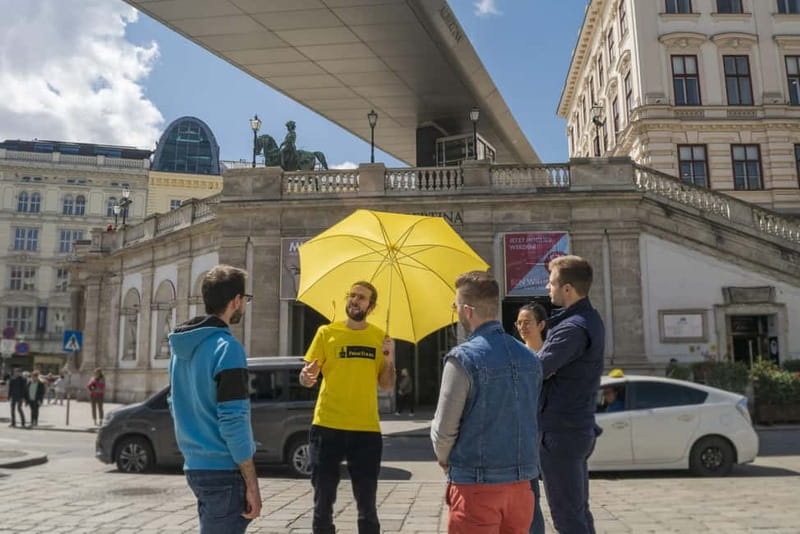
Wear comfortable shoes and plan for ordinary city walking. Food, drinks, and transport to the meeting point are not included. Look for the yellow Prime Tours umbrella, which marks the start, and remember that the walk finishes back at the same meeting point.
Value at $22 per person
At $22, this is a reasonably priced way to add structure to a day in Vienna. You are paying for an English-speaking local guide, a planned route through historic areas, and background that can be difficult to assemble on your own.
The strongest value comes from the combination of topics. A basic city walk might cover architecture. A history talk might stay indoors. This experience links Hitler’s early years with the artistic changes of Klimt and Wagner, then places both within Vienna’s larger political and cultural shift.
There are limits. You are not paying for museum tickets, transport, food, or a private guide. If you want extended time inside museums or detailed architectural study, you will need another activity. If you want a focused introduction before exploring on your own, the price is easier to justify.
The listed price also includes a guide tip, with an additional tip welcome on the spot. That reduces the need to work out the usual gratuity at the end, though you can give more if the guide adds real value for you.
Who should take this walk
I would recommend it to visitors who enjoy history that is tied to real streets and buildings. It suits first-time visitors who want a strong orientation, as well as returning visitors who have already seen Vienna’s better-known imperial sights.
It is a good match for you if you:
- Want to understand Vienna beyond palaces and classical music.
- Have an interest in 20th-century politics and culture.
- Enjoy guided storytelling and local anecdotes.
- Prefer a short activity that leaves most of the day free.
- Want to see how art, architecture, and politics overlap.
It may not suit you if you want a cheerful sightseeing stroll with little serious discussion. It may also disappoint if you expect entry to museums or a detailed tour of interiors. The subject is serious, and the experience works best when you are ready to think as well as look.
The walk is wheelchair accessible, which makes it a useful option for visitors who need an accessible city activity. Specific route conditions can still matter in any historic center, so it is sensible to confirm details when booking if you have particular mobility needs.
Booking flexibility and meeting details
You can cancel up to 24 hours before the activity for a full refund. The reserve-now, pay-later option also helps if your Vienna schedule is still changing.
The tour is offered in English and lasts two hours. Starting times vary, so check availability for the date you want. You do not need to arrange transport as part of the activity, but you are responsible for reaching the meeting point.
Find the yellow Prime Tours umbrella at the start. Since the walk returns there, the ending is simple, especially if you are planning another central Vienna activity afterward.
The participation notice says the walk is voluntary and that the freelance guides cannot be held responsible for injuries to people or property. As with any city walk, use sensible footwear, watch the pavement, and stay aware of traffic and crowds.
Should you book Vienna: Historical Walking Tour, Hitler and the 1900s?
Book this tour if you want a compact, serious look at Vienna’s early 20th century. The mix of Hitler’s formative years, Klimt and Wagner, Karlsplatz, Museumsquartier, and the fall of imperial certainty gives you more substance than a standard photo stop walk.
I especially like it as an early-Vienna activity. Take it near the start of your visit, then use the rest of your stay to explore a museum, building, or neighborhood that caught your attention. At $22, it offers a fair amount of context without consuming your day.
Skip it if your main goal is a relaxed tour of famous sights or if you do not want to spend vacation time on difficult political history. For everyone else, the focused route and strong guide-led storytelling make this a useful way to see Vienna with sharper eyes.
FAQ
How long does the tour last?
The walking tour lasts two hours.
What language is the tour offered in?
The live tour guide speaks English.
How much does the tour cost?
The price is $22 per person.
Where does the tour begin?
Look for the yellow Prime Tours umbrella at the meeting point.
Where does the tour end?
The activity ends back at the meeting point.
Is museum admission included?
No. Entrance fees to museums and other attractions after the tour are not included.
Are food and drinks included?
No. You need to arrange your own food and drinks.
Is transportation to the meeting point included?
No. Transportation to and from the meeting point is not included.
Can I cancel for a full refund?
Yes. You can cancel up to 24 hours in advance for a full refund. You can also reserve now and pay later.
Just added around Vienna
- Private Tour from Vienna to Melk and Dürnstein★ 4.5 · 3 reviews
- Vienna: Johann Strauss 200th birthday anniversary exhibition★ 4.7 · 3 reviews
- Vienna Private Full Day Tour – Tickets to Schönbrunn & Lunch★ 5.0 · 3 reviews
- Private Salzburg Day Trip from Vienna★ 4.0 · 3 reviews
- Vienna: Entry Ticket Belvedere 21 & Contemporary Art★ 4.3 · 3 reviews
- Full-Day Private Trip from Vienna to Budapest★ 4.5 · 3 reviews
- Vienna by Night: Private Evening Food and Drink Tour★ 5.0 · 3 reviews
- 1.5 Hour Cinematic Style Portrait Photoshoot and Tour in Vienna★ 4.5 · 3 reviews
Historical Tours, compared.
Vienna Historic Center Small Group Walking Tour
Read our review →
Skip-the-Line Schonbrunn Palace Guided Tour and Vienna Historical City Tour
Read our review →
Vienna Mozart Concert in Historical Costumes at the Musikverein
Read our review →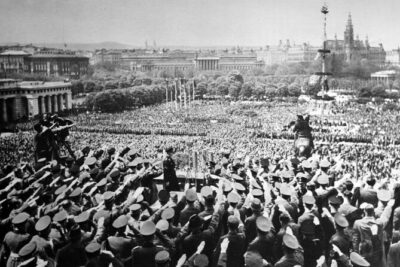
Browse the lists this tour appears in