
Reviewed · HISTORICAL TOURS
Vienna: Walking Tour of the Historic Ringstrasse
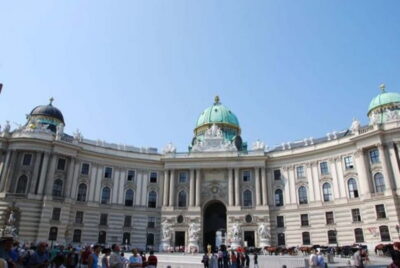
Vienna’s Ringstrasse is a giant 19th-century stage set, but the stories behind its grand facades are what make this walk worthwhile. You’ll trace the boulevard created after Emperor Francis Josef ordered the old city walls demolished, passing palaces, museums, churches, gardens, and government buildings built to announce Vienna’s power.
I like the private group format, which lets you ask questions instead of listening from the back of a crowd. I also like the mix of famous sights and less obvious details, such as the fate of the Jewish banking family behind Palais Ephrusi. The possible drawback is that a two-hour walk covers a lot, so the tour offers views and context rather than extended visits inside each building.
In This Review
- Key points
- Why Vienna Built the Ringstrasse
- Starting at Mölker Bastei and the Liebenberg Monument
- Palais Ephrusi and the People Behind the Facades
- Votive Church and the University of Vienna
- City Hall and the Burgtheater
- Parliament, Heldenplatz, and Pallas Athene
- Museums, Volksgarten, and Short Garden Breaks
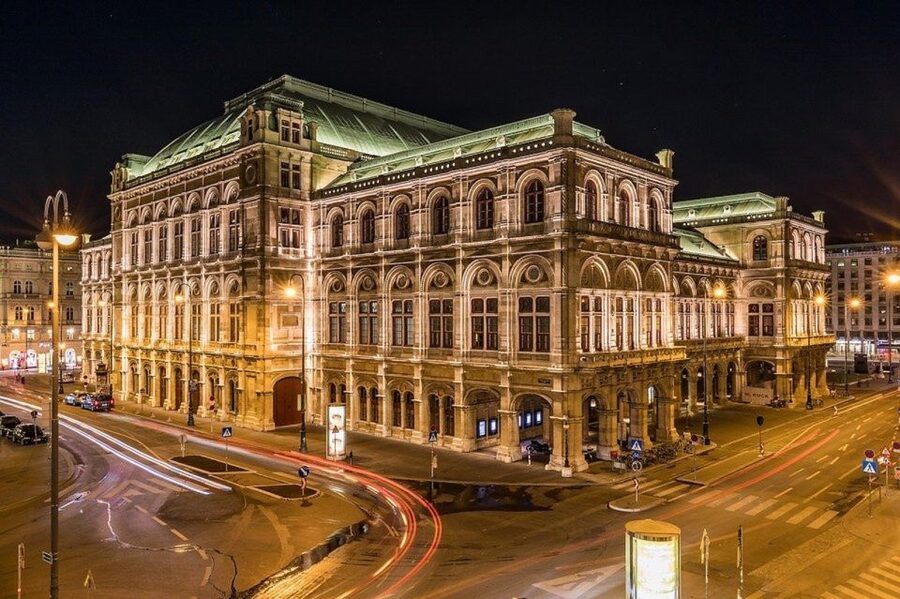
- Finishing Near the Vienna Opera House
- What the Two-Hour Format Really Gives You
- Price, Group Size, and Overall Value
- Who Will Get the Most From This Walk
- Should You Book the Ringstrasse Walk?
- FAQ
- Where does the Vienna Ringstrasse walking tour begin?
- Where does the tour end?
- How long does the tour last?
- Is the tour private?
- What languages are available?
- Is the tour wheelchair accessible?
- Is hotel pickup included?
- Do I need a public transport ticket?
- What sights are included on the route?
- How much does the tour cost?
- Can I cancel for a full refund?
- Can I reserve now and pay later?
Key points
- See the Ringstrasse’s grand civic buildings, including City Hall, Parliament, the Burgtheater, museums, and the University of Vienna.
- Begin at the Liebenberg monument near Mölker Bastei and finish beside Vienna’s Opera House.
- Hear personal stories about palace owners, including the family featured in The Hare with the Amber Eyes.
- Pause in spacious gardens, with statues and carefully arranged flower beds.
- Book a private group for up to eight people, with a guide speaking English, German, or Polish.
- Bring a public transport ticket, since the tram fare is not included.
Why Vienna Built the Ringstrasse
The Ringstrasse was not simply a handsome road project. It was a statement of imperial ambition.
About 150 years ago, Emperor Francis Josef commissioned the demolition of Vienna’s city walls. In their place came a broad boulevard lined with public buildings, trees, paths for carriages, riders, and pedestrians, and an impressive run of new architecture.
That decision changed the city’s shape. The new Ring became a place for opera, theater, museums, universities, parliament, city government, and the Academy of Fine Arts. Vienna wanted its capital to look modern, cultured, and powerful, and the buildings were designed to make that message hard to miss.
I find this background useful because it gives the walk a clear purpose. Instead of seeing a series of unrelated facades, you can read the Ringstrasse as one large imperial project. The style changes from one building to the next, but the scale tells you that these structures were meant to impress.
Industrialists and bankers also seized the opportunity. They built oversized palaces along or near the new boulevard, hoping to display their wealth and gain social standing or a title. That social ambition is an important part of the story, and it adds a human edge to all the marble, columns, domes, and ornament.
The project drew architects, artists, and planners from across Europe. It also drew poor workers looking for jobs, many of whom labored in difficult conditions. That contrast matters. The Ringstrasse represents culture and wealth, but it was also built through hard work by people who had little chance to share in the comfort of the new city.
More walking tours in Vienna:
- Vienna: Guided Walking Tour of City Center Highlights
★ 4.7 · 4,989 reviews - Vienna: Vienna Central Cemetery Guided Walking Tour
★ 4.8 · 3,307 reviews - Vienna: Guided Walking Tour of City Highlights & Hidden Gems
★ 4.9 · 2,180 reviews
Starting at Mölker Bastei and the Liebenberg Monument
The meeting point is the Liebenberg monument at Mölker Bastei 8 in Vienna’s first district. You should arrive about 10 minutes before the scheduled start.
Beginning here places you near the historic edge of the old city. The monument honors Mayor Liebenberg, one of the figures connected with Vienna’s past, and it gives the guide a natural place to explain how the fortified city gave way to the Ringstrasse.
This is a smart starting point for a walking tour because the route begins with the basic question: what happened to the walls? Once you understand that the Ring replaced defensive structures, the boulevard’s width and grand planning make more sense.
You won’t need to prepare a long list of facts before arriving. The guide provides background as you walk, then adds smaller stories about the people who commissioned and designed the buildings. That balance is useful in Vienna, where a quick look at a facade can leave you with little idea why it matters.
Palais Ephrusi and the People Behind the Facades
Palais Ephrusi is one of the more personal stops on the route. It was commissioned by a wealthy Jewish banking family, and its story is linked to The Hare with the Amber Eyes.
The building gives the tour a chance to move beyond architecture. You hear about wealth, status, family life, and the uncertain fate of a prominent Jewish family in Vienna. That is a sharper story than simply noting the palace’s decorative style.
I particularly like this part of the walk because palace architecture can otherwise become a parade of grand names. Knowing who paid for a building, why they wanted it, and what happened to them turns stone and ornament into something easier to remember.
The guide also points out details you might pass without noticing. A recent tour account praised the guide for highlighting overlooked features and sharing small stories about the lives of palace owners. That is exactly the kind of help you want on a Ringstrasse walk. The major buildings are easy to find. The small clues are not.
Votive Church and the University of Vienna
The Votive Church brings a different architectural mood to the route. Its presence helps show that the Ringstrasse was not planned as one uniform style.
The nearby main building of the University of Vienna adds another layer to the imperial vision. The Ring was meant to house institutions that represented learning, religion, government, and the arts. Seeing those functions placed along the same ceremonial boulevard shows how carefully Vienna presented itself to the world.
You should expect to admire the buildings from outside rather than spend time touring their interiors. The two-hour schedule is designed for movement, explanation, and short pauses. If you want a detailed museum visit or a long look inside the university, plan that separately.
This is one reason the walk works best early in your Vienna stay. It helps you identify places you may want to return to, while giving you a framework for the city’s public architecture.
More history walks in Vienna:
- Vienna: Time Travel and Magic Vienna History Tour
★ 4.6 · 3,879 reviews - Vienna: World War II Historical Walking Tour
★ 4.8 · 1,772 reviews - Vienna Historic Center Small Group Walking Tour
★ 5.0 · 1,746 reviews - Time Travel-Magic Vienna History Tour Ticket
★ 4.5 · 1,099 reviews
City Hall and the Burgtheater
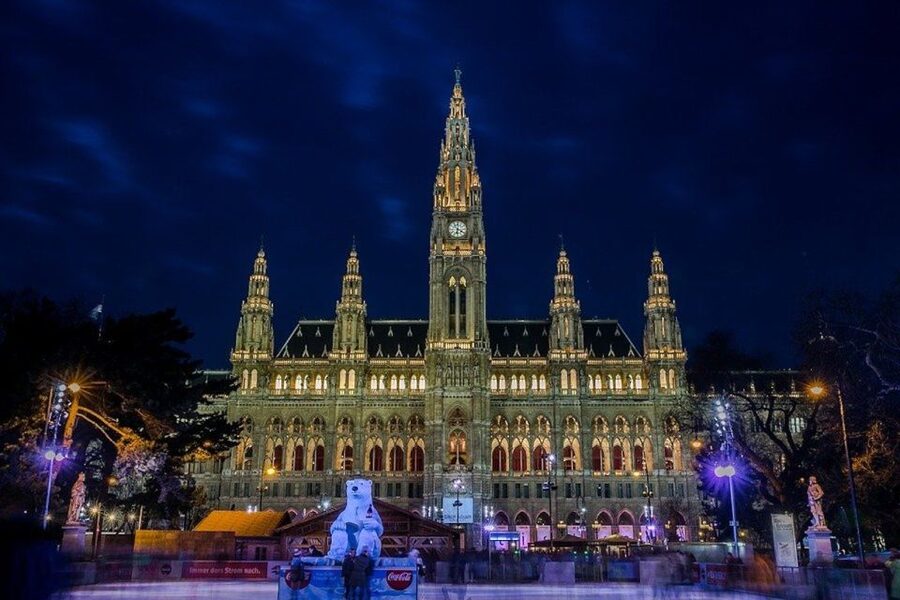
Vienna’s City Hall is one of the Ringstrasse’s most eye-catching public buildings. The route gives you time to take in its size and decoration, while the guide explains its place in the city’s grand plan.
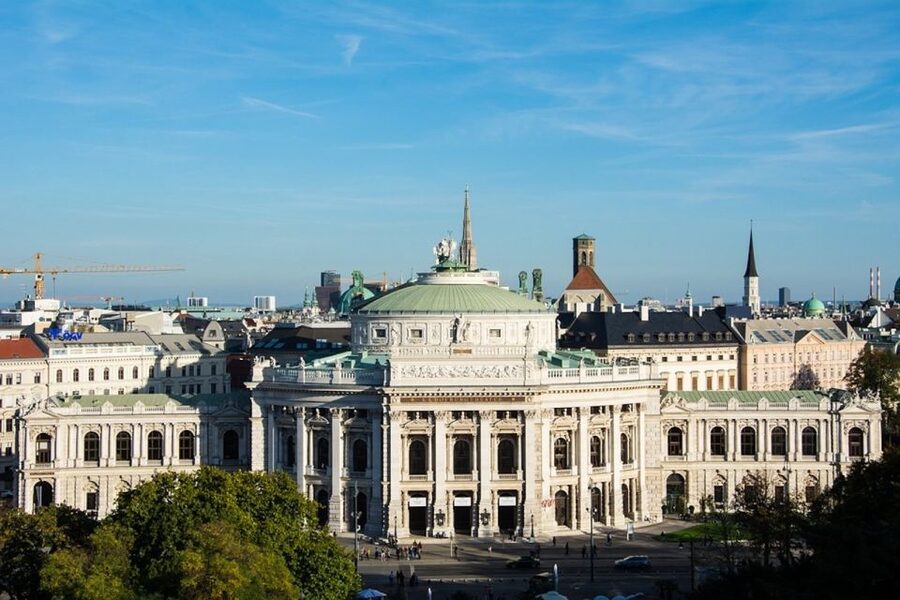
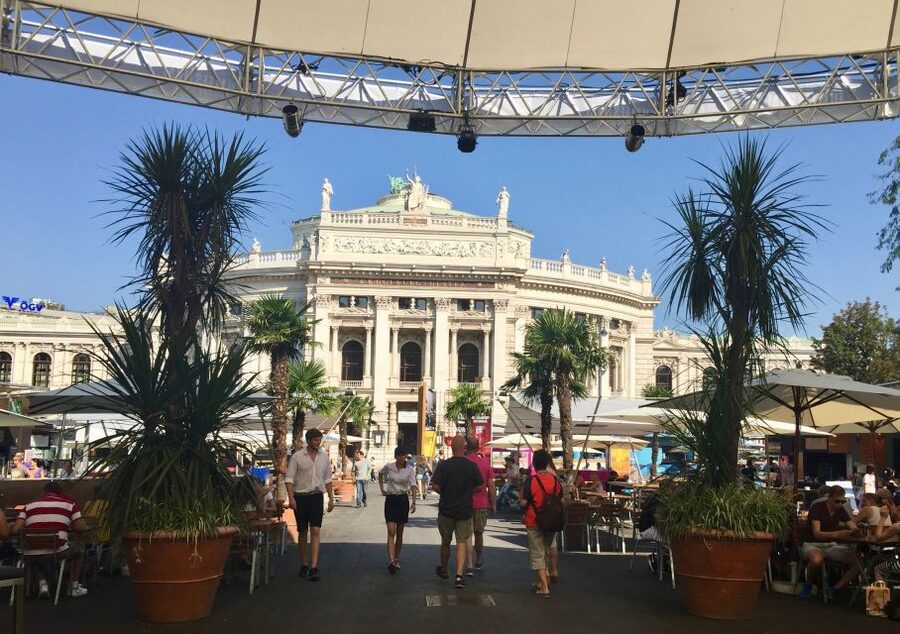
The Burgtheater continues the cultural theme. Opera, theater, museums, and the Academy of Fine Arts were all part of the vision for the new boulevard. Together, these buildings show that the Ringstrasse was intended to be more than a traffic route. It was a public showcase for the arts and civic life.
The combination of styles is part of the fun. Vienna’s Ring buildings do not all speak in the same architectural language. Their varied designs and heavy decoration can feel overwhelming, especially when several major facades appear one after another.
That abundance is also the main challenge. If you prefer a slow study of one building, this walk may feel fast. If you enjoy seeing how many major sights fit into a compact route, the pace is useful.
Parliament, Heldenplatz, and Pallas Athene
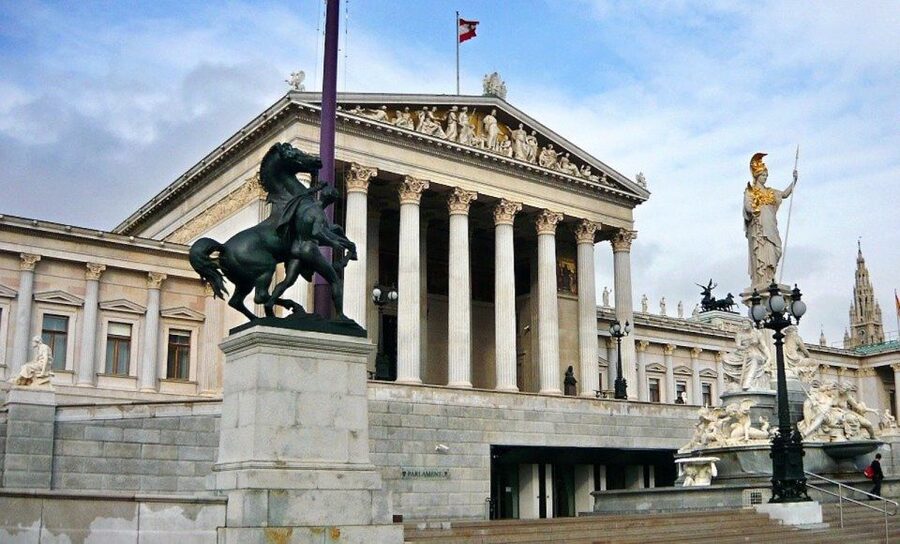
Parliament brings the political side of the Ringstrasse into view. Along with City Hall and the imperial sites, it shows how the boulevard gathered the institutions that shaped public life.
Heldenplatz adds another large ceremonial space to the walk. Here, open space matters as much as the buildings. The scale allows you to understand how Vienna used plazas, monuments, and broad routes to stage power.
The statue of Pallas Athene is another reminder that symbolism is everywhere on the Ring. You are not only looking at decorative objects. You are seeing ideas about wisdom, authority, civic identity, and imperial ambition expressed in stone and bronze.
The guide’s role is important at stops like this. Without context, statues can blur together. With a few clear stories, you can begin to see why a particular figure was placed in a particular setting.
Museums, Volksgarten, and Short Garden Breaks
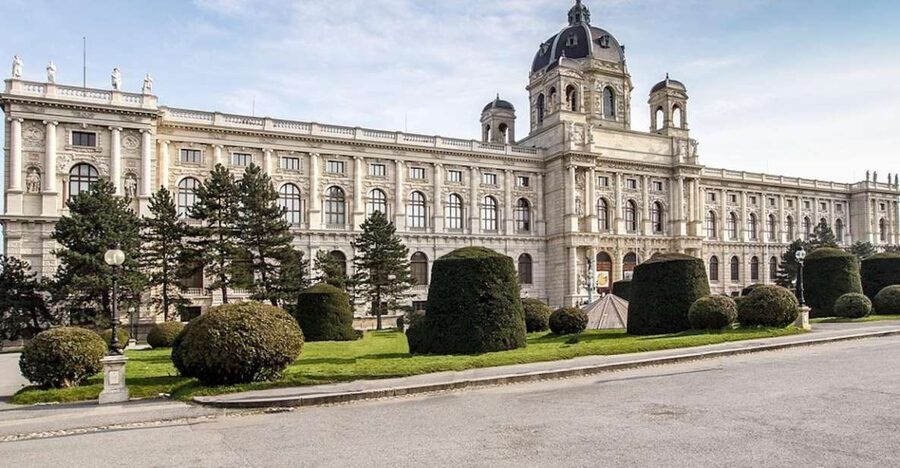
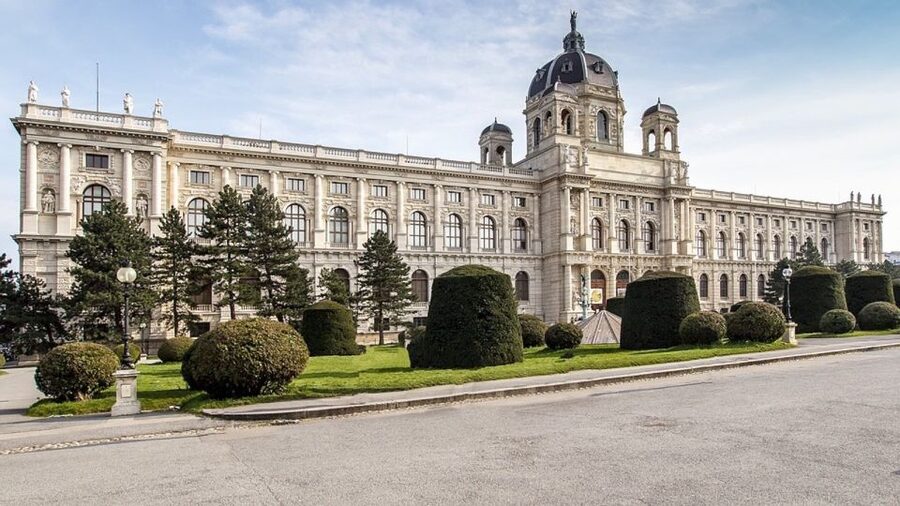
The museum area provides another strong example of Vienna’s 19th-century ambition. The buildings were created to house culture and learning, and their exteriors were designed to make those purposes feel important.
The walk also includes the Volksgarten, where you can step away from the stone facades for a short break. The gardens have flower arrangements, statues, and enough open space to give your eyes a rest.
I like this change of pace. Two hours of looking upward at monumental architecture can be tiring, especially if the weather is warm or wet. A brief garden pause keeps the walk from feeling like one long architectural lecture.
Do not expect a long relaxation stop. The gardens are part of the route, not a separate park visit. You get time to pause, look around, and listen before continuing toward the final section.
Finishing Near the Vienna Opera House
The walk ends next to the Opera House, a practical finish in the center of Vienna. The location leaves you close to one of the city’s best-known cultural buildings and puts you in a useful position for continuing your day.
The ending also completes the original idea of the Ringstrasse. The route has taken you past public buildings for government, education, the arts, religion, and civic life, then finishes beside one of Vienna’s great performance venues.
I would use the final stop to ask the guide about anything you want to revisit later. Since the tour is private, you have a better chance of shaping the conversation around your interests, especially if your group is curious about architecture, Jewish Viennese families, imperial politics, or the working people who built the boulevard.
What the Two-Hour Format Really Gives You
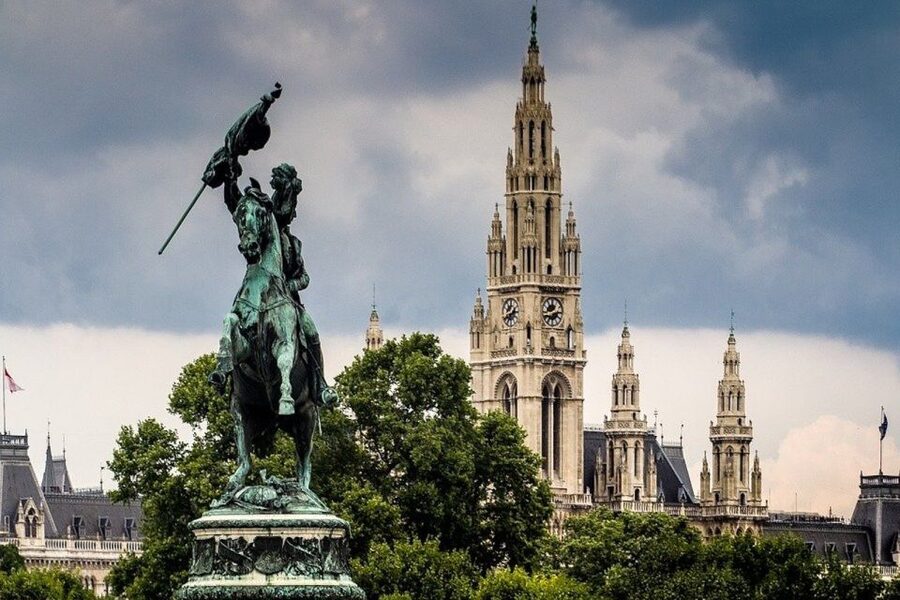
Two hours is enough to cover the representative section of the Ringstrasse listed here, but it is not enough to explore every building in detail. Think of the experience as a guided orientation with stories, not a full museum tour.
The format has several advantages:
- You see many major sights in one connected walk.
- You learn why the Ring was created, not just what each building is called.
- You can ask questions in a private group.
- You get short pauses in gardens and open spaces.
- You finish near the Opera House, where you can continue sightseeing.
The tradeoff is time. You will likely spend more time moving between highlights than standing at each one. One German-language review found the content too thin, so expectations matter. If you want a dense architectural lecture, confirm your preferred language and interests when booking. If you want a clear introduction with personal stories and a broad view of the boulevard, the format is more suitable.
A separate German-language review described the tour as interesting, informative, and entertaining even in rainy weather, with a friendly guide who could answer questions about many events. That suggests the experience depends heavily on the individual guide and on how actively you take part.
Price, Group Size, and Overall Value
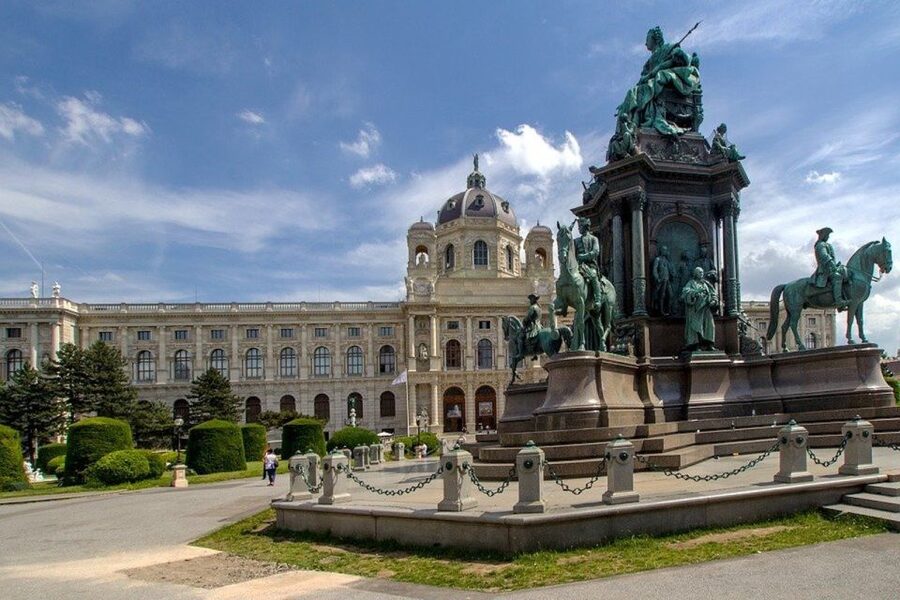
The price is $353 per group of up to eight people. That sounds steep for a two-hour walk if you are traveling alone or as a couple. For a full group of eight, however, the cost works out to about $44 per person.
The private format is the key value. You are paying for a guide focused on your group rather than joining a large public walk. Families and friends who want to ask questions may find that worthwhile, especially in a city where the Ringstrasse can feel visually crowded with information.
For two or three people, the per-person cost is much higher. In that case, book it because you specifically want a private guide and a tailored conversation, not because it is the cheapest way to see the Ring.
The tour includes the guided city walk, but not hotel pickup, hotel drop-off, or a tram ticket. You should bring a public transport ticket as requested in the practical information. The activity is wheelchair accessible, though the route’s exact comfort will depend on conditions along the streets and garden paths.
You can cancel up to 24 hours before the start for a full refund, and you can reserve now and pay later. Those policies help if your Vienna schedule is still changing, but the real booking decision comes down to group size and your interest in guided context.
Who Will Get the Most From This Walk
I would recommend this experience to first-time visitors who want to understand Vienna’s central architecture before exploring on their own. It also suits families and small groups who prefer a private pace and the freedom to ask questions.
It is a good choice if you enjoy:
- Decorative architecture and grand public buildings
- Stories about wealthy families and palace owners
- The political and cultural meaning of city planning
- A broad city introduction in two hours
- Short garden pauses between major sights
- English, German, or Polish guiding
It may be less suitable if you want to enter every museum, tour the Opera House, or spend a long time inside Parliament, City Hall, or the Burgtheater. None of those interior visits is included in the described walk.
You should also consider the weather. The tour continues outdoors, although one guide kept the experience engaging during rain. Wear comfortable shoes and bring clothing suitable for a walking route with outdoor stops.
Should You Book the Ringstrasse Walk?
Book it if you want the Ringstrasse to make sense as a single grand project rather than a collection of impressive buildings. The strongest parts are the private format, the stories behind places such as Palais Ephrusi, and the guide’s ability to point out details you could easily miss.
I would be more cautious if your group is small and price matters, or if you want a highly detailed architectural study. The two-hour route covers a lot, and the experience can vary with the guide and language.
For a group of up to eight, the cost becomes easier to justify. You get a focused introduction to Vienna’s imperial boulevard, its public institutions, its wealthy builders, its famous artists, and the workers who made the project possible. That is a useful foundation for the rest of your stay.
FAQ
Where does the Vienna Ringstrasse walking tour begin?
It begins at the Liebenberg monument, Mölker Bastei 8, 1010 Vienna.
Where does the tour end?
The walk ends next to the Vienna Opera House.
How long does the tour last?
The tour lasts two hours.
Is the tour private?
Yes. It is a private group experience for up to eight people.
What languages are available?
The live guide can conduct the tour in English, German, or Polish.
Is the tour wheelchair accessible?
Yes, the activity is listed as wheelchair accessible.
Is hotel pickup included?
No. Hotel pickup and drop-off are not included.
Do I need a public transport ticket?
Yes. You should bring a public transport ticket, and the tram ticket is not included.
What sights are included on the route?
The walk includes Palais Ephrusi, Votive Church, the University of Vienna, City Hall, the Burgtheater, Parliament, Heldenplatz, museums, Volksgarten, several statues, and the Opera House area.
How much does the tour cost?
The price is $353 per group of up to eight people.
Can I cancel for a full refund?
Yes. You can cancel up to 24 hours in advance for a full refund.
Can I reserve now and pay later?
Yes. The booking option allows you to reserve your place and pay later.
Just added around Vienna
- Private Tour from Vienna to Melk and Dürnstein★ 4.5 · 3 reviews
- Vienna: Johann Strauss 200th birthday anniversary exhibition★ 4.7 · 3 reviews
- Vienna Private Full Day Tour – Tickets to Schönbrunn & Lunch★ 5.0 · 3 reviews
- Private Salzburg Day Trip from Vienna★ 4.0 · 3 reviews
- Vienna: Entry Ticket Belvedere 21 & Contemporary Art★ 4.3 · 3 reviews
- Vienna by Night: Private Evening Food and Drink Tour★ 5.0 · 3 reviews
- Full-Day Private Trip from Vienna to Budapest★ 4.5 · 3 reviews
- 1.5 Hour Cinematic Style Portrait Photoshoot and Tour in Vienna★ 4.5 · 3 reviews
Historical Tours, compared.
Vienna Historic Center Small Group Walking Tour
Read our review →
Skip-the-Line Schonbrunn Palace Guided Tour and Vienna Historical City Tour
Read our review →
Vienna Mozart Concert in Historical Costumes at the Musikverein
Read our review →
Browse the lists this tour appears in